
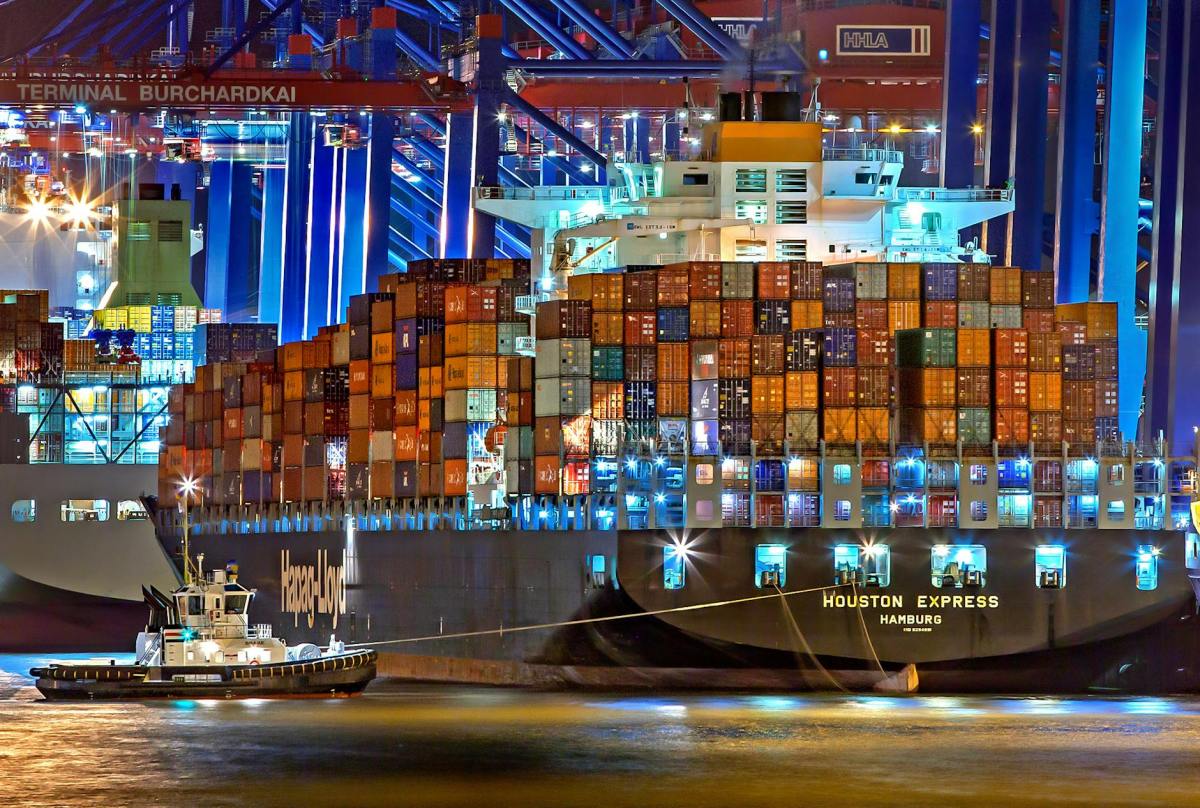
Tariffs are back in the daily News again. In fact, they never went away it’s just that more attention getting events have been happening. Tariffs were something specialist trade negotiators talked about before this year started. Now, the word is commonplace.
The simple assumption is always made that everyone knows what the word means. Apparently, the origins of the word are Arabic[1]. Linked to information. Now, it’s a fee that someone must pay. The important bit being “must”. In this context it’s about the import and export of goods. The relations between countries.
A presumption made by politicians, who like these bureaucratic instruments, is that they can help protect a nation’s domestic industry from competition from other countries. Thus, tipping the balance away from investments made abroad to those made at home. This chimes with nationalistic instincts.
If only it were as simple. Globalisation is a reality. Kicking against it has its attractive points, if it weren’t for the overall benefits that it has delivered in recent decades. Much of the technology we take for granted is available at low prices because of where and how it’s manufactured.
One advice given out by banks is to avoid knee-jerk reactions. In other words, the ups and downs and on and offs of changing tariff regimes may seem to demand an immediate response. However, it could be wiser to ride out the turbulence of these early months of 2025. To sit back and let the dust settle.
Politically driven efforts to disrupt global trade are likely to impact both importer and exporter. It doesn’t take more than a few minutes walking around a large warehouse store to see goods originating from all over the world. That is quality goods that are offered for sale at astonishingly low prices. It astounds me that I can easily buy a perfectly good basic kitchen microwave for £50.
I hate to say it, but I don’t think there’s anyway whatsoever that a domestic manufacturer could compete with that electrical product’s price and quality even if there was a 100% tariff placed on its import. The story vacuum cleaners is one of designs emanating from Britain but being made in Asia. Globalisation is a reality.
I will make at least one concession. That’s the environmental one. Shipping vast qualities of raw materials and goods around the globe has a real cost. An environmental cost. So, it would be wise, at least, to investigate if domestic production is a viable prospect before automatically assuming an import is better. This is a matter for both industry and public policy.
Not only this point but for some critical products, say steel and semiconductors, there should be a domestic capability even if it’s only aimed at meeting a fraction of the potential demand. Strategic needs are not trivial.
Are tariffs a good way to shift the global balance sheet? To me the answer depends on adopting either a short-term or long-term perspective. Certainly, in the later tariffs are a foolish measure. My recollections come from the history of subsidised industries in the 1970s and the poor products that resulted. It a sorry saga of designed decline. One quick look at the story of the British Leyland Motor Company (BLMC) is a good lesson.
I know for a liberal I sound Thatcherite but competition brings better outcomes than protectionism. That generally depends on a level playing field. Yes, tariffs are a form domestic protectionism and that’s much like a permanent subsidy. Trouble is that permanence is never permanent.
Trump maybe a part-time socialist. If not by word then by action. For the time being the tariff humbug will continue to command attention. In the longer term – I think not. Relearning what has been learnt in the past.
[1] https://blog.collinsdictionary.com/language-lovers/the-fascinating-journey-of-the-word-tariff/

 John Vincent