
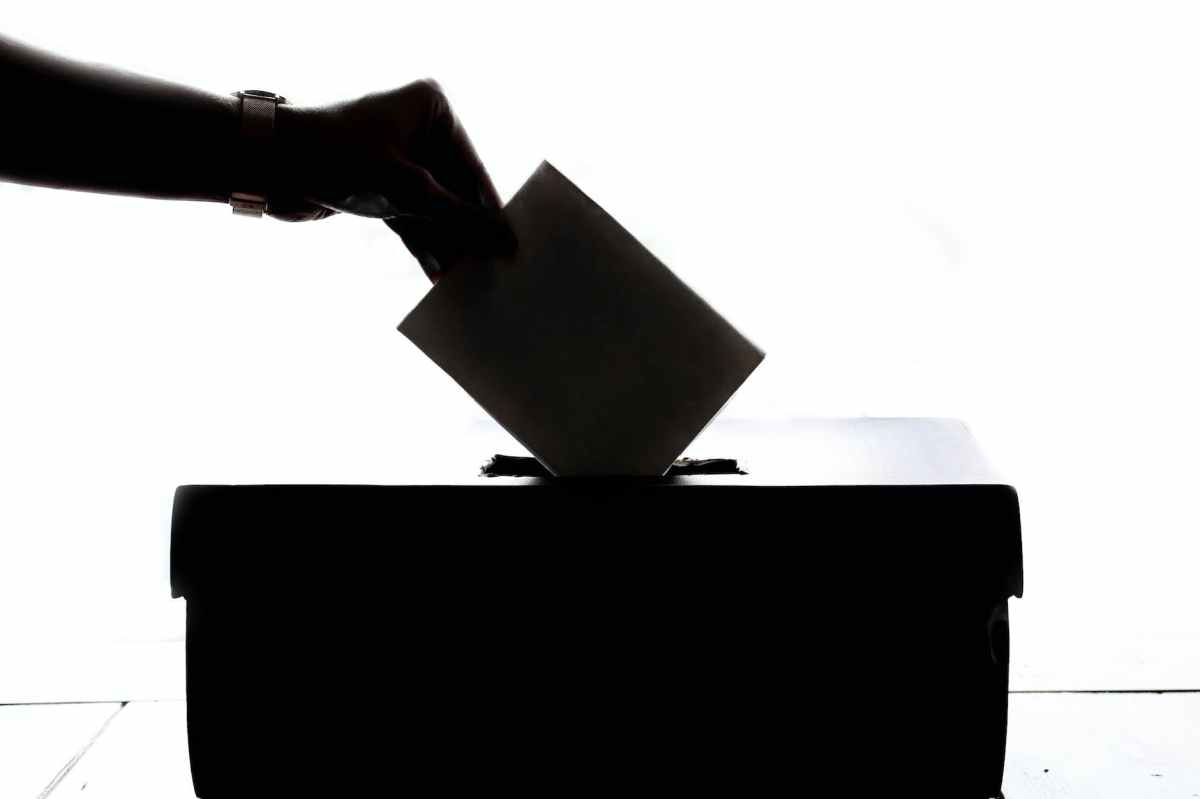
We could call them Thursday boxes. In the UK byelections take place on a Thursday. Ballot boxes and polling stations are open for the full day. This Thursday there are two important parliamentary byelections taking place in England. Both seats have been occupied by Conservative politicians and by the end of the day that may no longer be the case.
Named after the Norse god of Thunder, Thor, our Thursday is a good day to make changes. There’s the next working day to absorb the implications of any change. Then there’s the coming Monday to make a new start. The UK has stuck with Thursday as election day, with few exceptions.
One theory is that Thursday was often a market day in the towns of England. Thus, people would be gathered in town squares where polling stations could be located. This gave election candidates an opportunity to meet and treat the electorate on their way to cast their votes. Remember the voting franchise was for land and property owners over much of British history.
Fridays have been paydays. So, the voter may have been more absorbed in shopping, socialising and winding-up the working week than listening to campaigning politicians. Making a Friday visit to a polling booth a low priority. This is more the case after the passing of the Great Reform Act[1].
Now, it may be advantageous to move voting day to weekends to maximise the number of people who would be free to vote in-person. However, you could say that we have a 24-hour society and postal voting is popular, so the day of the week is no longer a big deal. It maybe the case that on-line voting will eventually take the place of the traditional in-person marking a cross on a paper ballot. That would open-up the opportunity to have a similar scheme to postal voting and open-up the ballot to more than one day.
Going back to the past, Sundays would have been reserved for religious services. That’s more political than one might first imagine. The Church of England vicar imploring parishioners to be good might also look down at the landed gentry in the front row and recommends voting in a particular way. Naturally, in a Methodist chapel, or other non-conformist chapel, down the road another congregation might be given different heavenly advice.
Has Thursday been adopted to minimise the influence of the Church or the public house? The reason for the choice of Thursday has been lost in the mists of time. That doesn’t matter so much given that there’s still some good reasons to continue the tradition.
Personally, I hope that in-person voting at a polling station will always be part of the British electoral system. However much the world around us is being digitised so that we interface with colourful Apps and websites there’s nothing quite like putting a cross in a box with a pencil.
The trail of evidence it provides and the pure satisfaction of the physical act of marking a paper must be preserved. It a ritual that emphasises the importance of voting. Even for those who choose to deface their voting papers this is an important democratic process.
[1] https://www.parliament.uk/about/living-heritage/evolutionofparliament/houseofcommons/reformacts/overview/reformact1832/

 John Vincent