
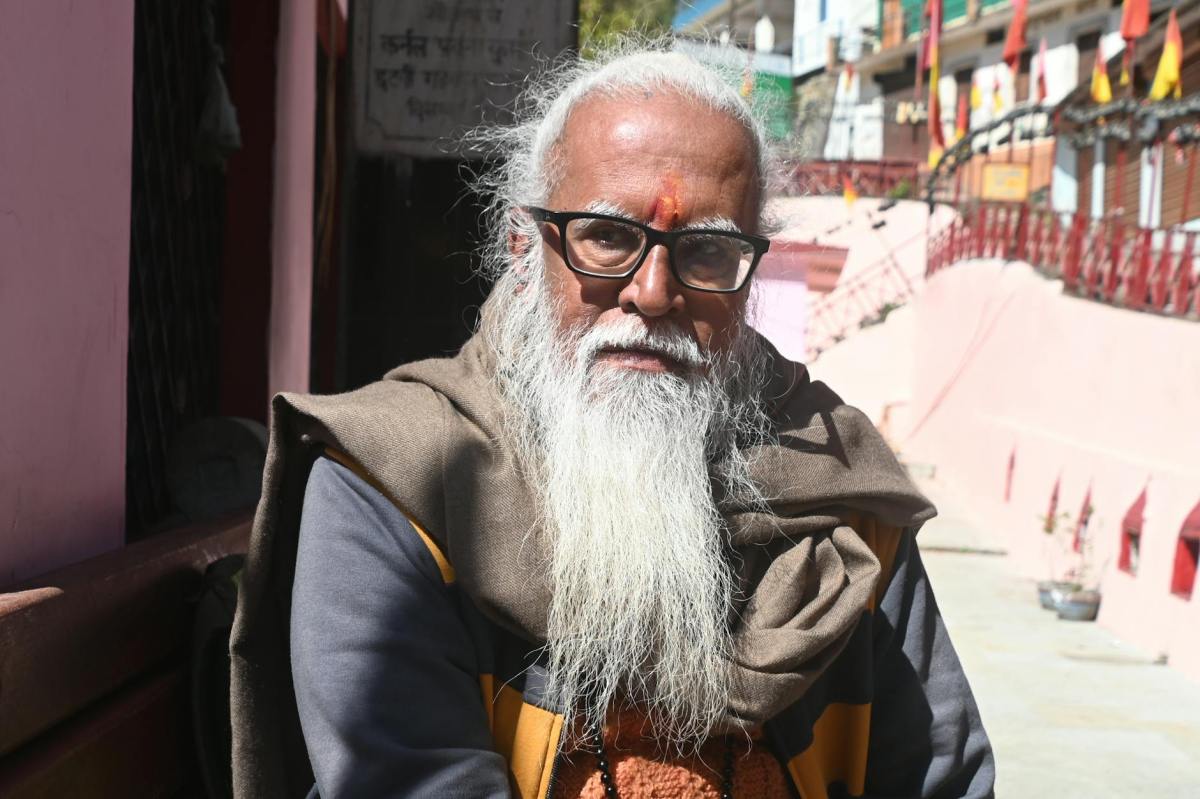
It’s ancient. This notion that as the years clock-up we accrue wisdom. At the same time a degree of mental agility is sacrificed. There may not be a lot of science in this conclusion. It’s a phenomenon well represented in several cultures are around the globe. Selectively in British culture as we’ve become cynical about wise old owls.
There are professions where a kind of guru status is acquired. There are other professions where world weary grey beards are dismissed as out-of-touch and irrelevant to the times. The medical profession heaps accolades on battle hardened consultants. In contrast, the teaching profession often kicks out expensive experienced staff for the later reason.
This makes reading the current modus-operandi difficult. Can I generalise about a transition from a state of dynamic ability to a serener period of more sober wisdom?
Clearly, not that everyone is the same. God forbid. There is certainly a myriad of cases where putting on the years has led to a distinct decline in wisdom. Without pointing out the obvious, this happens to the leaders of nations, as much as anyone else. Here’s my reflection for what it’s worth.
If I turn the clock back 20-years, then it’s immediately apparent to me that my capacity for tackling a hung variety of tasks, simultaneously, is not what it once was. I have clear memories of days being like a circus performer, spinning plates[1], moving from one to another like a star juggler. Using as much skill and mental agility as I could muster. I know, in my heart of hearts, that this is now beyond me.
By contrast, I’d like to think that my accumulation of experiences has distilled into a form of wisdom. It seems pompous to make too much of this natural process. I say natural because we are all blessed with the capacity of memory. To be able to recall when things worked and when they didn’t. The difference is whether we choose to be objective in that recollection.
In the pre-machine age this description of aging may fit the bill for a majority. As I have said, the phenomena are incorporated in long lived cultures. In fact, religion leans heavily on the role of the seasoned sage distributing their “wisdom” amongst the populous[2].
What I wonder is will this survive the machine age? If machine learning swallows up all the useable material from ages past, great and revolutionary thinkers, notable leaders and prominent artists, will it shape how we evolve?
There’s an argument about deskilling that suggest that the result of an unbelievably massive computing capability will result in dumber humans. I don’t want to go down that road. One reason is that it isn’t as if any field of knowledge is bounded (or ever will be). We don’t know all there is to know. There’s likely to be no boundary at all. Then the question becomes – can we cope with the inevitable complexity? Jury is out on that one.
[1] https://www.juggle.org/wolfgang-bartschelly/
[2] https://asiasociety.org/education/just-who-was-confucius-anyway

 John Vincent