Stop and think

Anthropomorphism is more than the world of “Alice in Wonderland”. A talking rabbit is not the least bit strange fictional tale. Our minds happily accept this as a normal part of storytelling. The anthropomorphic qualities of an animal, or an object is not so easy to explain. But we do it all the time. That is thinking of non-human objects as human in a mystical transformative way.

A teddy bear is an object. One eye, fur, fluff and stuffing however shabby. It’s an object but the teddy bear I had when I was 6-years old is something more. It has a personality. Having travelled with me, over the decades, it’s not an object to be thrown away without a thought.

Like others, I do the same with animals. Not always. Occasionally, I go to the bottom of the garden where it adjoins a grassy field. I may talk to the cows. That’s if they are grazing up against the fence. Now, I know those Dexter cows have no idea what I’m saying but that’s unimportant.

Personal computers haven’t been in our lives as long as teddy bears and animals. From the unwieldy plastic boxes that filled our desks they have transformed into tablets, lap-tops and super smart phones. These devices can be sources of great utility or, on bad days, incredible annoyance. Fliting with both times saving or time destroying.

It’s likely that a machine’s anthropomorphic qualities come out when we are most frustrated. That instantly takes me to the scene from the BBC’s Fawlty Towers[1]. It’s a memorable comic scene. It’s Basil Fawlty’s frustration peeks when his car breaks down at the most inconvenient moment possible. He gives his car a damn good trashing. The car doesn’t flinch or runaway.

Who hasn’t sworn at a computer? I’d label you untrustworthy if you answered – never. I’ve done it more times than I can remember, as if my computer could feel my annoyance. An inanimate black box, full of integrated circuits, memory chips, circuit boards, components, connectors, and multi-coloured wires.

One aspect of computing, that I can state without fear of contradiction. They don’t care. Not one bit. How can they? Caring is a human reaction.

By the way, in 1975, Basil Fawlty’s Austin 1100 Countryman (Estate) car had negligible electronics even if it was probably the car’s electrics at the root of his overwhelming frustration.

I’ve lead you down this path because the thought I have in mind is – will AI make a difference?

We humans are highly influenced by the nature of tasks. Having to read a simple advertising slogan is a million miles from learning from a dense book packed with complex detail.

It’s easy to forget that a computer has no opinion on the tasks that it’s given. Big or small. Awkward or easy. There may be ten lines of code to execute, or a thousand or millions.

My question is – are we anthropomorphising AI? When I read some articles about the future there’s a suggestion that computer code has become like the talking rabbit. It’s more than a synthetic voice composed from trillions on electrical ones and noughts. Blind we become to the reality of billions of machine instructions being crunched. Invisible is the reality of the billions of semiconductor junctions working at unfathomable speeds.

Using jazzy description like; “super intelligence” gives machines a mythical god like status. This is way off the mark in 2026. Powerful computing is truly amazing. AI is developing at an astonishing speed. That said, it’s an exceedingly long way from being anything like us. It’s true I may not be able to say the same in 2046, but we are not there now. What we can say confidently is that nature has had a head start of billions of years. And conscious creatures are vast orders of magnitude more complex than silicon-based electronics.
[1] https://youtu.be/78b67l_yxUc

It’s that season

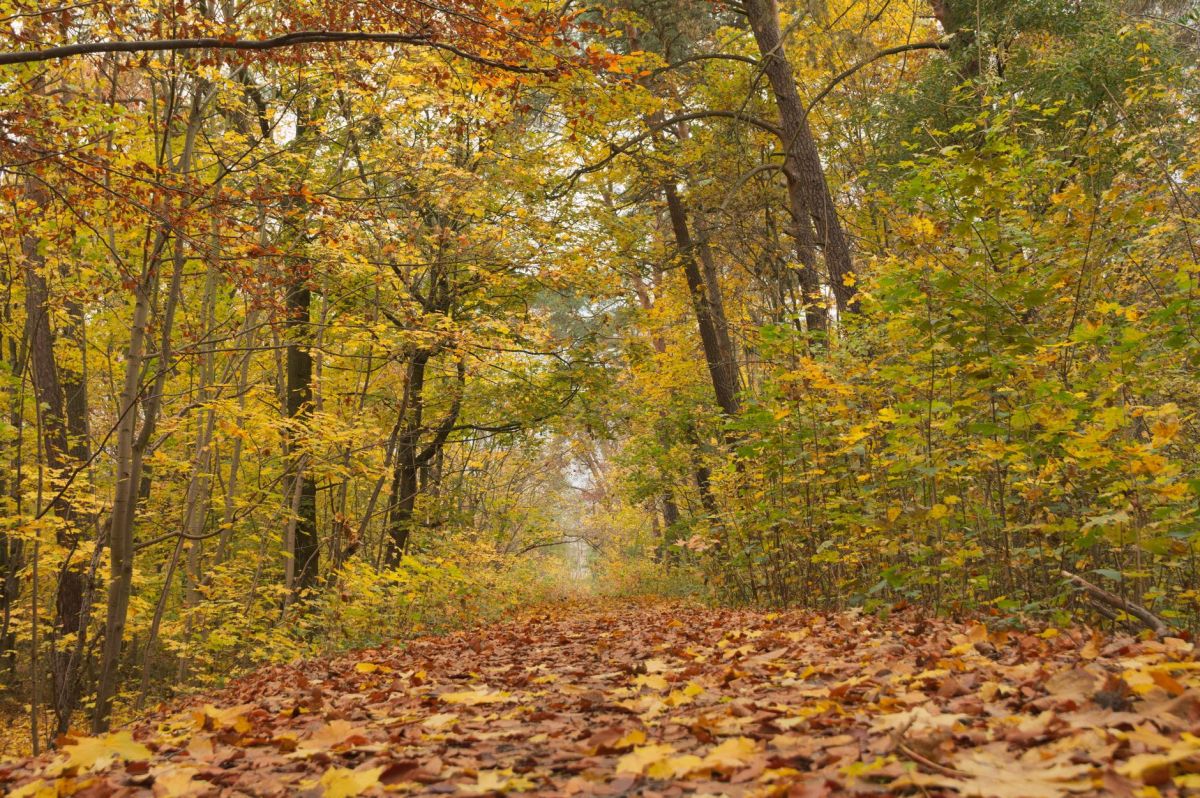
It’s a time of seasons change. Autumn is upon us. Or Fall, if you like. I’m in the Northern Hemisphere so we have just passed the Autumnal Equinox. That means 12 hours from sunrise to sunset. A time of transition. In prospect are shorter days and longer nights.

Looking out of my kitchen window the display of trees, off in the distance are starting to become a colourful array of different tones. Long lost is the crisp greenness of Spring. Nature is tunned into the cyclic dance that our planet performs. It’s not just mellow tones that characterise this month. It’s mellow moods too. A sense of summer being lost to the records of history. No longer a subject of everyday talk. Now in a long record of hot dry seasons pointing the way to more to come. Its impact remains as we wait for winter rains to refill the aquafers of the surrounding hills.

Autumn comes as the ground remains hard. Dry and difficult to dig. Some trees look eager to shed their leaves. Sadly, some are in their death throws. Southern England takes on a faintly Mediterranean cloak. Climate change heralds a shift that is painted in the landscape.

In England, this is a political season too. It’s an occasion for political parties to assemble their supporters in seaside towns and major cities. To make grand speeches and toast electoral successes. To sidestep mistakes and forget exiles and defectors.

So, just as nature is undergoing a transition, national politics tries to do the same. There’s an analogy here. It’s the unpredictability of the size of the shift from one state to another. Change is predicable. What’s not is the range, either as subtle realignment or a starquake like shock. I suppose that’s why the News media take the time to report conferences. Nothing nicer than a rumbustious argument about beliefs or a sharp rebuke of an irritating campaigner. Political party managers strain every sinew to project a sense continuity with freshness and vitality. Often the truth is far from that curated image of harmony and common purpose.

What I’m asserting is that this season no different if a socialist, nationalist, popularist, liberal, libertarian, or conservative (all with no capitals). Or any mix of these competing ideas. Anarchists and totalitarians are a little different.

Leader’s speeches are atypical conference highlights. These are intended to encapsulate the ambitions and achievements of a political party. They address woes about threats too. Rarely, if ever do they talk of weaknesses.

I listened to the complete speech of the Leader of the Liberal Democrats. It’s good to see that these political events are broadcast for everyone to watch. Our democracy depends on people being informed. Seeing events as they unfold.

Sir Ed Davey is a capable politician. His longevity in the business is testament to that fact. He’s been a national political party leader for 7 years. Out staying many other party leaders in the UK.

As leaf fall happens so the response to a speech can be written before the speech is given. Opponents have branded his efforts as the dead walking. Tough talking is portrayed as overreach. Some even find his sincere manner as embarrassing.

For me, he’s good at what he does. Trouble is that what he does is part of a legacy. He tends to always sound the same. If I look a couple of years ahead at a future UK General Election, then something new is needed for the Liberal Democrats. Now, there could be a snap election. In which case Ed Davey is ideally placed to build on past achievements. So, there’s the real gamble.

Empirical Gardening

I’d say I was an empirical gardener. The try it and see formula. I do read the label that comes with plants in pots. Well, I do say read but more often there’s a series of symbols to decipher.

Getting to know a small patch of land is deeply ingrained in my psyche. It’s a connection that I find hard to break. There are times when I’ve lived without a garden to tend every day. Even then I found myself an opportunity to tend one on weekends. When I couldn’t do that, I’d visit a garden. This is a habit it’s likely I’ll never break.

My family farming background set the scene. A childhood link to the soil. A large farmhouse garden divided by a crossroads. A concrete path that ran north-south and east-west. Each of the four sections of the garden had a different characteristic. One had the shadow of the farmhouse for much of the day. Two were bounded by the deep litter houses and one got the full force of the weather. There was a slight slope towards a lawn on the south side.

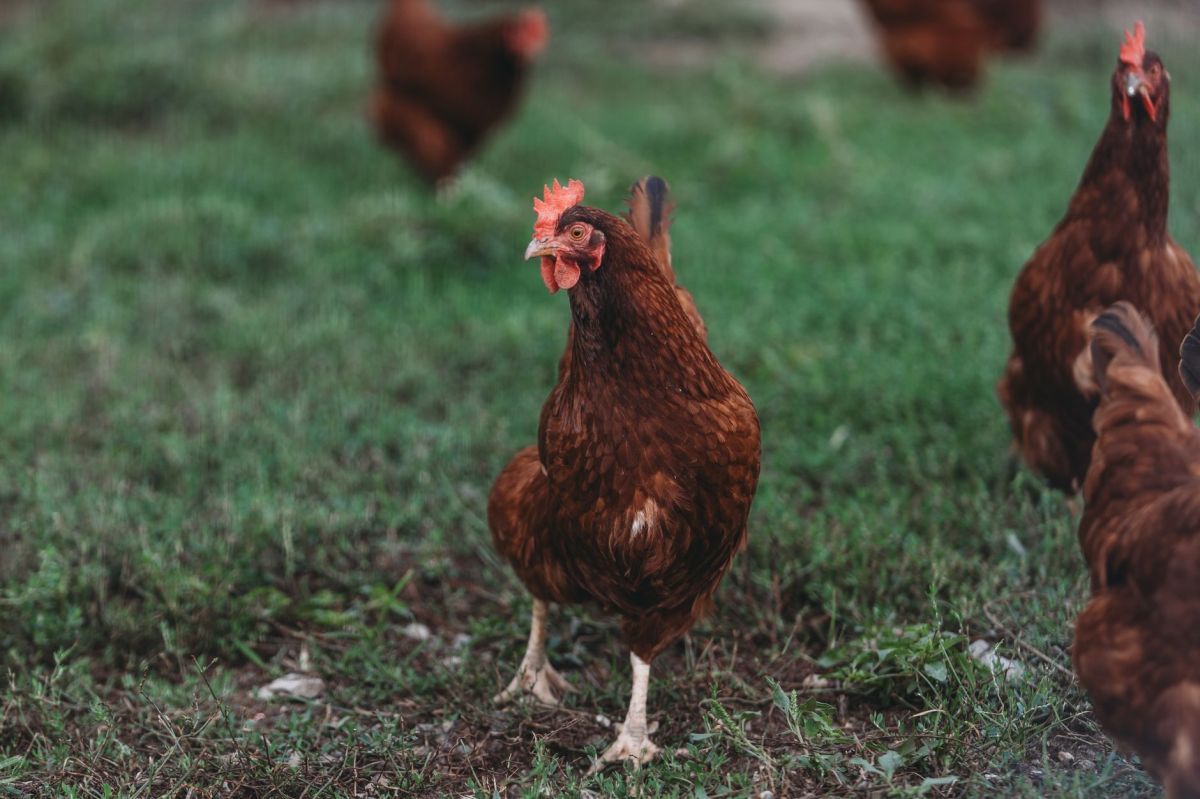
I’d better explain. The deep litter houses were the two big wooden chicken houses. They were called that because chicken droppings and bedding were left to accumulate. The compressed mass of chicken manure was dug out once or twice a year. Most often by me and my brother. Could be three foot deep or more. That’s how we earned our pocket money. It certainly was the cases that there was no end of soiling enriching compost for the garden.

During my childhood, we were not entirely self-sufficient in produce. Got close, I’m sure. There was always a large crop of beans, peas, and potatoes. This was a practical garden with a purpose. The purpose being to feed four hungry boys. Me and my brothers.

There are many differences between where I am now and the farmhouse. The one that makes the most difference to gardening is the soil. The basic geography. The drainage may have been poor, but the fertility of the farmhouse soil was unquestionable. Heavy clay enriched by generations of cultivation. Produce grew on overdrive.

Where I am now, I’m getting to know and wrestling with a soil that’s way different. Although there is a similar origin to the soil. Rivers played their part in forming both soils. The farmhouse clay was sprinkled with small sandstone stones. A positive benefit. My garden soil has pebbles and pieces of flint just enough to hit the spade every time I dig. As the water table rises in the winter both soils create a swamp like environment. As the summer sun sits overhead it makes bakes the soils but with different effects.

Here, the untilled areas compact and take up the characterises of poorly mixed concrete. Impenetrable and hard. Without water the grass dries. Only the deep-rooted plants survive. The lawn looks like an unirrigated Greek field. Where it’s tilled the soil becomes like gritty dust.

In my empirical gardening way, I’m using what I have to hand. I’ve built a series of raised beds. Mixed up a cocktail of native soil, compost, and manure. I’ve created a better growing medium. Even so, with a limited amount of water it’s mostly the deeper rotted plants that are happy.

My sunflowers have been smiling. My potatoes are miserable. Onions seem fine. Tomatoes are indifferent. Only getting started it could be that my pumpkins will be momentous.

This is only my second year working with this new plot. Prior to my digging it was a blank canvas. The whole space was lawn grass designed as one big dog run. One remaining plumb tree was the only trace of a past kitchen garden. For me this is a beginning.

Sustainability in Aviation

Conventional thinking pervades. It’s the model for seeming to be reasonable. To grow consensus and find a middle way through opposing parties. To bend in response to the wind that blows from popular opinion. Institutions are inclined to go this way. This is not surprising when an organisation is set-up to serve a large constituency. There’s the need to emphasise the parts of public policy that coincide with the mission of the institution. To push back gently against the ones that run adverse to that mission too. The Royal Aeronautical Society’s (RAeS) position paper on Airports[1] is a nice example. Here’s a few points that come to mind.

Linking Airports and Advanced Air Mobility (AAM) isn’t such a good idea. Yes, there’s the fact that Airports have infrastructure which every form of air transport needs. That’s the upside. The downside is the competing for resources and high cost of the provisions at major Airports. There’s a degree of environmental saturation that can’t be avoided.

One of the greatest opportunities for AAM is that of entirely new air transport links. Afterall, a Vertiport needn’t take up much space. As long at there’s plenty of electrical power and links with other modes of transport there are exciting possibilities.

A long time ago the commuter class of aircraft operations was created in the US. These were referred to as air taxies (fixed wing). The idea was then to open a travel market at a layer below large transport operation. It wasn’t that successful but does show mixes of types of traffic at major Airports doesn’t work out for the smaller parties.

Regional airports, and their potential, are greatly undersold. It’s wrong to see them as merely part of a hub and spoke network. What they do best is to serve their local communities. Having recently flown through Bournemouth (Hurn) Airport for the first time, it’s clear that so much can be done to spread the load and make traveling again a pleasant experience.

To me, I see the emperor’s new clothes. The case of the expansion of London Heathrow Airport (LHR) is not viable. Dressed up as an investment opportunity this continuation of incremental development is what we do badly in the UK. Environmental saturation has hit the rails. The proposers are dressing up a project that is the proverbial putting of eggs in one basket.

I don’t think the same can be said of London Gatwick Airport (LGW). In fact, squeezing the amount of capacity out of what’s there now is a feat of amazing ingenuity. Surely, that major London airport does need a genuine second runway. Even with less good than needed surface access this former racecourse has the ingredients for success.

Yes, I know it’s difficult to get away from London centric thinking in the UK. Nevertheless, that’s what’s needed to ensure the whole country thrives. Airport policies that lump everything else as “others” or under one label as “regional” aren’t tacking the challenges. The UK as major cities. Each has significant needs for air transport.

Some say that environmental objectives and Airport expansion are not compatible. The difficulties are clear to see. Each area of concern needs resources at a level commiserate with the needs. Quality of life, in and around Airports, should not be traded for economic benefits alone. Tackling air quality, water quality, on and off Airport noise, waste management, traffic volumes, overflight privacy, and enhancing biodiversity are not merely nice to haves.


[1] https://www.aerosociety.com/media/29306/raes-airport-expansion-in-the-uk-position-paper-april-2026.pdf

Human Space Travel

It’s right to point out that space exploration is not solely a scientific endeavour. It’s odd to have to point that out. I do so because there are some purists who think that money should only be spent of space exploration if there’s a tangible scientific gain to be had. This thinking goes back to the agreement that public funds should only be spent of Earthy concerns. A glance at the extensive list of trouble that persist around the globe is one reason to focus on Terra firma rather than up at the heavens. That said, the choice is rarely simple.

Then there’s the accusation that exploration, of any kind, is intrinsically imperial. Powerful entities looking for sources of future dominance and wealth. This is not entirely wrong given humanity’s history of plundering resources from wherever they come. Minerals and trade routes being a couple of the primary sources of interest. A strong political will can be amassed to compete to be first to get a foothold on new territory. Despite all the above there’s something more complex going on.

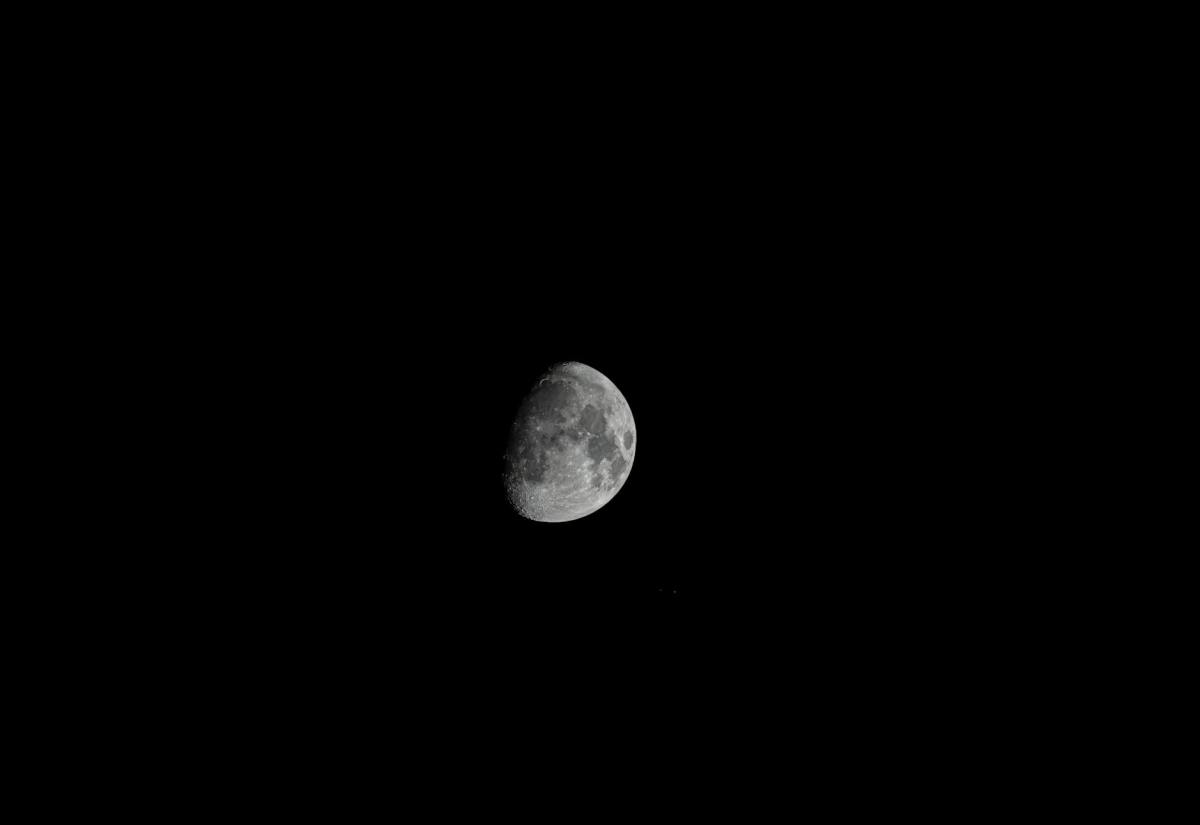
The recent Artemis II space mission may not have been a great boost to humanity’s scientific knowledge. This adventurous lunar fly-by mission was more about proving technology than gathering an abundance of discoveries. Afterall, the far-side of the Moon can quite adequately be surveyed by automated spacecraft. Much as is being done by robotic machines on Mars.

I think there’s little doubt that 1st to 11th April 2026 will be recorded in the history books. If for no other reason that the gap between the Apollo space missions and Artemis. Like so many schoolboys in the 1960s, I watched those black and white TV images of men on the Moon, as they happened. I became an engineer. Would that have happened anyway? Probably, but I’m not discounting the inspirational impact of the Apollo missions.

[What would we ever do without the writings of the ancient Greeks and Romans. Certainly, naming new space missions would be a lot harder.]

Do we need crewed missions in future? Given the advances in automation and autonomy that have taken place in the last 50-years, so much can be achieved without the need for humans on-board a spacecraft. However, this is not a binary argument. There are, and always will be, the need to take human experience to the absolute limits. President Kennedy cited George Mallory for a reason to explores space, “Because it’s there,” he said.

The simple notion that humans should be constrained and confined to Terra firma runs contrary to our intrinsic nature. Although societies do become more risk adverse as they acquire the comforts of economic success, there’s still an appetite for exploration even if it entails great safety risks. The allure of being the first does not diminish.

Ideally, the combination of adventure and discovery go hand in hand. Space exploration is not just indulging the most adventurous amongst us. Thus, I go back to my proposition that there something more complex going on.

The ancient Greeks and Romans could help. For what is humanity’s destiny? Ad Astra has a meaning. Far more than the movie of that name. Not one of my favourite movies either.

There’s an inevitability that humanity will go to the stars. That is, if in the meantime wars or environmental degradation do not consume us. Exploration is part of a natural progression of intelligent life. It maybe (likely to be) happened elsewhere in the universe too.

The False Dichotomy

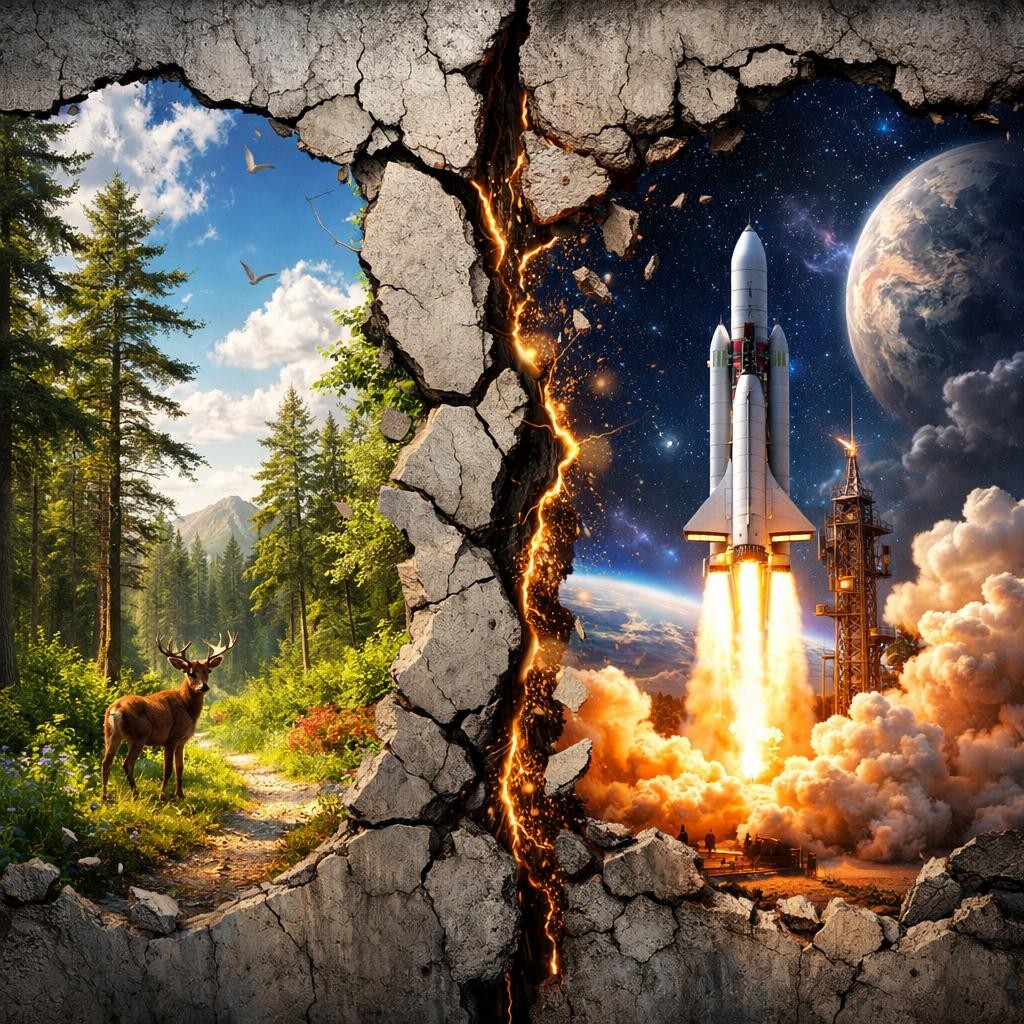
Like a clock work toy. Wind them up and away they go. It goes something like this. Space exploration is a waste of scarce resources. We’d better spend them fixing problems here on Earth. Compare and contrast as if a viable choice was just to move piles of money from one place to another. This line of argument is favoured by nationalistic green politicians and liberal journalists tasked with filling newspaper column inches. A bunch of academics like to jump on the bandwagon too.

They like to divide the world into billionaire technologists ardently in pursuit of progress at the expense of everyone but themselves and open-toed sandal shoed environmentalists who’ve inherited the legacy of 1970s hippiedom. These two exists, of course, and they have influence, but they are oddities to most people.

So, much of the debates that fill the media are carved out of planks of wood. As if there are only ever two sides to every argument. Two choices to make. Two views open to debaters. As a good liberal, I must reject this dichotomy.

However, to address the subject, I’m corralled into the compare and contrast stock yard.

On the one hand, the environmental challenges before humanity are such that they need ardent attention. The stupidity of “drill baby drill” is mindbogglingly thoughtless. Stupid at a level it’s difficult to comprehend. It’s true that taking short term gains that lead to long term pains is not new. It’s one of humanities troublesome failings. Surely, we can learn from history.

On the other hand, Exploration is human. From the moment primitive bipeds took off across open plains we’ve wanted to know what’s over the horizon. What’s around the corner. Are there opportunities or threats? It’s linked with the fragility of our existence. Space isn’t a boundary that puts a stop to this curiosity. We must see with our own eyes. 

Now, I’ll demolish the false dichotomy. Both above, to degrees, need to be respected. Both can be seen through the lens of human imperatives – safety and security. In fact, to an extent both are linked.

Understanding how to mitigate the negative impact of our technology, we need to develop better ways of doing business. Solar power is an example.

The fate of our planet is better understood by studying other planets, and our own from space. Nature presents itself in a myriad of complex different formula across the universe.

To get away from the either/or mentality there does need to be a marshalling of political will. This is probably the greatest challenge at a global level. I believe we can both confront climate change and progress human exploration. It requires imagination.

Wisdom vs. Agility

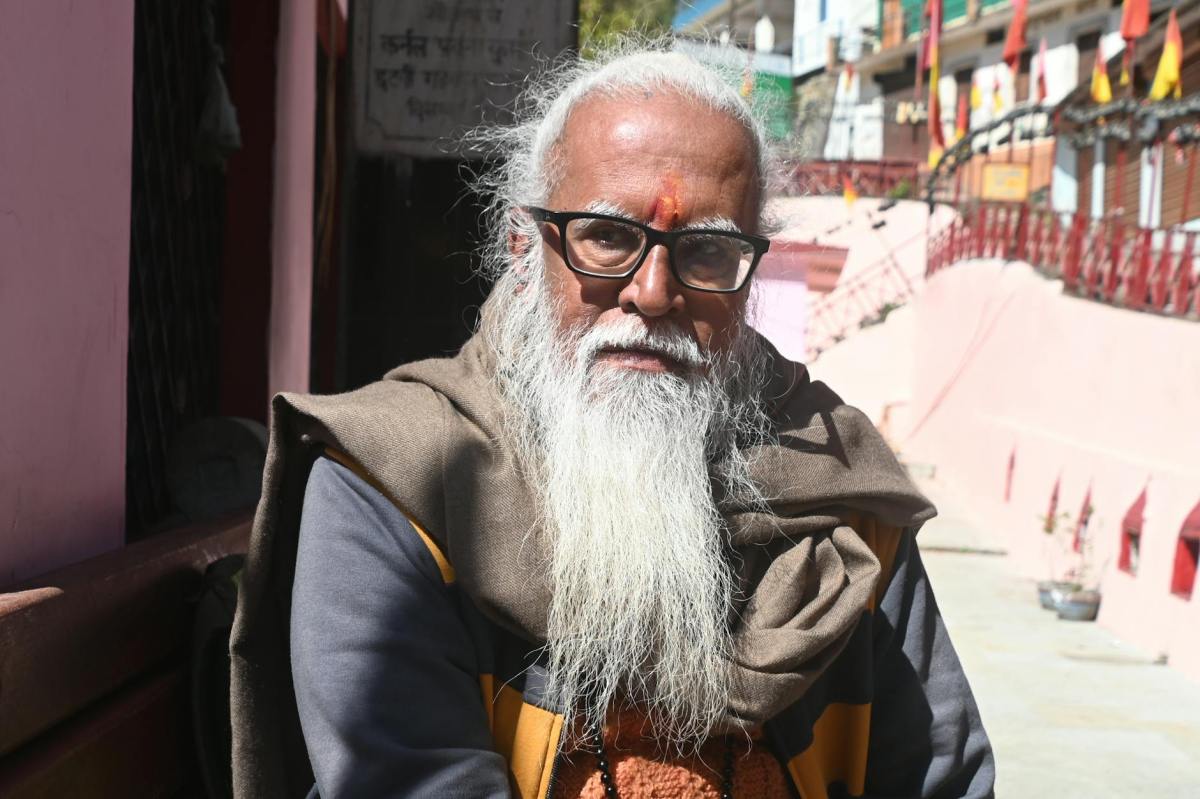
It’s ancient. This notion that as the years clock-up we accrue wisdom. At the same time a degree of mental agility is sacrificed. There may not be a lot of science in this conclusion. It’s a phenomenon well represented in several cultures are around the globe. Selectively in British culture as we’ve become cynical about wise old owls.

There are professions where a kind of guru status is acquired. There are other professions where world weary grey beards are dismissed as out-of-touch and irrelevant to the times. The medical profession heaps accolades on battle hardened consultants. In contrast, the teaching profession often kicks out expensive experienced staff for the later reason.

This makes reading the current modus-operandi difficult. Can I generalise about a transition from a state of dynamic ability to a serener period of more sober wisdom?

Clearly, not that everyone is the same. God forbid. There is certainly a myriad of cases where putting on the years has led to a distinct decline in wisdom. Without pointing out the obvious, this happens to the leaders of nations, as much as anyone else. Here’s my reflection for what it’s worth.

If I turn the clock back 20-years, then it’s immediately apparent to me that my capacity for tackling a hung variety of tasks, simultaneously, is not what it once was. I have clear memories of days being like a circus performer, spinning plates[1], moving from one to another like a star juggler. Using as much skill and mental agility as I could muster. I know, in my heart of hearts, that this is now beyond me.

By contrast, I’d like to think that my accumulation of experiences has distilled into a form of wisdom. It seems pompous to make too much of this natural process. I say natural because we are all blessed with the capacity of memory. To be able to recall when things worked and when they didn’t. The difference is whether we choose to be objective in that recollection.

In the pre-machine age this description of aging may fit the bill for a majority. As I have said, the phenomena are incorporated in long lived cultures. In fact, religion leans heavily on the role of the seasoned sage distributing their “wisdom” amongst the populous[2].

What I wonder is will this survive the machine age? If machine learning swallows up all the useable material from ages past, great and revolutionary thinkers, notable leaders and prominent artists, will it shape how we evolve?

There’s an argument about deskilling that suggest that the result of an unbelievably massive computing capability will result in dumber humans. I don’t want to go down that road. One reason is that it isn’t as if any field of knowledge is bounded (or ever will be). We don’t know all there is to know. There’s likely to be no boundary at all. Then the question becomes – can we cope with the inevitable complexity? Jury is out on that one.


[1] https://www.juggle.org/wolfgang-bartschelly/

[2] https://asiasociety.org/education/just-who-was-confucius-anyway

The most important invention in your lifetime is…

A standout invention is one that is enduring. It’s celebrated. It shapes what comes next. It addresses an issue that’s been there for a long time. That just it – time.

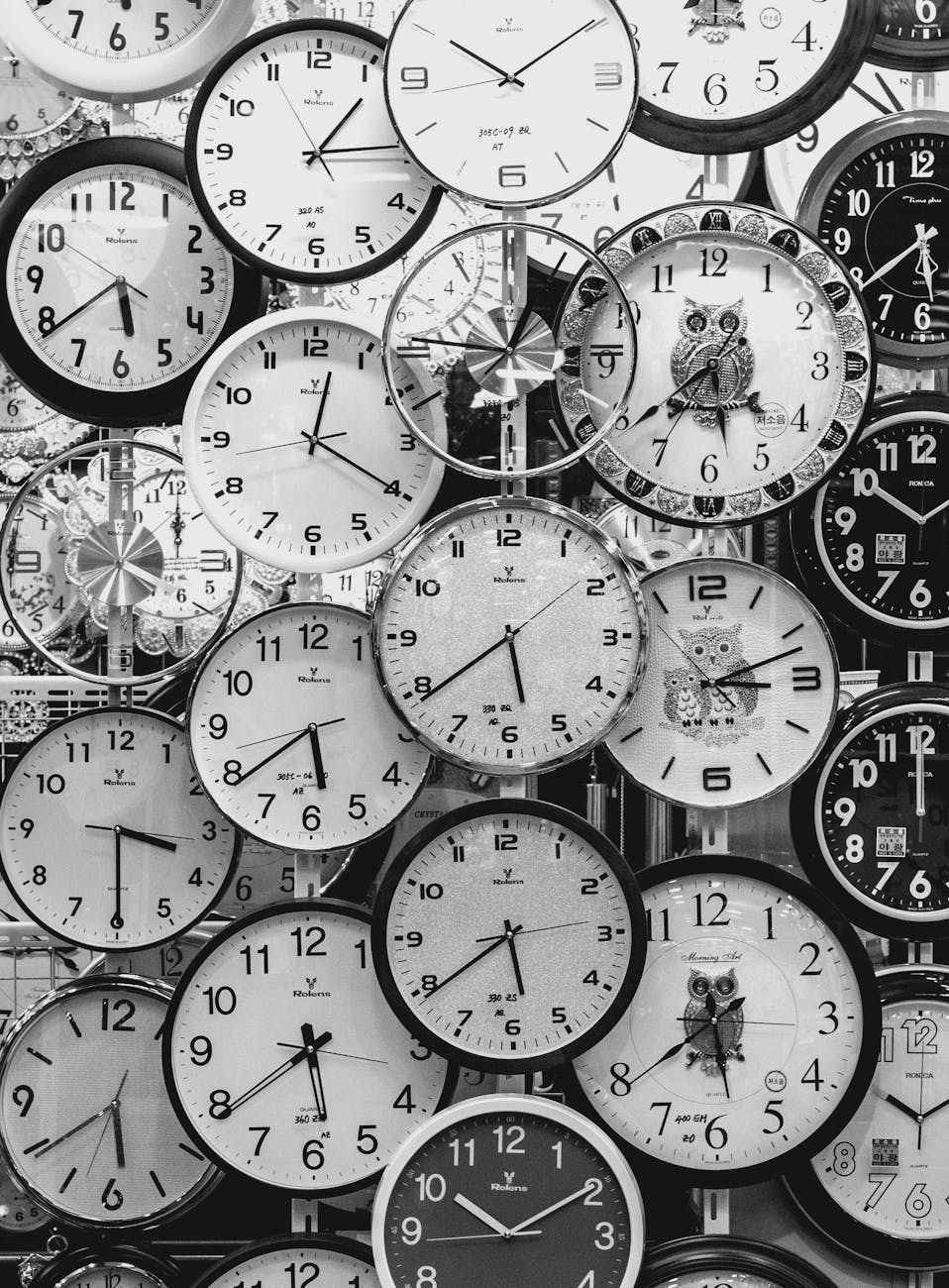
I’m stretching the intent of the question a bit. Invitation doesn’t always have a single moment of realisation. Theory and experimentation come together to show promise. It’s latter that practical applications start to flow from that innovation. For me, the key invention is the beginnings of atomic time. The ability to measure time with precision.

Now, we know that past, present and future are the way we experience time. Not time itself. Having create clocks that gain or lose less no more than a second in billion years is an astonishing feat.

Today, a great deal of the infrastructure that surrounds us, and we hold in our hands, depends on precise time. Communication systems exploit it. We navigate using this asset. Society has been and will continue to be transformed.

Yet timekeeping systems have not reached their limit.

Generational Differences

I believe the Scottish word for it is – Dreich. With that spelling it almost sounds German. I’d pronounce it as dreek. What this means is the weather is dull, damp, gloomy, and miserable. Overcast, wintery, with intermittent drizzle and rain never seeming to give up. Couldn’t be a better word to describe it – Dreich.

That was yesterday. There’s a good chance that today will be the same. Not unusual for February. That said, the cumulative impact is that the ground water is rising and the rivers are topped right up to the brim. That rock hard, dusty, tinder dry summer of last year is as if it was a million years ago. What water shortage?

Outside the bird life is flourishing in these damp conditions. I saw a large white Egret was doing a morning stroll oblivious to the drizzle. Up top a tall dead tree a Cormorant was surveying its territory. Ducks are playfully buzzing around the river’s edge. The Canadian Geese are doing what they do every day. Foraging for anything of interest.

It does not good to complain about this uninspiring weather. Although it’s a cultural phenomenon, the weather is the biggest sources of small talk in this country. “You’re not made of sugar, get out there and do something”. I maybe miss remembering these parental words. It’s clear that mulling around indoors and constantly whining isn’t a good formula for mental health.

Add to the gloom and despondency the daily dose of British politics. So many of us had hoped that replacing one group of deafening incompetent politicians with a duller set would mean that stuff gets done. The boring, but necessary, tasks of governing would be accomplished without endless calamities. Faint hope.

For lunch, to escape the incessant rain, I sat down in a coffee shop. The place was busy. Everyone coming in to get out of the rain. Shaking off umbrellas and drying out raincoats. I had to look around to find a comfortable place to sit. Near the entrance. Next to me were an older couple and their granddaughter. It’s impossible not to earwig in such situations. We exchanged a couple of polite smiles.

Here I recount what fascinated me about the generational gap. The young girl didn’t put her mobile phone down once, in so far as I could see. It was clear from the conversation that she was not allowed to use her mobile at school. Phones were confiscated. If my observation indicates anything, it’s that banning phones just mean more mobile phone use when the opportunity presents itself.

Politics reared its head in their conversation. The granddaughter was monosyllabic about the subject. Maybe it was one she studies at school. She carried on scrolling. Unsolicited grandfatherly advice came across the table. To paraphrase – You should watch that man Jacob Rees-Mogg on GB News. He speaks very good English. He makes a lot of sense. The young girl carried on scrolling.

Oh brother! There’s a generational gap summary in a couple of rainy-day minutes.

I had one grandfather on my mum’s side. On my dad’s side my grandfather died relatively young. Both were West Country farmers. The grandfatherly advice I got was more to do with hard work. Not so much to do with politics. That is except for amusement about the hippies that turned up at the village of Pilton every year. That became the Glastonbury festival. Given that my grandfather had experience of the First World War, that must have been quite a contrast.

Gardens and a mighty river

Let’s mix three interests of mine. It’s Monty Don[1] I must thank for this one. He’s recently been seen in a series that tours the Rhine searching out gardens of interest. His travels along the mighty Rhine in Germany brough him to a couple of places that I’m familiar with even though he left out one or two that are dear to me.

The three interests are travel, politics and gardening. A TV presenters’ job is a nice one to have when it opens the world to others. Glimpses of fascinating places and gripping stories.

Often over a weekend, by car or train, I’d explore the Rhine River between Cologne and Koblenz. In Cologne the river valley is wide, spreading leisurely over kilometres. In Koblenz it’s narrow with step sides dotted with vines clinging onto the rocks. The river’s dramatic landscapes have an identity that’s special.

Shame that Monty Don didn’t stop in Cologne, but I can imagine that there was a lot to squeeze into the time they had allotted for filming. He did stop in Bonn and started to tell the story of the modern history of that region. Bonn being the capital city of former West Germany.

Rhöndorf, Konrad Adenauer’s house and garden sit in stunning scenery overlooking the river[2]. It’s a place to visit for those with an interest in modern history, political life and the relaxation of gardening. Monty Don took the time to stroll around and talk about the roses and the drama of the life of Germany’s first chancellor after the war.

Further down stream Cologne was bypassed for a stop at the former industrial heartland of steel and coal. My advice to Monty Don would have been don’t miss the Botanical garden in Cologne[3]. This is a lush green and open space in the city that I often walked and stopped for a coffee. It’s easy to get to by tram being right next to the Zoo in the North of the city.

In the early spring the camellias are stunning[4]. It’s such a great experience for lifting one’s spirits after a dull wet winter. Go to the Botanical garden are revel in the bright colours.

The gardens are a mix of French, Italian and English influences. A quick reminder of the ebbing and flowing of influences that have swept the Rhine lands over the centuries. Don’t miss it.


[1] https://www.bbc.co.uk/programmes/m002px5m

[2] https://adenauerhaus.de/en/visit/rhoendorf

[3] https://www.cologne-tourism.com/arts-culture/sights/detail/flora-and-botanical-garden-cologne

[4] https://internationalcamellia.org/en-us/europe-gardens-of-excellence/flora-cologne-botanic-garden