
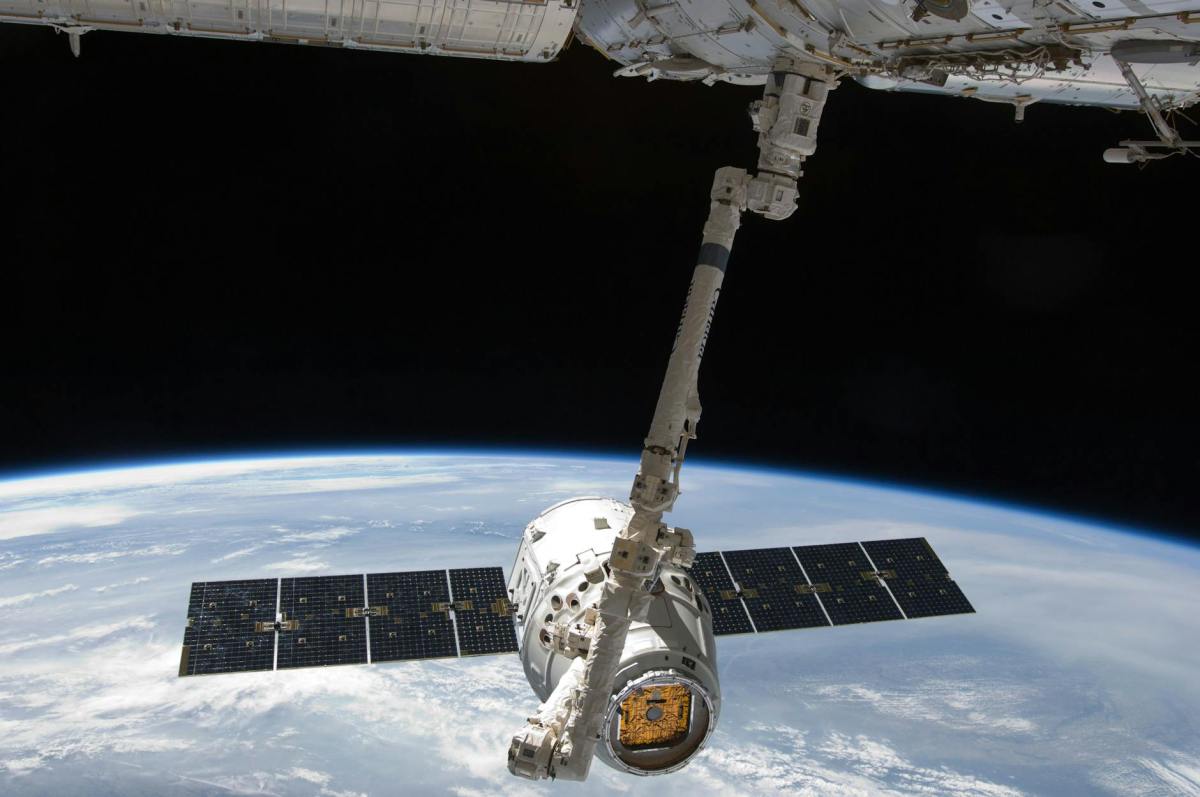
Words count. Even so, this is the age of the image. An almost infinite variety of pixels arranged to capture a moment in time. That’s what has come back from the Moon along with the safe return of the astronauts last night. When I switched the radio at around one in the morning the story was unfolding. Methodical commentary following s flight back to Earth step by step.
There’s nothing like live suspense. The Moon mission was not complete until the safety of everyone involved was assured. Along with launch, re-entry into the Earth’s atmosphere is still the biggest challenge in human space flight. As happened with the space shuttle tragedy, it feels doubly tragic to successfully undertake a mission and not make it home.
Outstanding design, meticulous planning, precision execution and good fortune all come together to make a transition from the void of space to the surface of Earth a success. It’s been said a lot of times; surely there’s a better way of getting home. Hurling a capsule along a path, to make a trajectory at incredible speed, heating like a furnace, is necessary but has an element of crudity about it.
The method used to re-enter the Earth’s atmosphere works. What’s unsettling is that it’s a million miles from the fanciful methods that are frequently depicted in science fiction. Almost as if nature is adverse to humans leaving the planet. Earth’s atmosphere is the greatest asset life has but it’s also a tough barrier. Transitioning it will never be simple.
Various imaginative ideas have been presented over the decades. Yet, they are picture perfect illustrations and little more. For example, the space elevator[1] is a viable concept. The downside is that humanity does not have the technology to make it work. If it did the problem would be marshalling the international cooperation needed to make it possible. Then sustaining that cooperation for generations.
Today we are stuck with methods that are one shot technologies. Costly and throw away. Huge rockets that are discarded. Spacecraft that become museum pieces, if the make it back.
It occurs to me that I have been born into the space age. An age when humanity is taking baby steps exploring the practically infinite. To go further a next step, maybe decades ahead, will open greater possibilities. For now, the sheer cost of coming and going from space will shape everything that is done.
The prospect of commercialisation is real. Depending solely on State entities to fund every mission has sever limitations. However, the commercial enterprises that can take on the challenge of space flight are few in number. What’s needed is a construction of regulatory frameworks that fairly and soundly distribute both costs and benefits for future projects.
I’d place emphasis on this work needing to be for all humanity. Not easy to do given the global history of commercial enterprises. Having a new East India Company[2] for space exploitation is not an attractive prospect.
[1] https://science.howstuffworks.com/space-elevator.htm
[2] https://en.wikipedia.org/wiki/East_India_Company

 John Vincent