
 Anytime something goes badly wrong its human to look around for something or someone to blame. It often a destructive emotional human response to a grim situation. However controlled, objective and rational you maybe its remarkably difficult to hold back and think through what’s going on without the temptation to lash out. The closer a person is to the event in question the stronger the response. After all its one thing to watch an accident unfold on a smartphone and its quite another to see it impacting people all around you.
When something bad happens, there are a need not only to deal with the essential first response, like putting the fire out or the search and rescue activities but the emotions and feelings too. Brexit can be described as a car crash in slow motion. It’s a crash that involves more than 65 million people in Europe. Its consequences go much wider than that and truly send ripples around the globe. Advocates of Brexit, naturally don’t see it like that often because of their intense emotional vow to see the crash course through to the bitter end. Unfortunately, what we are seeing now in the daily news is a welling up of finger pointing blame peppering reports left and right.
I’m astonished to read that the UK Chancellor Philip Hammond is playing the blame game at such an early stage in the new year. In reports, accusing the others of paranoia, at a time when negotiations between the EU and UK super sensitive, is to invite finger pointing. Conservative Ministers seem wholly unable to offer reassuring messages and project a positive vision of the future.
There’s no doubt that there’s a growing ground swell of opinion in the UK that wishes there to be a second referendum on the question of EU membership. That is the fairest and most reasonable way forward in what is a situation that is going badly wrong. The people should be given a choice based not on theory, outlandish claims and brash polemic shouting but on the hard facts of a EU/UK deal.
The action that is democratic, respectful of the scale of the decision and soundly based on clear alternatives is a referendum on the results of negotiations. This would be a first referendum that transform and turn around a destructive phase in our history. If the EU/UK deal was accepted by the electorate then the Country could go forward with some unity. If the EU/UK deal was rejected our leadership role in Europe will be re-established and the focus return to fixing the NHS, housing people and ensuring opportunity for all.
So, lets’ ditch the blame culture that has engulfed Westminster. It’s time for great vision. Its time for clear choices and time to trust the people with the facts.
 I keep seeing the word “bespoke” in articles written about Brexit. It’s the unspoken strategy of the UK Government for a tailored outcome to negotiations that is unique in its advantages and unlike any existing agreements the EU has with third Counties. On the one point, there’s no doubt the UK’s position is unique. To have been a big player in the EU for 40 years and then to leave it without a compass or a map is a special situation.
 Can I say anything good about Brexit? The answer is emphatically “no” but….. Intriguing is the “but”. Yes, it’s often the last part of the sentence that’s the most interesting. Bit like learning German. Having to listen to the whole sentence before you can figure out what’s going on. Anyway, I digress. I’d better rephrase that question like so; is there anything positive that supporters of Brexit and I might like? Well, yes, maybe there is but there are better ways to get to it than Brexit. We can do without all the jingoistic nationalism that Brexit is wrapped in.
 Why do things fail? Now, in a technical sense, I’ve had quite a long experience finding out. Accidents, incidents, breakdowns, crashes, catastrophise, mistakes, mishaps, errors, call it what you will – “to err is human” (to forgive divine) so the English idiom goes. Never will there be a time when we get everything right all the time. Don’t be misled. That idiom is not pessimistic, as if to say there’s nothing we can do, in a fatalistic way.
 It’s a biblical quote: “A house divided against itself cannot stand” and it was used by Abraham Lincoln in Springfield, Illinois on 16 June 1858. In a speech against slavery, he said: “I believe this Government cannot endure, permanently half slave and half free.” Lincoln was right but at that time he was heavily criticised for his courageous remarks.
 So, what might be on the road ahead? It’s clear, the road behind is littered with failures and mistakes but we have the capacity to learn from what went wrong in 2016 and 2017. The year ahead is a great opportunity to make amends. It’s the verge of the New Year and I’m happy to indulge in one or two predictions for 2018.
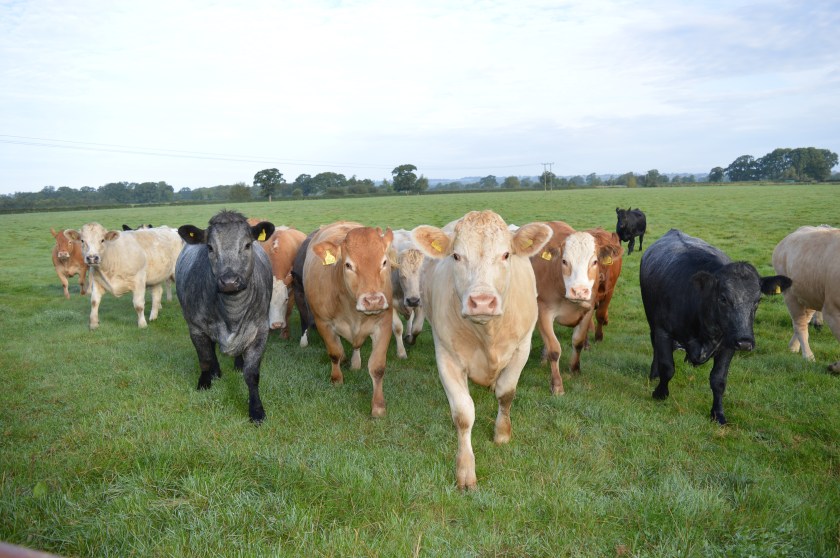 A couple of subjects have come up during the week. Both have implications for British agriculture of all shapes and sizes. One is immigration and the other is State subsidies.
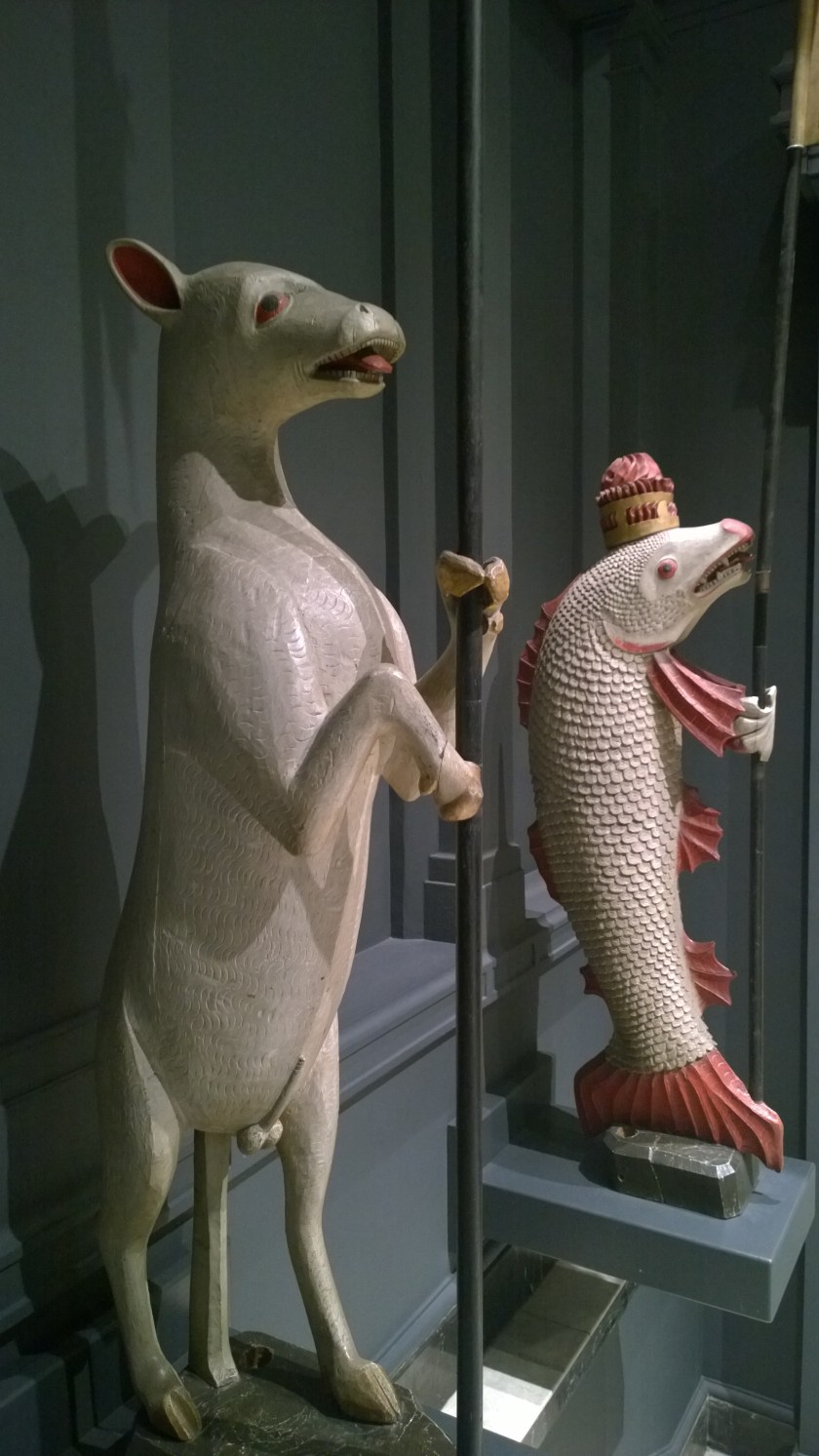
 When I hear Mogg, May, Fox, Hannan and other right-wing Tory politicians talk it reminds me of the fable of the scorpion and the frog. Actually, that’s not quite true because, although that fable was deep in my subconscious somewhere, it wasn’t until my wife remined me of it that it truly came to mind.
 I shouldn’t start a sentence; whether we like it or not. It’s too easy to say that a state of affairs is unchangeable and give no proof to that effect. C.S. Lewis said: “Whether we like it or not, God intends to give us what we need, not what we now think we want.” I don’t agree with him but there it is again; no evidence needed because God is invoked.
 Given the realisation that Brexit leaves a bad taste in people’s mouth and slowly but surely the public are turning against the politicians who are driving the Country off the cliff, its surprising that those who choose a different course of action are not having more success. When asked: Brexit would you vote the same again? It’s clear many people have changed their minds but why are they not being adequately represented?
 John Vincent