
British cars moved on. Pun intended. The clumpy shapes of the 1960s were replaced by more racy lines in the 1970s. The demand for higher performance became part an aspirational fashion. In this century our ecofriendly instincts have taken over. Back in the mid-70s, being green was not mainstream. Fuel consumption was noted but lost in the numbers. Now, it would be untenable but then lead in petrol was normal[1].
I don’t know what came over my dad. We migrated from loyalty to the Wolseley name to something completely different. I guess the experience of the wallowing monstrosity of the Wolseley 18/85[2][3] was too much. Yes, we had one. I see that petrolheads nickname that car type the “land crab” and that’s a good summary of how it behaved. That generation of BMC cars had an innovative suspension system responsible for oceans of car sickness.
As we got to the late 1970s, something must have snapped. It could have been that the farming year had been a good one. What came next was a sporty saloon that wasn’t just a family transport.
A bright white Triumph Dolomite Sprint[4], much like the ones the police used to chase speeding motorists then became our pride and joy. It’s remarkable to think that I took my first driving test in that car. My theory is that’s why I failed my first test on the quiet streets of Yeovil. It wasn’t my driving ability as much as the reaction of my instructor. He was sane man. I imagine him thinking, no way am I going to pass this cocky 17-year-old lad in this flashy Dolomite Sprint.
Here was a car with kerb appeal. There were few at a time when British Leyland was failing badly. Britain’s car industry was sliding into oblivion. Standing out, the Dolomite Sprint was a British high-performance saloon car capable of matching its foreign rivals. Much as I liked that sporty road car it’s the story of the Wolseley 16/60 that I have in mind.
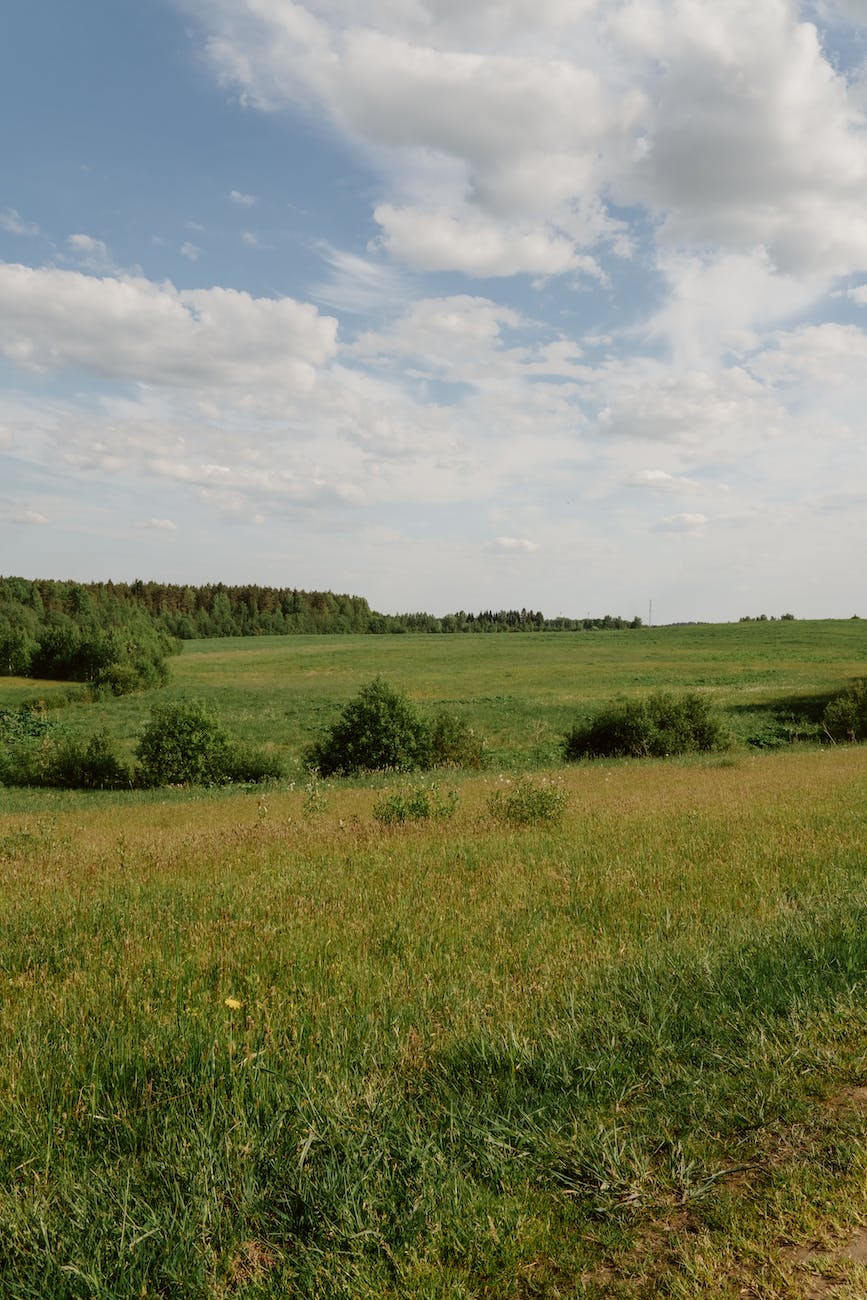
The joy of living on a farm was the open space. Green fields surrounded us. At the times of the year when the mud wasn’t knee deep that meant a readymade racetrack. Long before I took to the public roads officially, my friends and I drove a series of bangers to destruction. No such thing as health and safety. Only the occasional disapproving look.
One of our best bangers was an Austin A35 van that a couple of friends bought from a local schoolteacher. It had been used as a chicken shed but the engine was sound. Before that motor came along, we had a maroon Wolseley 16/60. Rust was the big enemy of cars in the 70s. So, picking up an MOT failure for five quid was easy enough to do. The fields were somewhere to keep it.
If I recall, correctly the Wolseley had a 3-speed gearbox with a steering column change. Not only was the car peppered with rust holes, but the gear change rods never connected properly. It could be driven in first and reverse or second and third gear but never the two together. The poor car died as a friend drove it to hell in first gear. A robust slogger the BMC “B” series engine was no racer.
Thus, two Wolseley 16/60s were part of my past. One as a child passenger and the other as a part in a Mad Max movie made in Somerset. Shall I tell you about the Wolseley 15/50? Maybe not.
[1] https://www.bbc.co.uk/news/business-40593353
[2] https://en.wikipedia.org/wiki/BMC_ADO17
[3] https://www.wolseleyregister.co.uk/wolseley-history/blmc/1885-six/
[4] https://www.classiccarsforsale.co.uk/reviews/classic-triumph-reviews-dolomite-sprint

 John Vincent