
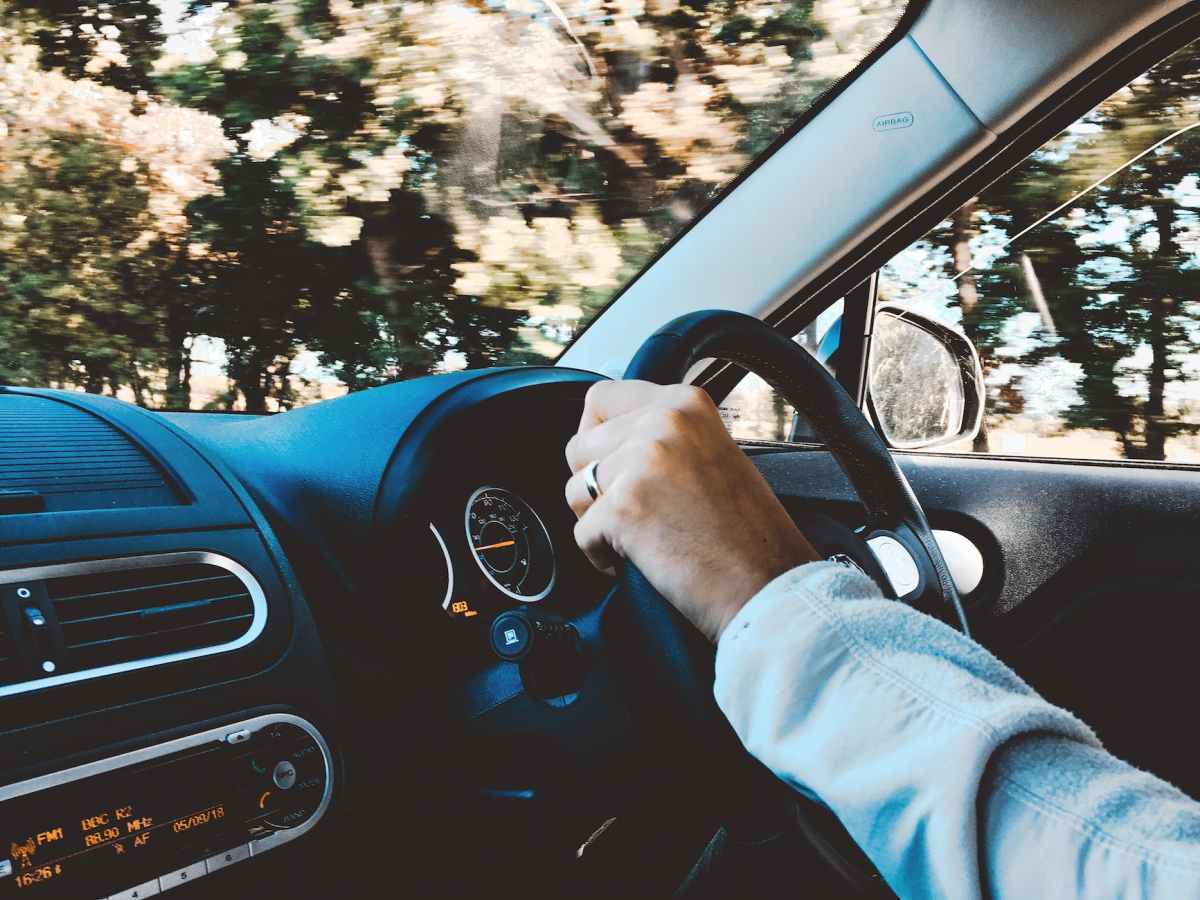
Driving back from Christmas. That’s not a Chris Rea song. Although, he did write “Driving home for Christmas[1]” while stuck in heavy traffic. I expect the feelings are similar – moving down the line. It took some time. Redlights flickering everywhere. Looking at the drivers next to me – looking just like me. Looking stoic or miserable or both.
Our carborne irritations were trivial when compared with the conditions in Scotland. We didn’t get 80 mph winds. At least the snail’s pace of the traffic on the main A303 was a snail’s pace. Inch by inch we moved closer to where we wanted to be. No streetlights on the jammed part of the A303, yesterday. The light went up and down with the heavy cloud cover. Colours ranging from gloomy grey to even gloomier dark grey.
Windborne debris, litter, like discarded crisp packets, set off on journeys of their own. Waterfilled potholes blended into the grey of everything. Crushed traffic bollards popped up as if they were growing amongst the sodden grass verges. Occasional motorcyclists took their life in the hands as they weaved amongst dozy drivers.
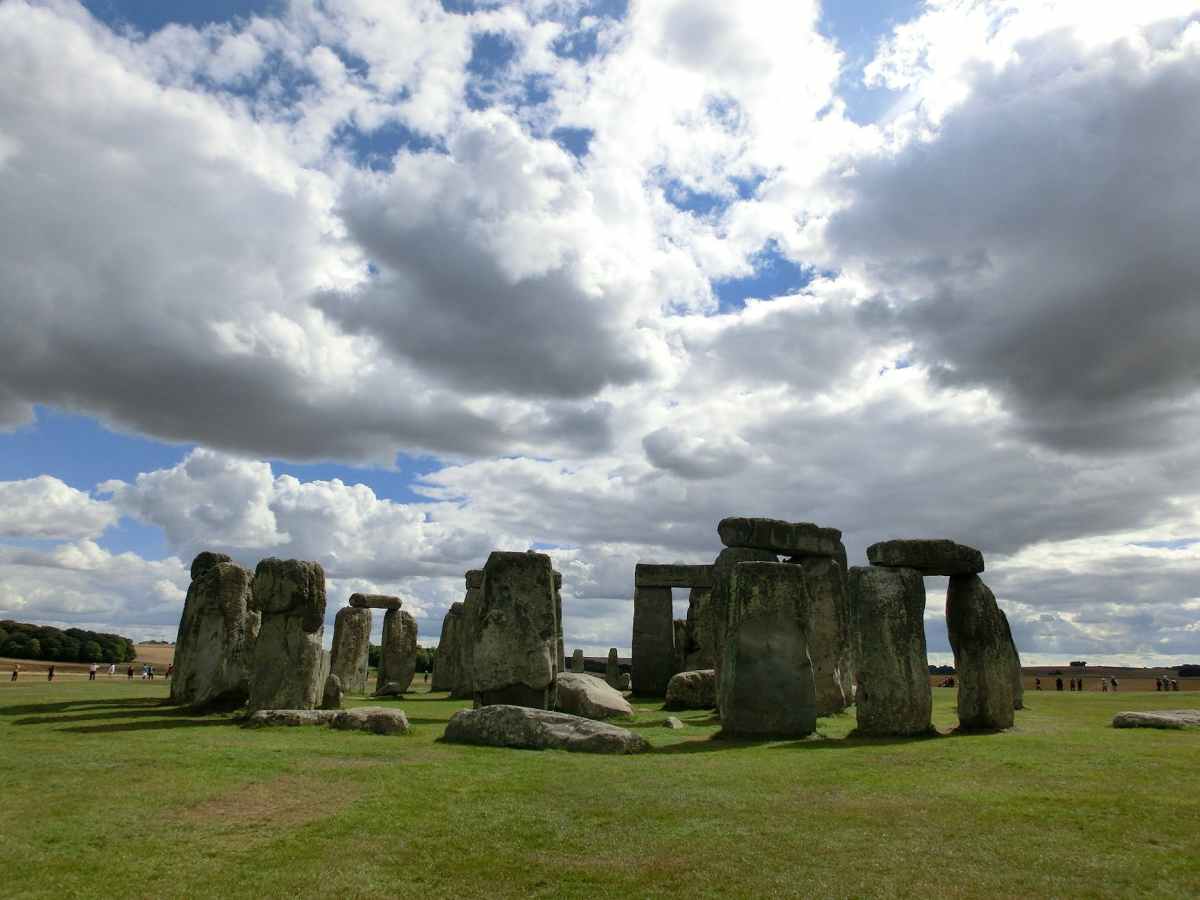
In the stationary moments my mind wandered. Who were those people dressed in the storm gear doing the tourist march around Stonehenge? They were not going to give up one moment of their vacation. What’s a blizzard of rain comparted to a once in a lifetime trip around ancient stones?
I got to thinking – how would this work if half the cars around me were automated? Human behaviour is pretty erratic. Driver temperament goes from kind and generous to intensely mean. From the laidback CofE vicar to the road rage professional. The circumstance of the drivers is hugely different too. One may be surrounded by screaming children while another is lone, absorbed in their favourite podcast. The first is a couple of hours into the worst drive of their entire lives. The second is in no hurry and happy for the day to drift by.
I sincerely hope that the makers and promoters of “driverless” cars take the human factor seriously. We know enough from aviation to know that the interaction between humans and semi-automated machines is exceedingly complex. That’s in situations where operating procedures are tightly controlled and monitored.
It’s one thing for car makers to rattle on about the importance of safety, it’s another for promises to meet the road. I’d say this is particularly true for the average British main road. Given its provenance there’s an excruciating number of variables. A truly dynamic set of variables that increase dramatically with speed. Weather goes from plus thirty summers to minus ten ice packs. Worn white lines come and go. Grass verges overhang the carriage way. Tarmac cracks and puddles compete with mud sloshing across the road in the heavy rain. Magpies dart into the road to munch the carcass of a dead hedgehog. The one that didn’t make it across the road.
Human drivers compensate for all the imperfections because that’s just what we do. It’s amazing even what the worst of us do. On the other hand, machines must characterise every single non-standard situation with accuracy, reliability and at great speed. Next time, I’m driving home for Christmas it will be manual. Likely, for a decade more too.
 John Vincent