
At times in our lives there are choices to be made. That is if you are lucky enough to be able to make those choices. What courses to study at different stages of youth, is a big question. My story has more pragmatism that idealism. I was a great deal better at maths, physics, and geography than history or english langauage. Underlying that was as much interest as natural ability. It wasn’t so much a typical divide between the arts and humanities and science and technology. I enjoyed art. I’d say it’s having more of a graphical mind than a one that’s tunned to langauage and words.
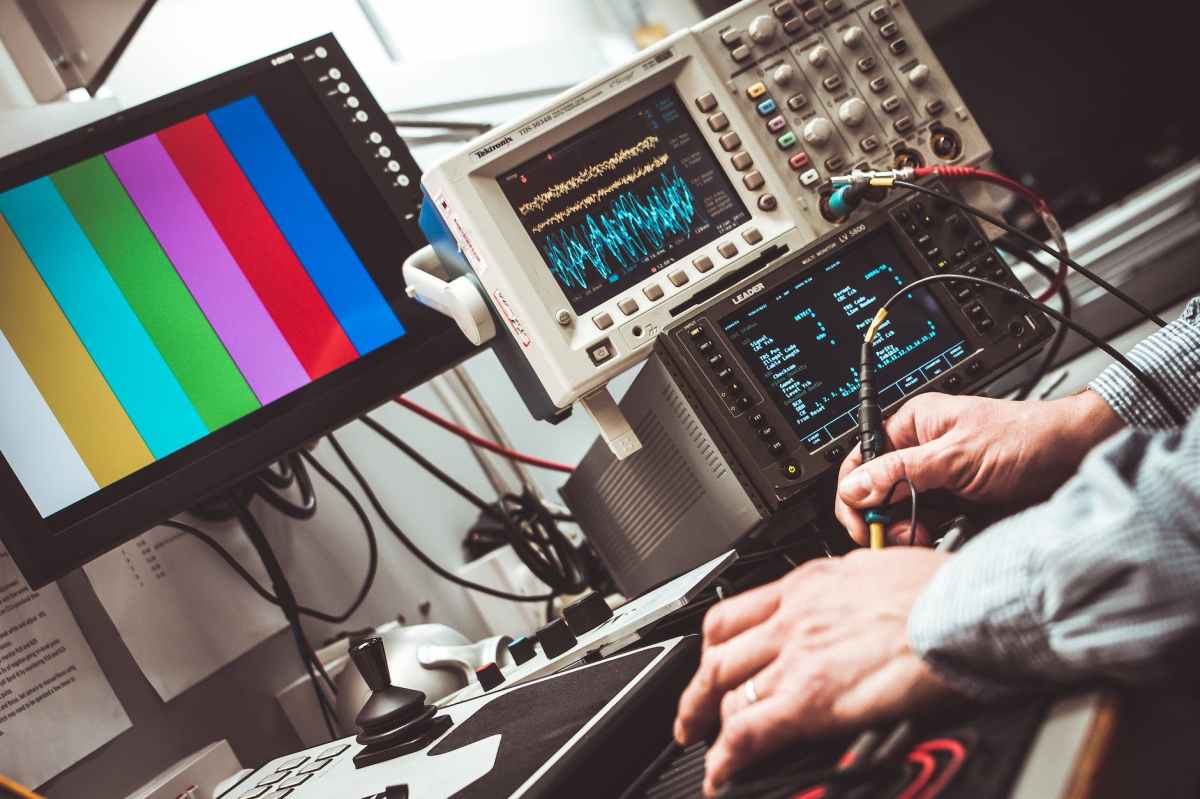
I had a fascination with machinery. Growing-up on a farm I had plenty of opportunities to work with machinery. Taking engines apart and fixing anything and everything that needed fixing. What I found frustrating was the make-do-and-mend approach. It’s the classic agricultural attempt to fixing everything with 6-inch nails or baler twine. When money is tight, it’s a question of keeping machinery going for as long as possible before having a big bill or to chuck it away.
It was evident that small family livestock farming wasn’t for me. That feeling gave me more incentive to study. I left school at 16 yrs. with a moderate number of exams under my belt. What to do wasn’t clear but it wasn’t an open book either. I applied for apprenticeships within commuting distance of home. Local engineering employers of the time, Westland helicopter in Yeovil, Racal in Wells and Plessey Marine in Templecombe were targeted with letters from me. That’s the businesses of aircraft, radar, or sonar.
I’m a great believer in serendipity. Events come together by chance and an outcome can be better than might have been imagined. In 1976, I got a positive response from Plessey Marine Research Unit (PMRU). That year, the company sponsored two apprentices. Me being one of them.
Westland helicopter had a large long-established apprentice training school. A couple of my school mates ended up in Yeovil. Then, so did I but at Yeovil college. It ran an Engineering Industry Training Board (EITB)[1] training programme. This gave a bunch of 16-year-olds their first exposure to machine tools. The 48-week programme was much more. Some skills are life skills, that like riding a bike, are not forgotten. Today, I can still make a reasonable decent weld.
Training within PMRU was a series of placements moving from department to department. Although I was employed as a drawing office trainee there were other possibilities opened. The mix included a day-release to continuing studying.
Back to the original question. Why be an engineer?
There were professional engineers I worked with, and who mentored me, who did much more than put up with a curious local youth. They were inspiring. I wanted to do what they did. I wanted to understand design. I wanted to know the theory behind Sonar systems. Those steppingstones in the years between 16 and 18 are of immense importance. My opportunity to cultivate fascination drove my motivation to study. It worked. It set me on a path.
It’s one thing to put STEM[2] in schools. It’s another to give students real experience, of real work in real workplaces. Both are needed.
[1] https://mrc-catalogue.warwick.ac.uk/records/WDP/3
[2] Science, technology, engineering, and mathematics (STEM) the umbrella term used to group together the distinct technical disciplines.

 John Vincent