
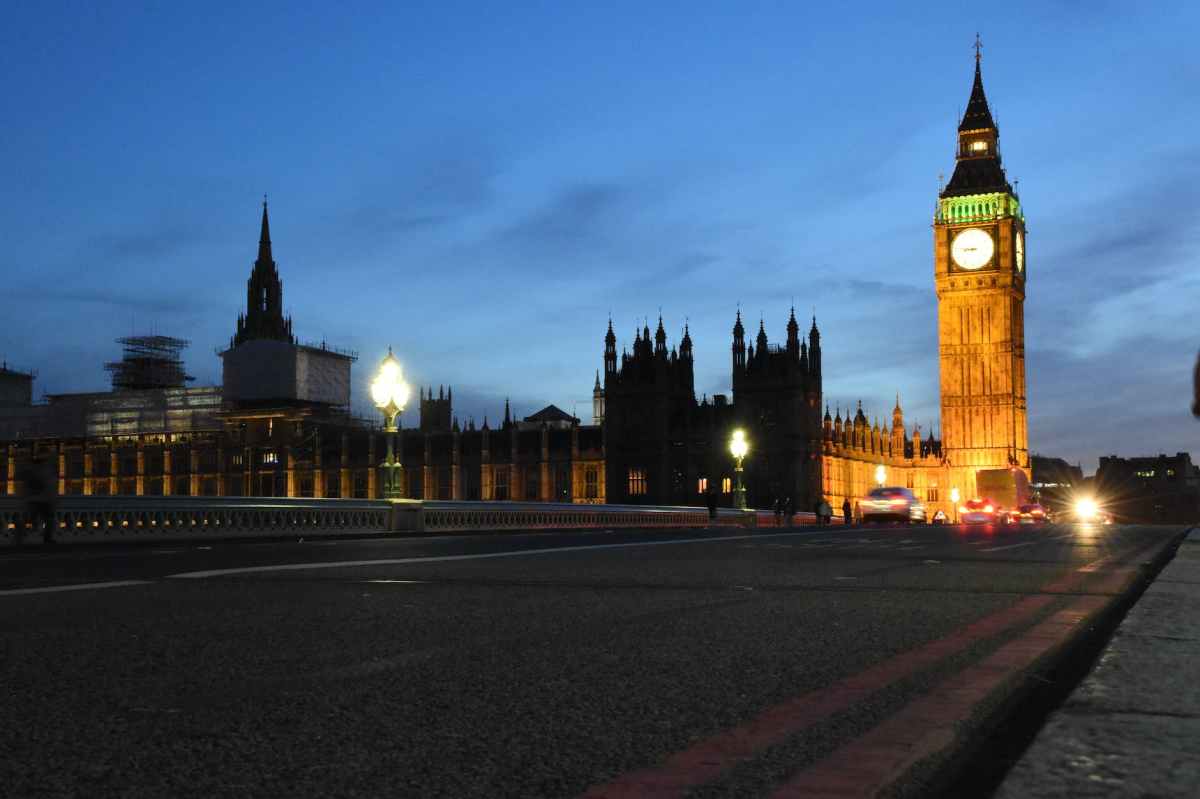
How we choose the people who make our laws. That matters. Or at least it should matter.
We are persuaded to think that UK General Elections solve this by putting a ballot in the hands of every eligible voter. Those national elections are called at the behest of the party in power, so there’s an element of choosing the playing field. Also, levels of voter engagement depend a greatly on the current affairs of the moment.
The song goes: “why should we be ballot with the ballot in our hands”[1]. That’s to say that elections should matter in the determination of what happens next. History shows that this is not quite what it seems. The song is a nice sentiment when the ballot makes a real difference. However, for a great number of positions of power and influence there’s no such thing as a ballot.
Basically, the British Prime Minister (PM) has powers that Julius Caesar would have coveted. Elements of the British political system remains feudal. Conferral of honours is part of the power package. There’s no argument that being PM is a demanding job but that shouldn’t be an automatic trigger to bestow gongs and seats on the red benches of Parliament.
The Liz Truss resignation honours list is an abomination.
An affection for honours is much more of a Conservative addiction than any other. It fits so well with a view that statesman come from an elite branch of British society. The over representation of the famous public schools of the country is one indicator. People with certain backgrounds are grossly overrepresented in Parliament. More recently professional political manipulators and bag carriers have been favoured.
Contribution to the political life of the country is code for having helped a particular political party or politician to get where they want to go. To the average citizen there’s little or no relationship between bestowed influential honours and the general public good.
Any appointments process benefits from being accountable and transparent. In this case there isn’t much of either. Publication of a list after the event doesn’t count.
There should be some interest in maintaining public confidence in the system. Well, that’s an assumption I’m making but the evidence shows that there isn’t much interest. Confidentiality surrounds the appointments process. That gives licence to speculation, conspiracy theories and unusual people unexpectedly popping up on lists.
Parliament’s House of Lords is no longer construction exclusively from the landed gentry, but lot of appointees owe allegiance to the status-quo. That status-quo being inherently conservative.
This is a time when people are pulling together plans for the next year. Restructuring ought to be near the top of the priorities. Respecting the merit of meritocracy has some legs. Overriding all, currently, is restoring public confidence in the political system. To not do so will result in troubles ahead. Big troubles.
[1] https://www.nuff.ox.ac.uk/Politics/papers/2005/McLean%20Nou%20Beggars3%20050617.pdf

 John Vincent