
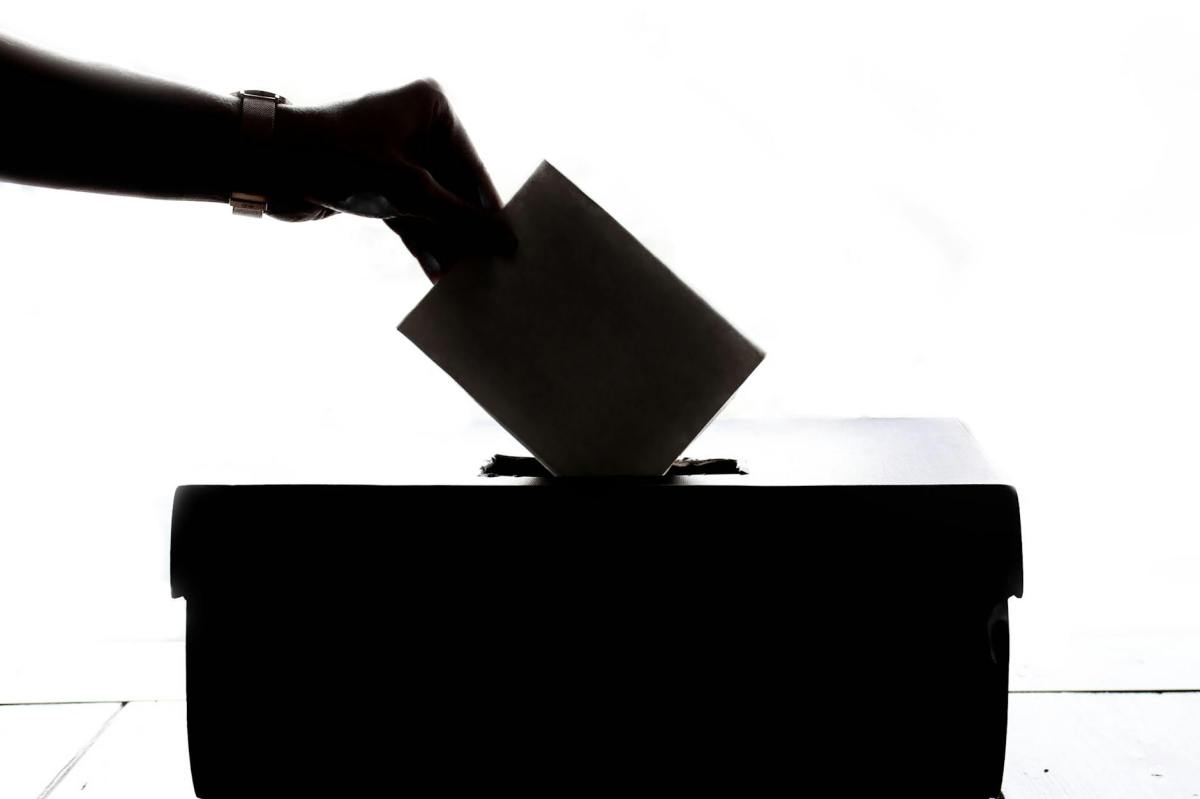
Thursday, a day named after a hammer-wielding Norse thunder God. That’s a good day on which to hold elections. And so, it is in the UK. A tradition, the origins of which I don’t know. One thing I can imagine is that it’s a day of the week when there remains time left over to count votes and deal with disputes before the weekend hits. Not a bad choice to make given that the first days of the week can be put aside for preparations.
I’m accustomed to local authorities who start the formal count of votes as soon as the polls close. This can be done where the electorate is of a manageable size. Polls usually close at ten in the evening. Ballot boxes are then transported to the count, often housed in a large sports hall or civil building of some kind.
If I go back as far as the late 1980s, I remember evenings spent in the Town Hall in Cheltenham[1]. The election count was a grand civic affair. Lots of, what I thought at the time, as unnecessary pomp and ceremony. Now, I think that wasn’t such a bad idea. A celebration of a cornerstone of our democracy. This event even stretched to a late-night announcement made on the balcony of the Town Hall to an assembly of people standing outside in the cold.
[To be allowed into the premises where an election count is held, the presiding officer[2] must accept you as a candidate or formal counting agent. The local press often get access too.]
There’s a couple of purposes in this short article.
One, please take time to say something good about your local council. I know council officers put an immense amount of effort in making sure that elections run smoothly. It’s incredibly easy to take this dedicated work for granted. Ensuring a complete and up-to-date electoral register, getting out poll cards, running polling stations and a count doesn’t happen by magic.
Yes, I know you can cynically say that people are paid to do this work. The reality is that running elections effectively, efficiently and with integrity calls for commitments above and beyond the normal the workday. As a counting agent, I’ve stood opposite bleary eyed counters sitting there well past midnight, after a fiery recount. This vital work requires concentration and fortitude.
Next, I’d like to raise glass to the candidates. Those people who put themselves forward for election, most of which will not be elected. They will be quickly forgotten, however much effort they put into their campaigns. In a small number of cases, people are elected unopposed but that’s a small number of cases.
In vibrant communities up and down the length of the land, the political parties will field candidates. Typically, these volunteers will stand for the Labour Party, Reform UK, Green Party, Liberal Democrats, Conservative and Unionist Party. In places there will be independent candidates and those organised under other banners, like resident associations.
At a local level these candidates are not professional politicians. Some may aspire to have a political career, but the majority are trying to make a difference in their community. To make our democracy work, everyone depends on someone stepping forward. Having a go. This isn’t always to suffer the slings and arrows of outrageous fortune, or to take arms against a sea of troubles, but it can be.Demands can be high, in time and effort, as lot of local authorities live in turbulent situations.
[1] https://cheltenhamtownhall.org.uk/
[2] https://www.electoralcommission.org.uk/


