
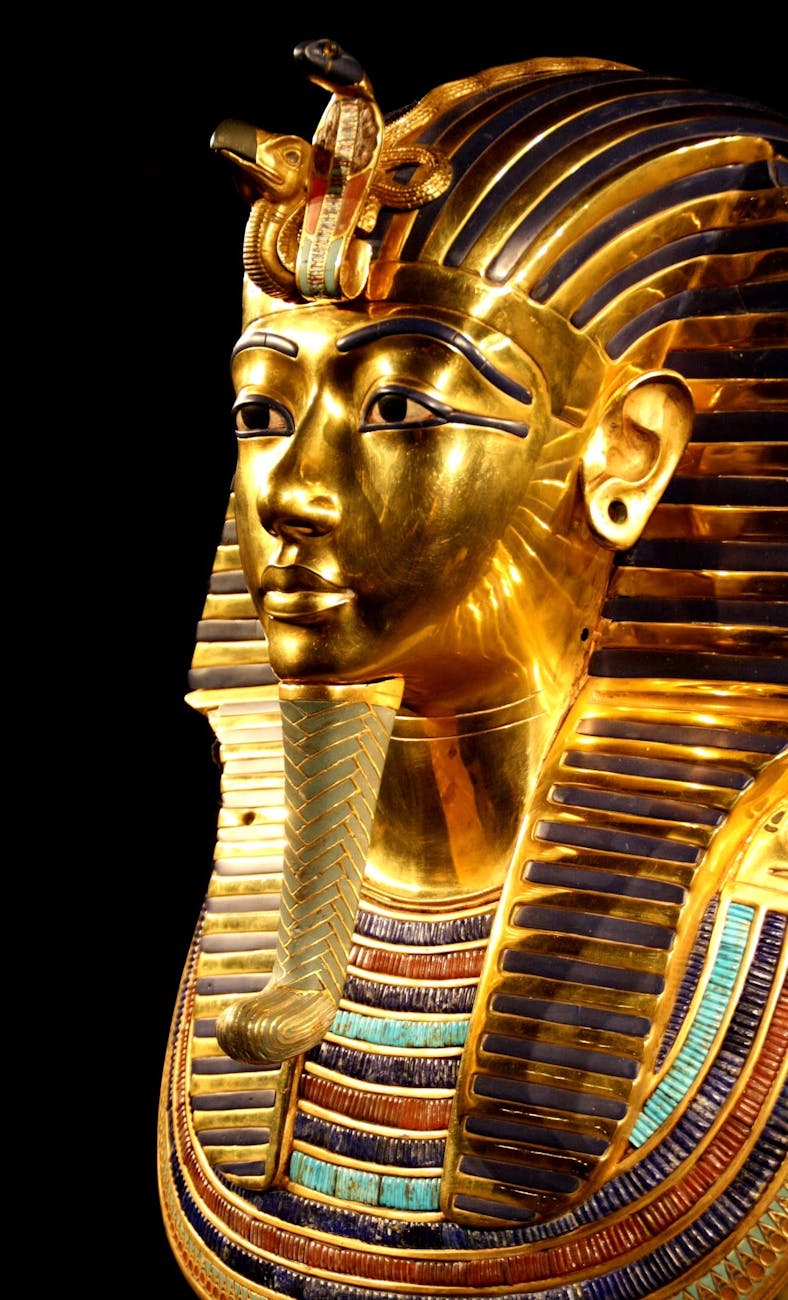
Always the most impressive artifacts to come out of archaeological digs are those made of gold. It’s an element that comes down through the millennium unhindered by the turbulence of the daily News. It’s been a repository of wealth for as long as we have walked the Earth. That might be a brave statement. Let’s say people have admired and desired gold for that long.
A strange hold over people. In the last couple of years, the chart of the gold price has resembled that of rocket taking off. If you thought house prices have shot up a lot in the last decade have a quick look at the gold price. From 1978 to 2008 the curve looks relatively flat. Once past that date renowned for the financial crisis then the value of gold goes mostly one way.
Is this good or bad? One might even say – who cares. Well, geopolitics, inflation and monetary policy all play their part. I’m not talking about a precise indicator of these factors, but the linkage is clear. Many people see gold as a hedge against the declining value of other assets.
Geopolitics is a nebulous term. It can mean a million and one things. I guess on the one side of the coin is stability and on the other is instability. To relate the rapid rise of the value of gold to anything it may as well be the growth in the influence of disruptive forces.
Disruption has become incredibly fashionable in the last few years.
It’s like a newfound management trend. Although it’s not. Once upon a time, everyone was supposed to be rational, to create a harmonious world in which we could prosper. Management gurus who said as much thrived. Classical theories flourished[1].
However, they did warn us that institutions and organisations would change dramatically, in time. And that’s the component that disruptors have latched on to. Impatient to change in a softly-softly manner, the current mode is more along the lines of – to hell with it, do it now, come hell or high water. Don’t bother me with any of that risk assessment stuff.
I think, the downside of this pursuit of disruption is instability, insecurity and a latent fragility. Yes, it’s hidden. When a powerful disrupter succeeds the surface reaction is a round of applause. Under the surface the lack of long-term thinking invites an avalanche of negative repercussions. If the current gold price is a crude indicator, then there are potentially a lot of nasties just over the horizon.
An example to consider is the radical move to privatise the water industry in the UK. You bet that was disruptive. A politically fashionable move at the time. Surely a commercial mindset would serve the consumer, improve efficiency and increase investment. Ho Ho.
In the management of change, disruption has its place. If it’s the only card that a leader holds, and couple that with impatience, and outcomes are not going to be good. If they are good then it’s sheer luck.
[1] https://www.waterstones.com/book/gods-of-management/charles-b-handy/9781788165624

 John Vincent