Cynicism to Appreciation

A couple of things came together this week. I had the pleasure of enjoying 35 degrees in Brussels. The joy of the odious metro, the brutalist main station and the wandering herds of tourists. Overhead one couple saying do you know that they have a statue of a little boy having a wee. I flinched because I genuinely thought everyone in the world knew of the Manneken Pis[1]. How can anyone not know?

It was a Canadian who prompted me to undo a prejudice of mine. Loving the air conditioning in the hotel, I looked to my iPad for late evening entertainment. There was the man – Clarkson. Irritating prankster and motorhead. Not known for meaningful commentary. I’d resisted watching his series Clarkson’s Farm[2] on the basis that I’d want to throw bricks at the screen.

This week I watched the first series. Made pre-COVID. Fine, it’s not a serious documentary about the trials and tribulations of British farming in the 21st century. True to form it’s pure entertainment. Edited highlights of comic moments and true to form tomfoolery.

My mind is changed. I started as a cynic. Here’s a moneymaking scheme for a wealthy landowner who made riches in the television world. To here’s a have a go spirit let loose on what people often assume is easy but, in fact, is mighty hard to do. The series is an engaging journey of discovery all but made for the small screen.

How can you not make a profit out of a highly desirable spread of a thousand acres in some of the most beautiful countryside in Britain? Experience counts and when you have none, it counts even more. Watching the lights come on in Clarkson’s head is well worth a watch.

Farming with drone shots and a camera crew following is obviously not the real world. Nicely edited highlights tell the story on the page. Put aside any cynicism. The show has a way of story telling that brings out the awkward, funny and frustrating reality of farming. Folly, errors and mishaps are all part of what happens in that colourful industry.

There was a world pre-COVID. Going back even further, there was a world before the fireworks of the year 2000. It was summed up by the brothers Gallagher. Yes, I am talking about the getting back together of Oasis. A band that was a bit more than an everyday rock band.

Having survived watching last week’s televising of the one millionth Glastonbury festival (exaggeration), the memories of the “real” contrast with the artificial, bland and merely controversial for the sake of it. Those years in the mid-1990s were good ones, if only I’m using the trick of selective memory. Remember when people who supported leaving Europe were strange and social media was only a rare tacky e-mail.

Maybe I’m getting more Clarkson-like as time flies.


[1] https://www.introducingbrussels.com/manneken-pis

[2] https://www.imdb.com/title/tt10558964/

Light in Dr Who

I’ve started so I will finish. There’s a good line. Don’t worry I’m not going to write about quiz shows but it’s time for another short review. I have seen the light. Well, switched on the TV.

Flashy clothes, 50s vibe and excruciating way of getting there. The second in this new series of Dr Who twisted and turned around an attempt to get home. There’s a theme. Adventures on the way home. Wonder where that idea came from? An odyssey of a flight in time, one might say.

In a digital age a flip back to an age of film was a nice touch. It’s kind of funny how animation is now so much easier done. Film is becoming a museum artefact. I don’t think it will get the popular revival that vinyl is getting.

Explaining a job like “projectionist” to newer viewers isn’t necessary. Wasn’t done. Takes me back to the small flee pit of my youth and the story of a living Volkswagen Beetle[1]. That’s quite freaky. Jumps in the film, munching crisps in the theatre and sitting in the dark when it was daylight outside.

The sinister and creepy monster turned out to be a being of light. Like a Twilight Zone moment, a menacing cartoon character came to life. Given the various realms through which the doctor travels, this is not unexpected. Good job there was only one of them to defeat.

Beings of light[2] are a popular science fiction theme. They crop up now and then on both good and bad sides. I like the ambiguity. That one entity can flip between good and bad. It wasn’t so much a tale of an evil moonbeam as one of light finding a path to becoming substantial and physical. The dark of night or, in this case, the cinema world turned the mischievous moonlight to the bad side. Only a release back into the bright light of day let it rejoin the sunlight and starlight of the universe.

Plonk in the middle of the show was a breaking of the fourth wall. That boundary between the fictional characters, the Doctor and companion, and the imagined audience at home. Suddenly one was real, and the other was fiction (even though they were both fiction).

After a good haunting the colourful cartoon menace was expelled. Given how easily it got into the cinema in the first place it’s a wonder this story isn’t repeated a million times.

Confusing at times, the suspenseful moments were jarringly technicolour. Sometimes less is more. This was a case of packing too much content into a rapid-fire story.

Having wrapped up a 1950s mystery, the Doctor is back to his time travelling.


[1] https://en.wikipedia.org/wiki/Herbie

[2] https://babylon5.fandom.com/wiki/Vorlon

Who 15

As per tradition there was a moment of running down corridors pursued by robots. Add to that the shock horror realisation that it’s bigger on the inside than the outside and the staple diet of BBC Science Fiction is playing again.

Dr Who is rolling[1]. As expected, Russell T Davies works magic with a super-fast story line. In fact, so fast that I’m going to have to watch it again to figure out exactly what the featured rift in space and time did to the plot. Thematically up to date as the main baddy in control of the evil robots was both misogynistic and AI. I’ll give something away if I reveal that the two letters AI were not what they seemed. Not only that but the robots were redeemed.

Although there was a smidgen of absurdity and an expectation that the audience would draw of decades of Dr Who mythology, the show hit the mark. Afterall it’s entertainment not a profound reflection on the state of the world. It’s colourful Saturday night drama that the whole family can watch. Although in this case there was no need to hide behind the sofa. Also, a lot of the 21stC social commentary would be lost on younger viewers.

Because the series has been running for such a long time there’s a bit of repetition that creeps in. This is not bad per-se. It’s a reminder that coming up with truly original scripts is incredibly hard. Imagination has no limits but when pen hits paper past references helps move stories along quickly.

Adventures in space and time could go on forever. All time, in fact. The subject has no limits. Each version of the Dr Who saga will be set in the context of the audience’s everyday reality. So, the Daleks were a product of nuclear war, and now humanities greatest threat comes from billions and billions of electrical ones and noughts.

Playing with humankinds’ curiosity about space and time is fruitful territory. Imagery can be fantastical and push the boundaries of video production. If anything, Dr Who is modest in pushing at those boundaries. Mustn’t forget that it’s prime time entertainment. Real space and time are far more than a headful.


[1] https://www.radiotimes.com/tv/sci-fi/doctor-who-times-release-schedule/

Laughing Through Politics

Maybe it’s not a new seam to mine. That rock of British popular culture that puts up a mirror to entertain us or even shock us. There’s always a space for the public to be tickled by the absurd or hamming up of clichéd characters. It’s struck me, particularly on rewatching British TV comedy, how what we find humorous is an indicator of how we might think more generally. Or there’s a peculiar connection.

Obviously, it would be good to look at this subject in an objective way. To see what the evidence says. However, it’s almost impossible to separate personal experiences from any general observations. Afterall, I went to school where we endlessly repeated lines from Monty Python’s Flying Circus. This had our poor teachers totally bemused. Long forgotten is the “woody and tinny words” sketch. It only took a teacher to say a woody word and we’d have hysterics.

Not that Python didn’t offer one or two educational opportunities. In imagination, if nothing else. Try “The Man Who Speaks in Anagrams[1]” as an example.

When Mrs Brown’s Boys[2] became popular, I knew we were in serious trouble. I may be a real snob, but this kind of British “comedy” is a throwback to the worst of the 1970s (almost). To me the show has no merit whatsoever. It’s a sop to a grim set of stereotypes.

Jamilla Smith-Joseph’s short article[3] does point out that British culture is one of seeing the funny side of both us Brits and those strange foreigners. Problem is that in a simmering Brexity climate, we find it so much easier to lampoon our nearest neighbours, European foreigners.

I matured from Python to then enthusiastically embrace “The Young Ones” in my anarchic student days[4]. Now, I rewatch the series and the impacts are curious. In so many ways 21st Century Brits have become tame and unadventurous. The sheer destructive energy that let rip on TV screens delighted in upsetting established norms. Now, lots of people are embarrassed by what was called “alternative” comedy at the time.

Then we grew-up and got jobs. Tony Blair came onto the scene. Born out of that period of change was such masterpieces as “The Think of It”. Hope and optimism descended into spin and panic.

Popular culture and politics do connect. Is it a mirror like refection or is it a subconscious trend indicator? Or even a driving force that sustains a current way of thinking?

British popular culture is not going through a creative period. In 2025, there’s not a lot to recommend. Oddly it’s a series that started with a low budget movie from New Zealand that I find is the best comedy of the moment. “What We Do in the Shadow[5]” is variable in places but has horrendously funny moments.

So, come on British writers it’s time to better lampoon the toolmakers son who sits on the fence. One leg here, and one leg there. Labour’s latest adoption of conservative attire is surly worth funny lines. Something original. Maybe even out of this world.


[1] https://youtu.be/Q1sXeUHBHgk

[2] https://www.imdb.com/title/tt1819022/?ref_=ttep_ov

[3] https://ukandeu.ac.uk/a-very-british-euroscepticism-the-popular-culture-politics-nexus/

[4] Yes, I really did live in a rundown brick terrace, with a hole in the wall as space for a payphone, and a dodgy builder come landlord. Carpets with slug trails and an icebox as a shower.

[5] https://www.imdb.com/title/tt7908628/

Reinventing Breakfast

Public service broadcasting is fine with me. It ought to be funded. We are all better for it being funded. In the UK, the BBC does a tremendous number of good works in a wide spectrum of spaces. I’m a supporter of public funded TV but now and then it drops the ball.

Switching the TV on in the morning is not something I do at home. There’s something bedsit kitchenette about having a TV blazing while the toaster is popping up. It’s what’s better placed in a gritty drama of the mid-1970’s. Gawdy wallpaper and service hatches.

I get to view breakfast morning TV when I’m in a hotel room. It’s so much easier to switch on a wall mounted TV than mess with an iPad App or flick around the long list of channels trying to find a radio station. Press the button number 1 on the remote and up comes BBC1.

So, what’s with the morning News? Is it a magazine show with snippets of life outside the studio or is it hard hitting political journalism? To me, it’s a mishmash that’s trying to be everything to everyone. A male presenter who looks half asleep and would be totally lost without an autocue. A female presenter who’s doom laden petulant style reminds me of Chicken Licken[1].

An artificial backdrop, that has become commonplace on such shows, doesn’t help. Look the morning sun is shining. One look outside the window and it’s not. I’d been tempted to suggest going back to a few of those shelving units that once adorned the set of Blue Peter.

The BBC props department must have ordered a job lot of curvy sofas about ten years ago. They turn-up on the BBC’s One Show too. Now that evening programme is a mystery to me. Although, that said, it isn’t trying to be anything other than a magazine.

Thank the heavens that I don’t have to watch breakfast TV every day. I would be ready for the men in white coats if I did. Banality mixed with artificial seriousness would do my brain in. Surely, there’s a format that can be engaging and inform in a way that wasn’t so mighty odd.

If the BBC needs a transition to something new. A format that works for the second decade in the 21st C, then I suggest they bring back a certain popular rat. Roland[2] was a professional. Now, I’m sure he could both talk about endangered water voles or interview tricky politicians with great style and panache. 


[1] https://usborne.com/media/usborne/files/quicklinks-library/englishlearnerseditions/chicken-licken-teachers-notes.pdf

[2] https://fb.watch/uHOGZqLQ_J/

Dr Who?

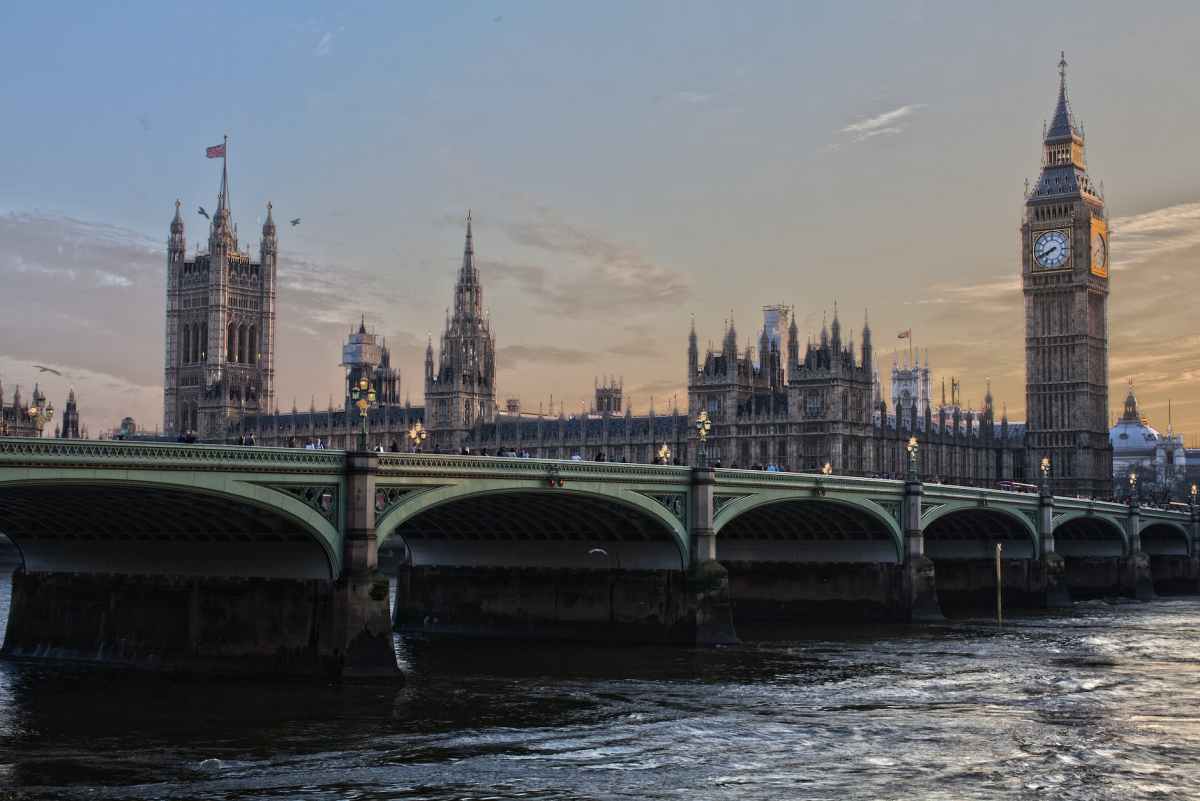
I’m having to get to know Paddington. For such a long time my route into London was via Victoria station. Every nook and cranny of that enormous railway station was etched into my brain. I could go from A to B with the speed of a swift. Southern trains trundle backwards and forwards, in and out of London. For the last 8 years, I’ve been able to navigate from my doorstep to the Royal Albert Hall (RAH) in about an hour. Only occasionally being marooned in Croydon.

Once I’d discovered the BBC proms it became a regular part of my annual schedule. That knocked off August and part of September. Promming[1] is a wonderful tradition that opens access to great music of all kinds for a token sum. Standing for me is no big deal.

Last night, I travelled through space and time. A different space and time from my normal one. Now, I’m having to get to know the ins and outs of a different railway company. To some extent they have “proper” trains that go somewhere. I mean, cities in Wales and the West of England.

This was only my second BBC prom of the year. This one was going to be different. For a start it was Bank Holiday Monday. It was the main day of the Notting Hill Carnival[2]. For those who don’t know that sat on my route into Paddington and round the Central Line to the RAH.

Busy, busy, busy. I don’t know if the National Orchestra of Wales to the same route as me. They were on stage for prom 48[3]. Thankfully, GWR speedily and safely got us into London.

The buzz was infectious. Whovian community folk like to dress-up. Standing in-line outside before 6pm, conversations were about favourite monsters and the authenticity of other prommers costumes. Fantastic handmade scarfs. Elaborate purchases from e-bay. Eccentric illusions to long lost baddies. I felt grossly underdressed. That said, I shouldn’t have been surprised but the audience was about as intergenerational as is imaginable. Maybe, I should have said intergalactic. I was standing next to a would-be William Hartnell in his 20s. Further along the que there were 2 Sylvester McCoys in their late 50s, at least.

What can I say about the evening? Hat’s off to all concerned. It was a dam good show. I don’t count myself as a Whovian even if this small screen fiction has populated most of my life. I was struck, not just by the obvious theatrics but how important the music had become to the whole drama. It really does pull on the emotional strings. Story telling needs that magical music.

Standing in a crowded arena, I wasn’t for one moment frightened. Which I would have been as a young boy with a cyberman walking straight toward me. An authoritarian Dalek called for the interval. Ordering the orchestra off the stage. The revered Russell T Davies was in the audience. They played out with the Doctor Who theme.

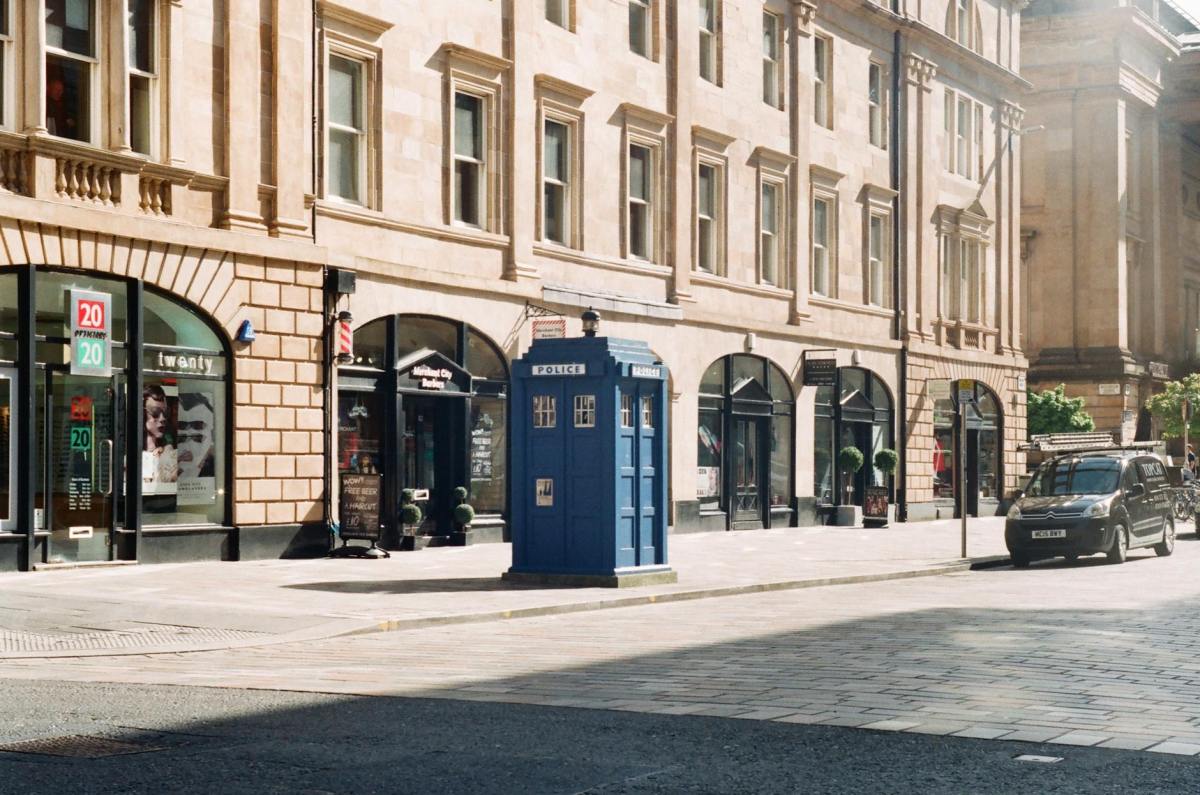
For an evening learning a new route in and out of London, all my effort was more than rewarded. Time and space well spent. I shall now turn my hand to inventing a working TARDIS. Then I could go back and do it all again. Well, that is except for the cool breezy late-night hanging about at Reading station platform 3.


[1] https://www.bbc.co.uk/programmes/articles/3598F306c3KnN6t3x6ThKpN/what-is-promming

[2] https://nhcarnival.org/

[3] https://www.bbc.co.uk/programmes/m00224zh

Dr Who at 60

Now, I can be nerdy par excellence. It makes me nervous to the extent that there are far more knowledgeable scribblers on Doctor Who. It’s not like the internet is without a massive amount of coverage of every aspect of the time lord’s life. Although, I’m not sure I’ve seen the details of David Tennant’s shoe size – yet.

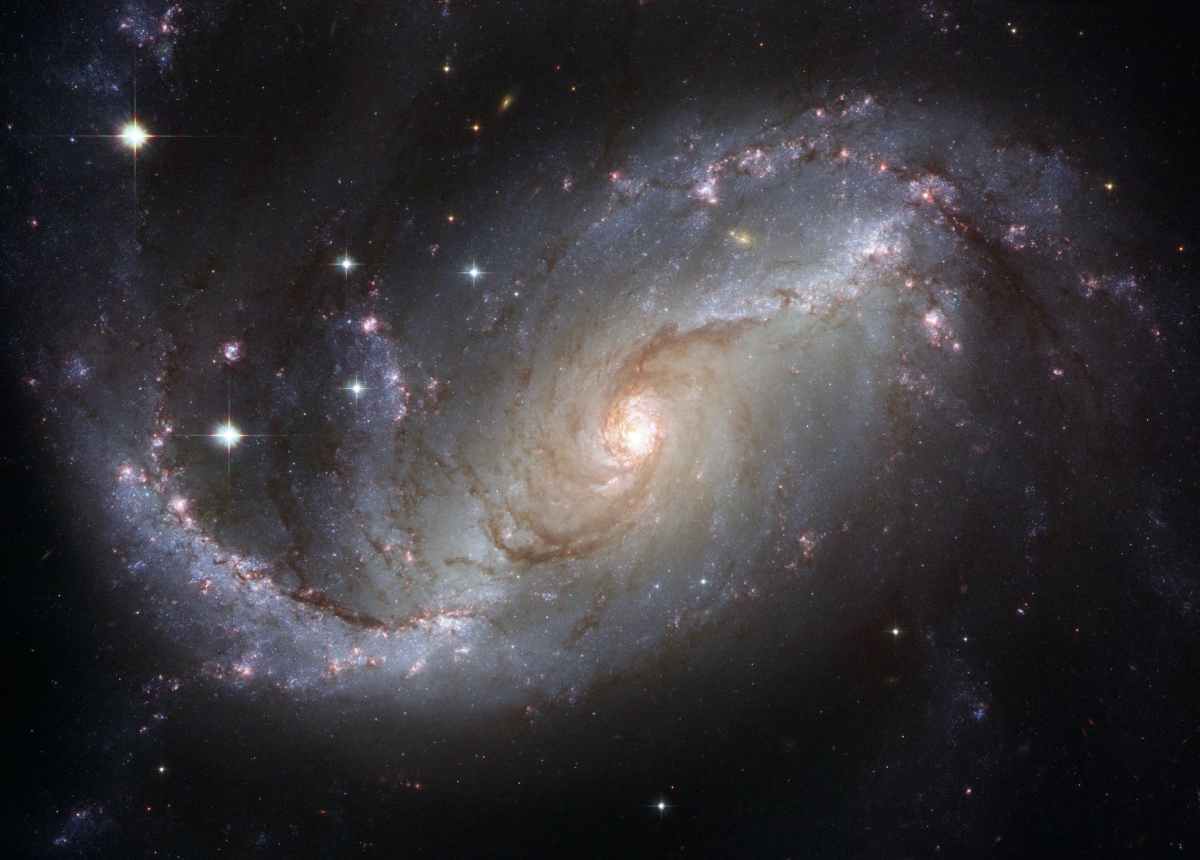
Last night, way out on the edge of the know universe was a spaceship. Somehow it got there through a random worm hole. The drama doesn’t expand as to what the enormous ship does, or why it only had one crew member or the anarchic mix of technologies.

Almost like a sketch from the Twilight Zone, the mystery mounts as we are asked to go beyond our normal understanding. That’s a good plot line, in that anything then becomes possible. So, at the edge of what exists there’s nothing but blackness ahead. Behind is everything that was ever known in space and time. The good, the bad and the indifferent. And where most of us would rather be.

The end of everything, as far back in time as it’s possible to travel in this story is not empty. A malevolent force or mystical entity hides there hoping to one day make its way forward in time to annihilate everything it finds. Malevolence is so often associated with emptiness. It’s a primal thing.

That’s what The Doctor and annoying companion Donna encounter when the Tardis goes awry. Given that it was spilt coffee that threw them to this point in space and time maybe the transport ship they encounter was an intergalactic coffee carrier or a shoe carrier. With respect to Douglas Adams.

Titled “Wild Blue Yonder” the tale told wasn’t so much blue as void of natural light. Way yonder lurked a clever and evil shape shifter. So, evil that the Tardis runs away, as it rebuilds itself. Our two protagonists were then marooned on a giant ghost ship with no idea what’s happening. Now, that’s a fine plot. Adrift in the deep darkness.

Over a series of frantic moments, the story pieces together. The original pilot of the ship turns out to be a hero, prepared to sacrifice themselves to destroy the nameless baddies on the ship. The pilot’s cunning plan was ticking away at ultra slow speed to evade the speedy thinking malevolent thingies. Distracted but feeling imprisoned the shape shifting villains put all their energies into attempting to copy The Doctor and Donna.

The copies strategy then appears to have been to hop on board the Tardis when it returned. That’s a bit of a plot flaw. Since the Tardis would presumably only return when the air of evilness had been destroyed. That’s what did happen in a wonderful just-in-time moment. Concluding the story with the destruction of the spaceship and the physical forms of the lurking baddies. Thus, again we are all saved from extinction. Open is the question of whether the lurking baddies still lurk.

This 60th anniversary special was for fans. To those uninitiated into The Doctors world, it must have been confusing. Difficult to follow. In fact, rather slow in parts. David Tennant as the 14th Doctor is the best modern incarnation. Long may the Tardis take us to the limits of imagination. It’s possible that the 120th anniversary will include a virtual world that we will be able to step into and be immersed in a vast spectacle. Good luck to those who last that long.

Stonehouse

Let’s put aside the history for a moment. The 3-part TV drama based on the story of John Stonehouse MP has been dam good entertainment[1]. No need to recount every step in the story. It’s the sort of sequence of events that, had it been written as fiction would have been rejected as too bizarre and not printable. Here life really is stranger than fiction.

He was a rising star of the Parliamentary Labour Party in the early 1970s. He took a very unexpected turn in life’s series of multiple choices. Any explanation he gave seemed comic and a little bit sad. It’s clear why he had to be brought to justice. That said, Stonehouse is far from the first, or last parliamentarian to tell whopping great big lies and somehow expect to be believed.

Watching this story unfold in an era before instant communications, a camera on every mobile phone and streets covered with CCTVs makes me think this must be almost impossible for younger people to get. I may be wrong, but now the scenario would be even more hopeless than it was in 1974. Although, the twist now might be that various media can be convincingly faked.

The actor Matthew Macfadyen does a wonderful portrayal of foolhardiness and haplessness. He’s captured a blank expression that accompanied Stonehouse telling tales riddled with preposterous nonsense. True or not, this is dam good entertainment.

The spouses of parliamentarians have a lot to put-up with in normal times, let alone crazy excursions into fantasies and a partner’s moral bankruptcy. It leaves me wondering why they do it.

I know there’s a strong compulsion to keep-up appearances, or at least there was in the 1970s. There’re many popular British comedies based on the abhorrence of embarrassment and inclination to do almost anything to keep-up appearances[2]. It’s a 20th Century cultural theme.

The fantasy of starting a new life is a strong one too. That’s probably been sustained down the decades much more than aspirations based on social class. The mirror we put up to ourselves called Television regularly screens such programmes as: a place in the sun[3].

The true story of John Stonehouse MP is a complex one. Reading about the times it’s difficult to have much sympathy for him or the choices he makes. Those choices do appear extremely self-centred. Even with a generous interpretation.


[1] https://www.imdb.com/title/tt13005652/

[2] https://en.wikipedia.org/wiki/Keeping_Up_Appearances

[3] https://www.channel4.com/programmes/a-place-in-the-sun