
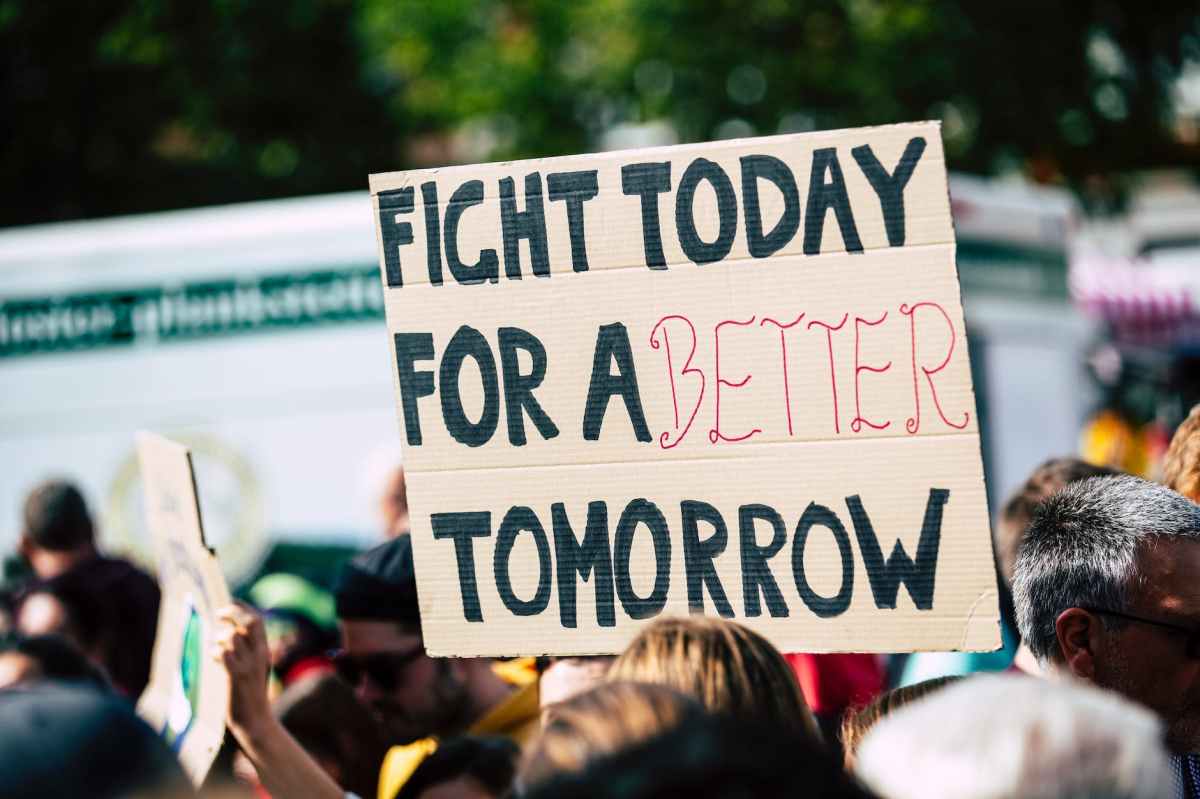
The road to fixing climate change is not an endless road. Today, our whole approach to climate change goes somewhat like this:
I’m not sure I’m convinced. Yeah, maybe we have a problem. We should do something. Definitely, but send me the plans, I’ll get to it, I’m busy. Time passes. What was it we should be doing? Oh yes, but that plan is for (insert a name) not me. I’m not contributing much to the problem. Anyway, there’s time between now and (insert a date).
So, we go on. There’s no doubt that there are changes needed to tackle climate change that are immensely difficult to do. Trouble is that by fixating on those difficult problems we talk ourselves out of doing the easier things. Let’s put simple actions like home insulation on the agenda again. Let’s loosen-up on our ridiculously restrictive policy on wind farms. Let’s invest in our national electrical grid to permit more connections to be made easier and quicker.
Yes, it’s advantageous for the PR companies employed by high carbon businesses to talk up difficulties and herald small gains as miracles. I mean, that’s what they are employed to do. On the other side we have PR companies employed by activists and campaigners who paint pictures of dire consequences and delinquent Governments.
I keep pointing out the dangers of populism and nationalism. The history of both is not a good one. They generally make most people poorer and a minority richer and more powerful. However, the tactics they use to gain popular appeal don’t seem to die off down the ages. A case in point is the story of Rome and Julius Caesar, as he crushed Roman democracy and seized power[1]. The chronicle is being well told on BBC 2. In the Britian, it’s often only their incompetence that halts the progress of Caesar like characters. Not mentioning any names.
To make change happen on climate change there needs to be a greater appeal to the populous. Expecting politicians to take a lead on the subject is nice in theory but wanton of hope. In our system of governance terms of office can be measured in days. Expecting neurotic politicians to step-up to a challenge that requires real long-term commitment is asking a bit much.
Campaigners will not give up on highlighting the challenges ahead. Periodically, politicians will pick-up on that campaigning fervour and try to jump on-board. However, as soon as a more immediate public concern comes along, they will jump-off.
I’m not saying that the cost-of-living crisis isn’t a number one priority. What I am saying is that a cost-of-living crisis is not an excuse to put climate policy on a dusty shelf for another few years. The road to fixing climate change is not an endless road.
[1] https://www.bbc.co.uk/programmes/p0gjlmkv

 John Vincent