
More than a few times the thought that climate change will impact transport has been raised. Not so much as transport impacting climate change but the two go hand in hand. Whereas the assumptions built into roads, rails and airports were of their time, time doesn’t stand still.
More frequent heavy rain and raised tides, and the flooding associated with them, are to be expected. To hear that the rail tracks between London and the Channel Tunnel have been underwater shouldn’t be too much of a shock. Flooding is a worldwide threat to public transport systems. In London, over the last couple of days, flooded tunnels brought travel chaos. Millions of gallons of water were not where they were supposed to be.
We can get used to disruption caused by strong winds and torrential rain sweeping across the country. The question to ask is – should we? I always wonder as soon as I see the word: “unprecedented” in a public statement. Huge volumes of water may not have been predicted to overwhelm the pumping systems designed to keep them under control, but now we know. It makes me think we are going to hear the word “unprecedented” a lot more in future.
This city centre to coastline railway is relatively new[1]. It cost £6.84 billion and opened in November 2007. Most travel commentators would say that it has been a great success. I was looking forward to the day that the German train company, Deutsche Bahn was to implement plans for a London to Frankfurt train service. Sadly, that project was shelved in 2018. I wonder why[2]? That “B” word again.
The subject of these comment, the Thames Tunnel is over 3km long. The rail lines dive beneath the river from the counties of Essex to Kent. This High-Speed rail tunnel goes under the river near Fiddler’s Reach. This part of the River Thames, much like most of the tidal river, was once busy with commercial shipping. It’s been the site of unfortunate events before[3].
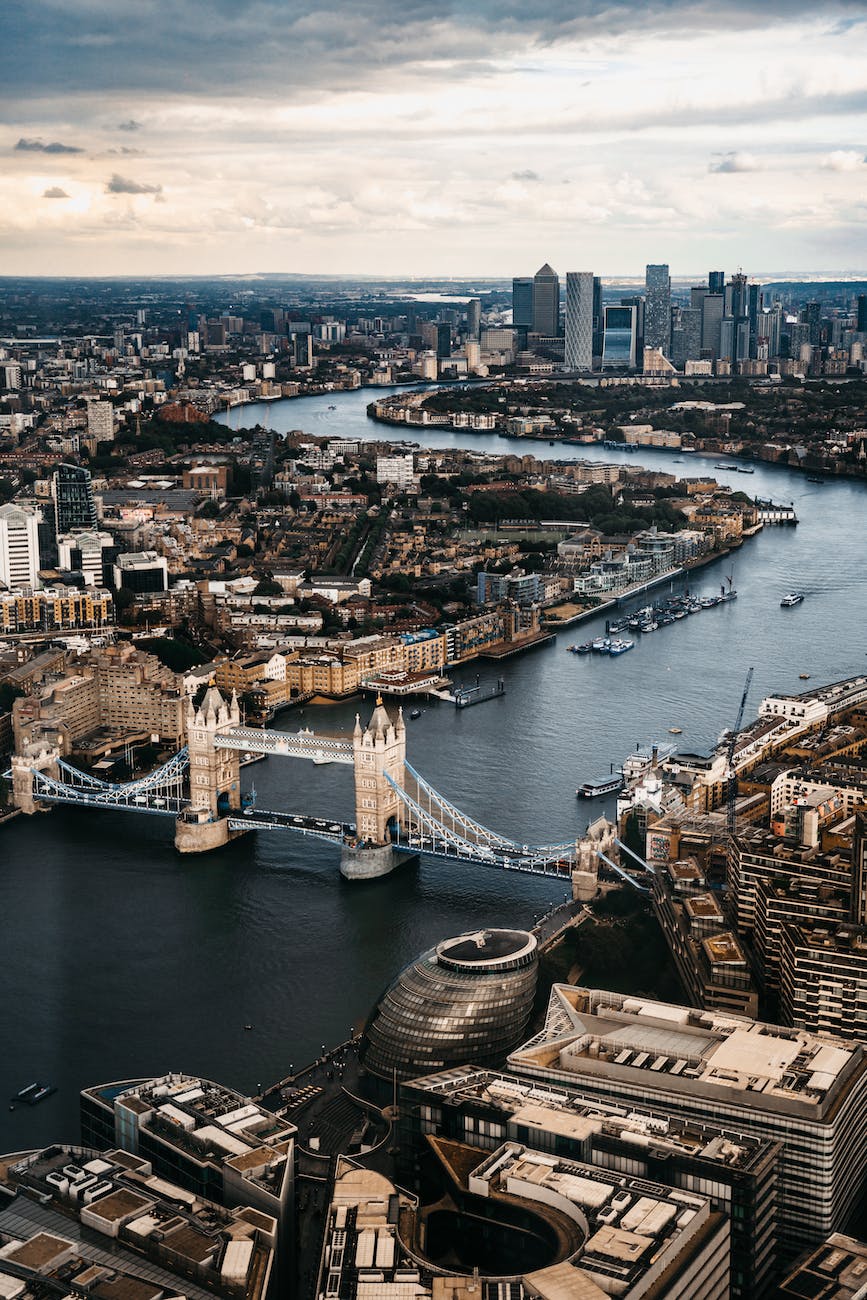
Further upstream is the Thames Barrier. A truly magnificent structure. The barrier protects central London against a storm surge. It works well. However, it will eventually need to be replaced. The inexorable tide, no pun intended, is moving just one way.
Risk is a multifaceted factor: operational, economic, social, political, safety, security. Did current risk assessments foresee a likelihood of flooding? I don’t know. The safe running of High-Speed trains through underwater tunnels should be subject to risk assessment. I’m sure it is.
Eurostar has experienced a set back as 2023 comes to an end. Eurostar services are again running as normal. But this weather-related event highlights the fact that climate change will impact transport systems. If the thought has not found its way onto the desk of a civil servant, it might be as well to do a high-level audit of the nations transport infrastructure.
Either that or get used to using the word “unprecedented” a lot more.
[1] High Speed 1 (HS1) is a 109.9-kilometre high-speed railway linking London with the Channel Tunnel.
[2] https://www.independent.co.uk/news/uk/politics/london-frankfurt-cologne-train-deutsche-bahn-db-eurostar-cancelled-shelved-a8394806.html
[3] https://www.britainfromabove.org.uk/en/image/EAW143996

 John Vincent