Flight, Risk & Reflections 14.

The end of the transitional period of the process of UK withdrawal from the European Union (EU) is just days away. I believe most people are looking for some light at the end of the tunnel. A tunnel that we have been in since mid-2016. Now, that light looks dim. Dim as a dull cold winter’s day.     

The EU has triggered Brexit No-Deal contingency plans[1].  These plans are to ensure basic services between the UK and the EU for 6 months in 2021. Then it’s anybody’s guess what will happen.

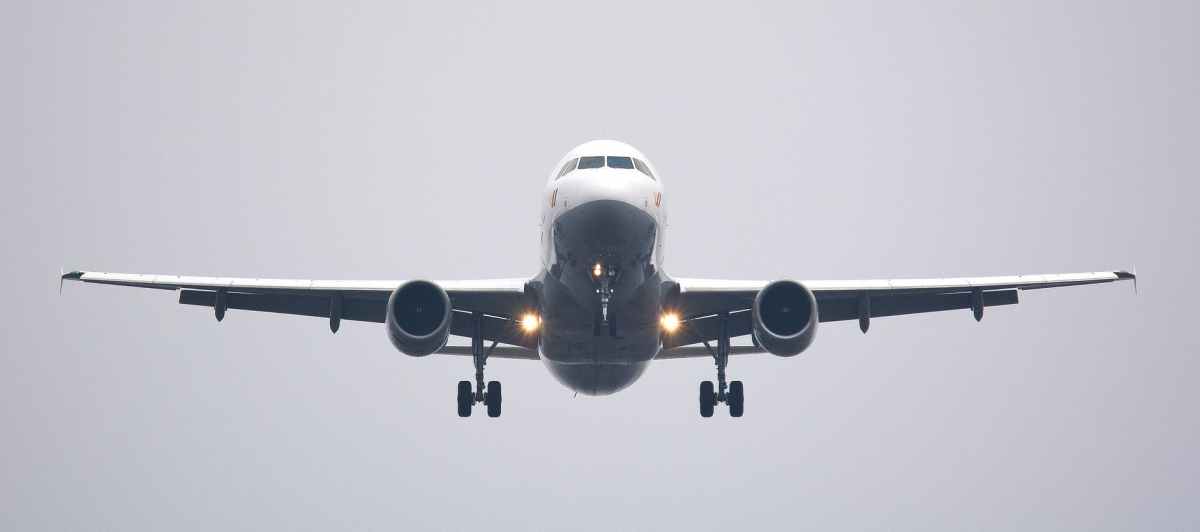
Flying is down to levels last seen in the 1970s. This maybe joy for those who protest at aviation’s environmental footprint. But, given that aviation will be vital to power the world out of the economic crisis brought on by the COVID-19 virus, this is not good news. 

Said it before but I’ll say it again, the triple blow of a Brexit No-Deal and COVID-19 and urgent need for action on Climate Change are going to mean hair shirts years ahead. There’s a great deal of bluff from politicians but the bills keep mounting up. We cannot ignore the oncoming trains. 

Worldwide COVID-19 deaths have now topped 1.6 million[2]

In this crisis, there’s no doubt that the UK has a superbly capable science community. Within that specialist community there are world renowned experts[3]. They work in a global context.  So, the persistent echo of nationalism in politicians COVID-19 response is saddening.  Recently politicians have spoken as if the task of public safety regulation was a competition.  This is sheer folly. It undermines trust.  Ensuring either vaccines or transport systems are safe is NOT a matter for national competition.  We all have vulnerabilities and safety is only assured when we are all safe. 

The triple whammy means the UK aerospace industry is under pressure and needs strategic support from the UK Government to sustain its high value jobs. So far, a deaf ear is all they offer businesses that create prosperity across the country. 

Also, on the horizon is that the UK will be under pressure to scrap European tariffs applied to Boeing imports imposed as a result of the international dispute between Boeing and AIRBUS. The subsidy dispute was between the EU and US and so lawyers are saying the UK should step aside. Sadly, this is the sort of situation that will make Europeans seriously question future aerospace investments in the UK. 


[1] https://www.consilium.europa.eu/en/press/press-releases/2020/12/16/council-endorses-transport-contingency-measures-in-case-of-no-deal-brexit/#

[2] https://www.statnews.com/feature/coronavirus/covid-19-tracker/?utm_campaign=cv_landing

[3] https://www.bbc.co.uk/iplayer/episode/m000qdzd/panorama-the-race-for-a-vaccine

Flight, Risk & Reflections 8.

2-years ago I wrote: “Early in the year, prudently the EU published a series of notices concerning the “No Deal” outcome.  These were stark and based upon the UK becoming a “Third Country” with a blank sheet of paper in front of it.  That’s a Country with no special arrangements with the EU.” It seems that they (EU) were very prudent

That said, let’s be optimistic. News reports are that the UK and EU have transitioned into an intensive phase of negotiations with the aim of getting a much-cherished Free Trade Agreement (FTA)[1].  Here we are coming up to the last week of October 2020. 

Although the outcome remains unclear the wisdom of being prepared for the end of the Transition Period is unquestionable[2]. Aviation has been trying to get to grips with the ups and downs of Brexit for 4-years, but this is the real crunch time. 

As I’ve commented before, the departure of the UK from the European Union Aviation Safety Agency (EASA) was unexpected only a year ago but it’s going to happen on 1 January 2021. This will mean more “red tape” and regulatory costs for UK industry, but the UK Government is unmoved in its position. 

For aircraft design, UK based Design approval holders need to apply to the UK Civil Aviation Authority (CAA) for a UK Design Organisation Approval (DOA)[3]. The UK CAA will continue to apply the European rules as set out in Regulation EU No 748/2012 that determines the rules for the certification of design organisations. Part-21 subpart J of this Regulation concerns the Design of aircraft or the associated components.

For aircraft production, UK based production approval holders are advised to apply for an EASA Third Country Production Organisation Approval (POA)[4]. The same is true for those maintenance organisations who want to work on European Member State registered aircraft.  This is an administrative procedure within EASA and so certificates will only be issued to UK organisations, all being well, after the transition period has expired. 

A lot will depend on what’s in any EU-UK aviation agreements as to any mutual acceptance or recognition of approvals.  Now, no one is able to predict the outcome of negotiations. We all must rely on statements from the UK Government and EU Commission on the latest progress of negotiations. 

To me this is a mighty strange state of affairs. If I reflect on the detailed and thoughtful groundwork done for the creation of EASA back in 2002-3, it’s as if a everything has been thrown to the four winds.  


[1] https://www.bloomberg.com/news/articles/2020-10-25/brexit-talks-extended-to-oct-28-as-u-k-indicates-optimism

[2] https://www.adsgroup.org.uk/blog/prepare-for-the-end-of-the-transition-period-with-our-brexit-webinars/

[3] https://www.caa.co.uk/Commercial-industry/Aircraft/Airworthiness/Organisation-and-maintenance-programme-approvals/EASA-Part-21/Apply-for-a-Part-21-Subpart-J-approval/

[4] https://www.easa.europa.eu/brexit-early-applications#others

Flying, Democracy and Safety 1.

woman in white face mask
Photo by Polina Tankilevitch on Pexels.com

National lockdowns are being effective in controlling COVID-19 outbreaks. The tricky part is that the fear that has been induced in people to encourage compliance with the lockdowns means that any relaxation of rules is going to be difficult. That’s only right and proper, given that the management of risk is a delicate balancing act. Not only that but fatality totals have risen to truly staggering levels.

What is evident is that the way the international air transport industry has been working, its systems, procedures and business models are going to need a radical shakeup. Coronavirus is a game changer. According to @IATA the impact of COVID-19 crisis on long-haul travel is to be “much more severe and of a longer duration” than what is expected in domestic markets.

Aviation safety work is important per se, but it has the added value of maintaining public confidence in air transport. In the past, a minority had a fear of flying.  For as long as we have COVID-19, the situation is different. Now, it’s likely that many more people will be finding alternatives or putting off flying either for business or pleasure.

Governments have introduced measures and restrictions at borders. If these stay in place summer holidays are going to be off this year.

The European Union (EU) and the United Kingdom (UK) continue to try to create a new partnership. The agenda for this week’s round of EU-UK negotiations have been published[1].  It’s good to see that Aviation Safety gets a couple of hours on Wednesday, 13 May 2020.  No doubt a progress report will be forthcoming by the end of the week.

There’s still a possibility that a limited deal could be struck by October 2020.  However, it continues to look unlikely that the UK will seek an extension to talks despite the risks. With confirmation that the UK is in an economic recession the hard-line on the Brexit negotiation time limit looks suicidal. The combination of events is extremely bad.

The great Brexit divide in British politics is alive and kicking. It’s deepening as people harden their views under the weight of the Coronavirus crisis. The political slogan of 2016: “Take back control” now sounds hollow and meaninglessness.

If the EU-UK negotiations fail and a No-Deal Brexit outcome results the harm it will do to ourselves and to our allies, friends and neighbours will be unforgivable in normal times.  It will be unbelievably irresponsible in the middle of an economic and health crisis.

[1] https://ec.europa.eu/info/sites/info/files/brexit_files/info_site/hl-agenda-round-3.pdf

Licences

There is a buzz in the media about commercial pilots’ licences.

It’s almost as well to start with the question: why do pilots need a licence?  The roots of pilot licencing go to the earliest days of flying.  Quickly it was realised that specific attitudes, skills and knowledge were essential to be able to fly safely.  To start with licences were not mandatory.  That changed markedly when civil aviation became commercial.  The need for mandatory licencing was well established in the 1940s when the International Civil Aviation Organisation (ICAO) came into being.

Today, Article 32 “Licenses of personnel” of the Chicago Convention is clear:

  1. a) The pilot of every aircraft and the other members of the operating crew of every aircraft engaged in international navigation shall be provided with certificates of competency and licenses issued or rendered valid by the State in which the aircraft is registered.
  2. b) Each contracting State reserves the right to refuse to recognize, for the purpose of flight above its own territory, certificates of competency and licenses granted to any of its nationals by another contracting State.

Today, the EU Basic Regulation and its implementing rules apply in the UK.  Today, we have a harmonised system with mutual recognition in 32 European States[1].  We respect and recognise each other’s pilot licences.

Tomorrow, post March 31, 2019, the EU Basic Regulation will not apply in the UK[2].  Tomorrow, UK law may be a straightforward copy of the exiting EU law.  At that time mutual recognition is not guaranteed unless an agreement is in place.

So, EU will need to decide – will it recognise a National licence from a “third country” that uses the “same” rules?  Will any recognition be dependent upon rules continuing to be harmonised?  What level of standardization auditing will maintain confidence that the system works?

I can’t answer these questions (yet).

POST: It’s 3-years on from this posting. A licencing imbalance has prevailed during that time. As of 1 January 2023, the UK will cease to recognise EASA-issued licences and certificates for the operation of UK (G-registered) aircraft. Whatever happened to hopes for mutual recognition? Pilot licensing | BALPA

[1] Licences issued by the National Aviation Authorities (NAAs) according to a set of common rules applied by the European Aviation Safety Agency, known as EASA – Flight Crew Licensing (EASA-FCL).

[2] https://ec.europa.eu/transport/sites/transport/files/legislation/brexit-notice-to-stakeholders-aviation-safety.pdf