Who cares? That’s what a lot of people might say. I mean look at our everyday problems. A cost-of-living crisis, crumbling infrastructure, conflicts in the world, turbulence of identity politics and a host of live issue that would take the whole page to list.
Lord Sumption, a crusty establishment lawyer debates with Baroness Chakrabarti, a lefty advocate and lawyer. Both capable and seasoned debaters with respectably different backgrounds. Listening to one I might say; that’s a sound reasoning. Listening to the other I might say; exceptionally good point. Thus, I my view remains the same whatever their debate.
So, for a brief few minutes this morning the subject of a written British constitution hit the airwaves. I can’t break the habit of listening to the Today programme on the BBC Radio 4.
Firstly, to explain. The UK, and its parliamentary way of doing business, is unlike our cousins across the other side of the Atlantic. They are now celebrating a nation’s coming into being, 250 years ago. The foundation stone and a launch into nationhood was a written constitution.
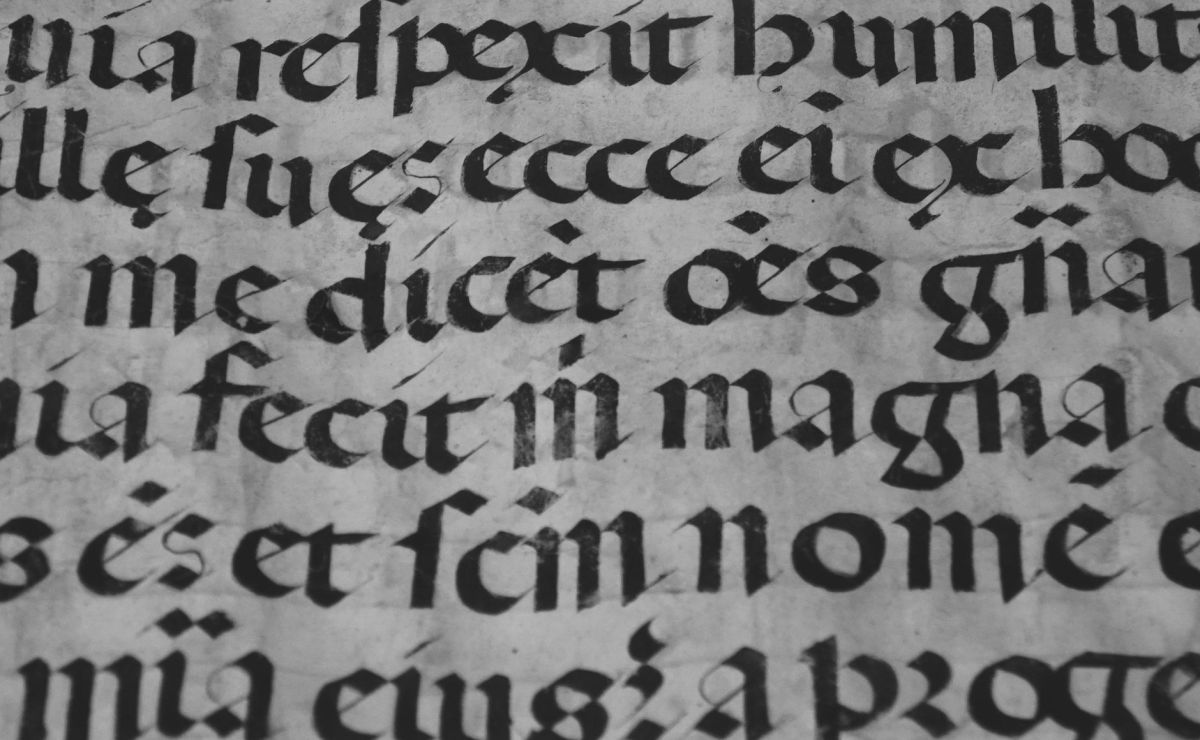
We have done thing differently in the UK. It’s not so easy to trace our constitution back to a moment of birth. Naturally, I will cite one document that has influenced both nations. The Magna Carta’s importance[1] is recognised across the globe. Not only by its influence on modern constitutions but what it says about the rule of law.
[Last year, was the 800th anniversary of the sealing of one version of the Magna Carta].
As an infant a school trip we made was to Runnymede. My teachers clearly wanted to plant an idea in our heads long before we would have any appreciation of what it meant.
[That primary school trip included a visit to the Rufus Stone[2]. A place where I wandered off and got lost in the New Forest but that’s a story for another time].
What I’d say to both Sumption and Chakrabarti is that the subject you debate is fundamentally important. However, it’s easy to get hung up on the word – constitution. As if there’s only two models of such a key construct. To put it basically, one we make it up as we go along and the other, we write rules on tablets of stone.
An argument for leaving things well alone is the flexibility that the traditional make it up as we go along approach can offer. Parliament being sovereign, without question. Even when it’s foolish and unrepresentative. To counter this supremacy of the executive is the dangers of fragility and vulnerability that can be exploited by an errant leader, despot or tyrant.
An argument for change, one I favour, is that our medieval system holds the country back and its not as if we don’t recognise the importance of solemn written commitments. Every Act of Parliament is as such. In fact, Acts can be enabling. So, why can’t a written constitution be an enabling document. It doesn’t have to be overly constraining or practically unamendable.
The problem lies not with agreements in favour of a written constitution; it’s more a problem of how on earth can British society take up this challenge when its mind is on so many day-to-day trials and tribulations. It’s a modern dilemma.
We have a partially broken system that’s unsuited to the coming decades, but we don’t know how to fix it. To fix it, everyone needs to engage.