
There’s a couple of Hydrogen related topics that are worth a moment. One is super conductors and the other is fire.
Heavy complex equipment like the magnets for particle accelerators use superconductors[1]. When there’s space and a need for powerful magnetics, materials with special physical properties, at extreme cold temperatures find a good use.
Talk of room-temperature superconductors is far from what it seems. Such a wonderful innovation is a million miles from any practical applications, if it exists at all. There’s no theory of high-temperature superconductivity, but there’s quite a few physicists who would like to find one[2].
Aviation researchers search for high temperature superconductors for electrical propulsion with extraordinary performance is on. The likelihood of success is low, and the timeframes are very long.
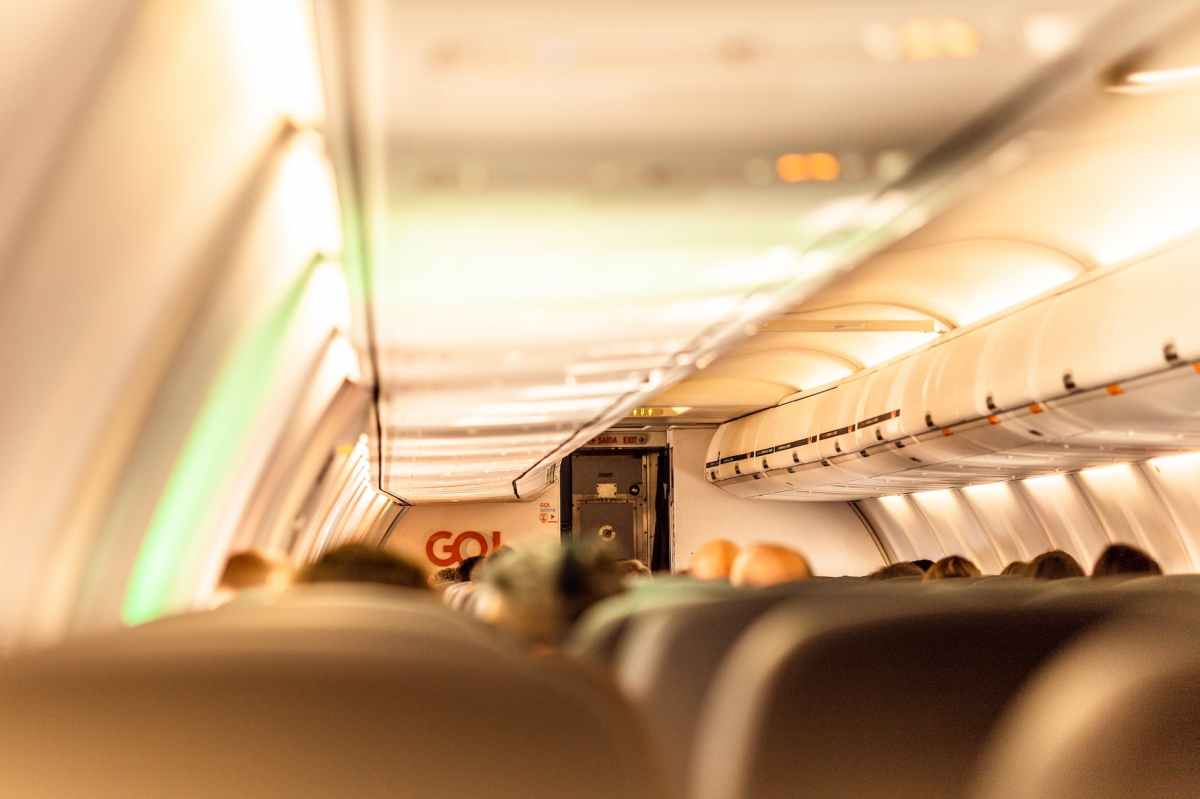
When an aircraft is flying at high altitude, the cabin altitude is maintained for the safety and comfort of passengers and crew. Air compressors, valves, sensors, and controllers make sure that cabin pressure remains at equivalent to an altitude of about 8,000 feet, and lower in some cases. So, any kind of simply flammable gasses or materials inside an aircraft cabin are a definite no no. It’s a big hazard.
In flight, the positive pressure should keep leaking gas out of the cabin. That is as long as the sources of fresh air for the cabin are keep well away from potential leaks.
That’s where Hydrogen gas can present trouble. Leaks can be common in dynamic Hydrogen systems. Storage tanks must be very strong to resist pressures and insulated to keep cold, at around –250°C. Escaping H2 gas is tiny. If that’s vented overboard then the risk of explosion or fire is significantly lowered. Knowing the exact flows of liquid or gas is a must.
However, if the gas finds its way into a pressurise cabin that basic option is limited. Not only that but detecting low concentrations of the gas in the first place is mighty difficult. Its odourless but at least Hydrogen isn’t poisonous.
The big safety issue is that the gas has a very wide flammability range (4 – 70% H2 in air mixture)[3]. Yes, H2 needs a spark to ignite. A typical aircraft cabin environment will easily provide that event. Dry air and static electricity will do it even if other sources will not.
To compound difficulties, if H2 does ignite, and not explode, then its flame may not be visible to the human eye. The flame is almost colourless. Certainly, not what most people think of as a gas flame. Gas and flame detectors could be installed in aircraft cabins and baggage compartments. Audible and visual alarms could be generated but what would be the associated crew actions?
All the above requires detailed consideration in aircraft safety assessments. The move away from prescriptive regulatory requirements means each specific aircraft configuration must be addressed. There are no generic lessons to learn from past aviation accidents and incidents.
Although, I think these puzzles can be solved it’s a huge leap from here to there.
POST: Yes, Hydrogen is not for every application. Small scale aviation is better served by electrification Five Hydrogen Myths – Busted. – RMI
[1] https://home.cern/science/engineering/superconductivity
[2] https://www.science.org/doi/epdf/10.1126/science.adk2105
[3] https://h2tools.org/bestpractices/hydrogen-flames

 John Vincent