
Owned experience is more real than the theory, or the machinations of commentators. Yes, I know climate change and the weather are two different phenomena. My local weather is a part of the equation, even if it has its own life. Living in a shallow river valley in southern England there’s bound to be an element of a microclimate. A little warmer than the sounding chalk hills.
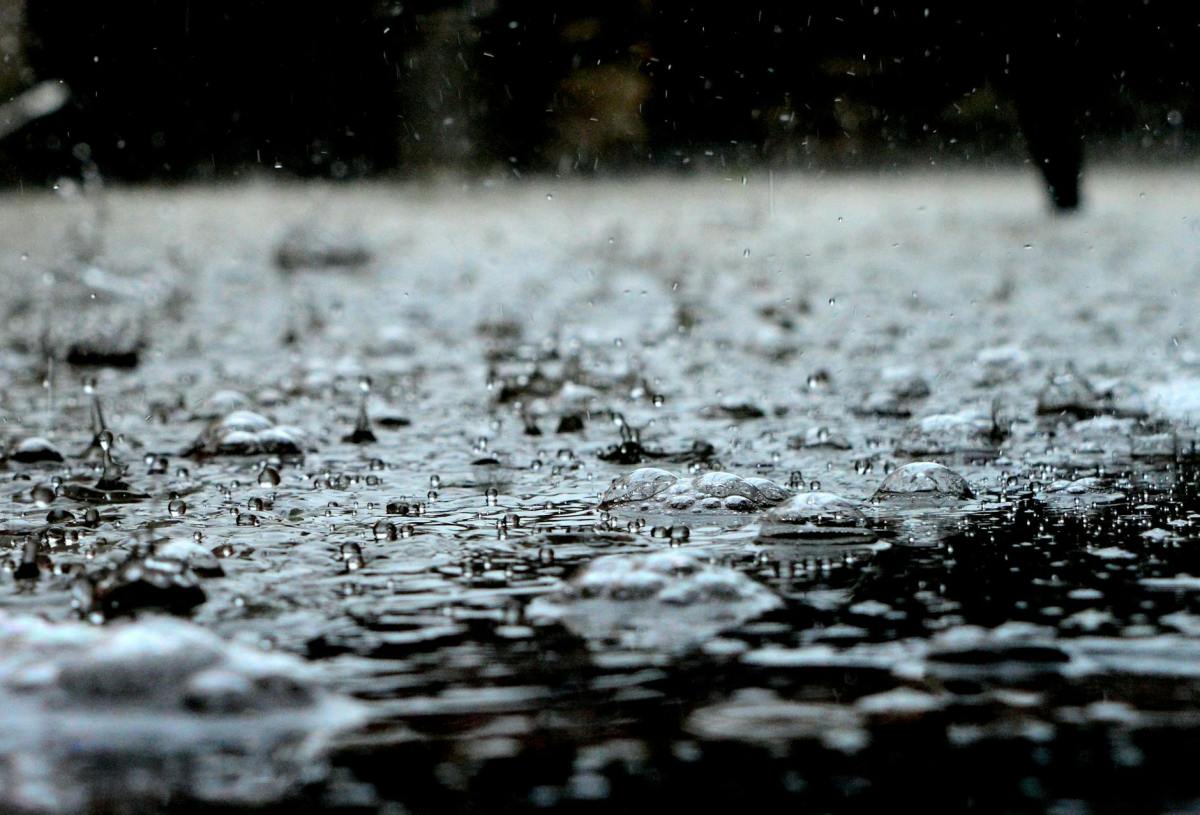
Last night, the rain fell. At about 3am it was ponding the roof tiles. Coming down like stair rods. Dislodged moss on the decking. Making the dark seem darker. Soaking the garden. Water butts that spent most of the year empty, full again. Whereas the water table sank to a depth in the mid-summer. My garden’s soil was hard. Compacted dust and flint in places. Now, it’s as if the ground water has risen to the surface. No place untouched. Grass as green as it has been. Squelching underfoot.
What’s chiming with me is the marked difference from past times. It’s November. The year is coming to an end. For decades past it would be perfectly normal for there to have been at least one hard frost. One of those occasions when the water in the bird bath becomes a solid frozen block. A glistening white cover of the grass. An end to the growing season, for sure.
Looking out of my kitchen window I still have plants in flower. Piles of sodden leaves. With one or two trees still reluctant to give up theirs. The seasons reluctant to move on. More chance of flooding than frozen ground.
Climate change predictions are that rain is likely to become heavier in this part of the UK. Floods to become a more regular occurrence of warming winters. The ground absorbing much more rainwater. River levels staying higher for longer.
What impact this seasonal flip-flop will have is open to question. Dry summer ground as hard as concrete. Wet winter ground constantly saturated. A more rapid change from one to the other.
For a gardener, certainly, this needs to be considered when planting. Seeing what plants will flourish in these changing circumstances. At least, I did invest well in one new willow tree this autumn. It’s about eight foot high and leafless. I’m expecting it to bust into life in next spring.
POST: As if I’d called it, the temperature has started to drop. 2C this morning. So, maybe the point is not that the seasons are changing, which they are, but more the moment of transition from one to the other is changing.

 John Vincent