
Empirical Gardening

I’d say I was an empirical gardener. The try it and see formula. I do read the label that comes with plants in pots. Well, I do say read but more often there’s a series of symbols to decipher.

Getting to know a small patch of land is deeply ingrained in my psyche. It’s a connection that I find hard to break. There are times when I’ve lived without a garden to tend every day. Even then I found myself an opportunity to tend one on weekends. When I couldn’t do that, I’d visit a garden. This is a habit it’s likely I’ll never break.

My family farming background set the scene. A childhood link to the soil. A large farmhouse garden divided by a crossroads. A concrete path that ran north-south and east-west. Each of the four sections of the garden had a different characteristic. One had the shadow of the farmhouse for much of the day. Two were bounded by the deep litter houses and one got the full force of the weather. There was a slight slope towards a lawn on the south side.

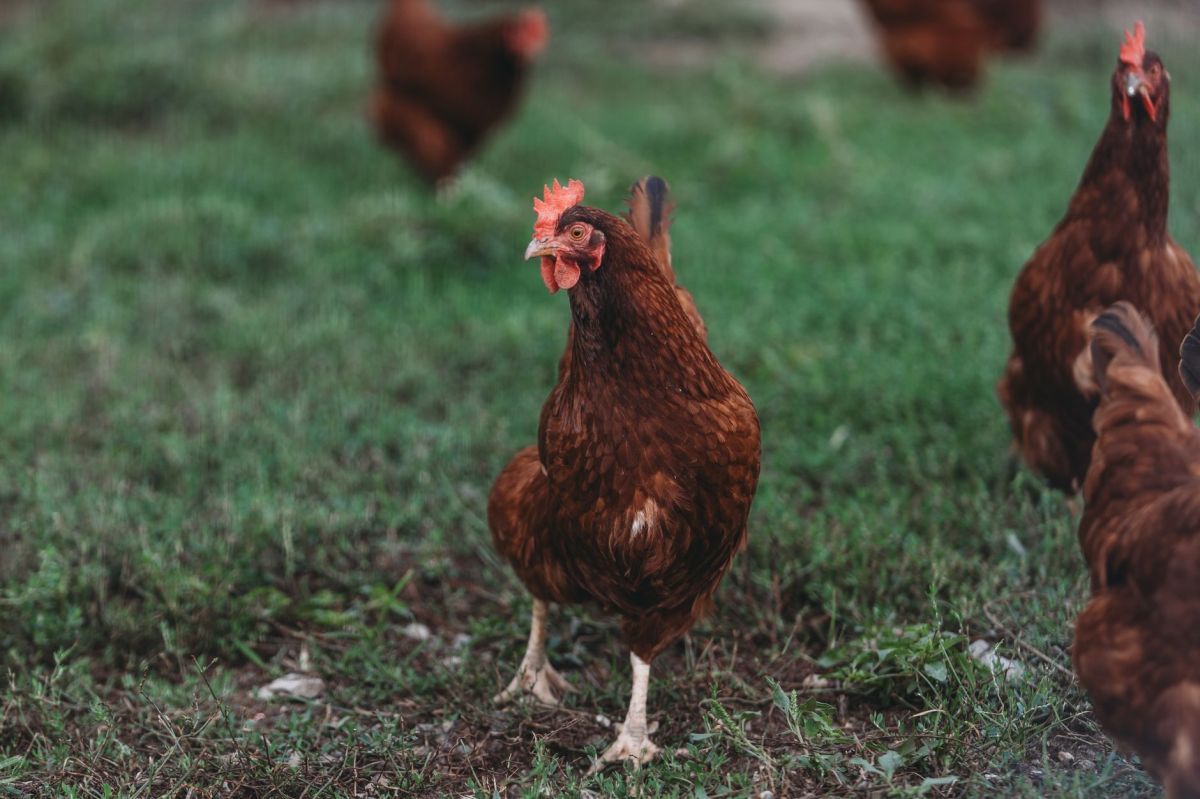
I’d better explain. The deep litter houses were the two big wooden chicken houses. They were called that because chicken droppings and bedding were left to accumulate. The compressed mass of chicken manure was dug out once or twice a year. Most often by me and my brother. Could be three foot deep or more. That’s how we earned our pocket money. It certainly was the cases that there was no end of soiling enriching compost for the garden.

During my childhood, we were not entirely self-sufficient in produce. Got close, I’m sure. There was always a large crop of beans, peas, and potatoes. This was a practical garden with a purpose. The purpose being to feed four hungry boys. Me and my brothers.

There are many differences between where I am now and the farmhouse. The one that makes the most difference to gardening is the soil. The basic geography. The drainage may have been poor, but the fertility of the farmhouse soil was unquestionable. Heavy clay enriched by generations of cultivation. Produce grew on overdrive.

Where I am now, I’m getting to know and wrestling with a soil that’s way different. Although there is a similar origin to the soil. Rivers played their part in forming both soils. The farmhouse clay was sprinkled with small sandstone stones. A positive benefit. My garden soil has pebbles and pieces of flint just enough to hit the spade every time I dig. As the water table rises in the winter both soils create a swamp like environment. As the summer sun sits overhead it makes bakes the soils but with different effects.

Here, the untilled areas compact and take up the characterises of poorly mixed concrete. Impenetrable and hard. Without water the grass dries. Only the deep-rooted plants survive. The lawn looks like an unirrigated Greek field. Where it’s tilled the soil becomes like gritty dust.

In my empirical gardening way, I’m using what I have to hand. I’ve built a series of raised beds. Mixed up a cocktail of native soil, compost, and manure. I’ve created a better growing medium. Even so, with a limited amount of water it’s mostly the deeper rotted plants that are happy.

My sunflowers have been smiling. My potatoes are miserable. Onions seem fine. Tomatoes are indifferent. Only getting started it could be that my pumpkins will be momentous.

This is only my second year working with this new plot. Prior to my digging it was a blank canvas. The whole space was lawn grass designed as one big dog run. One remaining plumb tree was the only trace of a past kitchen garden. For me this is a beginning.
Adapting to Climate Change

Owned experience is more real than the theory, or the machinations of commentators. Yes, I know climate change and the weather are two different phenomena. My local weather is a part of the equation, even if it has its own life. Living in a shallow river valley in southern England there’s bound to be an element of a microclimate. A little warmer than the sounding chalk hills.

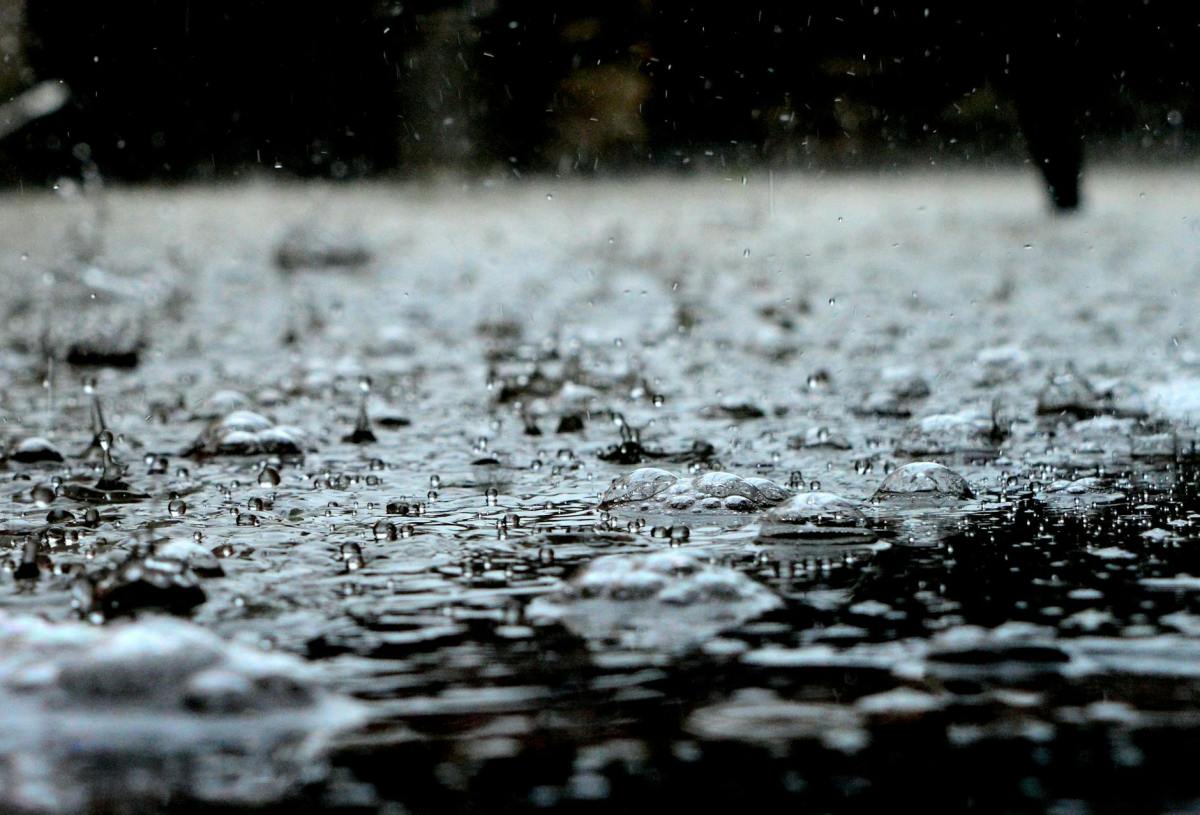
Last night, the rain fell. At about 3am it was ponding the roof tiles. Coming down like stair rods. Dislodged moss on the decking. Making the dark seem darker. Soaking the garden. Water butts that spent most of the year empty, full again. Whereas the water table sank to a depth in the mid-summer. My garden’s soil was hard. Compacted dust and flint in places. Now, it’s as if the ground water has risen to the surface. No place untouched. Grass as green as it has been. Squelching underfoot.

What’s chiming with me is the marked difference from past times. It’s November. The year is coming to an end. For decades past it would be perfectly normal for there to have been at least one hard frost. One of those occasions when the water in the bird bath becomes a solid frozen block. A glistening white cover of the grass. An end to the growing season, for sure.

Looking out of my kitchen window I still have plants in flower. Piles of sodden leaves. With one or two trees still reluctant to give up theirs. The seasons reluctant to move on. More chance of flooding than frozen ground.

Climate change predictions are that rain is likely to become heavier in this part of the UK. Floods to become a more regular occurrence of warming winters. The ground absorbing much more rainwater. River levels staying higher for longer.

What impact this seasonal flip-flop will have is open to question. Dry summer ground as hard as concrete. Wet winter ground constantly saturated. A more rapid change from one to the other.

For a gardener, certainly, this needs to be considered when planting. Seeing what plants will flourish in these changing circumstances. At least, I did invest well in one new willow tree this autumn. It’s about eight foot high and leafless. I’m expecting it to bust into life in next spring.

POST: As if I’d called it, the temperature has started to drop. 2C this morning. So, maybe the point is not that the seasons are changing, which they are, but more the moment of transition from one to the other is changing.

Ragwort

My country knowledge is a mixed bag. Certain facts have embedded themselves in my brain from the days of my youth. That much I take for granted but there’s a lot of holes in my rural knowledge. Sue, my wife often ribs me for not knowing the name of some common bird or roadside flower. It’s the moment when I grab the phone and search for a quick answer.

I’d not been the least bit concerned about the tall, thick staked bright yellow flowers that spung up around here. Growing in clumps on scruffy ground they are certainly colourful. Small daisy like flowers in their thousands. That’s not an exaggeration as the cover of flowers is like a blanket.

For some obscure reason I didn’t know these invasive plants by name. Once I’d heard the proper name for them some recognition clicked in place. Maybe they were not prolific in the West Country of the 1970s. Strangely my mind drifted to “The Return of the Giant Hogweed[1]”. Probably one of the more ridiculous Genesis musical creations.

A fact that I didn’t know about these tall wildflowers is that they are named in a 1959 Act of Parliament[2]. One reason is that they can do damage to horses and farm animals. So, colourful they maybe, what’s a less attractive feature is they are poisonous under certain conditions.

Common Ragwort is the plant in question. It seems that Ragwort is almost impossible to eradicate. The best that can be done is to control it. Each yellow-flowered plant can produce up to 150,000 seeds. These seeds can stay dormant in the soil for up to 20 years. Ragwort is a biennial, it takes 2 years for the plant to flower. On the up-side they are the home of a wide variety of insects.

Today, the weather predictions are for an almost perfect English summer day. Blue skies and plenty of sun. A day to be making the most of the garden.

Once these plants have flowered it’s time to take drastic action. I may find myself pulling up these monsters by the roots. Fortunately, I only have a few to contend with on the edges of my garden. They are not for my compost bin. For the big green bin, the local council empties on a Monday morning.

Ragwort by Anne Stevenson

They won’t let railways alone, those yellow flowers.
They’re that remorseless joy of dereliction
darkest banks exhale like vivid breath
as bricks divide to let them root between.
How every falling place concocts their smile,
taking what’s left and making a song of it.

Poem Attribution © Anne Stevenson, Ragwort

Source Attribution https://poemsontheunderground.org/ragwort


[1] https://youtu.be/BSkgwCpuZwk

[2] https://www.gov.uk/guidance/stop-ragwort-and-other-harmful-weeds-from-spreading