
Two hundred and fifty years. It’s good to see and hear that we still have decent speech writers and a monarch able to deliver an address with immense style and a fair degree of humour. This week, King Charles III delivered an important address to a joint session of the United States Congress. It’s a wonderful reminder that the spoken word can be powerful.
Now, I’m not saying that these good efforts will change much in respect of world affairs. In fact, my view was that the King may have chosen a better time to make the trip across the Atlantic. Nevertheless, what is, is. If nothing else the perspective the King offered is one that looks over the whole of the experience of relations between the UK and US. Not focusing on the aggressively tribal and divided polices of the moment. Perspective is so important.
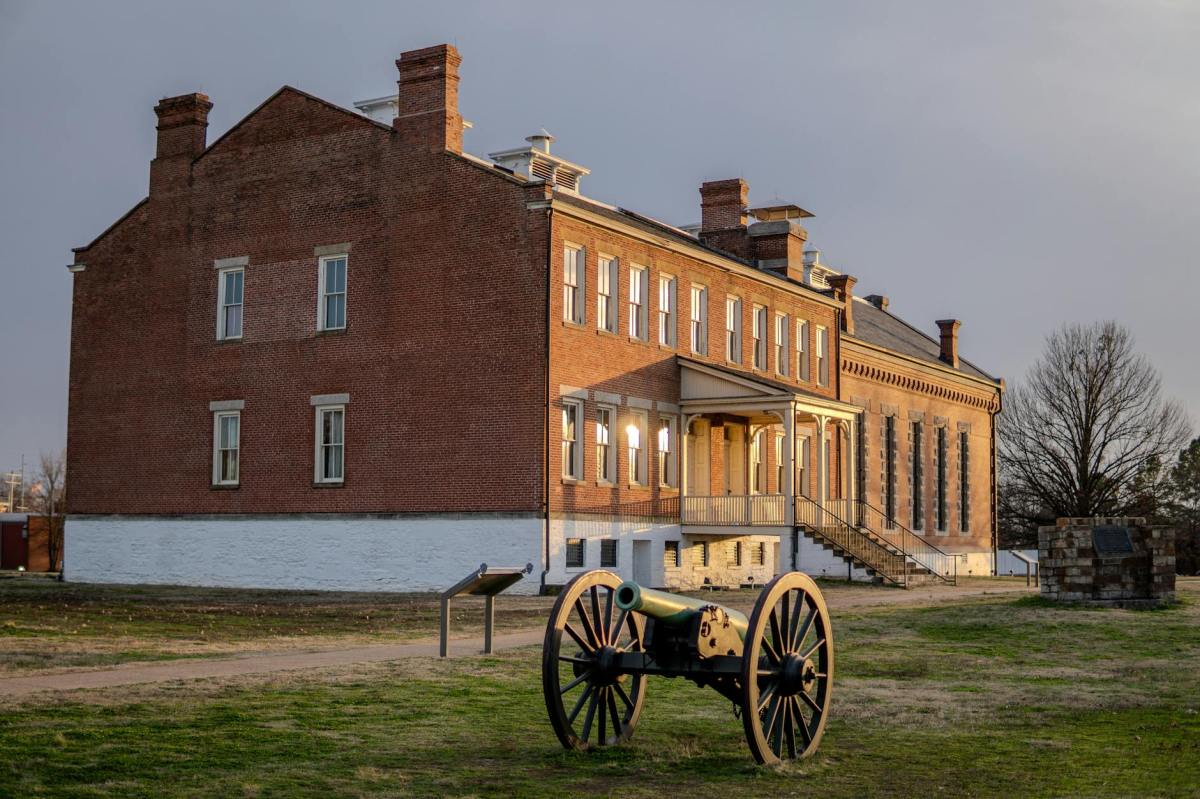
The reference to the history about the British burning down the White House, in a raid on Washington, was one I knew. It was part of a story I learned when visiting Baltimore years ago. Walking around Fort McHenry[1] and thinking what it must have been like when the battle raged. 1814 was a turbulent year.
The forging of independence was ferocious. It wasn’t actions that passed quickly or in one simple sweep. If I remember rightly, events were such that they could have gone either way. There were plenty of Americans who questioned the fight as much as there were those dedicated to it.
Here’s where I’m going. One of the factors that shifted the ground was not the cannon and the riffle. Although war did much to determine the outcome. In the end, it was too costly for the British to continue and the Americans were unrelenting and well organised. To fight and win, motivation is at the heart of the matter. There’s got to be compelling reason to commit all the energies needed. To take on all the inevitable risks and suffer the losses.
This is where the name Thomas Paine comes up. Described as an English-born American. He certainly was English, and thus British. He was a writer. Not a warrior or a politician or even a wealthy man. A simple object. A pamphlet stirred the emotions in a way that fired revolution.
He’s best described as a radical. What that means is a person with the ability to light a fire. To take people on a journey from one place to another. That’s frequently met with discomfort, prevarication and grudging reluctance. There’s every reason in the world not to upset the apple cart or to be content with the status-quo. A true radical will not accept this condition. They are not the easiest of people to live with and often come to a sticky end.
There are two things at play in this story of “modern” history. One is the power of the writer and the other is the medium itself, the pamphlet. Both are required for a storm to brew. Both need to be in tune with their times. This is not merely a story of history. Before and after, Paine there were writers and pamphlets but none that resonated so effectively at a critical moment. Thus, words gave momentum to change that stuck.
Today, there seems to be a surfeit of thinkers and writers. The problem is that none of them seem to be sufficiently in tune with the core of our society. The other problem is the medium for dissemination. New pamphlets exist in digital form. Social media is the river that carries the day’s espials, chronicles and visionary tracts.
In 2026, can someone capture what we want, write it down and draw a crowd around it? I think they can. Where are they?
[And it doesn’t have to be more than 90 pages long.]

