
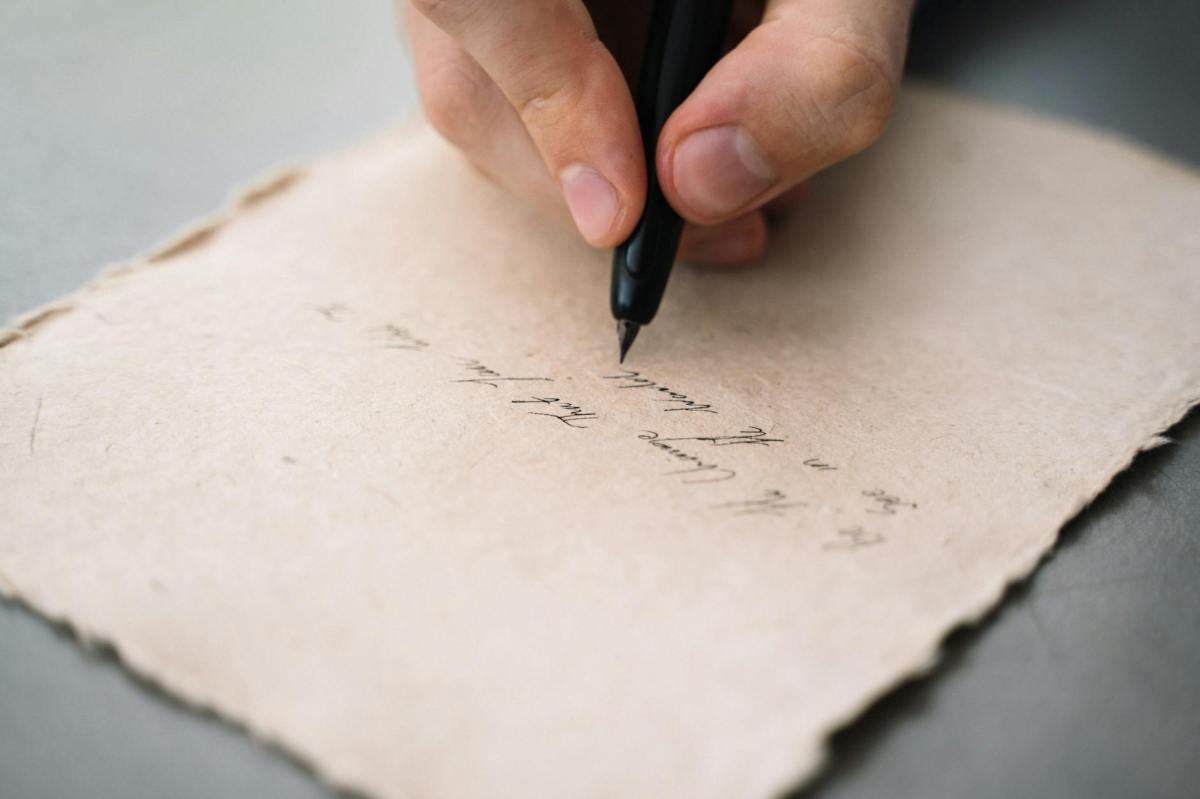
So called snail-mail is in an inevitable decline. One day it will be necessary to explain the concept of an envelope, and what it’s for, to younger people. To write, with a handheld pen, place a piece of paper inside an adequately formed folded paper enclosure and sealing it. This may involve moistening a surface or removing a strip of paper. To take account of the costs associated with this procedure a small, preprinted paper stamp is attached to one corner of the enclosure. The enclosure must meet regulations to then be accepted by a carrier who will take it from a bright red box. This artifact, called a “letter” is then piled up with lots of others to eventually be sorted and directed towards a specified destination. If the process is successful, a recipient may then destroy the envelope and read the letter.
When spelt out like so, it’s no wonder that e-mail has taken over the world. After centuries of operation the popular paper-based means of communication is now a novelty. Classical mail hangs on mostly as a means of getting birthday cards, and other celebratory cards, from A to B.
Even ardent official users, like the taxman, a trying to entice us all to become paperless. Major banks are also exhibiting this aversion to paper. Often more for their convenience rather than ours as their administrative systems become exclusively digital.
There’s a universal aspect that’s shared by the old world and the new world. It’s one that’s almost impossible to shake off. Filter it as we may, the piling up of junk mail is as bad on the doorstep as it is in the in-box. Junk splits into a whole series of categories. Putting aside the malicious and criminal variety, there’s a mass of mail that’s devoted to sales and marketing. I’ve ranted about this bombardment before, even if it makes no difference. The likes of:
“We are always looking to improve your experience with us, and we invite you to give your feedback in this short survey.”
Breaking this e-mail request down, it proports to be to my advantage to spend time answering the sender’s questions. Obviously, it’s to the questioner’s advantage and not mine. To sweeten the pill there’s a chance to win a small prize. Probably with odds set at a billion to one.
If this experience was occasional and advantageous to me, complaining might not be the right way to go. Sadly, the reality is the stream of e-mails, from multiple services, gets so annoying that I wish these tedious e-mails were paper. Then at least my recycling bin would benefit.
My approach is to instantly delete these e-mails. I’m sure that I’m not alone in this one. Customer feedback can go and take a hike. Naturally, I want the coffee shop I regularly use and my main bank to improve their services. But if these organisations think this is the way to do it, I think they have a big hole in their thinking.
Yes, if quick enough, it’s possible to opt in or out of marketing communications but endless feedback surveys seem to be exempt. They are the confetti of the marketing world.
“How did we do?” Is ticking a box really going to provide an answer to that question? “Thanks for your time” Nice, but as insincere as an algorithm can be.
Some forward-thinking organisations may eventually eliminate junk mail. In time there must be a better way of interacting. It’s about time they hurried up.


