
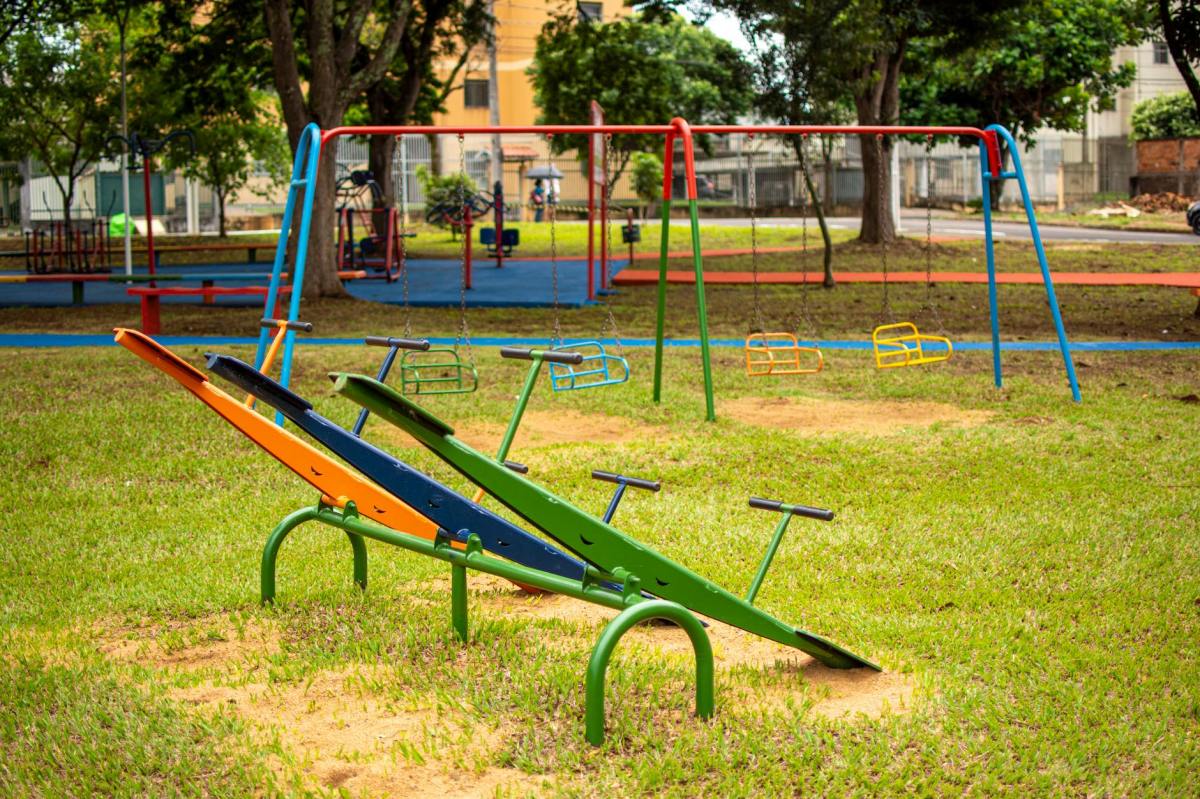
Listening to the leader of the opposition in the UK is like listening to a paddle boat[1] rider whose getting swept out to sea. Paddling ever faster, piling on the rhetoric, with no idea how to get back to the shore. It’s probably a big plastic duck with flaky paint and no safety certificate.
Equating talking tough with talking faster doesn’t cut it. Using the word “plan” without having one is aiming for deep trouble. Doubling down on past errors of judgement isn’t the least bit convincing. Drawing intendable distinctions, as if in front of a judge, impresses few listeners.
May’s elections coming around the corner. These are predominantly local elections. So, when Party leaders bypass the hardy perennials, like the state of the potholes in the roads, and veer off into international politics it’s clear they haven’t much to say. Local authorities provide a substantial number of vital services and so there’s plenty of subjects to address, if they would be minded to do so.
Here we are in a state of play that has a real air of novelly about it. The two tribes that have dominated politics in this country are struggling in the doldrums. Both the Conservative Party and the Labour Party are floundering. Tarnished by a lengthy list of past mistakes. Their current leaders unable to project a vision for the future.
Here we have no council elections this year. Either elections are held once every four-years or a proportion of a local authority are up for election every year. There’s merit in both schemes.
In the first case there can be a more dramatic change of leadership as a whole council changes in one go. That can give the winners a clear mandate to meet a particular promise. On the downside, one emotive campaign issue can dominate, even if it’s small relative to the impact of a new four-year administration.
In the second case there’s a more gradual change of political complexion of a local council. More chance of continuity of actions and polices. Also, the local electorate get in the habit of expressing a view and an election every year at the same time. On the downside this can put more power in the hands of the council officers than the elected councillors.
Overall, I prefer annual local elections in May, despite the cost associated with their running. It’s a better way of engaging the community rather than a build-up to a bigger event. It’s also easier to find candidates who are willing and able to stand for election and likely to see through a full-term in office.
This week is a week for political scientist to chew over something other than opinion polls. Real ballots, in real ballot boxes are so much more real. Professor John Curtice will be on every media outlet. We will see if the predication of the steady decline of the Conservative Party and the Labour Party come about.
I expect that result will be the one that people are talking about at the end of the week. In my view there will be a distribution of votes across the choices that are on the ballot. This will not mean greater clarity or definition of where we are heading as a country. As a liberal, I can’t complin if there’s a great diversity of views expressed.
What I can say it that we will need a better electoral system that copes with a multiple Party array of choices. Electoral reform[2] is likely to become a necessity.
[1] https://swanpedalboats.com/ducks/
[2] https://electoral-reform.org.uk/


