Watch it

Today, the same hubris that plagued the Brexit referendum in 2016 is in the air. That’s when people become dangerous overconfident that they know what’s going to happen next. All the signs in the stars, almanac’s predictions and emotional forces point one way but hard cold reality respects none of these pointers.

It goes like this. Every day there’s a story about how dreadful the Conservative Government has been in recent years. Like tales of manic cartoon characters, the retelling of events is almost unbelievable. At the same time, the opinion polls and the commonly held media assumption is that, come the next General Election, next year the Labour Party will romp home with a workable parliamentary majority.

A great number of people may think that politicians have let them down and public figures that brim with arrogant self-confidence and bluster should not be trusted. However, that may not translate into a simple selection of an alternative. The primitive assumption that voters act in a binary way, dislike candidate A means like candidate B, belongs in a prior century.

This decade is different. The speed with which events happen and then are glossed over or suddenly uncovered is astonishing. It’s frantic. Watching a replay of last year’s “Have I Got News For You[1]” and it’s like visiting a distant land. Even some of the jokes no longer land. Names of people in the daily news rise and fade like waves hitting a rocky shore.

If we, me, and you were entirely rational then I’m sure there would be a strong wish for a period of consistent dull normality. A decade when competent people worked hard to make the world a better place. When the news was more about cats getting caught up trees and puppies chasing balls. When the economy gradually got rebuilt and a feeling of prosperity and security started to spread far and wide across the country. Ultimately, at the end of a term of office the whole country should be happier, healthier, and wealthier.

We are not rational. So, as a life-long liberal I warn my Labour Party colleagues of the dangers of excessive pride and over-confidence. Yes, lots of traditional indicators may suggest that change is coming. I’ve written about the great need for change, but we can soon be shocked or shaken by cold reality. Afterall that’s what happened at the 2016 referendum.

Reasons to vote can come from multiple directions. Personalities can sway the climate of opinion. We may hope for a coming decade of progress and sanity. It’s by no means guaranteed. Hubris is frequently the cause of upsets and surprises. That’s where we are at the end of 2023.


[1] https://www.bbc.co.uk/programmes/b006mkw3

Get Back

The big picture story is that Europe needs unity more and more to face the future.

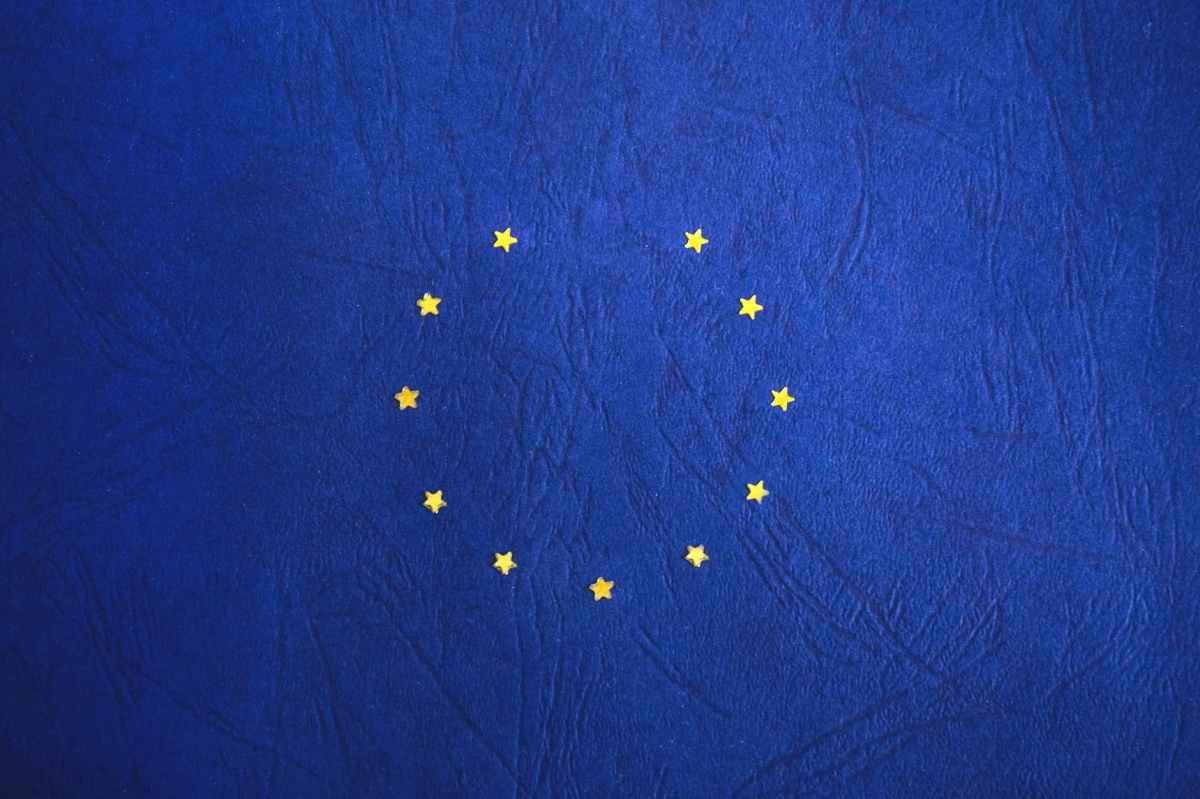
Today, a National Rejoin March takes place in London. This march takes place when it’s all to evident that Brexit has been an abject failure. Having the bravery to admit that Brexit is a failure remains challenging. UK political leaders are shying away from admitting the reality of our common situation.

Thousands of those who support the UK being a European Union (EU) member are gathering in the capital. It’s time to ensure a message gets sent that re-joining the EU is a popular and gaining momentum. Members of Parliament (MPs) may not be in Parliament on the weekend, but the message sent by those on the city’s streets is strong and clear.

It’s true that this is a frustrating experience. I’ve been on many organised London marches. They are characterised by their camaraderie, positivity, and great spirit. Marching makes a difference to the people who march and it’s also makes a wider impact. Media coverage may be sparce. What they do see and hear is a sense of solidarity and unity.

Sadly, there are no apparent results flowing from this national campaign, so far. The UK’s out of touch political parties are trying to look the other way. Today, the fearful nature of the bland mixture of our political leaders is immensely disappointing. They scurry around like little brown rats. Looking busy but terrified of stepping outside their comfort zone.

Tinkering with the Trade and Cooperation Agreement signed by former Prime Minister Boris Johnson will deliver only more disappointment. Papering over that public disappointment, we can rely on a part of the tabloid media spinning threatening stories. The artificial culture wars raging between the political right and left have little to do with reality. This noisy nonsense plunders the opportunity to make life better for the vast majority. It’s a side show.

The big picture story is that Europe needs unity more and more to face the future. If it’s climate change, war, immigration, or economic troubles sustainable solutions cannot be found in isolation. Our region of the world is so interconnected and interdependent that events in one part of Europe inevitably affect others. Brexit does not work.

Future generations will look back on this era as being a regressive one. Opportunities lost and difficulties increased by a lack of political bravery. A lack of direction. A lack of leadership. This will be overcome in time, but that change will not come soon enough.

POST: Reporting on the event Pro-EU supporters march for Britain to rejoin the European Union (france24.com)

Get Back

It’s painful to watch. Frightening. Seeing them take over London. Yes, I did hide behind the sofa when the Cybermen[1] came on. But then again, I was only around 6 or 7-years old. They converted humans to their kind by removing emotions and personalities. Scary stuff. The sort of evil creatures that nightmares are made of. With bodies made of cybernetic parts they seemed undefeatable but like so many great science fiction stories they had weaknesses, and the Doctor knew them. My early Dr Who knew exactly what to do.

In this case it’s not fiction that I’m writing about. Just the same it was painful to watch. Frightening. Seeing them take over London and the whole country. We had years of this scary drama. In fact, its still going on around us now. Laura Kuenssberg’s State of Chaos[2] has been a true horror story. This week I caught the Part 2. I don’t think I can take another Part.

History is being penned quickly in our media age. Watching the story of how our political system was smashed-up by a bunch of marauding, well, I don’t know what to call them. Is there a collective term for careless, egotistic, idiotic, manic, obsessive, power-hungry politicians? A term one can use in polite company, that is.

Since 2016, and to a lesser degree just before, the march of Conservative politicians has been to the tune with a dangerous beat. Smash-up the norms, disregard sound advice and steam ahead with blind arrogance. Much of this is epitomised by the character of Boris Johnson, but there are so many other in the cast strange and obsessive people.

Kuenssberg must tread a fine line because getting caught up in the finger pointing polarisation of the politicians is perilous. In her time as BBC Political Editor, it must have been like walking across Niagara on a tightrope every day.

The State of Chaos is giving us a new perspective on the Conservative Party’s on-going civil war. It seems the situation was even worse than we had been led to believe. This documentary is a treasure-trove of extraordinary material that is only a sample of what happened.

I’d say we all agree. It doesn’t matter which side of the Brexit argument that you stand or stood. Utter chaos has transpired in the reign of the last 5 Conservative Prime Ministers. Interviewees can point fingers at each other, all the same the word chaos applies.

In the coming months the lessons from this fearful period need to be learned. A new normal need to be established. We need to get back[3] what we have lost. Get back a sense of responsibility. Get back a reputation for competence. Get back ambition for the future.


[1] Dr Who. The Cybermen first appear in the serial The Tenth Planet in 1966, set in 1986.

[2] https://www.bbc.co.uk/iplayer/episodes/m001qgww/laura-kuenssberg-state-of-chaos

[3] I must be channelling The Beatles.

Three Decades

There are a couple of events that have reverberated over the last three decades.

1993 started with Bill Clinton taking his place as the 42nd President of the United States. So, you might say change was in the wind in that year.

History doesn’t repeat but there are changes that give the impression of a pattern. In 30-years, our daily lives have transformed dramatically. Technology has accelerated to a point where there isn’t much that it doesn’t touch.

Subscribing to the notion that there are cycles that rise and fall over the decades there are similarities between now and then. There are plenty of opposites too.

Early in 1993, the Bank of England lowered interest rates to 6%. This was the lowest rate available since 1978. Now, we have bank interest rates heading in the other direction and heading for 6%. The biggest political issue in that year was unemployment. Today, the situation has flipped. There are recruiters who can’t find the people the British economy needs.  

What’s analogous is that the Conservative Government of the day was in deep trouble. There seemed to be a future Labour Government in the waiting room. The Conservative Prime Minister (PM) of the time, John Major was unpopular, and the polls showed the public mood was gloomy.

Strangely, there was slight indications that the economic situation was gradually improving. The end of the 1990s recession was becoming real. The conservatives must have felt heartened by the US Presidential election campaign theme declaring it’s “The economy, stupid[1].”

On the ground the daggers were out for John Major. Parliamentary byelections in Newbury and Christchurch were resoundingly won by the Liberal Democrats. The Conservative government did not benefit in popularity from the economy coming out of recession. Then inflation was coming down. It hit 1.3% in May 1993. Consider that with what is happening with the inflation rate that is hanging around now.

There are a couple of events that have reverberated over the last three decades.

One was the formation of the UK Independence Party (UKIP). Support for leaving the European Union (EU) was taking a shape and form that would lead to political change. It didn’t seem like it at the time. There was an element of the movement that was purely protest coming from cantankerous and disgruntled Conservatives.

The other was John Major’s disastrous “Back to Basics” campaign. If ever a British political campaign was misjudged that, was it. The campaign exposed an unpopular and split political party to ridicule and gave cartoonists and satirists a huge boost.

The current Conservative PM, Rishi Sunak hasn’t quite made that error – yet. However, his simple shopping list approach is creating a hostage to fortune. The direction of travel has similarities to 1993. Will Rishi Sunak survive the coming General Election?

The jury is out on that one. I’d like to say – no. The economy may soon slide into recession but it maybe underlying unpopularity that is the greater deciding factor.


[1] A phrase that was coined by James Carville in 1992.

Yawn

Even seasoned presenter Fiona Bruce looked as if she was embarrassed. She certainly struggled to hold together a programme that was as dull and predicable as it was lacking in either appeal or entertainment. I persisted in watching the evening’s debate on the small screen, in the hope that some light would be shed on where we are now, and how we got here. Seven long years on from the Brexit vote, the people who wanted it to happen were ask – how’s it going?

I wondered if it was a schedulers sense of humour that one media channel was showing the classic movie: The Magnificent Seven (1960). 

Question Time[1] was once a flag ship political programme for the BBC. Last night, it got to a new low. The venue for the debate was in Clacton-on-Sea[2], a small English town on the east Essex coastline.

The Question Time audience was selected from people who voted to Leave in the referendum on the UK’s membership of the European Union (EU) back in 2016. Making it usual, this parliamentary constituency voted nearly 70 per cent in favour of Brexit.

To sum up, it was the sort of conversation you might have with a disappointed grump on a scruffy park bench, on a rainy day: “The world’s going to hell in a handbasket. It’s those b***** politicians, you know.” That meaning an aggressive stance towards anyone who disagreed with their opinion.

One or two in the audience were brave enough to reflect and reconsider their past position. There’s a discomfort in publicly coming out as a doubter. Hats off to those brave few.

Amongst the panellists, one fitted the above description, one continued their religious devotion to Brexit, two sat on the fence and one attempted to look ahead at what may happen next to the UK. I can well imagine why no government spokesperson was willing to step-up and address this event.

It’s a peculiar situation for part of the country to be in. Those who desperately wanted a “Hard Brexit[3] got a Hard Brexit and are immensely dissatisfied with a Hard Brexit. They want an even harder Brexit. Chances are that would make everything worse. Chances are that they would then demand an even harder Brexit. Chances are that spiral of insanity would continue.

The stance of the Labour Party shadow cabinet minister on the panel was unfortunate. However, the tightrope they are walking, in the run-up to a General Election is a shaky one. I’ll bet that both Labour and Conservatives parties will be desperate not to talk about Brexit over the coming year.

The world of British politics and the media will likely skirt around the elephant in the room as much as they can. Nearly everyone knows Brexit has been a disaster but few wish to face it head-on.


[1] https://www.bbc.co.uk/programmes/m001n3px

[2] https://www.gazette-news.co.uk/news/18207250.clacton-residents-mark-brexit-day-wild-celebrations/

[3] https://ukandeu.ac.uk/the-facts/what-is-hard-brexit/

Momentous Vote

Will a line be drawn under the shenanigans of the last few years?

Number 3 on the BBC News list? This was not a vote in the Conservative Party it was a vote in the mother of Parliaments. It was a vote that put the likelihood of Boris Johnson making a political comeback at extremely improbable. Yet, it was number 3 on BBC News. Well, I guess it was considered by the newsroom as a minority interests subject at 10 pm in the evening.  

A House of Commons (HoCs) vote took place on the findings of the Committee on Privileges[1]. Not a great title but that committee thoroughly undertook the job of addressing the vexed question of a Prime Minister lying to Parliament. That means lying to us all. 

19 June 2023 should go down in British history. There was no civil war. The statue of Cromwell outside parliament remained unmoved. Parliament deftly asserted its right to take a view on the behaviours of a former member. Not just any former member but a former Prime Minister (PM). A PM being held in contempt of Parliament is not an everyday event.

The current PM staying away was a show of poor pollical antenna. Images of a vacuum in leadership will haunt him here on in. While another former PM endorsed the report and thanked the committee for their work. Several cabinet members did the same. The leader of the house acted with a solemn certitude that she is becoming known for.

For Conservative Members of Parliament, it was a sad and difficult duty. Each member was given the chance to make up their own minds about the report.

Upholding the truth matters. Both the Parliament’s HoCs and the Committee on Privileges set themselves on the path to restore public confidence in democracy.

Questions as to why Boris Johnson was ever elevated to the position of PM in the first place were not answered. Some members spoke with anger in their voice. It’s the case that magnificent oratory was missing from many contributions, but the heartfelt reflection of constituents’ rage was sincere.

To succeed, in the British political system a PM must have an effective working relationship with Parliament. They don’t need to like each other but a degree of respect is essential.

Parliament may look weak in that there’s limited meaningful sanctions that it can impose on a past member. A member who jumps before they are pushed appears to get off. However, the impact of the events of 19 June 2023 means that Boris Johnson will practice only with a media bully pulpit.

What remains for us to find out over the next few years is how that will play out[2]. Will a line be drawn under the shenanigans of the last few years?


[1] https://www.bbc.co.uk/news/uk-politics-65953605

[2] https://news.sky.com/story/boris-johnson-vote-sunak-privileges-committee-report-on-lied-to-parliament-12593360

Time for Change

….people have been living, loving, and telling tales for thousands of years on this great European island.

The past is another country. So, it’s said. We now hear those who claimed Boris Johnson was the only man who could unite the Conservative Party eating their words. Eating them with a shovel. It wasn’t as if their support for the former Prime Minister was measured and rational, earlier it reached blind obedience as the troubles of the last decade accumulated. Lies, monstrous errors and blatant foolishness were defended by many who claim to be – working for you. 

I know loyalty is important. Any team, or institution needs a degree of unity to go forward with confidence that it can deliver. It’s the miss-appropriation of that loyalty and its twisting into unquestioning conformity that corrupts democratic processes. Politician minions will tramp along under any flag that will give them gongs.

It’s fascinating how flamboyant and raucous personalities can steamroller over convention and Pied Piper[1] like lead us into misfortunes. Hang about – we have a recuring problem here. This week, I was reminded of Itay’s challenges of a couple of decades ago. I remember Italian colleagues quietly apologising for Silvio Berlusconi[2].

A common feature of these personalities is an immense sense of self-importance. Whatever the story, it’s always about them. This is playing out with Boris Johnson’s departure from parliament. It’s playing out with Trump’s ambitions in the US. There are others but the mere act of using their names is distasteful.

Vulgar, scandal-ridden, and manipulative characters make good drama. On the pages of plays or the big or small screen we like to see rampage and for them get their just deserts. Classic stories of the rise and fall of demi-gods, showmen and tyrants are a literary staple. They are fictional warnings that can, and do, get copied into real life. We should, more often, heed those warnings.

There such a thing as a free lunch. Having your cake and eating it too, is a myth.

It’s coming up to Brexit’s 7th birthday and the annual pagan midsummer celebrations at Stonehenge[3]. Of the two, one reminds us of how foolish we can be. The other, reminds us of the enduring nature of our beautiful landscape and heritage. It comforts me every time I go up and down the A303. The reason being that whatever folly we encounter in our era, people have been living, loving, and telling tales for thousands of years on this great European island.

The people of Stonehenge were not isolationists. Artifacts found show that they traded widely. They communicated over large distances as part of a widespread prehistoric society. Brexit will be consigned to the dustbin of history in coming years. What counts about this wonderful land will endure for generations.


[1] https://www.bbc.com/travel/article/20200902-the-grim-truth-behind-the-pied-piper

[2] https://www.bbc.co.uk/news/world-europe-65877241

[3] https://www.english-heritage.org.uk/visit/places/stonehenge/things-to-do/solstice/

Stomping off

Boris Johnson is going from the green benches but, like it or not, he will still be with us as a voice for Brexit

Middlesex is a place that isn’t a place. When I lived in the English town of Staines, the postal address would often have Middlesex as the county. In fact, Staines is in the county of Surrey. History, and former administrative boundaries still echo into the present. It’s not confusing for postmen and women but for anyone unfamiliar with that part of the world, it’s strange.

Uxbridge is in Middlesex, or it was in past times. In electoral terms, the UK Parliament constituency of Uxbridge and South Ruislip [1] is a marginal seat. It’s that far west boundary of London.

Uxbridge is a university town. Uxbridge has a London tube station.

During the 2016 UK referendum on European Union (EU) membership, I stood with local students at a table in the street outside Uxbridge’s tube station. We had lots of interesting encounters with residents talking about what would, or would not happen if the Leave campaign won the referendum. If I remember rightly, the disposition of people we met was about 50:50.

A conversation with one local businesses man turned out to be quite revealing. He put it like this – my head tells me to vote to stay in the EU, but my heart tells me to vote to leave the EU. On the day, for a majority it seems that the heart won out over the head. The consequences of that vote we all now know.

Uxbridge and South Ruislip is in the News. Projections focusing on the next General Election are confident that the Parliament constituency will flip from Conservative to Labour. The polls show a highly likly swing.

That would mean that Boris Johnson’s time as Member of Parliament (MP) would come to an end with electoral defeat next year. So, the current News that Boris Johnson has resigned as a Conservative MP is not such a surprise to me. Usually, an MP in such a position does what’s called the “chicken run”[2]. That is, they get selected as a candidate in a more winnable seat so that they can retain a career in Parliament. Boris Johnson has moved seat before.

Boris Johnson is all about drama. Boris Johnson is all about exceptions. Stomping off and ranting about the unfairness of his enemies is designed to get weekend newspaper columnists filling pages about him. He’s never going to go quietly. Even outside the House of Commons there’s always going to be a well-paid pulpit for this torrid man. The loud noises he makes appeals to a section of the country, much as Trump does the same in the US.

Middlesex has gone but it’s still with us. Boris Johnson is going from the green benches but, like it or not, he will still be with us as a voice for Brexit. The reality is that the Conservative Party is split. Broken apart by in-fighting. It’s in chaos. In a way, there is a parallel with the mid-1990s. Disputes over our place in the world, and Europe continue to fracture our politics.  

POST: It has been noted that there’s no former UK Prime Minister in modern times who has so strongly attacked Parliament’s institutions and former colleagues as Boris Johnson. How British voters will respond to his victim narrative will play out next week.


[1] https://members.parliament.uk/constituency/3817/overview

[2] https://www.spectator.co.uk/article/are-mps-doing-the-chicken-run/

Head in Sand

Well, it’s happened. A debate. Are we any wiser? Well, not much. So many good points are raised but so many good points are dismissed by current Government Ministers. So deep are they in a mess of their own making.

On Monday, 24 April at 16:30, a UK Parliamentary debate[1] took place on the impact of the UK’s exit from the European Union (EU). This was consideration of e-petition[2] 628-226 relating to the impact of the UK’s exit from the EU. On the day of this debate this petition had attracted over 178 000 signatures. Petition debates are “general” debates which allow UK Members of Parliament (MPs) from all political parties to discuss important issues raised by the public.

The petition reasons that the benefits that were promised, if the UK exited the EU have not been delivered. Not at all. Although this fact might be self-evident it never-the-less warranted a timely debate. Public support for Brexit is falling as every day that goes by.

The petitioners called upon the UK Government to hold a public inquiry to assess the impact that Brexit has had on this country and its people. Given that other less impactful events have been subject to a public inquiry it seems only right that Brexit be investigated.

The call for an independent public inquiry, free from ideology and the opinions of vested interests is only fair, right, and proper in an accountable democratic 21st Century country. Transparency is a mark of good governance.

Today’s, Brexit is damaging the UK’s economy, opportunities for young people and rights of individuals. It’s well past the time that the people of the UK were told the full story. There needs to be a way out of this mess.

In the debate the point was made that the two biggest Westminster political parties continue to be committed to Brexit despite the harm that it’s doing to the UK. A long list of disbenefits were rattled off as speakers paced through the evidence. A long list that is growing.

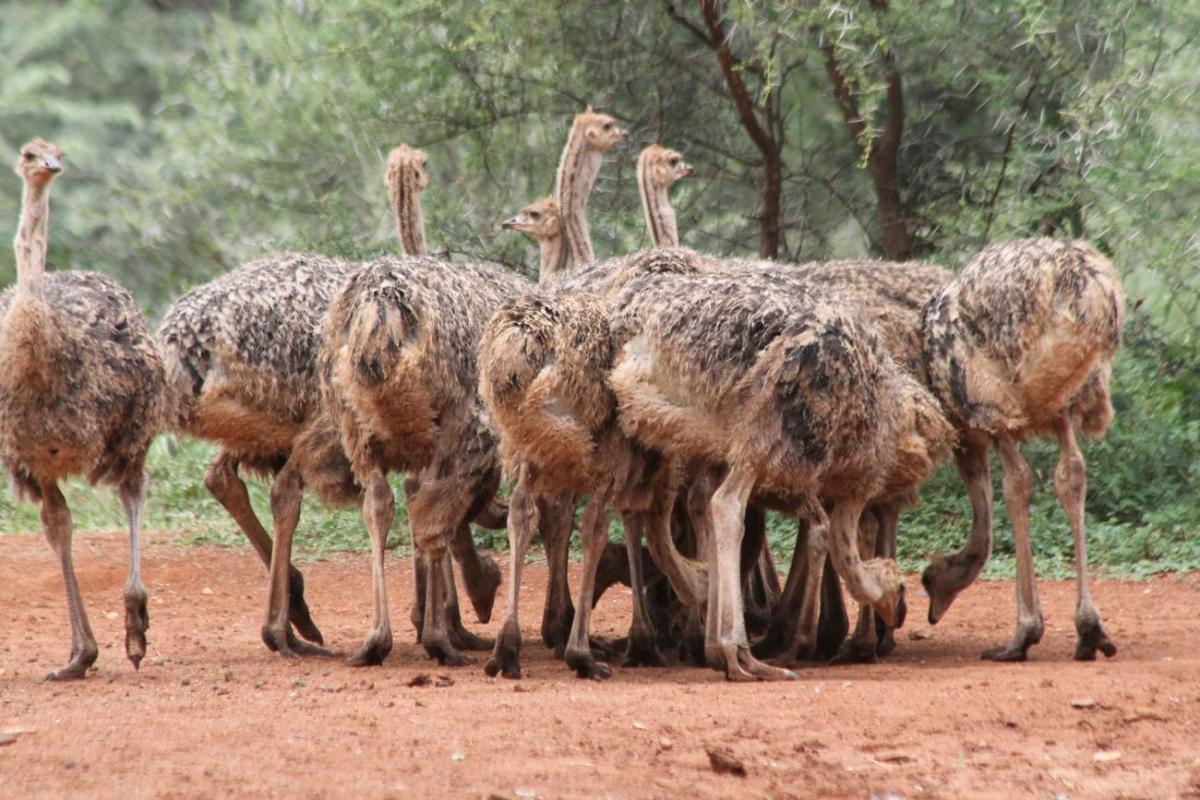
The Government’s current approach is to ask UK Parliamentarians to stop talking about Brexit. It’s the ultimate ostrich with its head in the sand[3]. Brexit is a gigantic strategic mistake. Unfortunately, there remains a significant number of English politicians so entrenched in the mythology of Brexit that change is slow in coming. The public are way ahead of the politicians.

Stereotyping people as being in one camp or another, with the aim of continuing to divide the public is the unscrupulous tool of those people without a rational or coherent argument to make. It’s clear, progress will not be made until Ministers recognise that Brexit was a mistake. We may have to wait until after the next UK General Election before a real change is possible. Let’s hope that day comes soon.

POST 1: UK Press reports on the debate MPs debate consequences of Brexit for first time | The Independent MPs debate Brexit impact ‘for the first time since leaving the EU’ | The National Brexit: MPs call for public inquiry into impact of leaving EU – BBC News

POST 2: Brexit is a drag on the UK Sunak Grins And Bears It As Boss Hits Out At Brexit’s ‘Drag On Growth’ | HuffPost UK Politics (huffingtonpost.co.uk)


[1] https://youtu.be/iHzf1BQFXq8

[2] https://petition.parliament.uk/

[3] It’s a myth ostriches bury their head in the sand. Though this isn’t true, Ostrich Syndrome is a popular belief. It’s avoidance coping that people use to manage uncomfortable feelings or rather, not deal with them.

Pointless Brexit

Democracy’s malleable frame. I don’t recall the people of the UK being given a referendum on joining a trade block in the Pacific. Nice thou it is to have good relations with trading nations across the globe it seems strange that the other side of the world is seen as good and next door is seen as bad. It’s like a person looking through a telescope through the wrong end.

Back on 23rd June 2016, voters in the UK were asked if Britain should leave the EU. No one really knew what “leave” meant as all sorts of, what now turns out to be blatant lies were told to the public. The words “customs union” were not spoken in 2016. If they were it was in a tone of – don’t worry about all that, we hold all the cards, nothing will change.

Today, UK sectors from fishing to aviation, farming to science report being bogged down in ever more red tape, struggling to recruit staff, and racking up losses. Sure, Brexit is not the only trouble in the world, but it was avoidable unlike the pandemic and Putin’s war.

We (UK) became a country that imposed sanctions on itself. A unique situation in Europe. If some people are surprised, we have significant problems the really ought to examine what happened in 2016. It’s a textbook example of how not to do thing. The events will probably be taught in schools and universities for generations to come as a case of national self-harm.

Democracy is invaluable but when a government dilutes a massive question into a simple YES or NO, they dilute democracy too. It’s the territory that demigods thrive in. Mainly because this approach encourages the polarisation that then drives ever more outlandish claims about opponents. The truth gets buried under a hail of campaign propaganda, prejudice, and misinformation.

What Brexit has stimulated. A growth sector, I might say. Is the blame game. Now, when things go wrong, UK politicians can always blame those across the other side of the Channel. Standing on the cliffs in Dover its easy to survey the mess and point a finger out to sea.

If some people’s motivation for voting for Brexit was to control borders and stopping immigration the failures are so obvious that they hardly need to be pointed out. Yet, politicians persist with they myth that a solution is just around the corner if only UK laws were made ever more draconian. A heavier hand, criminalisation and the blame game are not solutions. These acts will merely continue the round of calamities and failures.

Brexit has unlocked a grand scale of idiocy. The solution is to consign this dogma to the past.