
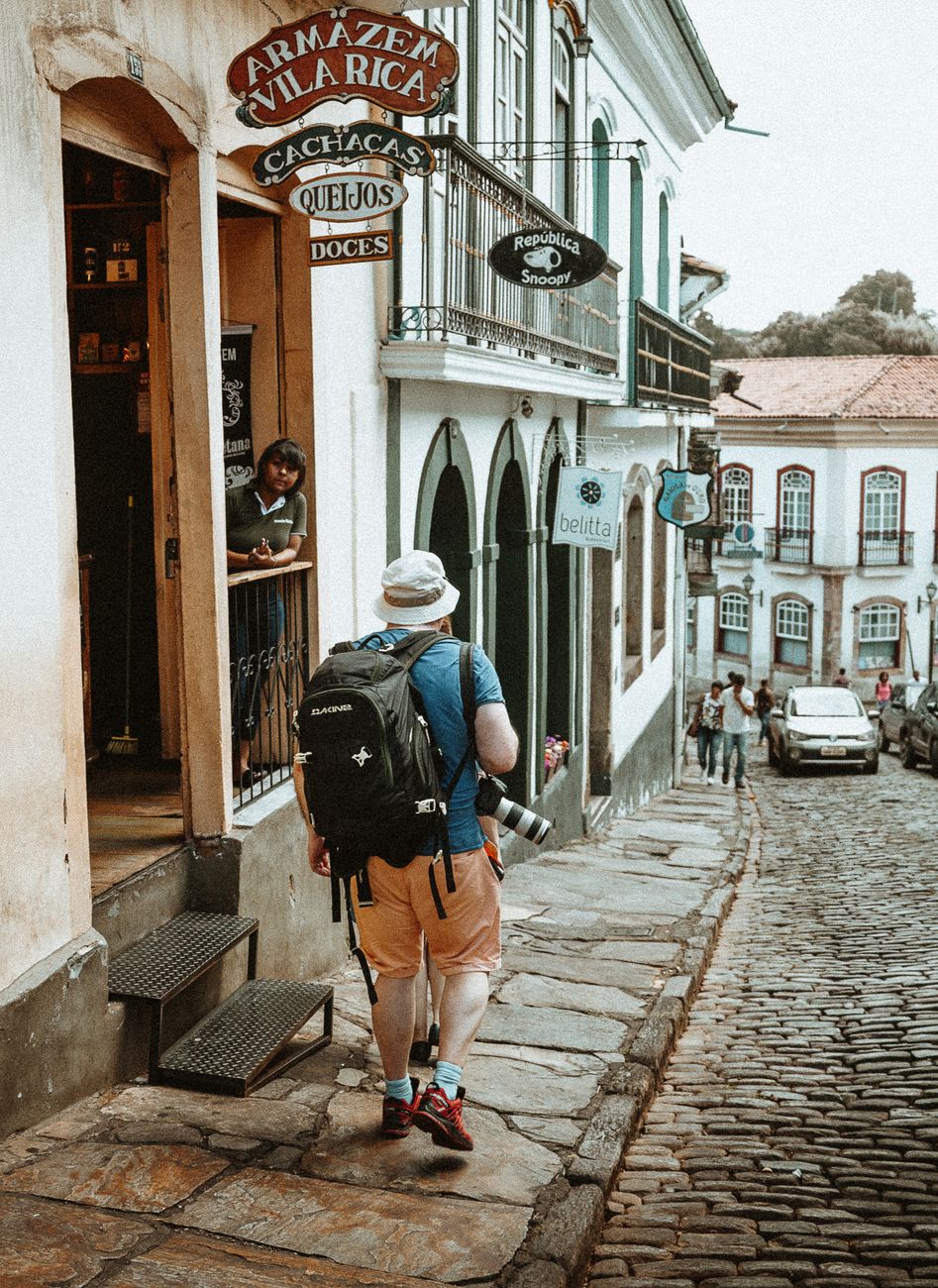
Travel Dilemma

A dilemma. Travel is a unique way of enhancing life’s experience. Travel inevitably has an environmental cost. It’s a predicament that’s impossible to avoid. I could look at this as a balance of pros and cons. That’s to seek a reason to balance the scales. It’s what I’m inclined to do. A highly rational way of viewing a dilemma.

This doesn’t work for everyone. Belief comes into the equation. For those who see the world on a knifes edge, tittering on the brink of environmental disaster, any argument about travel is shaped by trepidation. People can get quite puritanical about travel’s burdens.

Equally, there’s a group of people who fit in the “burn baby burn” camp. Those who will not give a tinker’s cuss about global environmental arguments. That’s a bit disingenuous. There’s always the belief that God’s plan is mysterious and these matters are not in our hands.

There’s a third category. I’ve met a few who fit this one. It’s to espouse great concern about green issues and then to act in a manner that’s inconsistent with that belief. Hypocrisy is nothing new. It’s a permanent part of the human condition.

Here, I’m only going down the rational rabbit hole. It’s to harbour genuine concern for the environment at the same time as understanding the power of travel to open minds and create world where we better understand each other.

To travel or not, that is the question. Whether it be nobler to stay at home or to suffer the hassle and crammed seats of a cheap flight, for the excitement of visiting an unfamiliar place. I’ll start by putting my conclusion up-front. It’s nobler to travel.

The pros and cons of staying at home or moving in familiar territory. Restricted circles.

On the upside then it’s possible to say with a clear conscious that you have done your bit to try and minimise the environmental impact of travel. You can stand at the bar in the local pub and lambast those who you think are ruining the planet.

On the downside, not everyone will appreciate how virtuous you claim to be. Probably citing some other environmental impact. Like your gas boiler, lack of recycling or guzzling SUV.

The pros and cons of trains, planes, and automobiles, exploring new territory. Global curiosity.

On the upside then it’s likely you will not be stuck for conversation. Certainly, you’ll be carrying home the knowledge of different cultures and how others live. In fact, the experience can lead to a better appreciation of how others tackle environmental challenges.

On the downside, a conscientious traveller must account for their CO2 emissions or, at least, have mind to compensate for them in some way. Time to plant trees.

I’ve framed this piece in terms of the substance of a personal decision. That’s not the biggest factor at play. The global growth in travel is the total of the behaviour of people from all levels of society, in a mass of different situations. One element is clear. As the economic circumstances of people improves so the propensity to wish to travel increases. I’ve not lined up a convincing graph to show this relationship. However, it’s hard to argue against it. As an example, the curve for global air travel keeps going up.

So, we live with a dilemma. Making travel more accessible at the same time as minimising the cumulative costs. A familiar dilemma. One that’s inherent in much that we do. A perpetual challenge.

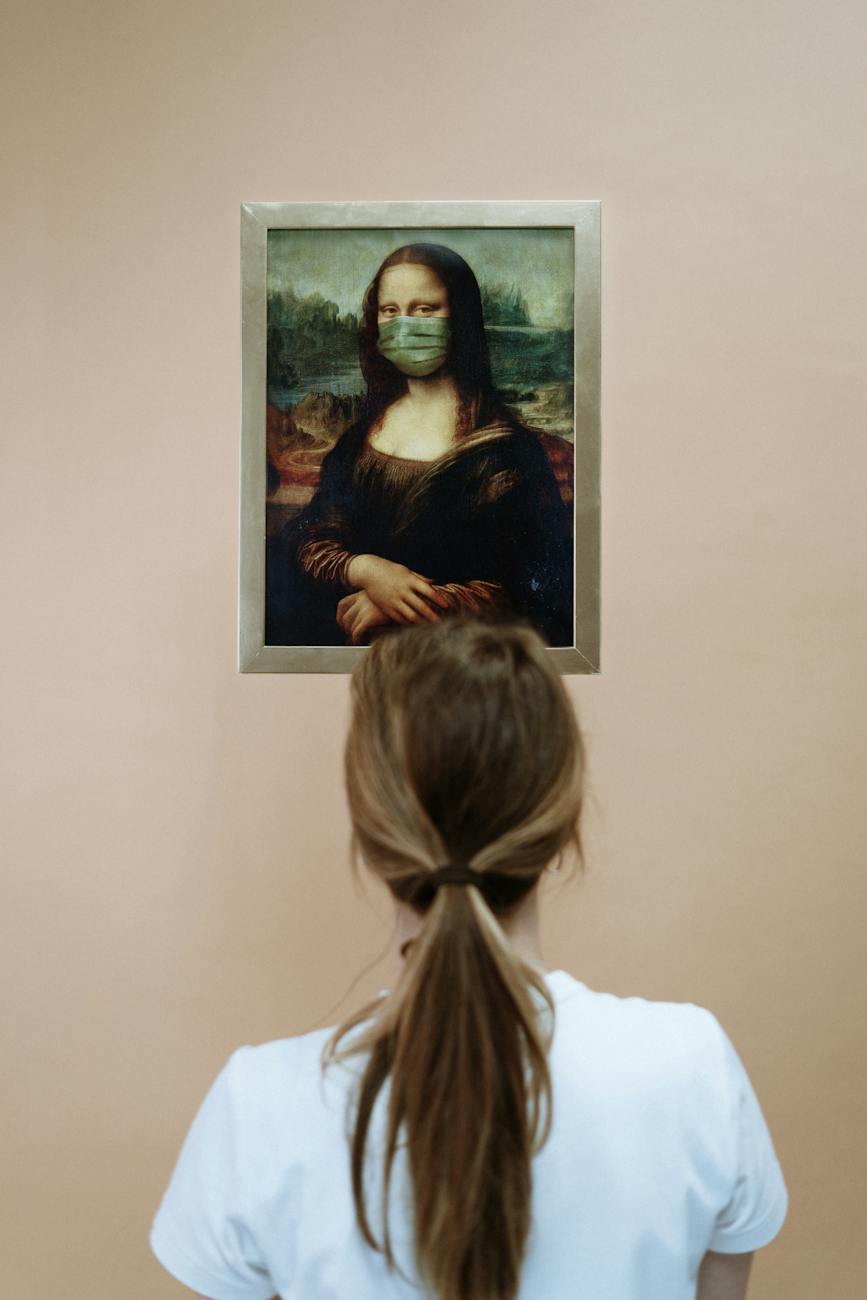
Ethics of Medication

I don’t know about you but the whole idea of medicating people to increase the prosperity of society has a terrible echo of the worst kind of politics. Now, if we change the “p” word to protection of society, a policy of medication might make some reasonable sense. The COVID pandemic taught use that individual freedoms are not absolute. We know that allowing people to spread infection, whenever their personal beliefs, can kill other people. Reckless actions did exposed people to danger. Big name politicians did some dam stupid stuff just because they wanted to side with those who believed irrational, unscientific nonsense.

A UK Labour Health Minister saying that obese people would benefit from a jab so that they can get back to work makes me feel uneasy. It’s one thing to recognise that society has a problem with obesity but it’s entity another for the States to impose medication on specific groups of citizens. Expensive new medication that that.

I know it can be argued that the cost of obesity to the National Health Service (NHS) is high so there’s no zero cost answer. Having hammered down smoking deaths over decades of work it’s now obesity that’s the great societal challenge. The line between personal freedoms and social demands can be a fuzzy one.

The jab in question may have become fashionable as a weight loss aid[1]. That doesn’t justify a UK Minister, with all the power of the State, suggesting that overweight people be put on a regime of injections. And if they say “no” to the regime then be penalised in some vague manner.

It’s known that these new weight loss drugs have side effects. No everyone can take them without consequences. These drugs should only be used under medical supervision. That said, many people do take them without recourse to advice from a doctor.

To the Minister I say, don’t ague about the cost to the economy of obese people. Please ague for helping people to make weight management work for them as individuals. Obese people are not one amorphous mass of idle slobs who sit on the sofa all day. The Daily Mail characterisation of bludgeoning swarms of people burdening society with their indolent ways may chime with populists and the emerging Conservative Party. It’s no way for a Labour Minister to address a live challenge. 

National proposals to give unemployed obese people a jab to get them back to work has a ghastly ring to it. Yes, it’s not saying we (society) should send them down the salt mines but when the economic argument is the top one it does dehumanise the target audience.

Weight loss jabs may continue to have potential befits for many people. Let’s say that we are talking about health benefits, so that individuals can play their role in our society, whatever that role might be. State officials who attempt bring shame on people living with obesity, that’s just plain nasty.


[1] https://www.bbc.co.uk/news/articles/c981044pgvyo

Cold

Colds. What’s the point in them? There is no vaccine for the common cold. Why not? Fine. I’m not expecting an answer. The best way of escaping the common cold[1] is to stay away from sick people. Trouble is, you and I will not know who the sick people are unless they make a fuss about it.

Then there’s the tendency to look upon the person suffering the cold and thinking, they are more susceptible than me, so I’ll be all right. That works until that nonsense turns out to be pure fiction. A day or two goes by. Everything seems fine. Then wham, bang, wallop. The virus gets its teeth stuck into every part of the body. Eyes and ears stream, limbs ache and drowsiness takes hold.

How can I say anything new about this common affliction? It’s a universal human experience. Well, I assume it’s universal. Could there be people who never suffer the common cold? That live such healthy lives in splendid isolation and contentment. Probably few.

The common cold is a dam nuisance. It stopped me going to the local pantomime last night. There was no way that I was going to sit in an auditorium and share my ill got gain or suffer the indignity of sniffling all the way through a performance.

Containment was the only strategy. Sleep as much as possible. Let my immune system do its best to destroy the invader. Sink into the discomfort and know that it never lasts for more than a couple of days. The pharmaceutical companies must love this time of year. Supermarket shelves stuffed with remedies. Not so much remedies as sources of momentary relief.

When will we get the cold winter weather that’s normal at this time of year? If there’s truth in the old wife’s tale that the cold kills off the bugs, I’d welcome a week below freezing. It’s a lyrical little pun but this one is difficult to get out of my head:

It’s not the cough that’ll carry you off.

It’s the coffin they’ll carry you off in.

Naturally, I hope present coughs and sneezes are a passing inconvenience. “Coughs and sneezes spread diseases” so the slogan goes. For people with a long-term illness or weakened immune system these inconveniences can be risky.

Debilitating it maybe one of the irritations of the common cold, at least for me, is the wasted time. So, many jobs to do but no way of doing them without making the situation worse. I look forward to the reward of feeling better.

Christmas festivities behind us the New Year beckons. This year to step into the first day of January may be a muted one. Certainly, I have no desire for any alcoholic beverages.

Sue said to me: you must not go to bed before midnight. I said: I which part of the world?


[1] https://www.nhs.uk/conditions/common-cold/