Dr Who at 60

Now, I can be nerdy par excellence. It makes me nervous to the extent that there are far more knowledgeable scribblers on Doctor Who. It’s not like the internet is without a massive amount of coverage of every aspect of the time lord’s life. Although, I’m not sure I’ve seen the details of David Tennant’s shoe size – yet.

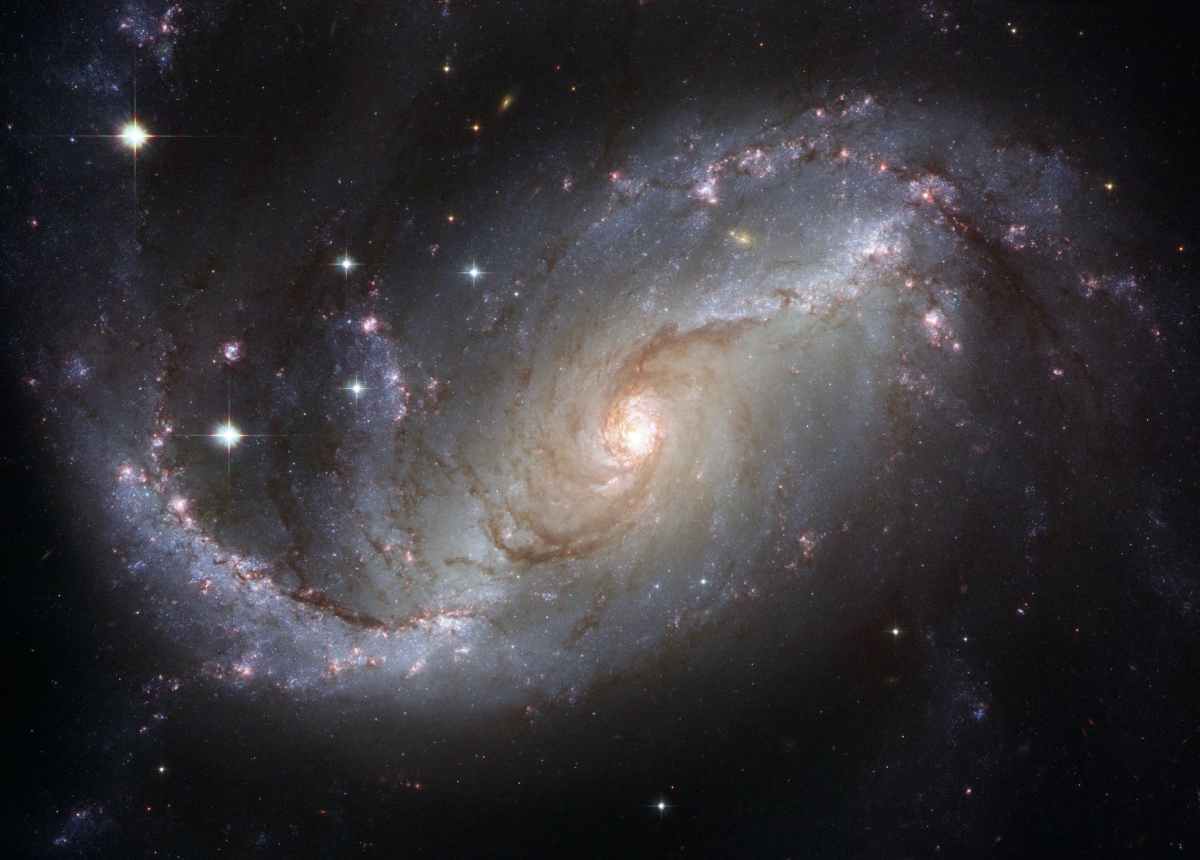
Last night, way out on the edge of the know universe was a spaceship. Somehow it got there through a random worm hole. The drama doesn’t expand as to what the enormous ship does, or why it only had one crew member or the anarchic mix of technologies.

Almost like a sketch from the Twilight Zone, the mystery mounts as we are asked to go beyond our normal understanding. That’s a good plot line, in that anything then becomes possible. So, at the edge of what exists there’s nothing but blackness ahead. Behind is everything that was ever known in space and time. The good, the bad and the indifferent. And where most of us would rather be.

The end of everything, as far back in time as it’s possible to travel in this story is not empty. A malevolent force or mystical entity hides there hoping to one day make its way forward in time to annihilate everything it finds. Malevolence is so often associated with emptiness. It’s a primal thing.

That’s what The Doctor and annoying companion Donna encounter when the Tardis goes awry. Given that it was spilt coffee that threw them to this point in space and time maybe the transport ship they encounter was an intergalactic coffee carrier or a shoe carrier. With respect to Douglas Adams.

Titled “Wild Blue Yonder” the tale told wasn’t so much blue as void of natural light. Way yonder lurked a clever and evil shape shifter. So, evil that the Tardis runs away, as it rebuilds itself. Our two protagonists were then marooned on a giant ghost ship with no idea what’s happening. Now, that’s a fine plot. Adrift in the deep darkness.

Over a series of frantic moments, the story pieces together. The original pilot of the ship turns out to be a hero, prepared to sacrifice themselves to destroy the nameless baddies on the ship. The pilot’s cunning plan was ticking away at ultra slow speed to evade the speedy thinking malevolent thingies. Distracted but feeling imprisoned the shape shifting villains put all their energies into attempting to copy The Doctor and Donna.

The copies strategy then appears to have been to hop on board the Tardis when it returned. That’s a bit of a plot flaw. Since the Tardis would presumably only return when the air of evilness had been destroyed. That’s what did happen in a wonderful just-in-time moment. Concluding the story with the destruction of the spaceship and the physical forms of the lurking baddies. Thus, again we are all saved from extinction. Open is the question of whether the lurking baddies still lurk.

This 60th anniversary special was for fans. To those uninitiated into The Doctors world, it must have been confusing. Difficult to follow. In fact, rather slow in parts. David Tennant as the 14th Doctor is the best modern incarnation. Long may the Tardis take us to the limits of imagination. It’s possible that the 120th anniversary will include a virtual world that we will be able to step into and be immersed in a vast spectacle. Good luck to those who last that long.


D minus PM

In the second decade of the 21st century we should be surprised that a British Prime Minister should behave as if he lived in the 19th century. Common problems, future collaboration and an alliance of decades are too important to jeopardise. Relations between Britain and Greece are of great importance. Today’s spat is foolish.

There’s a joke going around the social media. It asks the question: Why are the pyramids in Egypt? The answer being: Because they were too heavy for the British to carry-off. In other words, if they were smaller, they would be in the British Museum. That light-hearted quip highlights an inherited problem. Although, the same line could have been written about many imperial European countries. It was the fashion. Here British country houses were not properly dressed unless they had a sprinkling of ancient Greek artefacts. Those artefacts were often taken by the powerful. That’s our history.

The Parthenon is not any old relic. Its image is as heavily identified with modern Greece as it was with ancient Greece. As a symbol of western civilisation, it’s unmatched. Its sculptures are high points of classical Greek art.

Once upon a time, the argument was made that the Parthenon Sculptures were better protected by British Museum than they would be elsewhere. During the turbulent periods before the birth of modern Greece that argument was probably a fair one. Greek indepenence, helped by a famous British poet, became the start of the modern European State.

Lord Byron’s early death, at 36, was grieved both in Britain and Greece. His remains were returned to Britain where he was laid to rest. It was respectful to return to the great man to the land of his origins.

In 2023, Britain and Greece are friendly nations. We benefit immensely from the excellent relationship between the peoples of both countries. Thus, I can fully understand the Greek Prime Minister “annoyance” at being snubbed while in the country. The British Prime Minister being to busy to see his counterpart.

Athena is an ancient Greek goddess connected with wisdom. The Parthenon is a temple on the Athenian Acropolis. Well, there doesn’t seem to be much wisdom in Number 10 Downing Street. If there was, then such disagreements as there are over the future of the Parthenon Sculptures, would never have created the situation, we have this morning. It’s sad.

Politicians have a duty to address problems and not to run away from them for minor reasons. It’s only through dialogue that a solution will be found to the conflicting claims made about the Parthenon Sculptures. The day they return to the city where they belong will be one of great joy.

Duck

I take for granted that everyone knows the saying: “Red Sky at night Shepherd’s delight. Red Sky at morning Shepherd’s warning”. It’s not superstition. In the sense that calamitous events will descend on us because the rising sun happens to colour early morning clouds. It’s more the practical reality that British weather most often comes from the North Atlantic. So, clouds hovering in the West can be the signs of a cold front coming our way.

Being born in the countryside these ditties are bread and butter to me. Rural sayings about different times of the year, or nature in general endure, even in the mobile phone age. Now, up to date weather predictions, based on proven science are only a touch screen stroke away. Even so, memorable adages stick.

Last week, I heard a new one. New to me. A rhyming prognostic on the coming winter. This is not only a saying confined to rural areas. It adds to a long list of observations about the habits of birds.

This is not witchcraft. Birds’ behaviour can help us predict the weather, even if the means they use can be obscure. Our feathered friends are much more in-touch with nature than we can be.

“If the ice in November can bear a Duck. The rest of the Winter will be slush and muck”.

What’s going on with this traditional bird proverbs stumps me. OK, this suggest that a hard frost in November is an indicator that a warm, wet, and soggy winter is ahead. The duck as a measure of weight may be incidental. However, some ducks do migrate to find warmer places to overwinter. So, does the saying mean that because the duck is still here, it’s decided that the winter will be mild?

That’s contradictory to the presence of the thickness of ice needed to hold a three-pound bird. If a duck can stand on the ice and is happy with that situation. They are in the local park. Then that could mean a blast of cold air from the North before the year ends, has some meaning in terms of what happens next. What’s that got to do with slush and mush? I wonder.

Is this saying somehow linked to the past when hunting ducks was an annual event. Some strange observation that ducks are easier to hunt earlier in the winter. Or is that nonsense on my part.

This folklore saying about winter can be put to the test. Although we are close to the end of November, the frost has been hard enough to bear a duck. Not a huge duck but an average mallard.

If this means a mild winter, we’ll soon know. Maybe duck barometers will work as long-term predictors. Showing us a sign of coming foul weather. Ho, ho.

Drift

There’s a problem. A big problem. Waking up to hear the Dutch situation, it’s not as if we should be surprised[1]. Hearing of the violence on the streets of Dublin. It’s shocking. Listening to right-wing politicians talk about the latest immigration figures. Distortion and twisting of the numbers are commonplace tactics. Fearmongering is the stock and trade of an unscrupulous bunch.

Although populist have delivered only failure in the last decade there’s something about them that sticks. They have ring fenced the arena of doom and gloom for their own ends. Whereas in the past, shining a light on the flaws and nonsense of certain people’s arguments was enough to consign them to the margins, now that doesn’t work so well. Misinformation goes mainstream.

The Brexit referendum was a lesson in 21st century campaigning. More facts don’t win the hearts and minds of the populous. Why liberal, like myself always major on rationality is a mystery. As the ancient Greeks might have put it “logos” has its place in the art of persuasion but it’s one of three. Credibility, or “ethos” matters greatly. But the one on the list that works, “pathos,” meaning persuasion based on emotion, is far the most effective.

I happened to catch a few minutes of The World at War[2] on one of the more obscure British televisions channels. The digital air is full of fringe channels. This epic 1970s series presents interviews with those who experienced WWII. Every time, I watch even a clip of the series a shiver runs down my spine. The times it documents are not long ago. It’s the modern world.

The evils that despots and extreme nationalism can do is unquestionable. The hard conviction that others are inferior and that they are a threat to the way of life of a nation has not perished. Politicians unwilling to accept accountability are keen to point fingers at those they can blame for promises broken. Blinkered minds fixate to blank out inconvenient facts.

The history books show that the drift towards mindlessness doesn’t always announce itself. Only retrospectively can a day when the atmosphere changed be highlighted. Then it can seem obvious. Being mindful of the impact that divisive speeches and campaign slogans can have is an absolute must. Language counts.

Migration will always be an issue. This age is one of high levels of mobility. Transport is affordable. It’s open to those seeking to escape discrimination or to ambitious for a better life. Shifting population made nations. America and Australasia are examples of people moving (or being moved).

What we don’t have is a workable way of wining hearts and minds. Yes, managing migration is a priority issue but not managing it as a crisis with negativity and warnings of catastrophe. The results of doom and gloom will be more doom and gloom. That just feeds far right-wing movements.


[1] https://www.bbc.co.uk/news/world-europe-67512204

[2] https://www.imdb.com/title/tt0071075/

The Dr

There’s something wonderfully peculiar about a time traveller wandering around the universe in a British police box. Time and space are the stuff of an infinite number of story lines. But the ones who strike a cord with us most are the humancentric ones. Our home, Earth is under threat. Humanity is in peril. Nobody knows what to do. Then stepping out of street furniture from the 1960s comes a hero. Not a muscle bound, gun toting superhero with magical powers. No, an eccentric, cerebral alien who looks like a college professor who took too many happy pills in their hippy phase. Humanoid in appearance. Wherever The Doctor goes so enemies follow, set for a final showdown[1].

Iconic features of Dr Who’s[2] life echo down through our decades. The Doctor’s vehicle is nothing like H G Well imagined. With a nice trick of being bigger inside than out it dazzles all who hitch a ride. If only we could master that transformation. I for one, don’t think it’s entirely impossible. Afterall isn’t physics up to about 12 dimensions now?

No saviour of the human race is complete without uniquely bad adversaries. Strangely enough quite a few are machine-based baddies. How in the moment is that? With increasing neurosis about what machines may be capable of in the near future. Daleks look a bit crude with what we know now. Unlike the iPhone we haven’t yet seen an upgrade to a version of the Dalek 15 Pro. I dread to think what that might do. They may have a resistance to any means of destruction.

Some Science Fiction can bore with an intensely serious inspection of our planetary dilemmas. Dr Who steers clear of that trap. Injecting humour and simple everyday relationships into the stories, the level is more connectable. One person matters, as much as billions.

My Doctor is Tom Baker. As a Time Lord, he captured that frenetic, unpredictable, jumbo schoolboy who knew no bounds. Yet, he retained a masterly command of dangerous situations. He could look stern as well as overjoyed. Never did I think that he would turn to the darkside.

My favourite evil monsters are the Cybermen. The idea that machines should decide that humans would be better if they were transformed into machines is a true horror story. It a kind of malevolent evil that doesn’t know it’s evil. It’s possible to believe that could exist.

Pure fiction, mixed with a scary look at expanding technology and always a partnership between good folk to overcome despots like The Master and singularly driven uncharitable aliens. That blend makes for wonderful entertainment. Long may television, and its replacements celebrate this combination. Regeneration has no end.

Today, it’s Doctor Who’s 60th Anniversary[3]. Happy birthday.


[1] https://www.imdb.com/title/tt0056751/

[2] https://en.wikipedia.org/wiki/Doctor_Who

[3] https://www.doctorwhotv.co.uk/doctor-who-is-60-today-99309.htm

Divided

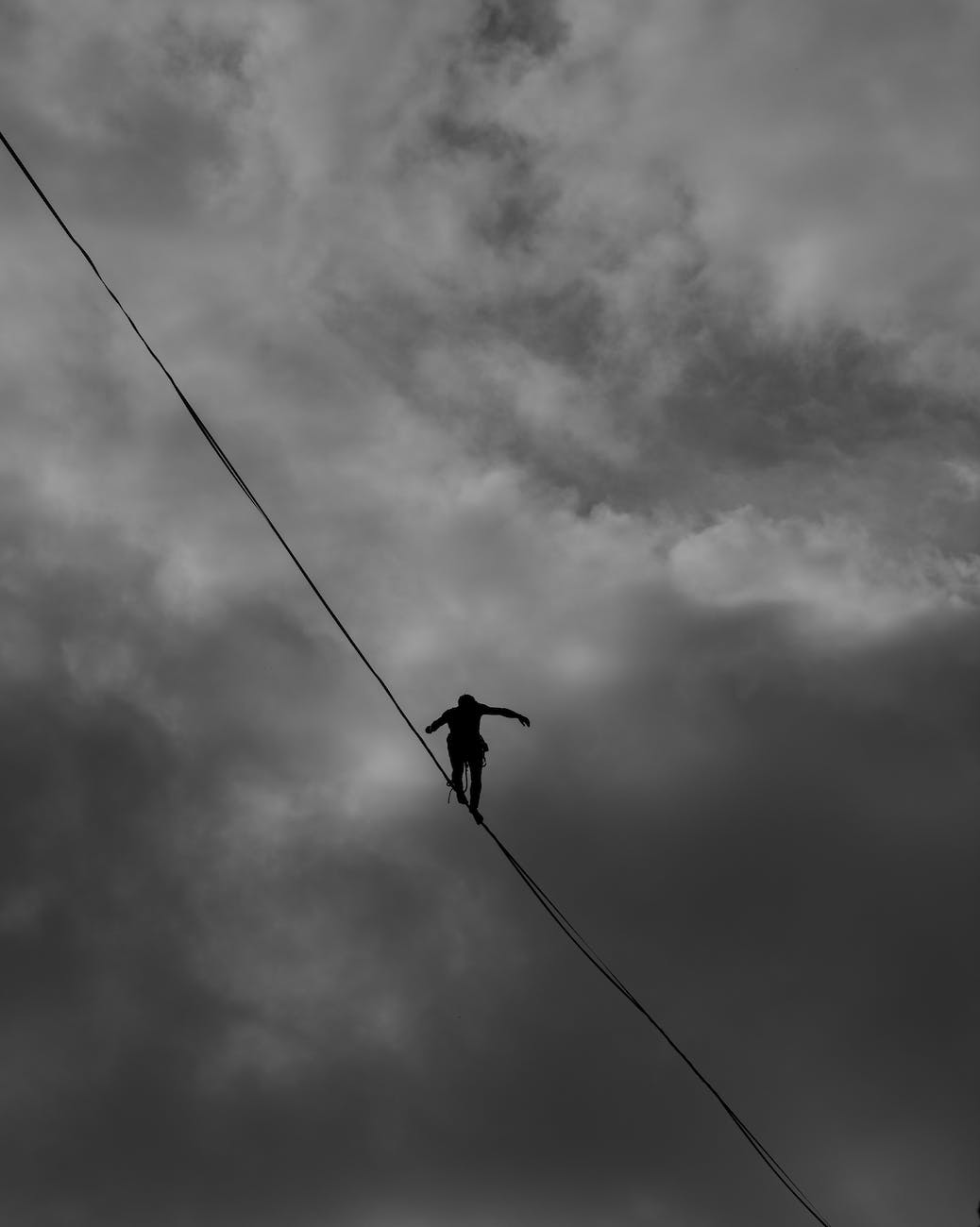
Away for a week. I’ve been in Canada. In Montreal. On return to the UK, I see the next step in the convolutions of the Conservative Party have littered newspaper column inches. If ever there was a thin man on tight rope balancing a can of worms on one arm and a broken bicycle on the other, then it’s the current Prime Minister.

I’m sure he never trained for the Cirque du Soleil. Maybe Rishi Sunak should take up traditional circus disciplines like the swinging trapeze and flying hand to hand. Certainly, he could make a living that way even if he doesn’t need the money. Circus or pantomime would be a good opening for a great number of pending unemployed politicians.

Suella Braverman’s second sacking as Home Secretary opens the opportunity for her to take to the stage. In her case the audience would know when to boo without any prompting. The world of the pantomime villain[1] might revive a flagging political career.

Nigel Farage, former leader of the UK Independence Party is off the jungle[2]. Most suitably he’ll be featured alongside comedians anxious to keep themselves in the public eye. The cartoonists are having a field day with this oddity.

Boris Johnson’s trying his hand with comedy too. His new position as a GB News broadcaster will be pandering to a small but loyal right-wing audience. That will not put him off, I’m sure. I wonder what kind of studio wallpaper will be his backing?

Others have gone to ground or are typing WhatsApp messages to a 101 groups all fighting to be the next star of the right. The Brexit brigade of the past is finding a natural home in entertainment. It’s one way of jumping ship before the poltical Rapid Unscheduled Disassembly (RUD) to come. This is a wonderfully inventive acronym for a complete disaster.

If I was to make a guess as to what Rishi Sunak might be attempting, it’s a rebranding the likes of which we haven’t seen since the chocolate bar Marathon changed to Snickers. I seem to remember that name change was a marketing curiosity. The British public didn’t understand it. After decades past the rebrand, the name Marathon was brought back. Is the Conservative Party that chocolate bar fallen out of favour and looking desperately for a retro-look?

Sweeping a decade of chaos under the carpet is a tall order. Even with the maxim that a week is a long time in politics. I don’t think the British public are so forgiving or forgetful. The roots of our problems are the results of poor political judgement and poor actions over a long trem of office.

No doubt the Conservatives will try to jerrymander, as much as slight of hand will allow them to get away with in the media spotlight. Voter ID rules will keep some potential voters at home come the next general election. Shifting the boundaries of some constituencies has benefits too. A pre-election bag of goodies is being put together to stiffen the resolve of wavering traditional conservatives. Expect Springtime give aways.

My overall sense is that major change is coming. Abraham Lincoln said, “a house divided against itself cannot stand,” and that applies more broadly than the reason it was said in the 1850s. The strands of conservatism that have been so politically successful in Britain are divided amongst themselves. Not just a few small gaps. Hulking great chasms exist between entrenched groups. That situation never goes well. Not for anyone.


[1] http://celebratepanto.co.uk/toptipsforvillainy/

[2] https://www.entertainmentdaily.com/tv/im-a-celebrity-nigel-farage-backlaash-from-celebrities/

Way back

It’s easy to sound like a takeout from the four Yorkshire[1]. That emulated sketch where a group of drinking men on holiday try to upstage each other with tales of hardship. It’s beautifully comic because it ventures off into the absurd. Each man is determined to out do the other.

Back in my day. Any sentence that starts like that conjures up a man leaning on a bar in a rustic pub where time has stopped. There are people who make a speciality of reminiscence. A rambling epistle about hardship and struggle. Peppered with a contrast with the ease of contemporary living. Point being how weak and wishy-washy we are now. How enduring and mighty we were in the way back. Most of this is pure nostalgic babble. The Monty Python sketch is funny because it crosses a line. Please reprimand me severely if I cross that wobbly line. Beside it takes comic genius to write a good sketch and I’ve never claimed that ability.

However, telling stories that paint pictures of former times is a good way of setting this time in context. Change is a constant. The decades are ones of accelerating change. That can be unsettling.

This week, for inexplicable reasons my mind wandered off to my parent’s farmhouse kitchen in the mid-1960s. That’s boyhood memories. The back of house room was not quite square. At one end, two substantial painted wood doors faced each other. A draft blow under one when the outside door was open.

A standing stainless-steel sink sat between the two doors. Opposite, a thin steel framed window looked out on the farmyard. Stone walls were a couple of feet thick. That left space for a seat under the window. It was a farmer’s window. Being able to see the road and all business comings and goings from the kitchen table. Looking direct West, the evening sun would play across the yard.

On a weekday. Not a high day or a holiday. That would be a reason to light a fire in the front room. The kitchen was the warmest place in the house. A thumping great cast iron Aga[2] filled an alcove and filled the kitchen with a warmth all day and night. In winter, other parts of the house could be an ice box. Bedroom windows had as much ice on the inside as on the outside of the glass. There’s a good explanation of why the image of that kitchen is so rooted in my mind.

A large sturdy wooden kitchen table sat right in the centre of the room. It had a Formica top in a deep maroon colour. Four chunky turned legs at each corner. An eclectic mix of wheelback chairs permanently tucked in when not in use. If they weren’t, there was no squeezing around the table.

The habit of sitting in the same spot was deep-rooted in practicality. It’s as if we had assigned seating. Naturally the best place to sit was with the Aga at your back. Opposite the Aga, up against the wall was a fridge that must have come from Noah’s days. Next to that was a peculiar free-standing kitchen cabinet unit. They are sold on eBay as mid-century vintage now. Ghastly thing that today’s sellers describe as gorgeous.

One corner of the room had a beaten and battered two-seat sofa. That was a comfortable warm spot. Above it, in the wall was the remains of a bread oven. A hinged iron door was a curiosity covering nothing but cobwebs. It was an age when Linoleum remained a popular floor covering. It was a lot nicer underfoot than the flagstone floor. The flooring took such a bashing that it got replaced with more of the same when holes started to appear.

That room was the heartbeat of the farmhouse. The kitchen table played so many different parts in farm life. It could go from being a butchers block heavy with a side of pork to a desk for tidying up the paperwork. Even the kitchen cabinet unit had a draw full of Sturminster Newton market reports. Auctioneers Senior & Goodwin sent out blue printed reports listing cattle prices every week.

In the simplest way, that’s how I was first introduce to data analytics!


[1] https://en.wikipedia.org/wiki/Four_Yorkshiremen_sketch

[2] https://www.agaliving.com/

Half empty tool box

When new technologies come along there’s often a catch-up phase. Then we are either frightening ourselves crazy with a moral panic or switch to a – so what? – mode. The last week’s fury of articles on Artificial Intelligence (AI) probed all sorts of possibilities. What’s the enduring legacy of all that talk? Apart from stimulating our imaginations and coming up with some fascinating speculation, what’s going to happen next?

I’m struck by how conventional the response has been, at least from a governmental and regulatory point of view. A little bit more coordination here, a little bit more research there and maybe a new institution to keep an eye on whatever’s going on. Softly, softly as she goes. And I don’t mean the long-gone black and white British TV series of that name[1]. Although the pedestrian nature of the response would fit the series well.

Researchers and innovators are always several steps ahead of legislators and regulators. In addition, there’s the perception that the merest mention of regulation will slow progress and blunt competitiveness. Time and money spent satisfying regulators is considered a drain. However much some politicians think, the scales don’t always have public interest on one side and economic growth on the other.

Regarding AI more than most other rapidly advancing technical topics, we don’t know what we don’t know. That means more coordination turns into to more talk and more possibly groupthink about what’s happening. Believe you me, I’ve been there in the past with technical subjects. There’s a fearful reluctance to step outside contemporary comfort zones. This is often embedded in the terms of reference of working groups and the remit of regulators.

The result of the above is a persistent gap between what’s regulated in the public interest and what’s going on in the real world. A process of catch-up become permanently embedded.

One view of regulation is that there’s three equally important parts, at least in a temporal sense.

Reactive – investigate and fix problems, after the event. Pro-active – Using intelligence to act now. Prognostic – looking ahead in anticipation. Past, present, and future.

I may get predicable in what I say next. The first on the list is necessary, inevitable, and often a core activity. The second is becoming more commonplace. It’s facilitated by seeking data, preforming analysis and being enabled to act. The third is difficult. Having done the first two, it’s to use the best available expertise and knowledge to make forecasts, identify future risks and put in place measures ahead of time.

So, rather than getting a sense that all the available methods and techniques are going to be thrown at the challenge of AI, I see a vacuum emerging. Weak cooperation forums and the fragmentation inherent when each established regulator goes their own way, is almost a hands-off approach. There’s a tendency to follow events rather than shaping what happens next. Innovation friendly regulation can support emerging digital technologies, but it needs to take their risk seriously.


[1] https://www.imdb.com/title/tt0129717/

Watch it

Today, the same hubris that plagued the Brexit referendum in 2016 is in the air. That’s when people become dangerous overconfident that they know what’s going to happen next. All the signs in the stars, almanac’s predictions and emotional forces point one way but hard cold reality respects none of these pointers.

It goes like this. Every day there’s a story about how dreadful the Conservative Government has been in recent years. Like tales of manic cartoon characters, the retelling of events is almost unbelievable. At the same time, the opinion polls and the commonly held media assumption is that, come the next General Election, next year the Labour Party will romp home with a workable parliamentary majority.

A great number of people may think that politicians have let them down and public figures that brim with arrogant self-confidence and bluster should not be trusted. However, that may not translate into a simple selection of an alternative. The primitive assumption that voters act in a binary way, dislike candidate A means like candidate B, belongs in a prior century.

This decade is different. The speed with which events happen and then are glossed over or suddenly uncovered is astonishing. It’s frantic. Watching a replay of last year’s “Have I Got News For You[1]” and it’s like visiting a distant land. Even some of the jokes no longer land. Names of people in the daily news rise and fade like waves hitting a rocky shore.

If we, me, and you were entirely rational then I’m sure there would be a strong wish for a period of consistent dull normality. A decade when competent people worked hard to make the world a better place. When the news was more about cats getting caught up trees and puppies chasing balls. When the economy gradually got rebuilt and a feeling of prosperity and security started to spread far and wide across the country. Ultimately, at the end of a term of office the whole country should be happier, healthier, and wealthier.

We are not rational. So, as a life-long liberal I warn my Labour Party colleagues of the dangers of excessive pride and over-confidence. Yes, lots of traditional indicators may suggest that change is coming. I’ve written about the great need for change, but we can soon be shocked or shaken by cold reality. Afterall that’s what happened at the 2016 referendum.

Reasons to vote can come from multiple directions. Personalities can sway the climate of opinion. We may hope for a coming decade of progress and sanity. It’s by no means guaranteed. Hubris is frequently the cause of upsets and surprises. That’s where we are at the end of 2023.


[1] https://www.bbc.co.uk/programmes/b006mkw3

Ticket to ride

The latest political rouse is not a new one. There must be a cabinet full of these tactics stashed away in Conservative party headquarters. In a desperate attempt to prepare prospective candidates for a forthcoming General Election we are going to see a lot of slight of hand. None of it will be magic. It takes blind ambition and the ability to deny yesterday’s plans in a heartbeat.

Most of the News about rail travel around here has been about industrial action. That said, at least one other issue has got people rallied in opposition over recent weeks.

Back in July a public consultation[1] was launched to consider how rail tickets are sold and how to improve customer service. The public were invited to comment on proposals which were made by rail operators across the country.

Now, that’s the interesting bit: proposals which were made by rail operators. So, they say. The reality is that rail operators would not have been able to make major proposals for change in customer services unless there was some kind of tacit agreement with the Department of Transport DfT[2]. This is reasonable because a great deal of public money is made available to the railways. Guidance on the issue is a matter for the Secretary of State for Transport.

One proposal was made that must have been known would spark protests. Not everyone uses local rail ticket offices, but their removal was never going to be a simple matter. Reigate has one. It’s not always open but when it is open the ticket office is immensely useful. Ministers when questioned about the unpopular move to close ticket offices windows defended this proposal.

Now, let’s jump to the outcome of the consultation and the decision made as a result. Through the 3-months after the closure of the public consultation period the issue was allowed to fester. As the post-party conference season weather limits doorstep campaigning so political social media activity is ramping up to take us through the winter.

The results of the consultation pointed to an obvious decision. This is particularly true because the issue of rail ticket office hours was not a new one, having done the rounds ten years ago.

So, what do we have? Conservative prospective parliamentary candidates claiming victory. Single handed they defeated an unpopular measure and listened to peoples’ complaints.

Honestly, am I being cynical? We must look back at where the recent public consultation came from and the fact that changes to railway ticket office opening hours were addressed in 2012, with the same result. Proposals dropped.

The way the roles of station staff have been used to stir-up controversy is a political ploy. Then to step-in to slap down wicked rail operators across the country is a rouse in my opinion. Will this issue of major changes to ticket offices come back again. Sure, it will but only after the next General Election.


[1] https://www.southernrailway.com/publicconsultation

[2]Not a new issue https://www.gov.uk/government/publications/changes-to-railway-ticket-office-opening-hours/changes-to-railway-ticket-office-opening-hours