
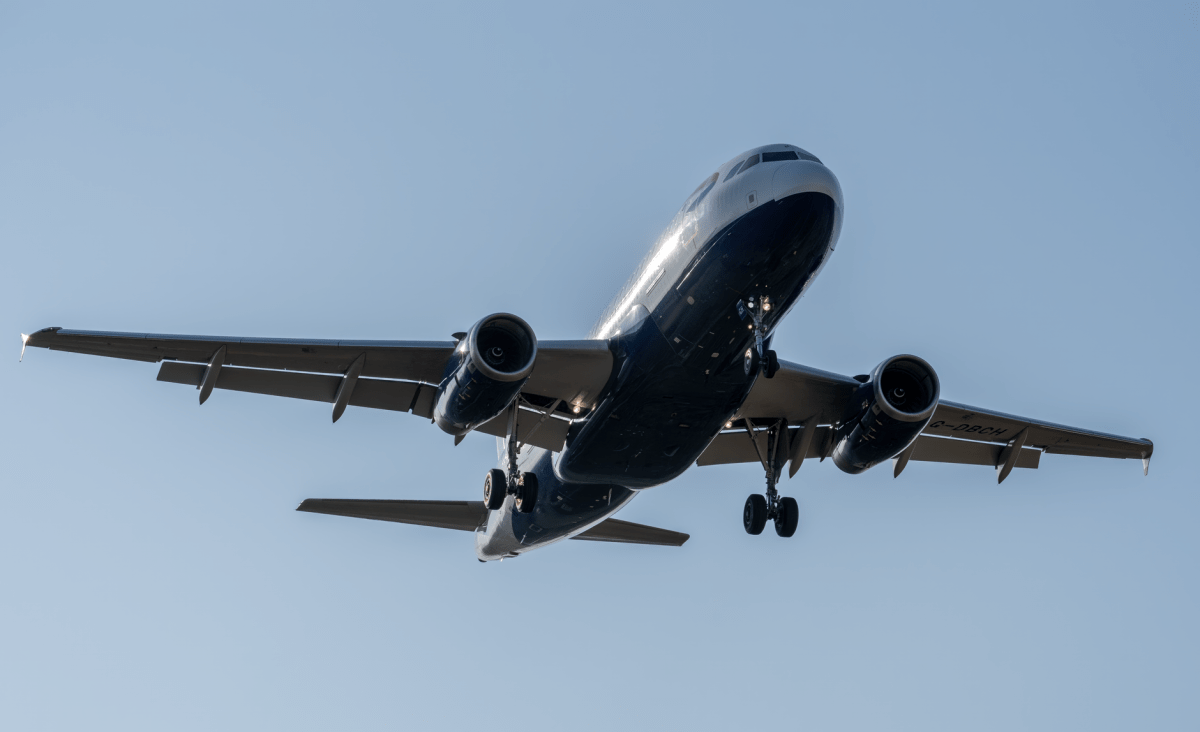
A quick tour of the history of aviation safety. In a couple of minutes.
As powered aircraft took to the skies it quickly became apparent that, of all the means of transport, aviation was less forgiving than others. Moving at speed in four dimensions, with the necessity to take-off and land safely, has inherent risks. By no means does this mean that flying is an dangerous activity. What it does necessitate is an exercise of sound engineering, preparation, and proficiency. When these are missing, and in cases of misfortune, accidents and serious incidents happen.
In the days between the world wars, aviation moved from the military and a circus-like amusement to a viable means of public transport. Progressively, more passengers had the opportunity to experience the wonders of flight.
Today, it’s not the early days of flight I want to focus on, but we do owe the engineers and aviators of that time a great debt. Much was learned as aeronautics matured. Since the end of the second world war the production, promotion and application of standards has embedded what had been learned. This has established the way that international civil aviation works.
One simple expression of the stages we’ve been through is Prof Patrick Hudson’s[1] model. This model describes five distinct levels of cultural maturity. The steps are pathological, reactive, calculative, proactive and generative.
This model sits alongside steps in the development of technology that have been a hallmark of aviation. Different categorisations exist. AIRBUS[2] has one that’s easily understood in terms of generations of civil aircraft.
First are the “classics” of the 1950s and 60s. Next, the second generation starts down the road of more electronics. More safety critical systems. Third generation starts flying in the early 1980s when automation becomes the norm (early fly-by-wire, glass cockpits, flight management systems). The fourth generation introduces safety systems, which address the major causes of fatal accidents, namely Controlled Flight Into Terrain (CFIT) and Loss Of Control In-Flight (LOC-I). That’s the early 1990s. When I made that move from industry (design and production) to an aviation safety regulator.
Now, I’d say we are well into fifth generation aircraft, with composite structures and integrated modular avionics. In fact, we are well into speculation about what the sixth generation may look like. Machine learning, single pilot operations, hybrid powerplants, aircraft as a node on a network.
Because aviation is a learning industry, and a conservative one, the expectation is of progressive improvement in maturity throughout the aviation system and innovative technology applied to enhance safety.
This is not to say that the potential for error, missteps and recklessness don’t exist. They do. I expect continuity in a way that takes full advantage of advanced methods without scarifying the legacy of an astonishing good global aviation safety achievement.
Later, to cover a lot of ground in a short time, I’m going to condense all the above into three distinct categories. But before that, I’ll talk about the present and a vision of the future.
POST: UK Farnborough Air Show on Thursday 23rd July 2026. Time: 13:00-13:15 BST. Location: Hall 3 Stage. Session title Where Next for Aviation Safety?
[1] https://www.sciencedirect.com/science/article/abs/pii/S0925753507000227?via%3Dihub
[2] https://d10x.airbus.com/generation-of-jets/


