Sun & Wind

My morning routine includes switching on the radio. That already marks me down as being of a certain age. News and current affairs isn’t always a cheerful way to start the day but, at least, as a result I feel a bit better informed about the world and its ways.

Listening to Vince Cable[1], at the end of the BBC’s Today programme this morning[2] I agree. [At run time 2:37]. Sir John Vincent Cable, yes that makes me even more inclined to listen to him, has a wealth of knowledge and experience and puts his case well.

Yes, we have had four major shocks to the British economy. The banking crisis, Brexit, COVID pandemic, and war in Europe. Amongst these Brexit was self-inflicted and has cost the UK a great deal. To lump on top of all that we have had incompetence in Government the like of which hasn’t been seen for decades.

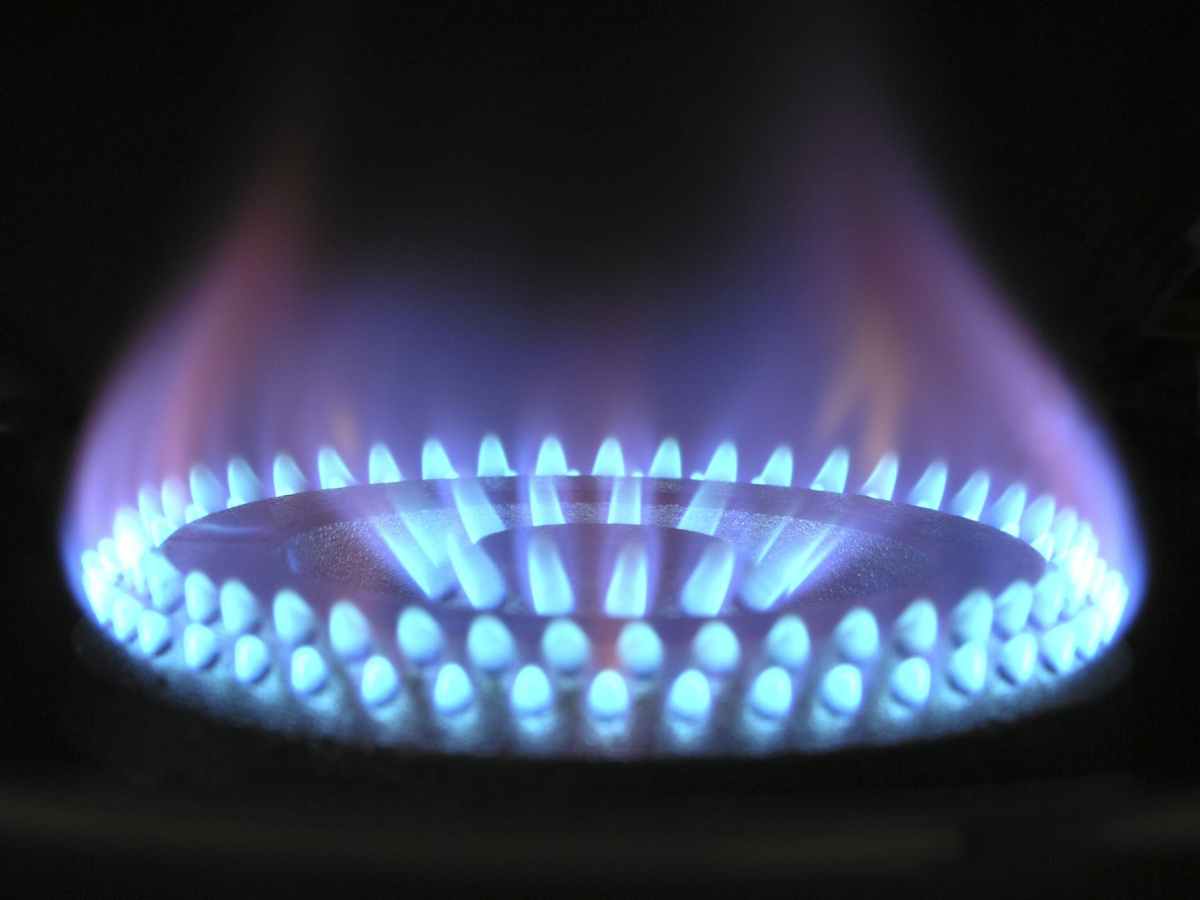
The blatant idiocy of suggesting that the answer is fracking to produce more gas and more exploratory drilling is needed are the ultimate in short-term planning. The UK is not the US. Believe it or not, there is a global climate crisis and burning more fossil fuels makes it worse. Short-term planning is one of the reasons that the UK economy is underperforming. Proposing more of that approach is to further embed reckless incompetence.

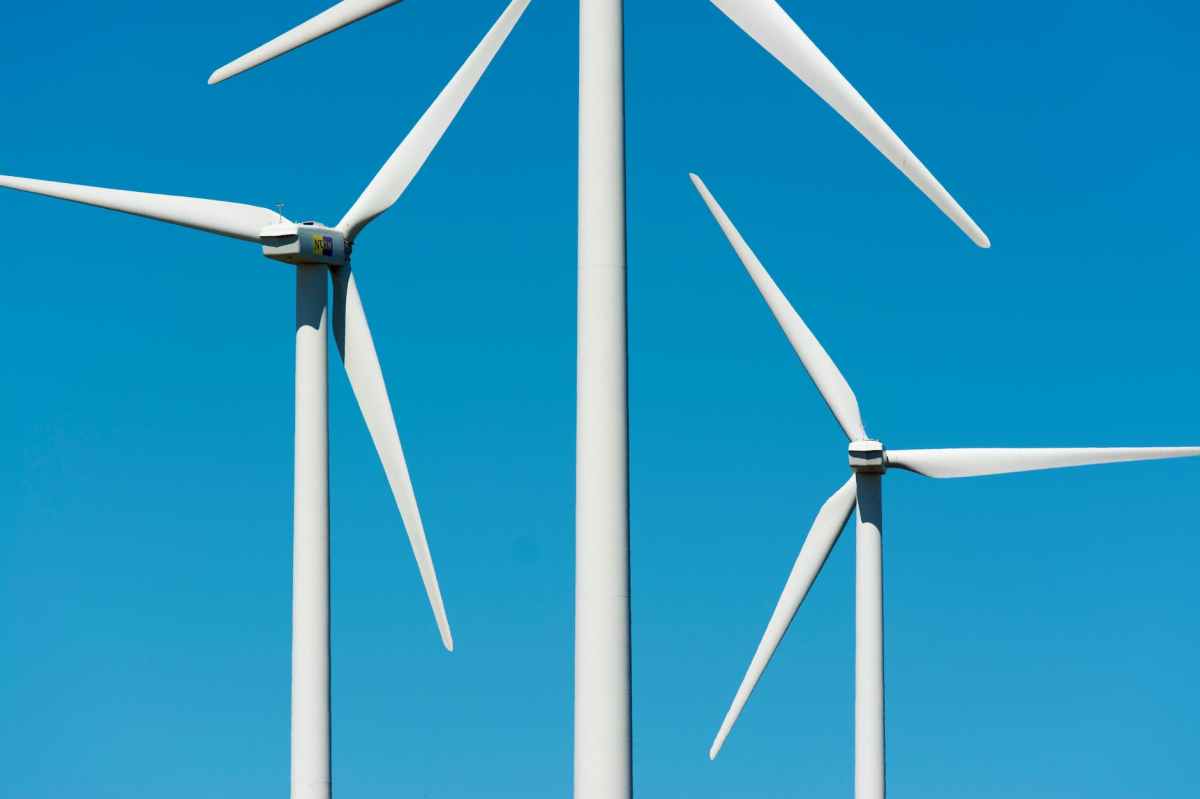
Vince is right. We should make it easier to build onshore wind turbines in the UK. I’m not saying completely deregulate the planning systems. That would be entirely foolish. However, in local development plans we have ridiculous absurdities that name wind turbines and solar farms as a particular danger to the character of the landscape. So, any proposal that is brave enough to come forward gets slapped down immediately. Local politicians run for the hills.

Like all such regulatory issues, there needs to be a balance struck. There are numerous places in the UK were wind turbines and solar farms have a great deal more positive impact than negative. Proposals for renewable energy developments should be given a leg up. The UK is blessed with renewable energy assets in wind, seas, rain, and enough sun to make a difference.

I am first in-line to defend the beauty of our countryside but not everywhere is equal in that respect. Not only that but compared to nuclear power stations of any size, wind turbines and solar farms can be removed after a life of service with little sign of their former presence.


[1] https://en.wikipedia.org/wiki/Vince_Cable

[2] https://www.bbc.co.uk/sounds/play/m001bbsv

Holiday from reality

All aboard for the fantasy rollercoaster. We are in for a new season of irrational excess. The winner of the competition for UK Prime Minister (PM) is to be a character out of Westminster folklore.

Mythology is powerful. It permeates our lives in the snap assumptions, unconscious bias, and it races through the pages of the tabloid press and social media.

I’m culpable. It’s that click-bait headline that stimulates an instant response. It can be as few as six words. “PM chews gum and walks too.” Immediately, the instinct to disagree is triggered in my mind. How can that be? So, I unwittingly join an avalanche of rancour and feed the machine.

People are more than the professional polarisers would like us to think. However, the idea that is a let-out clause for preposterous nonsense is not one that should stick. A candidate who wins votes by peddling blatant right-wing gibberish is dangerous.

For all the Brexit promoting fiction he is guilty of, in this case, former Minister Michael Gove[1] is right. It’s a nice journalists turn of phrase, being “on holiday from reality”. This is addressing Truss’s proposal to cut taxes as inflation takes-off and the cost-of-living presses hard on us all.

Pertinent when the Johnson, caretaker PM is holidaying. His would-be successor likes to pretend to be a next generation Thatcher but never has such a claim been more wayward. Thatcher wasn’t an advocate of ungrounded economics.

Back to the human capacity to believe political fantasies. It’s hard for progressives and more rational thinkers to accept but it’s real. Once upon a time there was a “centrist” wing of the UK Conservative Party that would debunk childish economic fictions. With a few exceptions, those people are now mute or considering their futures.

Since the 2016 EU referendum, the UK Conservatives Party has been transitioning into a version of the UK Independence Party (UKIP). These crude libertarian junkies have taken control. Brexit is not permanent. In fact, healthy national politics is dynamic and in-tune with what people are thinking. Unfortunately, a small self-selecting constituency is picking the UK’s next PM.

Get ready, the national rollercoaster ride is about to get a lot scarier.


[1] https://www.msn.com/en-gb/news/uknews/michael-gove-says-liz-truss-is-on-holiday-from-reality-as-he-backs-rishi-sunak-for-pm/ar-AA10Rtgq

Energy cap

The letters “Of” have been used as shorthand for “Office of” in the names of several regulators in the UK. There are at least two of them that are gaining an unparalleled reputation for incompetence[1]. Maybe, I’m being unfair. Afterall, a regulator can only do what the legislation that created it will permit it to do. They are not lawmakers. They can only interpret the law in respect of their own responsibilities. That law, however amended, is relatively stationary in the face of events.

One way of explaining what has happened is to admit that the ethos and rules in place were devised to serve past times. In the world of services provided by industry, the environment has changed dramatically, in more ways than one. A cacophony of events, Brexit, recuring political ineptitude, war, and climate change have made the framework created for British regulation obsolete.

It’s like trying to use a Thatcher / Blair era computer in the world of today’s internet and mobiles.

Now, what’s clear is that we have a bunch of Ministers who haven’t a clue what to do when faced with this problem. Conservatives keep a picture of Sid[2] on their bedroom walls.

The call has come from the Greens to nationalise everything[3]. This too is an inept solution to current problems. This was the dogma that Labour once held dear. How the political landscape changes.

Despite the calamities befalling us, we must get off fossil fuels. Again, Conservative politicians are on the wrong page. Britons needs encouragement to switch and insulate[4] not to stoop to fossil fuels industry lobbyists. The notion that the solution to a painful recession is to burn the future is absurd.

Let’s get out of the rut. Defending, and being constrained by a framework of organisation that’s out of date is no use to anyone. That is why the Liberal Democrat proposal to freeze the energy price cap is a good start. We desperately need to buy time, with escalating inflation, to come up with a new regulatory scheme. One that works for customers. One that works for the environment. One that works for you and me.


[1] Ofgem – the Office of the Gas and Electricity Markets and Ofwat – the Water Services Regulation Authority

[2] To encourage individuals to become shareholders, the gas privatisation offer was advertised with the “If you see Sid…Tell him!” campaign.

[3] https://www.bbc.co.uk/news/uk-politics-62577830

[4] Home insulation has been slashed by the current Government

The past

What’s disheartening about the current political debate in the UK is that it’s so backward looking. Now, I appreciate the real impact of demographics. Yes, we have an aging population and the trend for population ageing is continuing[1]. So, the audience of voters that existing politicians are trying to seduce is predominantly over 50 years old. This shapes the message that they send out.

If I go on about how much the world has changed since my school days, I’ll bore your paints off. I have endured such stories from local Councillors, relatives, and work colleagues for many a year. Nevertheless, perspective can be lost if I don’t make a few points on this subject.

I was surprised to read that the world’s first e-mail is over 50 years old. So, that medium that has taken over our lives and practically displaced post office delivered mail and that ancient artifact, the letter, is a decade younger than me. Of course, the use of e-mails took a while to get going and so it’s the time since Windows 95 when the greatest change has taken place. The first website is just over 30 years old. Now, it’s impossible to imagine a world where everyday information is not displayed on a screen of one size or another.

The transition has been from a predominantly analogue world to an almost exclusively digital one.

What I find amusing is occasionally having to explain analogue technology. Although some long-standing devices have endured. Mechanical wristwatches continue to be valued and vinyl records are making a resurgence.

Before I get side-tracked the core of my argument is that we have been through a monumental transition in my working life. It’s happened at pace. It’s happened well ahead of political thinking. OK, savvy political operators have populated social media. Although, many campaigning efforts are derisory and ineffective. We are in an era when about 242 million iPhones are sold annually. Not doing social media is not an option.

If it’s worth engaging in political debate it should be about what happens next. What’s behind us can teach us but it’s not a pattern for the future: “The past is a foreign country: they do things differently there.[2]” Endlessly raking over the past can be a huge distraction. Thatcher, Blair, and Ashdown were of their time. The global issues they faced were of their time.

Instagram is 12 years old; Snapchat is a year younger, and we have only had TikTok for 5 years. These social media platforms are the places where younger people get their daily news. On that basis they form opinions and may act on those opinion.

The further monumental transitions that are coming our way ought to occupy, at least, a part of contemporary political thinking. That doesn’t seem to be happening. If the UK wants to play a leading role on world stage our traditional myopic attitudes need a good shake up. If we intervene on global issues promoting 19th century views the results will be disastrous. Be warned.


[1] https://www.ons.gov.uk/peoplepopulationandcommunity/populationandmigration/populationestimates/bulletins/populationandhouseholdestimatesenglandandwales/census2021#age-and-sex-of-the-population

[2] Leslie P. Hartley (1895-1972) British novelist and short story writer

Red Tape

I know. Why explain? When people only hear what they want to hear? On the scale of right-wing political good or bad there are words that can make a slogan to suite any blank page. Shape any mood. Frame a slogan around “tax cuts” and you are at the happy end of the spectrum (blue). Frame a sentence around “red tape” and unhappy faces will appear (red).

My heart sinks when I see British newspaper headlines like: Truss pledges EU red tape bonfire[1]. It’s a celebration of ignorance and pessimism. The politics is crude. It’s kindergarten. Dam the past and paint a picture of gleaming utopia ahead. Comic book stuff. There’s never been a quicker way to appeal to the Conservative Grumpy[2] family.

In earlier articles, I’ve made it clear that 6-years of Brexit has meant more “red tape” rather than less. That is red tape that greatly impacts UK exports, imports, livelihoods, jobs, and prosperity.

For Leavers, the Brexit project was about cutting so called red tape in the belief that administration, laws and rights are the ultimate problems. However, the post-Brexit UK is presenting more complex bureaucracy, producing poorer results at a greater cost than before.

It’s always peculiar when legislators blame legislation for our ills.

When the UK was a member of the European Union (EU) countries worked together, removing trade barriers, and promoting free movement to create a better future. Now, the UK is determined to continue to reverse that good work much to its own detriment. Plainly, we are a country determined to sanction itself. All because it opens the political convenience of being able to blame others.

These years are the topsy-turvy years. A Government that tables a no-confidence vote and then cheers a discredited Prime Minister[3]. A zombie Government then limps on while a few thousand people mull over our future. Ministers boast of their achievements but then dam everything that has gone in the past.

It’s unfortunate but this generation of uncivilised minnows is in charge. At least for the moment.

POST 1: False words compound the problem of understanding. There is no EU “red tape”. The UK left the EU. What we have is UK law. Law made by the politicians that who are damming that law. Yes, parts of UK law have been derived from EU law. That is law that the UK helped make while in the EU.

POST 2: Concerns about the removal of consumer protection are being raised widely. Believe me, you will miss that red tape once it’s gone | Money | The Sunday Times (thetimes.co.uk)

POST 3: The list goes on and on UK chemicals sector hit by £2bn Brexit red tape bill | Financial Times (ft.com)


[1] https://www.msn.com/en-gb/news/uknews/uk-leadership-candidate-truss-pledges-to-ditch-all-eu-laws-by-2023/ar-AAZSeN6

[2] My coffee mug is from the Mr Men, Little Miss series (2017).

[3] https://votes.parliament.uk/Votes/Commons/Division/1351

ITV Debate

For anyone interested in public affairs watching a debate of candidates for Prime Minister (PM) should be a pleasure #ITVdebate. It’s the summer heat. Pleasure it certainly wasn’t. It was a formulaic event that was enough to make milk curdle. The toxic blue-on-blue punch-up was uninspiring. A college debating society might have made better peak time TV.

The matter of who will be the British PM in only 7 weeks’ time is important. As the first question put it, we are at the start of an actual cost of living crisis. Unfortunately, Sunday night a lot of fairy tale economics were on show. Rubishing the past took front stage. All Conservative candidates said they would not have the caretaker PM Boris Johnson in a new cabinet.

All candidates vaguely rattled on about Brexit opportunities. When asked if the winner needed to call for a General Election to consolidate their mandate they all said – no.

Tom Tugendhat MP stood on a hill shouting “clean start,” but it was as if no one was listening. He said he was in mortal fear of the leader of the opposition. He shifted around in an uneasy manner.

Liz Truss MP wanted to emphasise that she was “honest” but admitted to not being “slick” as she sideswiped the other candidates. Here neo-Thatcher stance is thinning as quickly as it arrived. Word of the night was – bold.

“Time for a change” was Kemi Badenoch MP’s mantra. Being brave and asking for unity are all designed to create good vibes. The Twittersphere has dubbed her #badenough as if to mark that as the criteria for winning. To target the giveaway candidates Badenoch said there’s “no easy option”.

As the front running Rishi Sunak MP, former Chancellor, got the most kick backs from other candidates. “I want to be honest” and responsible were his themes. He put the stress on prudent conservatism, a phenomenon that may not exist anymore.

Penny Mordaunt MP was all about saying she’s a team player but not acting like one. Asking for an innovative approach and that the system is broken is appropriate. Sadly, filling the vacuum with nothing much hasn’t helped her case. She’s the spend, spend, spend candidate. She told a fib about the state of the polls too.

Robot like, Truss wanted it known that she has “served” and will stand up to Putin. She stressed her legacy of trade deals and getting things done. Her project fear was to mention the inflationary spiral of the 1970s. Truss and Mordaunt can across as arrogant and patronising by calling for change but being unclear what change is needed.

Badenoch was not ashamed of her role in Government. Strangely for a politician she hit out at the others by saying “talking is easy” Tugendhat is a fan of nuclear power and never misses an opportunity to mention his military service.

Sunak was the only one to come across as relaxed. Open shirts are his uniform. He was unshaken as he skilfully batted back all the balls bowled directly at him. If there was a winner – he was it.

70s

There are echoes of the past in what’s happening now. One of these echoes is the exclamation that it’s getting more and more like the seventies. It’s a reaction to the turbulence and uncertainty that is all around. Especially when the spectre of inflation and recession is looming over us.

It’s easy to have mixed feelings about that decade. It can be said that the sixties were more revolutionary when it comes to the explosion of progressive attitudes and societal change.

The seventies weren’t a homogeneous period. In Britain, those turbulent 10-years culminated in a major political transformation as Thatcherism kicked-off in 1979. Romanising the seventies is foolish. That’s particularly the case when drawing comparisons between the here and now.

Life expectancy is one indicator[1]. The enormous improvement since the 70s is self-evident. What’s concerning about the situation is being put in jeopardy by a considerable slowing in these figures in recent years.

This chimes with lived experience. I remember pubs so full of smoke that the walls were stained, and a fog hung over the bar. Health and Safety legislation too. Car seatbelts and motorcycle crash helmets all helped reduce early fatalities. Workplaces have improved dramatically. Shivers run down my spin when I consider some of the toxic chemicals that were used in engineering and agriculture.

No way should anyone sane want to go back to the full 70s experience. That’s not to say there are cultural highlights that made a positive contribution to life in the UK. Punk rock coinciding with the Queen’s jubilee created a world of colour and vitality that has been lacking in the 202os.

Star Wars fans will no doubt cite Star Wars. There were some dam good movies made in the 70s. I’m seeing the mirror ball rotating, as the music from Saturday Night Fever rings in my ears.

On the technology side it was the time when the ground was broken. Microsoft and Apple own their success to the availability of early digital “chips”. A degree of that came from the strides made as the Apollo programme forced the advancement of digital technology. The Cold War played its part too.

On a personal note, motorcycles played a pivotal role in my decade. Growing up in a rural community the importance of mobility cannot be undenied. It was fun. It was freedom. It was exciting. I’d watch, and sometime marshal at road racing, grass track and motocross meetings[2]. I’m only here because a mate pulled me out of the path of an oncoming Laverda[3] side car outfit at a grass track meeting near Mere.

From 1970, to the day 1980 arrived much changed. Summing it up there were better times ahead.

POST: There were better cars ahead too. But I still have affection for my bright red Sunbeam Imp Not a Mini but a Sunbeam Imp | Articles | Classic Motorsports


[1] https://www.ons.gov.uk/peoplepopulationandcommunity/birthsdeathsandmarriages/lifeexpectancies/datasets/nationallifetablesunitedkingdomreferencetables

[2] https://www.acu.org.uk/

[3] https://laverda.club/

Overselling

Do you, like me get a bit fed-up with the constant stream of marketing speak in everyday life?

In this short article, I will explore new opportunities, showcase the state-of-the-art developments, and talk ground-breaking claptrap. Dynamic and comprehensive, this will rock your assumptions. Long-lasting valuable connection will be made tapping into a new global dimension. This is a chance of opening a window into an amazing array of innovative thinking. Unlock the immense range of possibilities for using super words used with passion to beef up drab and unsubstantial stuff. This is designed to deliver unprecedented levels of performance and power. Spearheading the drive to help everyone take bold decisions and make bold reforms.

I’ll stop before the page explodes. To be clear, I’m not making an argument for everyday communication to read like a legal textbook or a children’s annual but surely there’s a reasonable line to be drawn. Overselling anything has the habit of leading to disappointment. Regret creeps in after the realisation that accolades and exaggerations were only there to hook you like a fish. That’s the Brexit story in a nutshell.

Believe it or not, I’m not just talking about the on-going British Conservative party leadership elections.

Looking at my e-mail in-box there’s more than a few marketing e-mails that I should be unsubscribing. A quick review shows that the amount of useful information is likely to be less than tenth of what’s staring me in the face. The rule change from needing people to opt-in rather than opt-out of subscriptions hasn’t made a lot of difference to the stream of selling e-mails. I have a few bugbears that I’ll get off my chest. Bells ring whenever these words are used like confetti.

The overuse of the word “global” when often the context is far from global, is tedious. There’re about 200 countries, 1000s of languages and a huge range of cultural diversity in the world. Global is often used to signify a narrow band of technologically savvy suited and booted types. That’s far from the English dictionary meaning of the word. The term “world-class” is in the same league too.

Everything is “advanced,” it’s innovative and state-of-the-art. Pick up a 1970s car or computer brochure, and guess what? Everything is “advanced,” it’s innovative and state-of-the-art. These words are short cuts for the polish put on the new. Time being what it is, it never stands still. So, the cutting-edge of today becomes the amusing and “classic” of tomorrow. Wait long enough and it becomes “vintage”.

The word “bold” is doing the rounds too. It’s a dash of paint that gives the dull and boring the ability to stand out in public. Claim that something as bold and it doesn’t matter how many stupid things you do because they were bold. In many cases, the word means that the user was advised not to do something dangerously risky but they did it anyway. So take care when someones says they have: “taken bold decisions and made bold reforms.” Look at the small print. The word “grit” is in the same league too.

I admit that I’m one of the worst offenders when using the word “challenge.” It’s one of those convenient words that rolls off the tongue because its sounds more authoritative than saying “difficult”. Yes, it’s complex and nothing stays the same for long. For the sake of brevity, and not being bothered to say why change is hard, I’ll say it’s a challenge.

This blog has been curated just for you. For optimum impact in this ever-changing world, I’ll land a big full-stop here.

Fundamental schisms

Today, we have a UK Conservative Government running against a UK Conservative Government. Elections can be strange but this one is stranger than most. Even the rules for the election have been made-up as the process moves forward. Changing the rules is becoming a habit.  

Each candidate for British Prime Minister is pointing out the errors of the past and dire problems the country faces. With some, at the same time, sitting in a lame duck administration, these candidates are heralding how their personal qualities elevate them above the herd. How they are ready to lead. As if they had emerged from nowhere. As if a curtain can be drawn over Boris Johnson premiership.

When reporters ask about their record in the House of Commons, a quick sidestep is the most common approach. The general defence offered for our dire situation is that of quoting a list of global events. COVID, war and economic downturn. Yet we all know that these global events would have occurred whatever UK Government had been in power.

It’s like saying we have just travelled over an unmade-up road and then blaming the condition of the road for any damage done. That the driver, and political decision-makers in the country have no responsibility for the folly, harm, and pain of the last 7-years (2015-now). Yet, even as the road gets rougher those sitting next to the driver are trying to grab the steering wheel.

As bizarre as anything this Conservative Government limps on with a dominant parliamentary majority despite only commanding 44% of the votes cast back in 2019. As the turmoil continues under their watch, their national poll rating is sustaining a dip below 30% of the electorate.

This political whirlwind will not be stopped by shifting the political deckchairs. There are fundamental schisms within the Conservative party. It’s very evident from the camps being formed by the party candidates for Prime Minister. No new leader will be able to hold this fracture bunch together.

The Brexit Bolsheviks do not want to make peace. They see their roles are permanent revolution. They will always see the post-referendum era as work unfinished. It’s a partisan drive to a utopia of isolation. It’s the complete opposite to what the country needs. Confidence has truly been lost. In so many ways this Conservative Government has no legitimacy. The representatives in this British parliament have lost public confidence. It’s time for them to go.

Time & Life

How we experienced the 1970s depends much on age. How we remember too. No rocket science in those words. If, like me you are in your 60s then that decade spanned the ages of 10 to 20 years. Those years are, in anyone’s life, formative and leave a lasting impression. How can they not? It was the steps from dependency as a child to becoming a self-supporting adult.

If you are in your 70s or above, then that decade was fully part of your adult life. If you are in your 50s or younger, then that decade is mostly hearsay and remembered as a child’s eye view.

These simple facts shape how we interpret the myths and legends of that turbulent era in our national story. It was a time of great change ond uncertainty.

Have we reverted? Are the 2020s to be a 1970s style decade? Is it like we are living in a time shifted version of the film Back to the Future? Maybe 50-years passing is a trigger that romanticises the past.

Just as a quick brainstorm, these random 70s events come to the fore in my mind: Moon landings. Cold War. The 3-day week. Strikes. The fuel crisis. Inflation. Arguments over Europe. Massive variety of pop music, from hippies to punk. Black and White TV. Early days of personal computing. Japanese motorcycles. Haymaking, markets, cattle, and pigs. And places: Wincanton, Yeovil, and Coventry.

One aviation event, that did leave a mark, even though it happened a long way from my West Country upbrings, was the Staines air crash[1]. This remains a pivitol event in British civil aviation history. Some good did come out of this tragic fatal accident. I still have on my desk a UK CAA coster celibrating 30 years of the Mandatory Occurance Reporting (MOR) scheme 1976-2006. I wonder if that aircraft accident affected my subsequent career path. 

On the question of stepping back in time, it’s surly true that a repeat of what went before is not on the cards in this decade. Even if reflections show common ground emerging. Aspects of human behaviour do echo down the years. The German philosopher Hegel once said, “The only thing that we learn from history is that we learn nothing from history.” I don’t agree with him. Nevertheless, it’s as well to pay heed to this notable quote. It’s as if we collectively take our eyes off our shared history and then the customs, habits and ways of the past take over. This takes us back to treading the lazy path of the same old, same old, again and again. It doesn’t need to be like that but that’s where we are this week.


[1] https://www.bbc.co.uk/news/uk-england-surrey-61822837