The Evolution of Travel

Nothing is stationary. As our solar system circulates the milky way and everything we know is in motion. Nature abhors the stationary. Movement is a part of all living things. Even on dead worlds, like Mars, dust devils whiz across barren surfaces to get caught on camera.

The more we move the more we change. History’s long tail shows that the rooting of people to a place is a temporary affair. What’s changed is our means of locomotion. In the stone age great distances were traversed but not in a hurry. Speed is a modern acquisition.

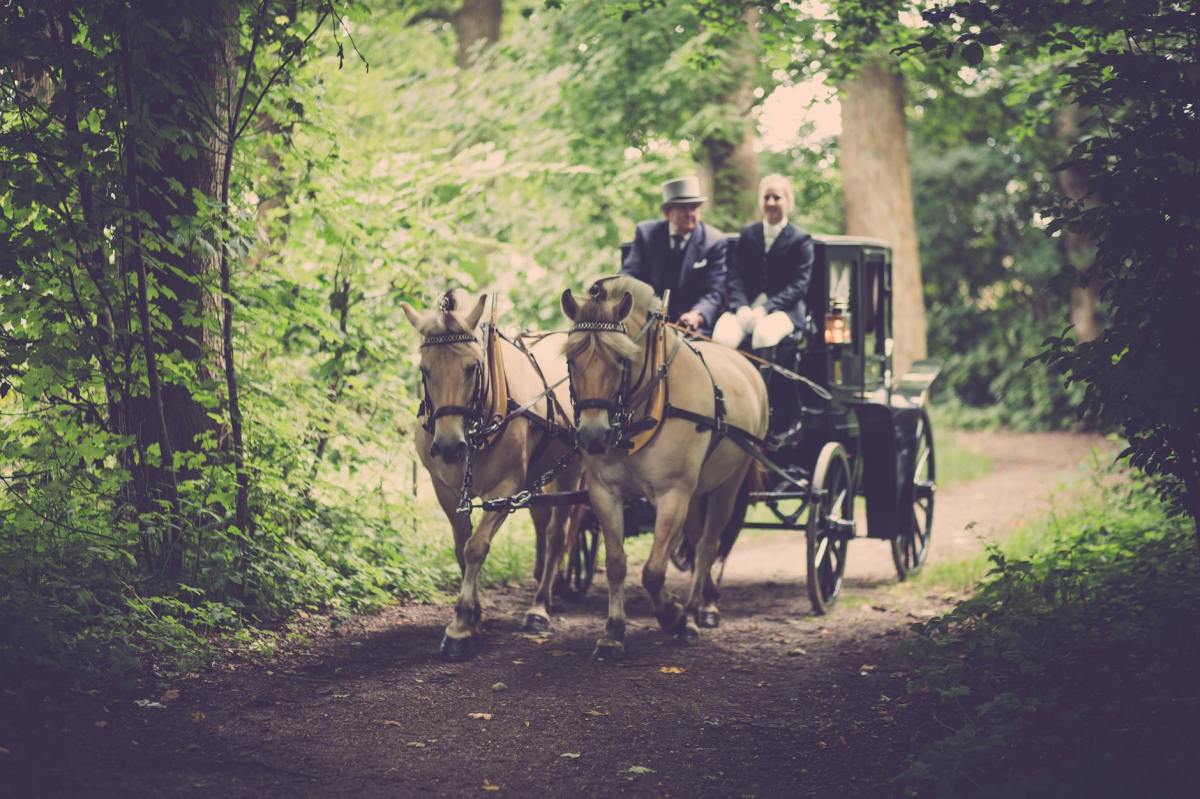
It is modern. Where I live now is, and has been, a route from East to West and vice versa for much more than a thousand years. For most of that time either our feet or horses where the means of locomotion. Time had to be set aside for perilous and uncomfortable journeys

Travel is a wonderful experience. Even if the time spent between A and B is tedious, draining and eventful in an unwanted way. Adventure beckons in a manner that has always overcome the inconvenience. Certain airlines would never have succeeded if comfort was a must.

In the 17th century getting from London to Bath was a major undertaking. A speed of 30 or 40 miles per day on rain-soaked roads of poor repair there was need to rest up and take a journey in stages. It’s these habits that have shaped the view of traditional England. Gone are the toll houses and the highwaymen but the routes and public houses remain. Well, fewer and fewer of them as business is tough[1].

Travel is that perennial hope, that there is a silver lining to every cloud, that good times are only just around the corner. That in travel we will see, hear and experience something new and to our benefit. It’s not a free lunch. Effort must be made to reap this benefit. It’s there in the word. It’s the Norman-French origins of travel. Travail is to work and labour.

Ironically, although there are exceptions, modern society is trying to make travel as little effort as is possible. Even to the extent of automating vehicles when the demand for such innovations is minuscule. It’s not increased comfort or convenience that’s the aim. No, it’s to dissect time into even smaller parts so that people do not “waste” time travelling.

In an age before concrete and steel carved a path through the English countryside, a journey was a venture to be planned and considered with trepidation. A land of fields and meadows, rivers and streams, and notoriously changeable weather.

Comparisons with today do fall by the wayside. Towards the end of the 17th century the population of the whole of the country was only about 5 million. Creeping industrialisation was drawing people into the cities. Change was on the way.


[1] Hard Times of Old England https://www.youtube.com/watch?v=MoWEiq_Z0aw

Understanding Contrails

Crisscrossing the sky, as I look up on a clear day, there are civil aircraft going about their business. People travelling across the Atlantic or coming back or on a day trip to Glasgow.

These shiny pinpoints of light in motion, set against a blue sky, are all the more visible because of the vapour trails they leave behind. Aircraft speed through the rarified atmosphere to leave a momentary trail as evidence of their presence.

Up with the aircraft in flight are natural clouds. Up at 30,000 feet there can be Cirrus clouds[1]. There might not be much air pressure at that altitude but there’s enough moisture to support cloud formation. The word “wispy” sums them up.

Aircraft create condensation trails that are known as contrails. How the English language likes to shorten. They are not mysterious or generate with evil intent in mind. It’s simple physics.

In my bathroom, with hot water gushing from the shower, moisture is the air. When that moist air meets a cold surface, like a window, condensation is sure to be seen. Airbourne it’s not so different. Hot emissions from powerful jet engines shooting out into a cold low-pressure environment and guess what?

Typically, contrails don’t last long. If there’s appreciable wind at high altitude, then they get dispersed quickly. Not only that but the icy temperatures up there soon return things to the status-quo. There are days, when the air is still, that the sky can become a crisscross of contrails where dispersion is more like a gentle merging.

The theory goes that the cumulative impact of lots of high-altitude flying is like the impact of additional cloud formation. It’s water vapour after all. It’s known, high altitude clouds can contribute to the greenhouse effect.

The point I’m getting to here is that lots of flying contributes to climate change. Primarily because of the burning of significant amounts of fossil fuel. As a secondary consideration there’s the issue of contrails across the globe.

This leads to the question – can their formation be avoided? Even, is there something useful to be gained in doing so. Trials and research are trying to establish the answer to these questions[2].

Initially, contrail avoidance sounds like it should be relatively easy to do. However, like so many good proposals it’s not so easy. Change needs to involve air traffic management, flight operations and international regulators.

First the atmospheric conditions need to be detected or predicted in a given location and then an avoidance needs to be planned and undertaken in coordination with everyone flying at high altitude at a given time. Lost of data to crunch.

It’s possible, in oceanic airspace, a dynamic aircraft system could perform this avoidance function. It would be an interesting design challenge for an avionics company to take up.

#Net Zero #SustainableAviation


[1] https://weather.metoffice.gov.uk/learn-about/weather/types-of-weather/clouds/high-clouds/cirrus

[2] https://news.aa.com/esg/climate-change/contrail-avoidance/

My First US Adventure

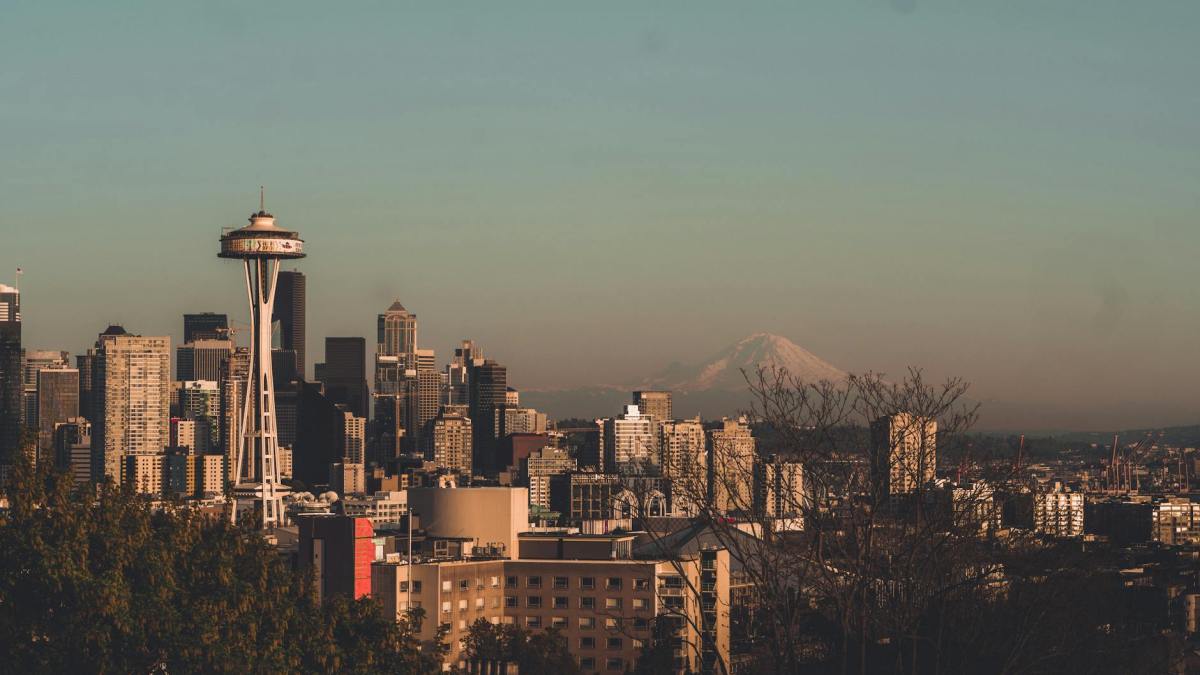
Let’s wind the clock back. My first trip to the US. It was a big adventure. One that I’d recommend to anyone in their 20s. The trip was a Pam Am fly-drive affair. A travel package that took me and three friends from London Heathrow to Seattle and back. In 1981, I had no idea that I’d be returning to Seattle numerous times in the following decade.

I keep a personal flight logbook. It’s a simple way of keeping track of the dates, times and places. Memory can be unreliable. When 40 years or more has past recollections of individual trips get jumbled up. Although this one is difficult for me to mistake.

We took off in the afternoon and flew across the Atlantic on flight PA 123. Slightly being in awe of the mighty Boeing 747-100. It was the largest aircraft doing that route on a regular basis.

Sadly, the Lockerbie bombing occurred 7-years later to a similar transatlantic Pan Am flight. The airline that brought the Boeing 747 to life didn’t survive after that tragic event.

One of the advantages of being a sandwich student was the ability to earn. To put some money away. To have the funds to plan an exploration like this trip without depending on the bank of mum and dad. To keep the costs down the four of us shared a car, the driving and the motel rooms along the way. In fact, we had a detailed itinerary that didn’t leave much slack time at all. Our travel planning was meticulous. I’d even arranged to visit an offshoot of the Plessey company in the Los Angeles suburbs. It was a real eyeopener. A maker of precision metals for the aerospace industry.

We arrived in Washington State only a year after the deadliest volcanic eruption[1] in US history. Naturally, being the students we were, we drove as close to the devastated area as the open roads would let us. I took pictures of that too. Views of forests felled like matchsticks.

We packed an enormous amount into August 1981. Returning to our final year as soon as we got back. This trip always reminds me that if you plan well and are determined enough you can do a hell of a lot in a short time. We drove over 6000 miles and took in a lot of the West Coast.


[1] The Mount St. Helens major eruption of May 18, 1980.