
Machines, like aircraft started life in craft workshops. Fabric and wood put together by skilful artisans. Experimentation being a key part of early aviation. It’s easy to see that development by touring a museum that I’d recommend a visit. At Patchway in Bristol there’s a corner of what was once a huge factory. In fact, somewhere where I worked in the early 1980s. Aerospace Bristol[1] is a story of heritage. A testament to the thousands who have worked there over decades.
Fabric and wood played part in the early days. The factory at Filton in Bristol started life making trams. An integral part of turn of the century city life. Carriage work brought together skilled workers in wood, metal and fabrics. It was soon recognised that these were just the skills needed for the new and emerging aircraft industry. The Bristol Aeroplane Company (BAC) was born.
It’s war that industrialised aviation. Demonstration of the value of air power led to ever more technical developments. Lots of the lessons of Henry Ford were applied to aircraft production. Factories grew in importance, employing a large workforce.
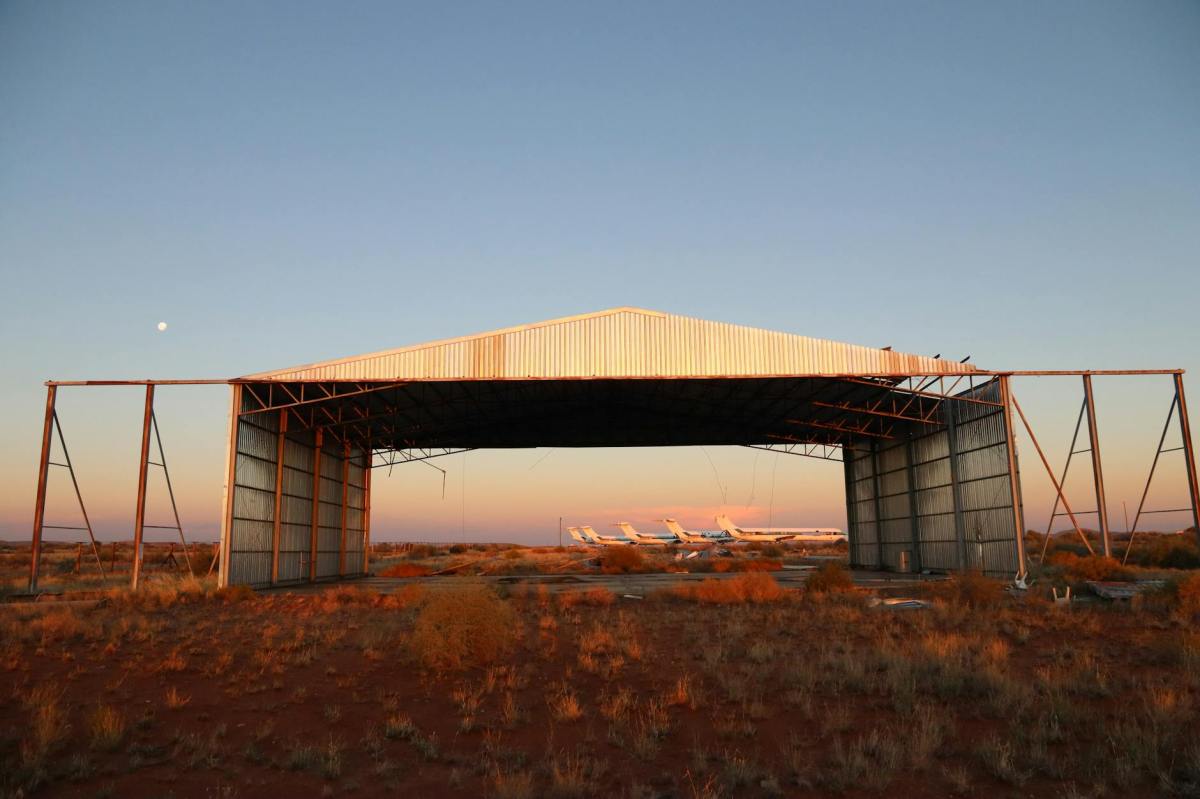
My time at the Filton site was in a building next to a hanger where the Bristol Bulldog[2] was originally produced. This was a single engine fighter, designed in the 1920s, in-service with the Royal Air Force (RAF).
Right from the start orderly processes and regulatory oversight formed part of aircraft design and production. The management of production quality started as a highly prescriptive process. As aviation grew into a global industry, the risks associated with poor design or faulty production became all too apparent.
In the civil industry, regulatory systems developed to address the control of design and production as two different worlds. Airworthiness, or fitness to fly, depended on having a good design that was produced in a consistent and reliable manner. So, now we have a regulatory framework with two pivotal concepts: DOA (Design Organisation Approval) and POA (Production Organisation Approval). It took about a century to get here. Now, these concepts are codified within EASA Part 21, FAA regulations, and other national aviation authorities’ frameworks.
Here’s my more controversial point. Is this internationally accepted regulatory model, that has evolved, conditioned by circumstances, the right one for the future? Are the airworthiness concepts of DOA and POA out of date?
This is a question that nobody wants to hear. Evolution has proved to be a successful strategy. At least, to date. What I’m wondering is, now the world of traditional factories and large administrative workforces is passing, how will regulation adjust to meet future needs?
Maybe I’ll explore that subject next.
 John Vincent