Responsibility

What do I have in common with former Prime Minister Liz Truss. Well, not much, I hope. Only I will stop myself from jumping on the band waggon and rubbishing the entirety of what she has to say. It’s astonishing to think that she was once a fully paid-up Liberal Democrat member. Her exit to the dark side is the stuff of decades past pulp fiction.

Truss’s published plans are clearly as mad a bag of frogs. Damming and disbanding anything and everything that you personally don’t like is a page out of the Trump playbook. Oh yes, there’s a community of enraged folks who will not read the detail and pied piper like follow the music. That will sell a tiny number of books before they pile-up in the high street charity shops of the country. Even they might flinch at stocking her castoffs in print. 10p would be too much.

Now, comes the; ah but. If I go back to the mid-1990s, I was writing about the proliferation of QANGOS[1]. Being a local Councillor at the time I felt a great deal of irritation in finding that so much government policy was focused on taking power away from elected local government and giving it to appointed bodies with no local accountability.

The Liberal Democrat approach has long been that power should be decentralised from central to regional and local government. A great deal of what we have seen in the last three decades has been exactly the opposite. Devolution in Scotland and Wales being the exception. Although, that didn’t make much difference when Brexit came along.

Giving specific powers to executive agencies is not the problem. You might think I’d say it was. No, the problem is the relationships between elected bodies and those who act as its agents. Once a democratically elected body has determined a course of action there’s benefit in having expert agencies, given clear terms of reference and a job to implement specific policies.

Politicians, generally make lossy managers. This is where the Truss / Trump doctrine, that politicians should control or manage everything as being extremely foolish. Centralisation does help when unified action is needed but for the most part keeping all decision making in-house degrades administration and enables it to become detached from reality.

Politicians are great critics. Their skills are best used to scrutinises activities at a high level. To exercise oversight and provide feedback derived from real life experiences (The Post Office scandal being an exception to this general assertion).

The former Prime Minister who holds the record for being the shortest in office had to take responsibility for her actions. In that most peculiar way, UK democracy worked. No well, but at least corrective action was taken in reaction to a calamitous situation.

Take back control in my mind means returning powers to regional and local government. Where QANGOS are necessarily then make sure they are kept under effective scrutiny. A lot of what I have said here is better said in a policy paper from 2007[2]. We know what to do but rarely do we do it.


[1] In the UK, the term QUANGO addresses “arm’s-length” government bodies, including “non-departmental public bodies” (NDPBs), non-ministerial government departments, and some executive agencies.

[2] https://www.libdemnewswire.com/files/2016/02/77.-Green-and-Prosperous-Communities-Local-Regeneration-for-the-21st-Century.pdf

Muddy

Rain, rain, rain. It’s been a wet spring, so far. Let’s put that down to global warming. The cause is one thing, but the symptoms another. They are there to see every day as I look out of the kitchen window. At the back of our house, the open field that stretches out towards the river Lambourn is about 7 acres in size. At least half of it has been flooded or is caught in that cycle of the ebb and flow of the river for the last 3-months. Great for wildlife. It’s a soggy marshland.

We are into mid-April and there are rainless days. Bit by bit, it looked as if the river’s flood waters[1] were receding, and they were but now and then a burst of rain tops up the pools and streams. That’s this morning in a nutshell.

Our lawn is growing fresh grass enough to fuel a herd of wildebeest. I jokingly said we need a goat to eat it all off. Getting my battery powered mower to control the lawn is a real effort. A healthy growing season. That’s the good side of a damp climate.

For livestock, and wildlife the flourishing fodder is a positive. Already there are two families of ducklings swimming around and eating as much as they can. On the negative side, parts of the field outback are too wet to allow cattle to trample the new grass. A seasonal problem I’m familiar with having grown-up in a place called Horsington Marsh.

Bright green growth is one of the delights of springtime. Leaves on the trees and the fresh grass as it reaches skyward. Even the moss looks shiny and alive. This is the two-edged sword of farming. Grass needs the rain but too much and the land becomes a potential mud bath.

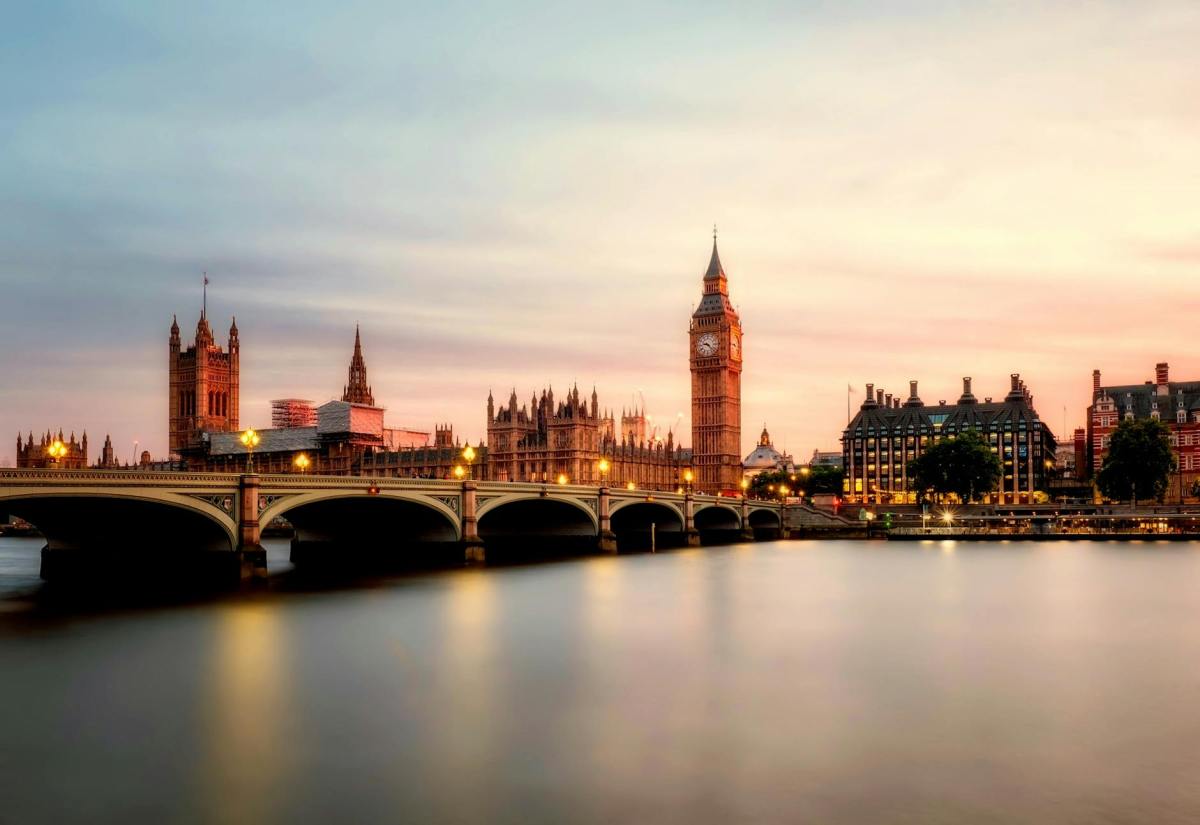
Eventually, the fast-flowing waters of the River Lambourn run into the River Kennet and then the River Thames. Strange to think that the water the ducks and geese stomp around in around here eventually passes through the heart of London on its way to the sea.

It’s notable that the grass grows where the flood water has receded. That part of the adjoining field where the waters come and go has turned into a combination of mud and aquatic vegetation. There are plants that can tolerate little air getting to their roots and there’s others that start to die back if there are submerged for too long.

Sadly, although the river’s waters look clean and clear, sewage treatment works, septic tanks, arable farming, road run-off and industrial processes have all had their impact. Technically the river is in an “unfavourable condition[2]” when it comes to aspects of water quality.

What of the mud? It will be interesting to see how quickly the submerged areas recover as the weather improves. I’ll be looking out for how all the phosphates in the water and the dead grass come alive again. Or do we end up with a low-lying grimy mud riverbank supporting rushes, reeds, and algae? Climate change and the human activity are changing the nature of watercourses. It’s difficult to say if the worsts aspects of this can be mitigated.


[1] https://check-for-flooding.service.gov.uk/target-area/061WAF22Lambourn

[2] https://www.westberks.gov.uk/article/41082/River-Lambourn-Special-Area-of-Conservation-SAC

Reform

It’s not a name that represents their reality. Although, a couple of the political polices they have on their books do mean significant restructuring. Proportional representation being one of those policies. They are a British political party that wants to continue the destructive arguments that brought about Brexit. Created in 2021 the Reform Party are the rump of the Brexit Party.

For poll watchers they are stripping voters away from the Conservative Party. In fact, their aim is to replace the mainstream Conservative Party. Unashamidly populist and right-wing, Reform is sending shivers down the spine of the centrist Conservatives. More libertarian than liberal, abolishing and leaving institutions is more their meat and potato pie.

It’s not at all unusual for such populist political parties to point at everyone else as a problem and assert that simple solutions can be magicked up in an instant. Reform is going for those issues that greatly trouble unhappy “conservative” voters. Taxes, immigration, green initiatives, mainstream media, and that nebulous topic “woke”. Failures in Parliament, at the Home Office and in the NHS are targets too. It’s the sort of stuff that gives a type of British voter a sugar rush.

There’s a deliberate attempt to follow in the footsteps of Donald Trump in the US. The dynamics of politics are different in the UK but there’s an appetite for harking back to a mythical era when Great Britain was great and how that could be recreated.

If the Reform Party does nothing else, it’s tipping the existing Conservative Party to go ever more to the right of politics. This, to some extent, explains the ridiculous obsession with current Rwanda legislation that’s as likely to work as a square wheel.

One prediction can be made with confidence is that the coming Geneal Election is not going to be much like the one in 2019. What on earth would happen if well-known personalities like Boris Johnson backed the Reform Party who knows where we would go next. To me this is horribly like Germany in the 1930s. Taking a hard line on immigration is one thing but calling for the UK to leave the European Convention on Human Rights is a slippery slope.

Politics with a noisy and truculent style has its place. Jam tomorrow and promoting “easy” solutions to complex problems are not new. Red-faced shouting and finger pointing has been around since Roman times. It’s the way a lot of people feel when things do not go well. Trouble is that putting people in power who tout this style always ends in bad consequences and disillusionment. It’s guaranteed.

Reform is polling in double digits. However, with the UK’s traditional First Past the Post (FPTP) electoral system this means very little. Reform may influence the conservative climate of opinion only. Revolution is not in the air – yet. What niggles me a bit is that Brexit caught many people on the hop when it happened. Its legacy has been wholly negative. The question arises, are we in for another round of shooting ourselves in the foot? I hope not.

Smart

One of the most irritating peak-time adverts on British TV, now, is the one where a fake Albert Einstein wibbles on to a fake dog in a hideously fake humorous manner. It’s condescending and preachy. What on earth the Albert Einstein has to do with household energy meters I can’t imagine. His famous equation is more useful for making nuclear bombs than measuring domestic power consumption. You might think the great man was an annoying Italian computer gaming character.

The smart meter is pushed on the basis that “you can better manage your energy”. I expect that’s true in most cases when they work well. I’ve had one for some time. We recently changed energy supplier. Guess what? In the transition I had to throw away an indicator and replace it with another.

In the news are reports of defunct smart meters causing people concerning problems. Smart meter mode means a meter can automatically send readings to an energy supplier. When they don’t work, lack of meter readings opens the door to energy companies making up bill estimates often to their advantage.

When I informed our power company, I got an education that put me right. Can’t possibly call the whole system a smart meter. No, that would be wrong. So, says the company:

“The smart meter you are enquiring about is actually an In Home Display, the smart meter is the meter on the wall.”

That informative reply reminded me of the Not The Nine O’clock sketch set in a gramophone shop. Foolish householder not knowing that it’s called an In Home Display (IHD). The smart meter is installed on the wall.

I’m in support of energy saving and the role an intelligent meter can play in monitoring the use of domestic energy. What are they trying to do – put me off?

Long gone are the days when meter readers knocked on the door and with a cheery smile jotted down the gas or electricity numbers in the understairs cupboard.

Now, I see the claim is that the “vast majority” of smart meters are operating as intended. That’s good. Those words mean about 88% according to a BBC report[1]. That sounds fine but what about the 12% who are in limbo? That’s not an inconsiderable number of people.

The roll out of smart metering technology started in 2011. There’s a first-generation and second-generation set-up out there in homes. A lot of work has been done to sort out communication problems. However, network coverage is not universal. Those connection issue are familiar to anyone with even the best mobile phone.

The BBC report is right to highlight problems. There ought to be a bigger focus on a plan for maintenance of the system as much as pushing new smart meter installations.


[1] https://www.bbc.co.uk/news/articles/cz9zqn77ezno

Safety

A considerable part of my working life has been in the analysis of occurrence data and trying to distiller the factors that cause or contribute to accidents and incidents. It’s rewarding work. An opportunity to influence that has value. I subscribe to the dictum that everything we do should contribute to continuous improvement in safety. Not zero risk but to keep risks low and under control, in so much as it’s possible.

Aviation only has the great success that it does because it’s a safe industry. For mass transport by air to be viable across the globe, the public must have confidence in it. They are willing to place whole families in the care of an airline to get them from London Gatwick to the Canary Islands for something that is not a physical need[1]. Regular leisure travel is a luxury and a privilege. We live in a fortunate age when overseas travel can be afforded by a large section of the population.

I watched the recent documentary on flight MH370. It’s sobering. It’s a story of the loss of a large aircraft that still seems unbelievable in this era. It’s the 10th anniversary of the disappearance of Malaysia Airlines flight MH 370 on 8 March 2014. The loss is a stark reminder that the oceans cover over 70% of the surface of the Earth. We know less about parts of the oceans than we do about the surface of Mars. The depths remain uncharted.

With a paucity of evidence theories have taken root. Official investigation reports are available. However, mystery remains particularly when it comes to answering the question – why? If as the documentary suggest, the willful actions of the pilot-in-command brought about the fatal outcome then there’s little to tell of his motivation. Highlighting the tragic Germanwings aviation accident doesn’t offer anything other than a context to possibilities. Evidence that the MH370 pilot-in-command was suicidal is scant. Although his known actions do not make much sense without invoking such a theory. Understanding what drives people to purposefully undertake unpredictable and irrational actions is an area of study that always needs attention.

Yesterday, Sunday, I was remined that threats to safety can come out of nowhere. Seemingly routine car journeys can suddenly take a turn in an unexpected direction. We become subject to the fates. I use the word “fate” but I’m not a great believer in the fates. Randomness plays a part but, in this case, yesterday afternoon, I was the subject to the foolish and negligent actions of another car driver.

On a wet “B” road that climbs and descends over chalk hills, there are triangular road signs that warn drivers that the road is a high risk road. What the signs are referring to is the wildlife. A deer may leap out of a roadside hedge at great speed and misjudge the road traffic. In fact, I did see an unfortunate small dead deer at the kerbside.

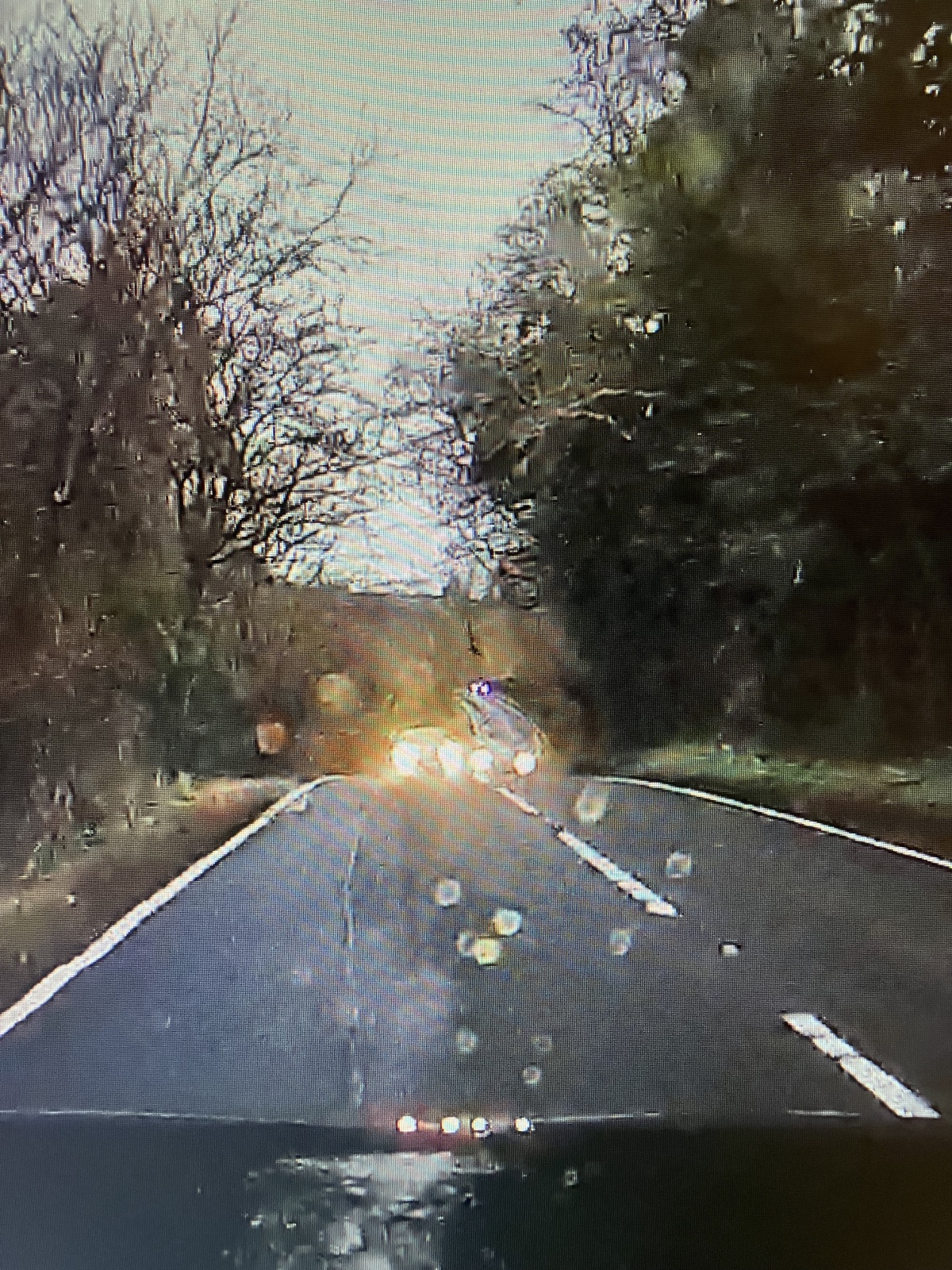
What happened to me had a purely human cause. Naturally, I would call it complete idiocy. Coming over the brow of a hill, and descending, suddenly there was 4 bright headlights ahead. On a narrow country road, with overgrown banks on either side that was a scary sight. Nowhere to go. In a faction of a second the overtaking car coming up the hill veered back into the right-hand lane. No more than a couple of yards in front of my car. Fortunately, there was no collision. What on earth was the motivation of that driver? Overtaking, at high speed, approaching the brow of a hill, on a wet county road, in poor light, sheer madness. A small red car, overtaking a larger car.

In safety work this points to the most difficult situations to understand. The irrational, or stupid or reckless, or carless human drives that are hard to design out of systems. How do we take effective corrective action when one person’s risk threshold is so very much higher than normal or acceptable? The problem with saying – take their licence away – is that this is always reactive. After a negative event. Maybe even a fatal one.


[1] https://www.simplypsychology.org/maslow.html

Transform

Watching the BBC’s Sort Your Life Out[1] is cathartic. Stacey Solomon and her team are bubbling with enthusiasm. They get in there, and in one big swoop change the lives of a family that has become trapped in their own clutter. Everyday surrounded by way too much stuff.

This is so relatable. I’m in denial. I am not a hoarder. The truth is that there’s no place on a TV programme for me but that doesn’t mean I don’t have one or two “challenges”. Even in that double negative there’s the shifting sand of denial. Just don’t look in the garage.

To transform our lives, we have just moved house. Now, over a month in the new place. That has left the job of clearing out our former house and tidying it up. One thing with clearing out the accumulation of ages is the need for a deadline. Solomon’s show has that built in. Our deadline is a floating one that can’t float for long.

This week, I got temporarily mesmerised by a pile of old newspapers. Yes, it’s down to me. For the strangest of reasons or no reason at all, I’d kept a pile of curious newspapers that went back to 2010. Events like General Elections, Budget days, disasters, the local MP’s misdemeans and the rise and fall of people in public life. A real mix of general interest.

Like Sort Your Life Out, politics in the UK is full of stories of notable names that have come and gone. One or two have been upcycled (Nick Clegg), others were recycled (Lord Cameron[2]), and some previously prominent names disappeared altogether. Acknowledging the obituaries too.

What struck me was not only the names that come and go but the rollercoaster that has been the last 14-years. Underlying that is a cycle that goes bust, boom, bust as that rollercoaster thunders along on rails that disappear into the mists.

Regarding government budgets, we have regularly been promised transformations. Chancellors who don’t promise more for less are rare. Those who deliver it are even rarer. For the most part, in aggregate, our wealth per capita is going in an unhealthy direction. I’d say government budgets are an expression of political priorities, but they are far less important than events.

What do we learn from the whirlpool of public life? One thing is that history is constantly being rewritten. In the longer term what’s said about Johnson, Farage, May, Brown, Blair, Major, Clegg, and Cameron is going to be rewritten time and time again.

Back to my comparison of Sort Your Life Out and General Elections. To quote a quote[3] that is not by Mark Twain but is commonly attributed to him: Politicians are like nappies (diapers), they should be changed regularly.

If we genuinely want transformation, we need to vote for it. In my mind, voting either Conservative or Labour amounts to more of the same.


[1] https://www.bbc.co.uk/programmes/m00116n4

[2] https://en.wikipedia.org/wiki/David_Cameron

[3] https://quoteinvestigator.com/2018/10/17/diaper/

Spring

References to meteorological spring are all well and fine. I accept that those with the expert knowledge and data say that the 1st March[1] marked the transition into spring. For me that’s too early. Jumping the gun a bit.

The occurrence of astronomical spring makes more sense to me. That puts the transition on 20th March. So, a couple more weeks of tapering winter to go. I never like counting on spring before my birthday. I may have said this before, I’ve watched the Cheltenham Gold Cup[2] in a snow shower. That race is on the 15th March this year.

Nature is being the wake-up phases. Those buds that can be seen everywhere there hedges and bushes are a good indicator. Bulbs are well advanced this year. The snowdrops came and went with great speed.

This morning a frosty mist hung over the river. Slowly the sun’s rays burn-off this obscuring icy fog. The vail is lifted. The flood is receding after a couple of days of nothing more than light showers. Gradually the wetland grass is adjusting to a new phase of growth.

Riverbank trees are bare. The stretch up through the mist like a charcoal painting. Shades of grey gradually give way to colour as the dawn takes hold. A cloudless sky frames the outline with a pure morning blue. Backlight as I’m looking North.

Nothing but a troop of stubborn fat geese waddle around at the edge of the slivery water. The mirror like water is their playground. Preening and feeding the empire of Canadian geese numbers more than ten. Their peaceful contentment contrasts with the commuter traffic on the Oxford Road.

All the signs are of a sunny morning further hastening the approach of natures spring.


[1] https://www.metoffice.gov.uk/weather/learn-about/weather/seasons/spring/when-does-spring-start

[2] https://www.thejockeyclub.co.uk/cheltenham/events-tickets/the-festival/gold-cup-day/

Friday evening

I listened. Well, it was unusual. On a Friday night, the country’s Prime Minister (PM) addresses the nation. Not much prior indication it was going to happen. What’s afoot, I thought. Could this be the moment a General Election is called? In the end it wasn’t an earth-shaking moment or likely to change the direction of the course of world events. The intention was good. There’s a strong need to step back. To condemn violent extremism in all its forms. Whether it’s ideological, from a political stance or religious in motivation.

Yes, people have a right to be passionate in pursuit of their beliefs. The limit comes in a liberal democracy when action steps over into aggression, intimidation, hate and violence.

Yes, it’s a sad day when a Westminster byelection results in the election of a maverick who as a disturbing track record of associating himself with alarming people and beliefs.

We (UK) are sure not in a good place, now. That does call for political leadership to step-up and face down those who would corrupt, divide, and wreak havoc. To do that across the board whether it be from the extreme left or extreme right. Wreckers are not new. They pop-up through history. Often using a false narrative to antagonise and stir-up insurrection. The results are always to the detriment of most people and to the advantage of a very few.

Is the PM facing down the those who’d happily wreck our liberal democracy? Friday evening was one attempt.

I agree with some commentators. If a speech is to be made outside the front door of Number 10, such an iconic setting, then there ought to be something of great substance in that speech. Afterall this is the place where PMs come and go, elections are called, and major crises are addressed. In this case there wasn’t much of great substance and vague messages were scattered throughout the PM’s rambling speech.

One problem is the misguided mixing of multiple different concerns in a mishmash. For example, protest is not de-facto bad. Illegal actions during a protest must be addressed much as illegal action any other time. If extra resources are needed to address those illegal actions surely it is for the government of the day to provision them appropriate to the task.

Perception matters. Condemning those who are clearly in opposition to the PMs political stance but turning a blind eye to those in the PMs camp who are just as bad, just smells bad.

Let’s be positive. It’s a good start. Leaders should come out an defend and preserve the liberty we all enjoy. They should craft langauage that unites. They should engage in robust debate on the side of truth. I wonder where we go from here. Will electioneering polticans stop the slurs and cheep remarks – unlikely.

POST 1: The PMs words on extremists and democracy have slipped off the on-line headlines rather quickly. Maybe his aim was for the weekend media to pick-up the debate in a thoughtful manner. Good luck with that one.

POST 2: Now, the PM is facing both ways. Paul Scully’s[1] utterances follow those of former Conservative Lee Anderson. When the majority of his party’s members think Islam is “A Threat To British Way Of Life[2]” and they would prefer a different leader from him no wonder the PM is calling for unity.


[1] https://www.telegraph.co.uk/politics/2024/02/26/paul-scully-no-go-areas-birmingham-london-islamophobia/

[2] https://www.huffingtonpost.co.uk/entry/majority-of-tory-members-believe-islam-is-a-threat-to-british-way-of-life_uk_65df4fd4e4b0e4346d54a740

March

The North wind doth blow and we shall have snow[1]. Well, today on the first day of March and it’s more of a gusty North Westerly wind and heavy rain. The snow maybe falling on high ground in the North of England but here in the South the temperature remains mild. Although, the line on the thermometer is slowly descending.

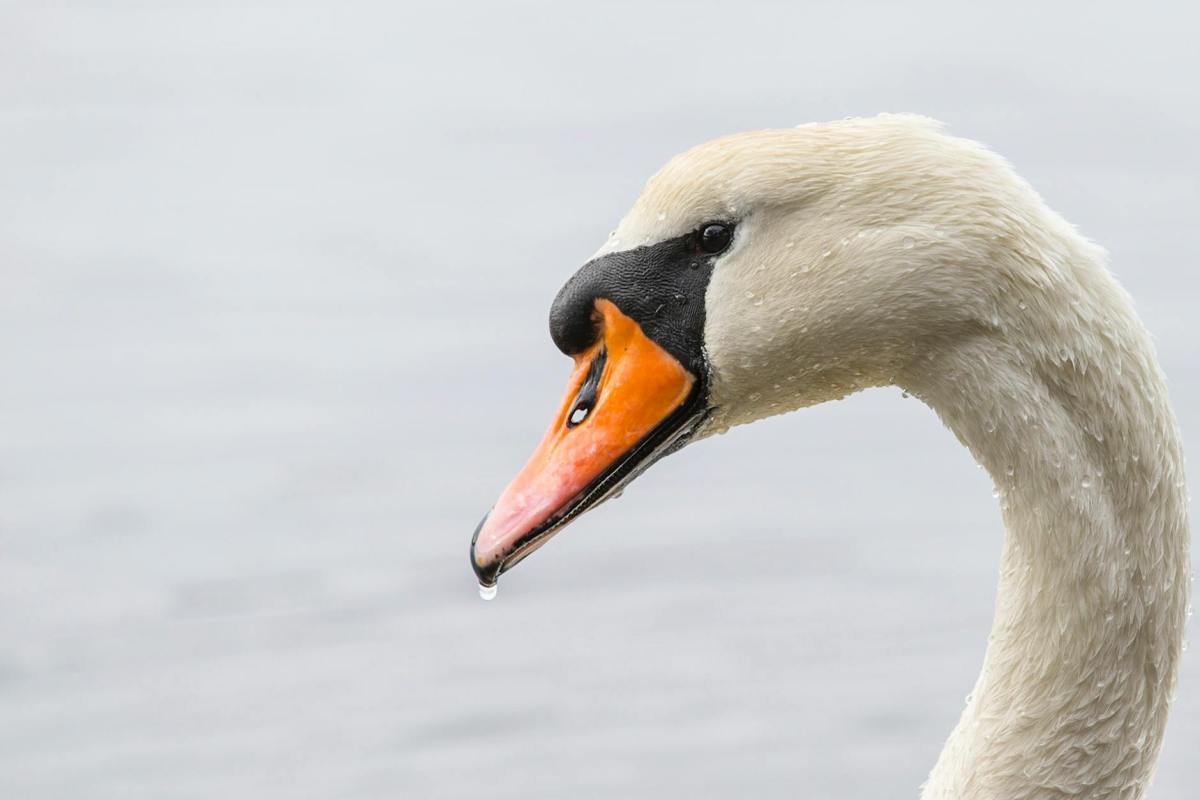
The flood in the small field out back waxes and wanes but is far from drying up. In fact, the extent of the water is greater now than it has been in a while. A lone Swan rests close to the riverbank. Not fussed by the driving rain. That makes me curious, where is its mate? On previous occasions, we have seen a pair of Swans cruising up and down the river Lambourn.

March comes in like a Lion[2]. That’s as true as it ever was of our weather, but will the next part of the saying happen as the month rolls on? Will March leave like a lamb? Winter may still have a sting in its tale. A misty wet March is in prospect.

March is always a month of transition. It certainly is for me. Having a birthday in the middle of the month is quite a good time to clock up another year. I never count winter as being behind us until I’ve put a candle on a cake. There’s an idea for a folksy modern saying.

There one more snowy white bird prancing around at the waters edge this morning. He or she is rather elegant small bird. It’s interesting to note that this bird was first recorded as breeding in Berkshire in 2007. Our visiting Egret[3] is dipping into the grass surveying the flood water with confidence.

Fishing is not just the exclusive rights of the Egret. There’s a slim tall Heron[1] who looks very regal. My guess is that the flood water has created small pools within which some small fish have become trapped. That’s a nice easy meal for a patient Heron. With spindly legs standing in the wet grassland any small fish would not see their fate coming.

As the sun has come up both Swan and Egret have moved on. The flood has been left to the ducks and geese. I don’t mention the Crows, Magpies and Pigeons. Although I just have. The wildlife seen from my window doesn’t mind gusty, wet, and windy anything like as much as I do.


[1] https://www.rspb.org.uk/birds-and-wildlife/grey-heron


[1] https://songsofchildhood.wordpress.com/2011/10/31/the-north-wind-doth-blow/

[2] https://www.theparisreview.org/blog/2015/03/02/folk-wisdom/

[3] https://www.wildlifetrusts.org/wildlife-explorer/birds/herons-egrets-spoonbill-and-crane/little-egret

Wild

Looked out this morning and there was a couple of geese to add to my list of sightings. The flooded field out the back attracts numerous birds and wildlife. Wet grassland is just right for them to be happy. Egyptian geese[1]. A pair was plodding around. Given their different colouration, I assume they were male and female. One was slightly larger than the other. These two steered well clear of the gaggle of grazing Canadian geese. As geese go these are about twice the size of the Egyptians.

Now there are distinct advantages in having webbed feet. Soggy ground and shallow waters are just right for the duck and goose community. As the light rain returns a couple of pairs of Mallards[2] takeover the riverbank. Swimming around each other and dipping and diving as they go. There’s an abundance of food so I expect to see many more waterfowl in coming days.

It rained overnight so there’s no signs that the flood water as receded this morning. There are ripples on the surface of the flood water as the wind is quite strong and gusty. That has a dying effect. So, the waters may easily follow natures calendar and return to the riverbed in the coming weeks. The trees are still winter bare. Up close they look different with buds already to go. March will be a month of change. The colours will start to change.

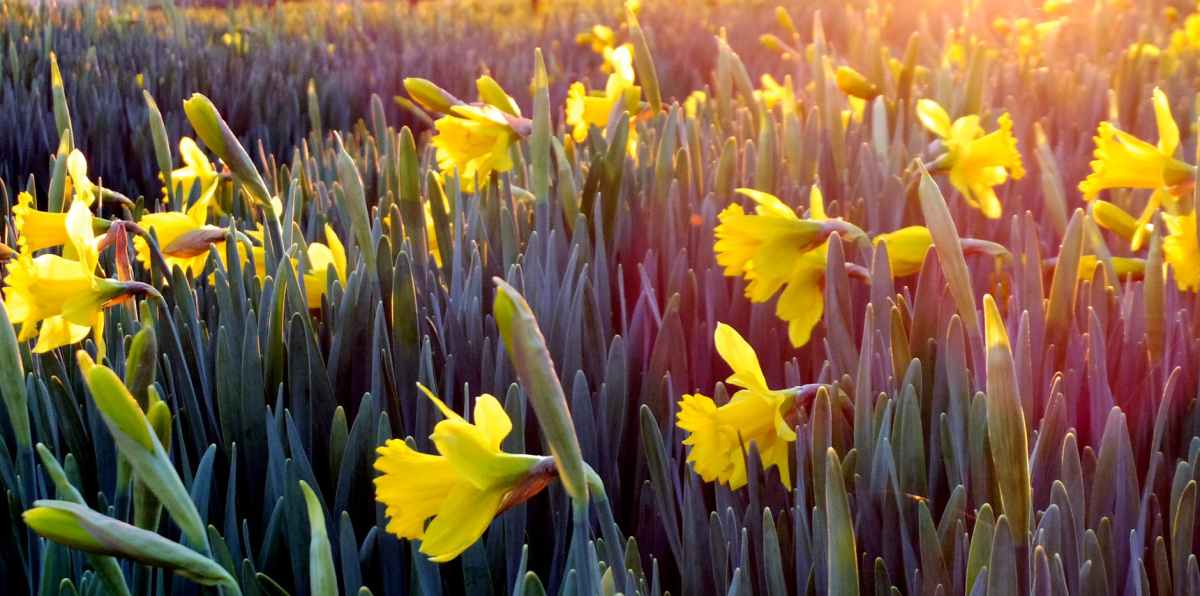
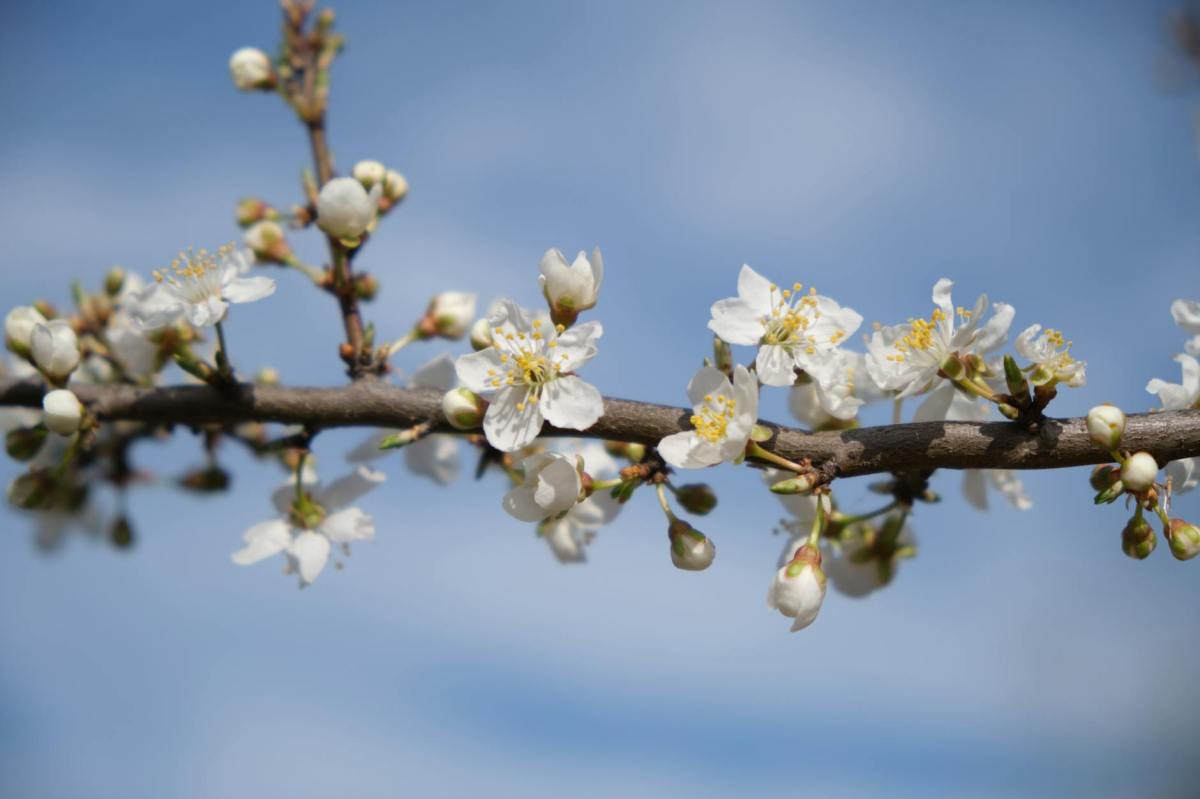
I say these things, but I remember standing in the snow on my March birthday. Winter’s being mild this year. It can still have a sting in its tale if it wants to upset us all. A sudden plunge into ice can still reset the calendar. Snowdrops have almost been and gone. Daffodils are showing at their best. The local hedgerows are full of Blackthorn blooms. That’s early.  

I don’t think I’m confusing the Blackthorn[3] and Hawthorn. The Hawthorn has often been considered a symbol of rebirth. That’s associated with the month of May and Springtime. One comes out before the other and seeing so many white flowers in late-February they must be Blackthorn. Even so, flowering now is a marked indicator that the seasons are changing. Climate change?

The blossom of the two hedgerow thorns is similar in shape and size. When they get buffeted by the wind the ground can get covered by a carpet of bright white petals. The distinction is that the Blackthorn has dark round black berries in the autumn. In fact, I’d refer to the whole thorn bush by the name of the berries, namely Sloes. Birds like them but I’d not recommend tasting them given their sharp bitter nature. The Sloe is better known for what it can become. That’s as English as the hedgerows. Sloe Gin[1] has been round for hundreds of years. It’s well worth a go.


[1] https://www.plymouthgin.com/en/product/plymouth-sloe-gin/


[1] https://www.rspb.org.uk/birds-and-wildlife/egyptian-goose

[2] https://www.rspb.org.uk/birds-and-wildlife/mallard

[3] https://www.woodlandtrust.org.uk/trees-woods-and-wildlife/british-trees/a-z-of-british-trees/blackthorn/