21st Century Gothic

It took over 600 years to complete, Cologne Cathedral[1] was finished in on 14 August 1880. That was about six months before the Conservative politician who served as United Kingdom (UK) Prime Minister (PM) twice, passed away. None other than Benjamin Disraeli. 

The Gothic revival has started. Europe became awash with gothic architecture. Cologne Cathedral ranks as a pre-eminent example of the style in all its glory.

Today, our UK Houses of Parliament, more accurately the “Palace of Westminster” is as gothic as gothic comes. After both houses has been burnt to the ground, in 1835 it was decided to rebuild. I guess that’s a clue as to why the architectural choice was made the way it was made.

The Germans, Czechs, Hungarians and British all had a taste for this grand nationalistic style. It had become fashionable with the Church as much as being a symbol of national triumphalism. It pushed aside the Classical style. Although many important buildings were still built in the Classical style at that time.

Honestly, I’m not being unkind. This week’s Ministerial appointment had more than one outstanding eyebrow lifer. I really wish I could do that trademark Roger Moore facial gesture[2]. What a handsome chap. I’ll forgive him his conservative leanings.

What got me thinking about a Gothic revival was not the famous painting: American Gothic[3]. Which is a wonderful parody. No, it was the image of a newly appointed Minister of Her Majesty’s Government. My thought was that this is NOT normal. This is worthy of exceptionally grave concern.

Jacob Rees-Mogg MP has been appointed Secretary of State for Business, Energy and Industrial Strategy. However, he might be most suited to the Gothic palace where he spends his time, the notion that that gentleman is the best choice for that office astounds me.

We are in 2022, aren’t we? There hasn’t been as sudden slip in the time continuum, and we are back in 1822, by any chance?

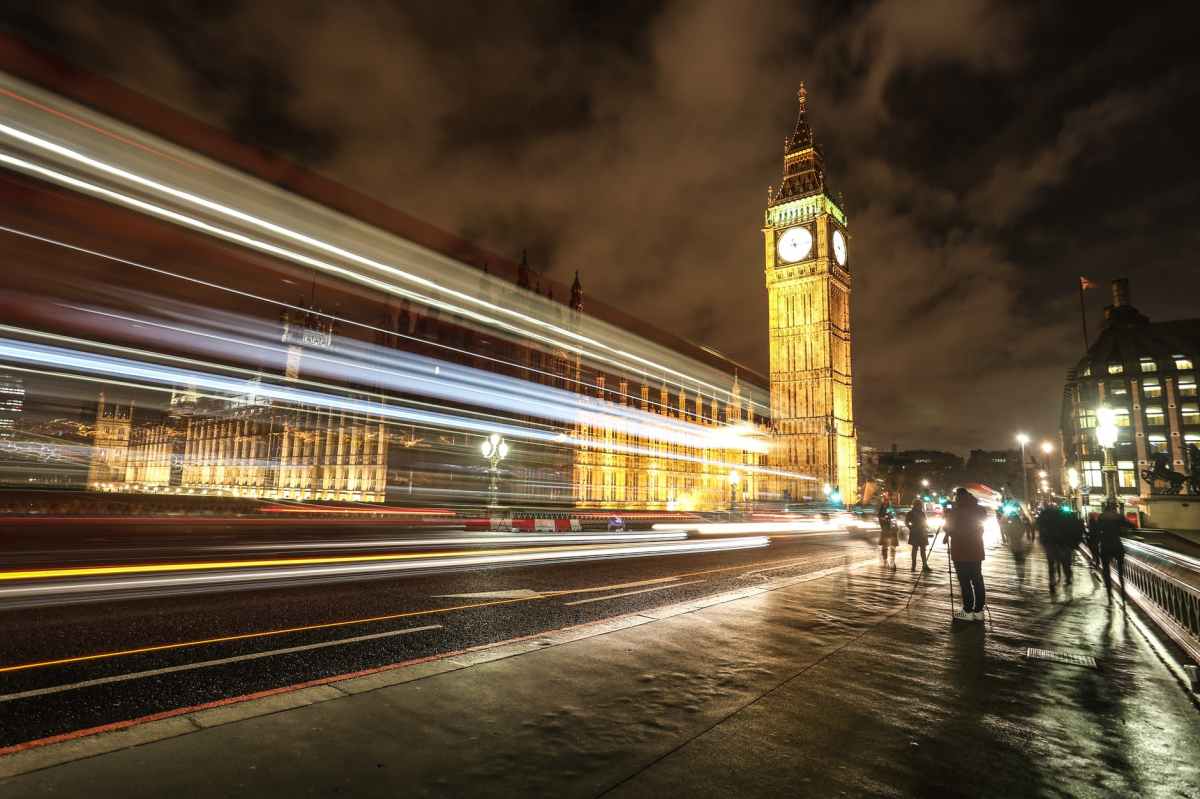
The UK Houses of Parliament have become iconic and symbolises the UK throughout the world. Big Ben, the clock tower, is in the Gothic style. I had no idea that this revival of the Medieval impacted the choice of Government Ministers. I’ve been shaken. I hate to use the words but – we’re all doomed[4].


[1] German: Kölner Dom

[2] https://britishheritage.org/en/roger-moore

[3] https://en.wikipedia.org/wiki/American_Gothic

[4] “We’re all doomed!” the classic catchphrase of Private Frazer in Dad’s Army.

Next Please

There’s no celebration. No fanfare. Today, the UK get a new PM. The 4th in 6-years. We have seen Cameron, May, come and go. Now Johnson is going in favour of Truss. If there’s a celebration, it’s that Johnson is going out of Number 10 Downing Street. The removal van is, no doubt, fully laden.

This is a transition that needs to be made as quickly as possible. For too long the Johnson cabal has been lingering and doing little of any use to the nation. However, the jobs are distributed it’s a time when decisions must be made fast, but with a degree of smart flexibility.

Truss has none of Johnson’s ability to bluff and shtick. The new PM has a delivery that’s wooden and gaff prone. Nevertheless, Tuss has beaten others who would dearly love to be in the hot seat. Although, there’s good reason to question why anyone sane would want to be PM in September 2022, given the vast size of the in-tray that is waiting.

Smaller taxes and smaller Government may have been Truss’s shop window to Tory members but that’s not what’s necessary to dig the country out of the doldrums. This is a time for intervention. We have markets that are actively working against the interests of the British people.

Denying the aftereffects of Brexit also needs to go in the dustbin. It’s only by recognising a problem that a better path can be taken.

The last thing we need is a laissez-faire leadership. The textbooks of the Reagan era do not contain the solutions to the problems of the 2020s. Immediate changes to the energy market are needed. Regulation is a major part of those changes. Not micromanagement but structural change. The accumulation of huge profits because of our peculiar regulatory structure can’t continue.

On this momentous day, change must happen. However, as a word of caution, that transformation must not disregard the real and urgent nature of climate change. If our hot summer wasn’t an indicator sufficient to catch the attention of the new PM, and whoever is appointed as energy secretary, then look at what’s happening in Pakistan[1].

Winter is coming. Short-term measures must prepare us for winter, but the long-term perspective is vital. Not only do we need to decarbonise but reducing demand for energy for heating is achievable. For too long the benefits of improving Britain’s housing stock have been neglected. We don’t need more spiel and the hands-off approach should be for the dustbin.


[1] https://www.msn.com/en-gb/news/world/pakistan-floods-more-than-450-children-killed-in-e2-80-98horror-show-e2-80-99-with-death-toll-feared-to-rise-further/ar-AA11uXnL

Do something

Understanding British reticence is part of understanding Brexit. This phenomenon is not new. Not new at all. It maybe culturally embedded. There’s an array of wonderful cartoons from Punch on the theme.

The late 1950s were peppered with such an inclination to paint a colourful picture: “You’ve never had it so good[1]” but closing a blind eye to unemployment, industrial stagnation, threatening Russians, and the aftermath of Suez. Substitute inflation for unemployment and Brexit for Suez. It’s all too familiar.

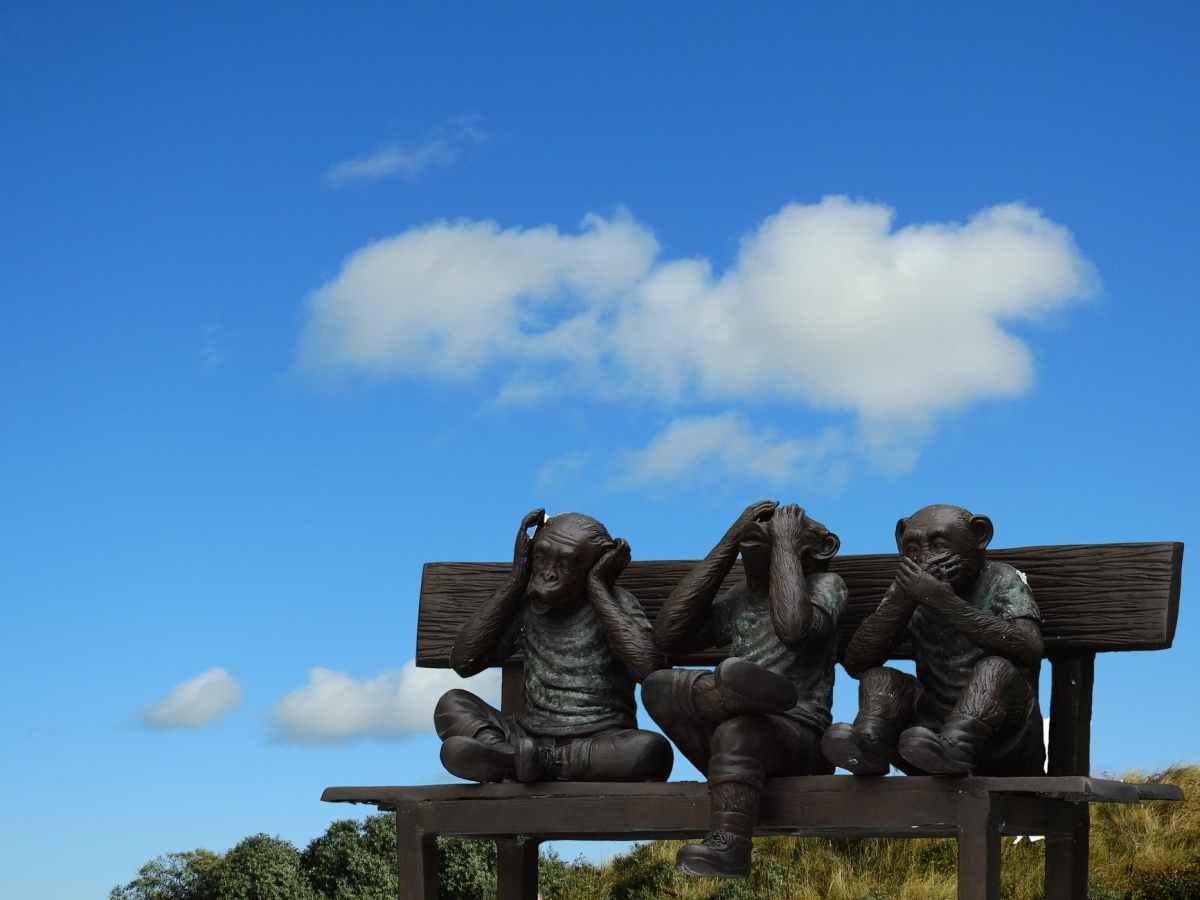
The early 2020’s is the era of unwillingness to do something about Brexit or talk about its damaging impact. All the time knowing that an accumulation of evidence all points one way. The nation is playing the 3-monkeies, in pretending that the facts don’t matter. It’s a lack of moral responsibility on the part of politicians who refuse to accept facts, looking the other way or faking ignorance.

Today, we see that Britain’s Brexitism, if there is such a word, is dedicated to a permanent anti-European sentiment. We see it in national newspapers like The Telegraph all the time. We hear it from would be political leaders. I’d even say we smell it.

This is done by politicians and establishment figures to preserve the sanctity of the 2016 referendum and as a means of explaining daily political failures. There must be a wild European ogre on the horizon otherwise the danger is that people might blame Brexit.

There are more successful times when the national code was discretion, pragmatism, and realism. These options have been thrown out of the window by the true believers in power. Such wise options are seen as “lefty” or U-Turns.

Johnson’s Government has capitalised on British reticence. Indications are that his successor will do the same, if not more so. The ideology of Brexitism is an over-simple belief. Which maybe explains why it spawns so many meaningless political slogans.[2] If it was complicated or in touch with reality the ideology would be more difficult to sustain. Hence the Brexiters inclination to capitalise on British reticence.

The means to break this destructive chain, whose links go from bad to worse, is radical change. The important part is that it must be change that the British people want. I suspect the conditions of that change are brewing. The next General Election must not be more of the same but under a different colour. There must be higher matters on the table when the country next decides.

POST: For balance, I’ll put the case for the Brexiters. The Brexit project has failed because the “liberal” and “lefty” establishment and outsiders that have sabotaged it. That is the civil service, the unions, the opposition parties, the judges, lawyers, the media, including the BBC, the banks, including the Bank of England, industrialist, immigrants, local government and anyone who isn’t a Brexiter and those countries that are punishing the UK. If that doesn’t work they then blame Harry and Megan. Yes, it is that mad.


[1] Conservative slogan in 1959.

[2] Get Brexit Done. Brexit means Brexit.

Sun & Wind

My morning routine includes switching on the radio. That already marks me down as being of a certain age. News and current affairs isn’t always a cheerful way to start the day but, at least, as a result I feel a bit better informed about the world and its ways.

Listening to Vince Cable[1], at the end of the BBC’s Today programme this morning[2] I agree. [At run time 2:37]. Sir John Vincent Cable, yes that makes me even more inclined to listen to him, has a wealth of knowledge and experience and puts his case well.

Yes, we have had four major shocks to the British economy. The banking crisis, Brexit, COVID pandemic, and war in Europe. Amongst these Brexit was self-inflicted and has cost the UK a great deal. To lump on top of all that we have had incompetence in Government the like of which hasn’t been seen for decades.

The blatant idiocy of suggesting that the answer is fracking to produce more gas and more exploratory drilling is needed are the ultimate in short-term planning. The UK is not the US. Believe it or not, there is a global climate crisis and burning more fossil fuels makes it worse. Short-term planning is one of the reasons that the UK economy is underperforming. Proposing more of that approach is to further embed reckless incompetence.

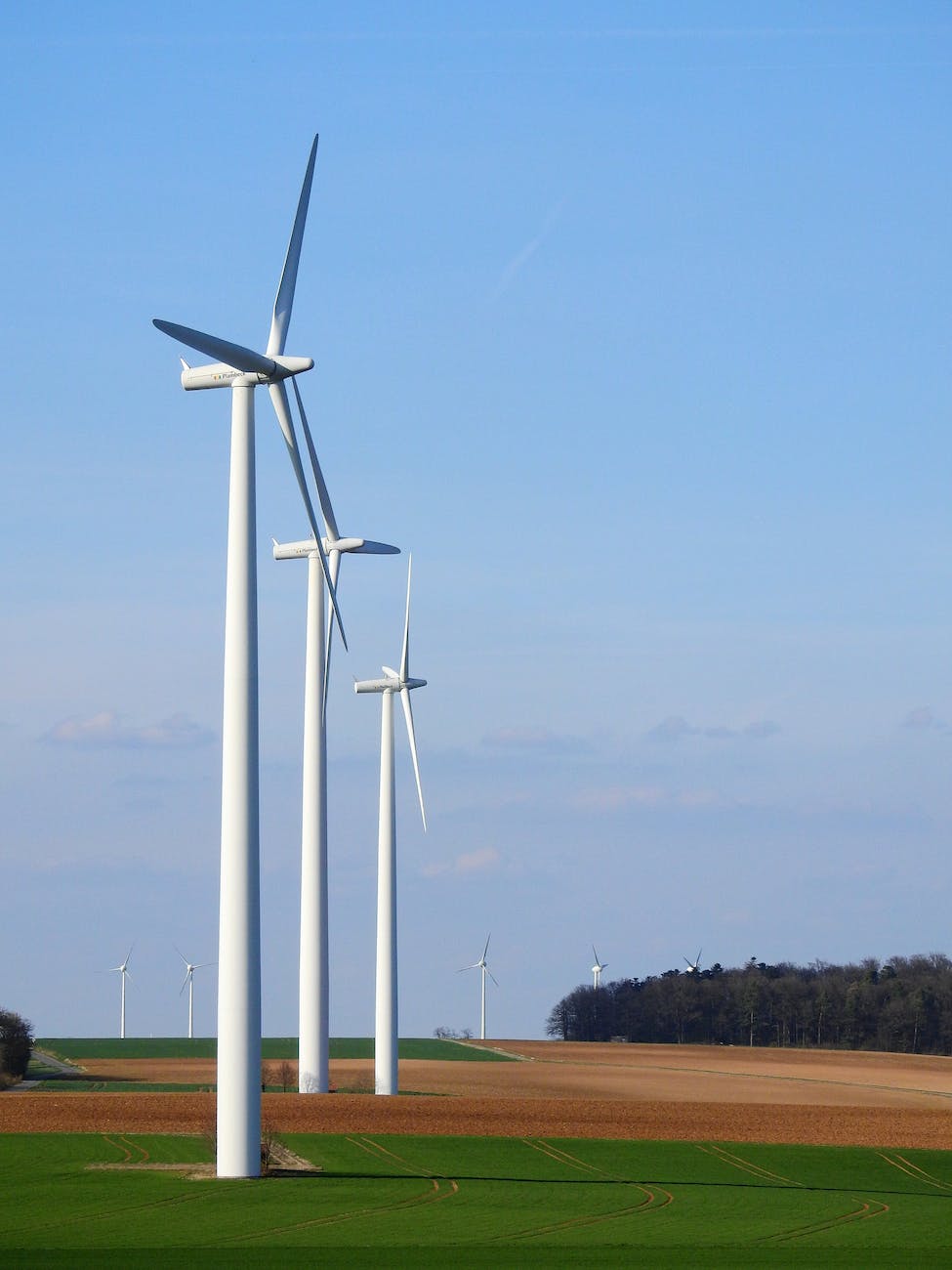
Vince is right. We should make it easier to build onshore wind turbines in the UK. I’m not saying completely deregulate the planning systems. That would be entirely foolish. However, in local development plans we have ridiculous absurdities that name wind turbines and solar farms as a particular danger to the character of the landscape. So, any proposal that is brave enough to come forward gets slapped down immediately. Local politicians run for the hills.

Like all such regulatory issues, there needs to be a balance struck. There are numerous places in the UK were wind turbines and solar farms have a great deal more positive impact than negative. Proposals for renewable energy developments should be given a leg up. The UK is blessed with renewable energy assets in wind, seas, rain, and enough sun to make a difference.

I am first in-line to defend the beauty of our countryside but not everywhere is equal in that respect. Not only that but compared to nuclear power stations of any size, wind turbines and solar farms can be removed after a life of service with little sign of their former presence.


[1] https://en.wikipedia.org/wiki/Vince_Cable

[2] https://www.bbc.co.uk/sounds/play/m001bbsv

Energy cap

The letters “Of” have been used as shorthand for “Office of” in the names of several regulators in the UK. There are at least two of them that are gaining an unparalleled reputation for incompetence[1]. Maybe, I’m being unfair. Afterall, a regulator can only do what the legislation that created it will permit it to do. They are not lawmakers. They can only interpret the law in respect of their own responsibilities. That law, however amended, is relatively stationary in the face of events.

One way of explaining what has happened is to admit that the ethos and rules in place were devised to serve past times. In the world of services provided by industry, the environment has changed dramatically, in more ways than one. A cacophony of events, Brexit, recuring political ineptitude, war, and climate change have made the framework created for British regulation obsolete.

It’s like trying to use a Thatcher / Blair era computer in the world of today’s internet and mobiles.

Now, what’s clear is that we have a bunch of Ministers who haven’t a clue what to do when faced with this problem. Conservatives keep a picture of Sid[2] on their bedroom walls.

The call has come from the Greens to nationalise everything[3]. This too is an inept solution to current problems. This was the dogma that Labour once held dear. How the political landscape changes.

Despite the calamities befalling us, we must get off fossil fuels. Again, Conservative politicians are on the wrong page. Britons needs encouragement to switch and insulate[4] not to stoop to fossil fuels industry lobbyists. The notion that the solution to a painful recession is to burn the future is absurd.

Let’s get out of the rut. Defending, and being constrained by a framework of organisation that’s out of date is no use to anyone. That is why the Liberal Democrat proposal to freeze the energy price cap is a good start. We desperately need to buy time, with escalating inflation, to come up with a new regulatory scheme. One that works for customers. One that works for the environment. One that works for you and me.


[1] Ofgem – the Office of the Gas and Electricity Markets and Ofwat – the Water Services Regulation Authority

[2] To encourage individuals to become shareholders, the gas privatisation offer was advertised with the “If you see Sid…Tell him!” campaign.

[3] https://www.bbc.co.uk/news/uk-politics-62577830

[4] Home insulation has been slashed by the current Government

The past

What’s disheartening about the current political debate in the UK is that it’s so backward looking. Now, I appreciate the real impact of demographics. Yes, we have an aging population and the trend for population ageing is continuing[1]. So, the audience of voters that existing politicians are trying to seduce is predominantly over 50 years old. This shapes the message that they send out.

If I go on about how much the world has changed since my school days, I’ll bore your paints off. I have endured such stories from local Councillors, relatives, and work colleagues for many a year. Nevertheless, perspective can be lost if I don’t make a few points on this subject.

I was surprised to read that the world’s first e-mail is over 50 years old. So, that medium that has taken over our lives and practically displaced post office delivered mail and that ancient artifact, the letter, is a decade younger than me. Of course, the use of e-mails took a while to get going and so it’s the time since Windows 95 when the greatest change has taken place. The first website is just over 30 years old. Now, it’s impossible to imagine a world where everyday information is not displayed on a screen of one size or another.

The transition has been from a predominantly analogue world to an almost exclusively digital one.

What I find amusing is occasionally having to explain analogue technology. Although some long-standing devices have endured. Mechanical wristwatches continue to be valued and vinyl records are making a resurgence.

Before I get side-tracked the core of my argument is that we have been through a monumental transition in my working life. It’s happened at pace. It’s happened well ahead of political thinking. OK, savvy political operators have populated social media. Although, many campaigning efforts are derisory and ineffective. We are in an era when about 242 million iPhones are sold annually. Not doing social media is not an option.

If it’s worth engaging in political debate it should be about what happens next. What’s behind us can teach us but it’s not a pattern for the future: “The past is a foreign country: they do things differently there.[2]” Endlessly raking over the past can be a huge distraction. Thatcher, Blair, and Ashdown were of their time. The global issues they faced were of their time.

Instagram is 12 years old; Snapchat is a year younger, and we have only had TikTok for 5 years. These social media platforms are the places where younger people get their daily news. On that basis they form opinions and may act on those opinion.

The further monumental transitions that are coming our way ought to occupy, at least, a part of contemporary political thinking. That doesn’t seem to be happening. If the UK wants to play a leading role on world stage our traditional myopic attitudes need a good shake up. If we intervene on global issues promoting 19th century views the results will be disastrous. Be warned.


[1] https://www.ons.gov.uk/peoplepopulationandcommunity/populationandmigration/populationestimates/bulletins/populationandhouseholdestimatesenglandandwales/census2021#age-and-sex-of-the-population

[2] Leslie P. Hartley (1895-1972) British novelist and short story writer

Everyday Brexit

We can look at social media. We can follow the News. We can read literate articles. However much we do all three of these there’s not much new to say about Brexit. Every fact, every option, every prejudice has been stripped bare. Themes have been regurgitated. Mantras bombard each other like artillery fire. Billions of words have been written and spoken over the last 6-years.

In consequence, the British political dial has shifted but not as much as might have been expected. In a purely rational world, the dial should be bouncing off the end stop by now. The human capacity to dig in despite facts, evidence and experience is what makes us such strange political animals.

I’ve found, revealing, and likely more insightful are the unprompted conversations that touch on the subject matter. Now and then, disclosures, often unintentionally open true feelings, and emotions.

Like last evening, a casual conversation starts off in one direction and then stumbles into the swamp that is Brexit. Passing the time of day, I got talking to a woman doing a part-time job. She was retired. She had got fed up with her profession and was now working freelance for a bit of extra cash. Likewise, I told her my story. We moved on to how the world has changed. It was an inquisitive good-natured chat. I mentioned Brexit. Not in an overtly political way but simply as one of the changes that has upset the way people work. Within a second our friendly chat ended. It was clear that she would not tolerate any criticism of Brexit, whatsoever. I was left feeling that such an unnatural gulf in understanding is a heavy burden to bear. Deep entrenchment cannot be healthy.

It must be said that I’ve had the opposite conversation too. Social gatherings are good places to catch-up. At a recent funeral reception, chatting with someone I hadn’t seen for several years, we went through the topics of family and holidays. Then – how’s business? Immediately, there was an opening-up as to how awful Brexit had been and the impact on exporting to Europe. There was no prompt needed. Not only feelings but real lived experience poured out in this exchange. Time, money, energy, and opportunity had all be wasted climbing new mountains of paperwork.

So, in August 2022, we are still in British Brexit’s first world war trenches. Each national camp is not making a move. Every day, bombastic slogans, and simplistic rhetoric are hurtled over the top. It’s a zombie like ritual.

Now, I’m sure this sharp polarisation is not entirely universal. There are, believe it or not, some people who are ambivalent. Bored with the topic. Disengaged and positively avoiding any step near these deep trenches. What’s distressing. What’s truly unhealthy for the country. What continues to set us back is the pandering of Conservative politicians to only one of these camps. The on-going party leadership race is pitted with appeals to their hard-core Brexit minded membership. I’d go as far to say the Conservative party, as it was known for decades, no longer exists. The UKIP party has been absorbed and integrated. There is no such thing as a broad church, or one-nation Conservatism. That traditional political formula simply doesn’t exist anymore.

POST 1: Unwise. Let’s keep Brexit safe. Playing to the in-crowd without a care for the outcome https://twitter.com/RishiSunak/status/1556590394170818560

POST 2: Unworkable. There’s party members votes in bashing the EU. https://twitter.com/trussliz/status/1554066408128012290

Red Tape

I know. Why explain? When people only hear what they want to hear? On the scale of right-wing political good or bad there are words that can make a slogan to suite any blank page. Shape any mood. Frame a slogan around “tax cuts” and you are at the happy end of the spectrum (blue). Frame a sentence around “red tape” and unhappy faces will appear (red).

My heart sinks when I see British newspaper headlines like: Truss pledges EU red tape bonfire[1]. It’s a celebration of ignorance and pessimism. The politics is crude. It’s kindergarten. Dam the past and paint a picture of gleaming utopia ahead. Comic book stuff. There’s never been a quicker way to appeal to the Conservative Grumpy[2] family.

In earlier articles, I’ve made it clear that 6-years of Brexit has meant more “red tape” rather than less. That is red tape that greatly impacts UK exports, imports, livelihoods, jobs, and prosperity.

For Leavers, the Brexit project was about cutting so called red tape in the belief that administration, laws and rights are the ultimate problems. However, the post-Brexit UK is presenting more complex bureaucracy, producing poorer results at a greater cost than before.

It’s always peculiar when legislators blame legislation for our ills.

When the UK was a member of the European Union (EU) countries worked together, removing trade barriers, and promoting free movement to create a better future. Now, the UK is determined to continue to reverse that good work much to its own detriment. Plainly, we are a country determined to sanction itself. All because it opens the political convenience of being able to blame others.

These years are the topsy-turvy years. A Government that tables a no-confidence vote and then cheers a discredited Prime Minister[3]. A zombie Government then limps on while a few thousand people mull over our future. Ministers boast of their achievements but then dam everything that has gone in the past.

It’s unfortunate but this generation of uncivilised minnows is in charge. At least for the moment.

POST 1: False words compound the problem of understanding. There is no EU “red tape”. The UK left the EU. What we have is UK law. Law made by the politicians that who are damming that law. Yes, parts of UK law have been derived from EU law. That is law that the UK helped make while in the EU.

POST 2: Concerns about the removal of consumer protection are being raised widely. Believe me, you will miss that red tape once it’s gone | Money | The Sunday Times (thetimes.co.uk)

POST 3: The list goes on and on UK chemicals sector hit by £2bn Brexit red tape bill | Financial Times (ft.com)


[1] https://www.msn.com/en-gb/news/uknews/uk-leadership-candidate-truss-pledges-to-ditch-all-eu-laws-by-2023/ar-AAZSeN6

[2] My coffee mug is from the Mr Men, Little Miss series (2017).

[3] https://votes.parliament.uk/Votes/Commons/Division/1351

ITV Debate

For anyone interested in public affairs watching a debate of candidates for Prime Minister (PM) should be a pleasure #ITVdebate. It’s the summer heat. Pleasure it certainly wasn’t. It was a formulaic event that was enough to make milk curdle. The toxic blue-on-blue punch-up was uninspiring. A college debating society might have made better peak time TV.

The matter of who will be the British PM in only 7 weeks’ time is important. As the first question put it, we are at the start of an actual cost of living crisis. Unfortunately, Sunday night a lot of fairy tale economics were on show. Rubishing the past took front stage. All Conservative candidates said they would not have the caretaker PM Boris Johnson in a new cabinet.

All candidates vaguely rattled on about Brexit opportunities. When asked if the winner needed to call for a General Election to consolidate their mandate they all said – no.

Tom Tugendhat MP stood on a hill shouting “clean start,” but it was as if no one was listening. He said he was in mortal fear of the leader of the opposition. He shifted around in an uneasy manner.

Liz Truss MP wanted to emphasise that she was “honest” but admitted to not being “slick” as she sideswiped the other candidates. Here neo-Thatcher stance is thinning as quickly as it arrived. Word of the night was – bold.

“Time for a change” was Kemi Badenoch MP’s mantra. Being brave and asking for unity are all designed to create good vibes. The Twittersphere has dubbed her #badenough as if to mark that as the criteria for winning. To target the giveaway candidates Badenoch said there’s “no easy option”.

As the front running Rishi Sunak MP, former Chancellor, got the most kick backs from other candidates. “I want to be honest” and responsible were his themes. He put the stress on prudent conservatism, a phenomenon that may not exist anymore.

Penny Mordaunt MP was all about saying she’s a team player but not acting like one. Asking for an innovative approach and that the system is broken is appropriate. Sadly, filling the vacuum with nothing much hasn’t helped her case. She’s the spend, spend, spend candidate. She told a fib about the state of the polls too.

Robot like, Truss wanted it known that she has “served” and will stand up to Putin. She stressed her legacy of trade deals and getting things done. Her project fear was to mention the inflationary spiral of the 1970s. Truss and Mordaunt can across as arrogant and patronising by calling for change but being unclear what change is needed.

Badenoch was not ashamed of her role in Government. Strangely for a politician she hit out at the others by saying “talking is easy” Tugendhat is a fan of nuclear power and never misses an opportunity to mention his military service.

Sunak was the only one to come across as relaxed. Open shirts are his uniform. He was unshaken as he skilfully batted back all the balls bowled directly at him. If there was a winner – he was it.

Overselling

Do you, like me get a bit fed-up with the constant stream of marketing speak in everyday life?

In this short article, I will explore new opportunities, showcase the state-of-the-art developments, and talk ground-breaking claptrap. Dynamic and comprehensive, this will rock your assumptions. Long-lasting valuable connection will be made tapping into a new global dimension. This is a chance of opening a window into an amazing array of innovative thinking. Unlock the immense range of possibilities for using super words used with passion to beef up drab and unsubstantial stuff. This is designed to deliver unprecedented levels of performance and power. Spearheading the drive to help everyone take bold decisions and make bold reforms.

I’ll stop before the page explodes. To be clear, I’m not making an argument for everyday communication to read like a legal textbook or a children’s annual but surely there’s a reasonable line to be drawn. Overselling anything has the habit of leading to disappointment. Regret creeps in after the realisation that accolades and exaggerations were only there to hook you like a fish. That’s the Brexit story in a nutshell.

Believe it or not, I’m not just talking about the on-going British Conservative party leadership elections.

Looking at my e-mail in-box there’s more than a few marketing e-mails that I should be unsubscribing. A quick review shows that the amount of useful information is likely to be less than tenth of what’s staring me in the face. The rule change from needing people to opt-in rather than opt-out of subscriptions hasn’t made a lot of difference to the stream of selling e-mails. I have a few bugbears that I’ll get off my chest. Bells ring whenever these words are used like confetti.

The overuse of the word “global” when often the context is far from global, is tedious. There’re about 200 countries, 1000s of languages and a huge range of cultural diversity in the world. Global is often used to signify a narrow band of technologically savvy suited and booted types. That’s far from the English dictionary meaning of the word. The term “world-class” is in the same league too.

Everything is “advanced,” it’s innovative and state-of-the-art. Pick up a 1970s car or computer brochure, and guess what? Everything is “advanced,” it’s innovative and state-of-the-art. These words are short cuts for the polish put on the new. Time being what it is, it never stands still. So, the cutting-edge of today becomes the amusing and “classic” of tomorrow. Wait long enough and it becomes “vintage”.

The word “bold” is doing the rounds too. It’s a dash of paint that gives the dull and boring the ability to stand out in public. Claim that something as bold and it doesn’t matter how many stupid things you do because they were bold. In many cases, the word means that the user was advised not to do something dangerously risky but they did it anyway. So take care when someones says they have: “taken bold decisions and made bold reforms.” Look at the small print. The word “grit” is in the same league too.

I admit that I’m one of the worst offenders when using the word “challenge.” It’s one of those convenient words that rolls off the tongue because its sounds more authoritative than saying “difficult”. Yes, it’s complex and nothing stays the same for long. For the sake of brevity, and not being bothered to say why change is hard, I’ll say it’s a challenge.

This blog has been curated just for you. For optimum impact in this ever-changing world, I’ll land a big full-stop here.