Highways

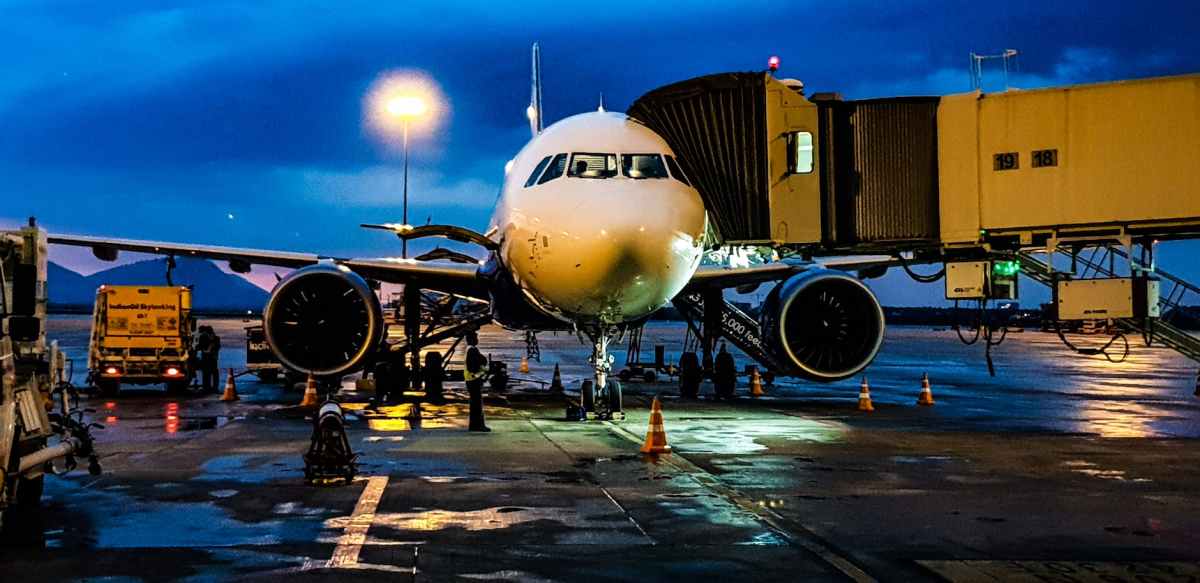
The last time I visited the city of Baltimore was in 2012. It was the location of the annual seminar of the International Society of Air Safety Investigators (ISASI)[1]. That was when I was representing the European Aviation Safety Agency (EASA) at such international events.

The relationship between aviation accident investigators and regulators are generally cordial. There’s a great deal of work that requires cooperation and good communication. That’s not to say that the relationships between these two vital parts of national and international aviation safety systems is easy. It’s not. My reflection on that fact is that a degree of constructive tension is inevitable and not always a bad thing.

One way of seeing that relationship is that the primary role of an investigator is to make findings to prevent the repeat of a given accident. For a regulator the primary role is to ensure the complete aviation system runs safely on a day-to-day basis. Both organisations have the public interest at their heart. However, their operational context and perspective are different.

Firstly, my condolence to the families and friends of those who perished because of the Francis Scott Key Bridge accident[2]. The collapse victims and survivors had no way of knowing what was to happen on the night of the accident. I use the word “accident”. This was not an act of God, as some commentators would have it. The safety risks involved in the operation of the port in Baltimore could be anticipated.

In the US there’s an independent federal agency that is tasked with such major investigations. Interestingly, it’s the same one as that investigates aviation accidents and incidents. The National Transportation Safety Board (NTSB) is a multi-modal organisation. That is something we don’t have in the UK. Also, we don’t have a divide between federal and state organisations. Since in the UK we have separate independent national Air, Marine and Rail investigation agencies that cover the country (England, Scotland, Wales, and Northern Ireland).

I will not comment on the accident sequence or causes. It’s the job of an independent investigation to arrive at the technical facts. Recommendations will flow from that investigation.

Where a comment may be in order is that there are many locations across the globe where a vital piece of infrastructure, like a bridge being struck by a large container ship is a possibility. I’d generalise that further. When infrastructure that was designed a built 50 years ago meets modern day operational stress there’s going to be vulnerabilities. Yes, the aviation system is not immune from this fact too. It wasn’t so long ago when I read of PDP-11 computer hardware used for air traffic control (now, historic artifacts[3]). I’m sure there are still Boeing 747s, and alike that need floppy disks to update their hardware.

So, the wider subject is operational legacy systems working with modern systems. This is the interface that requires particular care. The safety risk appetite and exposure in the 1970s/80s was quite different from that which we expect upheld today.

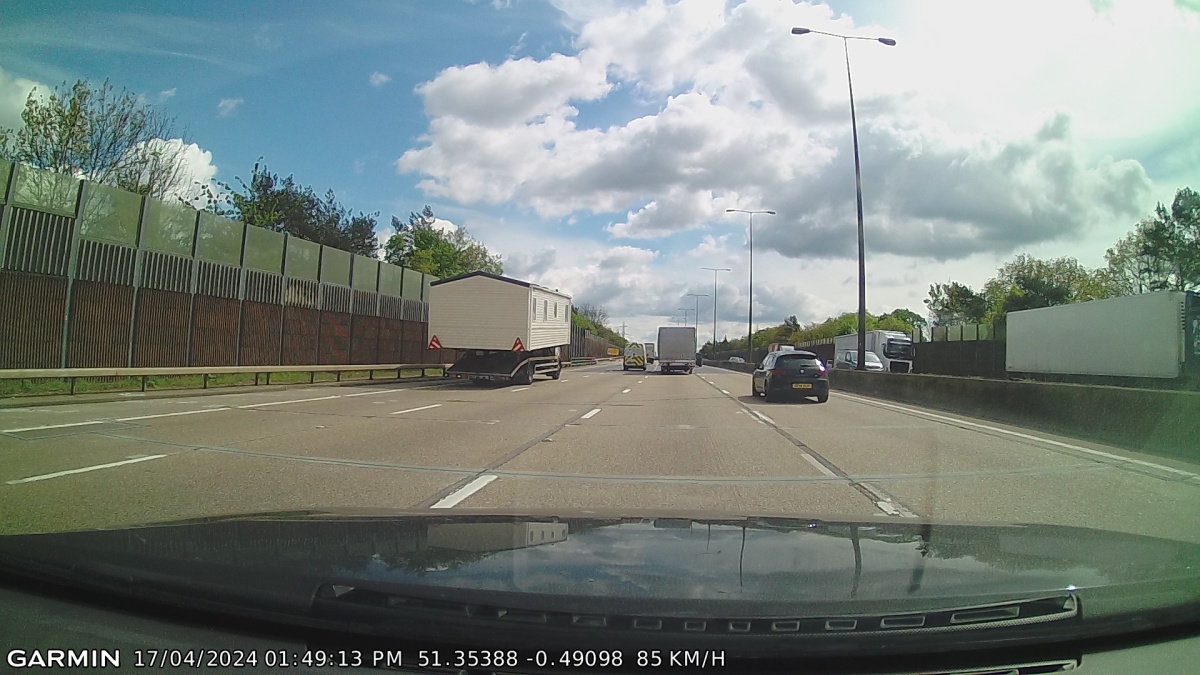
Unfortunately, society is often reluctant to revisit this subject. Additionally, there’s the incentive to go for quick fixes and sweating assets. The example I have in mind the so-called “smart motorways” in the UK[4]. I don’t know how many fatalities can be linked to “smart motorways” but I’m sure, sadly, it’s too many.

POST: In time-off I enjoyed a trip out to Fort McHenry and a walk around the places where The Wire was filmed. The Fort McHenry story is interesting given its role in times of war. The British burnt the White House but the navy didn’t get past Fort McHenry in 1812.


[1] https://www.isasi.org/

[2] https://www.bbc.co.uk/news/av/world-us-canada-68661318

[3] https://www.tnmoc.org/air-traffic-control

[4] https://www.gov.uk/government/speeches/plans-for-new-smart-motorways-cancelled

Safety Culture

Civil aviation remains an extremely safe means of transport. That said, any form of complacency must be addressed. It’s reassuring to say the past has been great but what passengers are most concerned about is their next flight. To have the confidence, to think it irrational to be afraid of flying, to look forward to the next journey, we must have a safe aviation system everywhere and all the time.

For any widespread system that has complex interactions between people and technology there’s never a moment when it can be taken for granted. We count the numbers, but safety is not purely an absence of accidents and incidents. Numbers counted are always past events. They have no direct causal influence on what happens next. True, there are factors in past accidents and incidents that will pop up again and again, but every flight is a unique event.

One of my colleagues who was a senior captain in a major international airline always remined me of the fact that, for all that has gone before, flight risk begins the moment an aircraft sets off down the runway with the intention getting to a destination. When the wheels lift off the ground there’s no stopping time. Reliant on the diligence, vigilance, and integrity of everyone who made a flight possible, flight risk is then in the hands of the crew.

The above is perhaps why we talk a lot about safety culture. The whole aviation family has a role to play. The care, professionalism, and watchfulness of every person makes a difference.

This can extend from the drafting of a new component for a new design, that a decade down the line. ends up as a part of an aircraft just about to leave the gate. This can go back to a flight instructors’ message that emphasised a key point back in a pilot’s initial training, years ago. This can encompass the extra care a couple of air traffic controllers took as they changed shifts.

Safety culture comes from caring. It’s that heightened awareness of the consequence of actions. Being alert to possibilities. Both the good kind, and the bad.

Safety culture is a matter for both individuals and organisations. One without the other doesn’t work. Placing a vigilant person in an organisation that doesn’t care is much like placing a reckless person in an organisation that does care. Although this is what I’ve written, systemic problems are likely the ones that are most likely to cause negative outcomes. This is where the role of management has the most impact.

Culture exists in context. When the ways people interact are determined by practices, processes, and procedures there’s an obligation on management to ensure they fit the bill. Drivers are often economic. In a commercial operation that’s no surprise. It’s when that driver displaces the safety imperative then safety suffers. There’s been several occurrences of this negative phenomena in the last year.

Dependency

It’s not unique. Charle Dickens wrote about it. We don’t like to admit it. We have a dependency on bureaucracy. Our complex society runs on it.

Whatever we do when it comes to the meeting of an individual with an organisation, it’s inevitable. Irrational people deny this fact or say it’s only true of public bodies, like government departments. It’s as if the generally high performance of modern computer systems renders them completely invisible.

One apt illustration of a dependency on systematic bureaucracy and digitisation combined can be read in a carefully constructed e-mail from the CEO of Sainsbury’s this weekend.

“I’m writing to update you on the technical issue that has affected our Groceries Online deliveries and some services in our stores this weekend.”

This could have come from any large complex organisation that exists in today’s digital world. When outages happen, we all sit patiently for affected systems to come back online with the full services that we normally take for granted. A sudden reversion to traditional cash transactions was a shock to the average post-COVID consumer.

This weekend my experience of one major hotel chain was that they would not accept cash at all in their restaurant. My “paper” money was useless. It sat in my pocket.

What we have is the power of utility. Systems become so good that we build ever more dependency into them doing the right thing, every time. The problem is that systems are often programmed to do certain tasks exceptionally well but as soon as there’s an unexpected deviation outside normal parameters the situation does not go well. 

An illustration of that experience can be read in the public version of the interim report on UK NATS[1]. After the event, and similar unfortunate events, there’s a cavalcade of calls for more contingency, more resilience, more planning, more training, more checking and so on.

That list is perfectly sensible. But wouldn’t it have been better if those actions had been taken up-front? I often saw this discovery in my time doing systems certification audits. Companies who spend a lot of money upfront to build software that was well characterised and tested were not guaranteed success, but their chances were greatly improved. Those who hit the road with over-confidence, marketing hype and rigorous cost cutting had a high probability of negative outcomes. It’s not a simple cause and effect but good system architecture, robust software and a management that understood the need to spend time and money judiciously do well.  

Just think. If a runner ran a marathon without a strategy, training, basic fitness, planning and sound motivation no one would expect them to be winning anything unless they were exceptionally lucky or unbelievably talented. Not many in the latter category.

There’s a lesson here. It’s been copied over and over. Saddy the almost completely invisibly of complex system that work well in everyday life means we soon take them for granted. And the result is?


[1] https://www.caa.co.uk/publication/download/21478

Safety

A considerable part of my working life has been in the analysis of occurrence data and trying to distiller the factors that cause or contribute to accidents and incidents. It’s rewarding work. An opportunity to influence that has value. I subscribe to the dictum that everything we do should contribute to continuous improvement in safety. Not zero risk but to keep risks low and under control, in so much as it’s possible.

Aviation only has the great success that it does because it’s a safe industry. For mass transport by air to be viable across the globe, the public must have confidence in it. They are willing to place whole families in the care of an airline to get them from London Gatwick to the Canary Islands for something that is not a physical need[1]. Regular leisure travel is a luxury and a privilege. We live in a fortunate age when overseas travel can be afforded by a large section of the population.

I watched the recent documentary on flight MH370. It’s sobering. It’s a story of the loss of a large aircraft that still seems unbelievable in this era. It’s the 10th anniversary of the disappearance of Malaysia Airlines flight MH 370 on 8 March 2014. The loss is a stark reminder that the oceans cover over 70% of the surface of the Earth. We know less about parts of the oceans than we do about the surface of Mars. The depths remain uncharted.

With a paucity of evidence theories have taken root. Official investigation reports are available. However, mystery remains particularly when it comes to answering the question – why? If as the documentary suggest, the willful actions of the pilot-in-command brought about the fatal outcome then there’s little to tell of his motivation. Highlighting the tragic Germanwings aviation accident doesn’t offer anything other than a context to possibilities. Evidence that the MH370 pilot-in-command was suicidal is scant. Although his known actions do not make much sense without invoking such a theory. Understanding what drives people to purposefully undertake unpredictable and irrational actions is an area of study that always needs attention.

Yesterday, Sunday, I was remined that threats to safety can come out of nowhere. Seemingly routine car journeys can suddenly take a turn in an unexpected direction. We become subject to the fates. I use the word “fate” but I’m not a great believer in the fates. Randomness plays a part but, in this case, yesterday afternoon, I was the subject to the foolish and negligent actions of another car driver.

On a wet “B” road that climbs and descends over chalk hills, there are triangular road signs that warn drivers that the road is a high risk road. What the signs are referring to is the wildlife. A deer may leap out of a roadside hedge at great speed and misjudge the road traffic. In fact, I did see an unfortunate small dead deer at the kerbside.

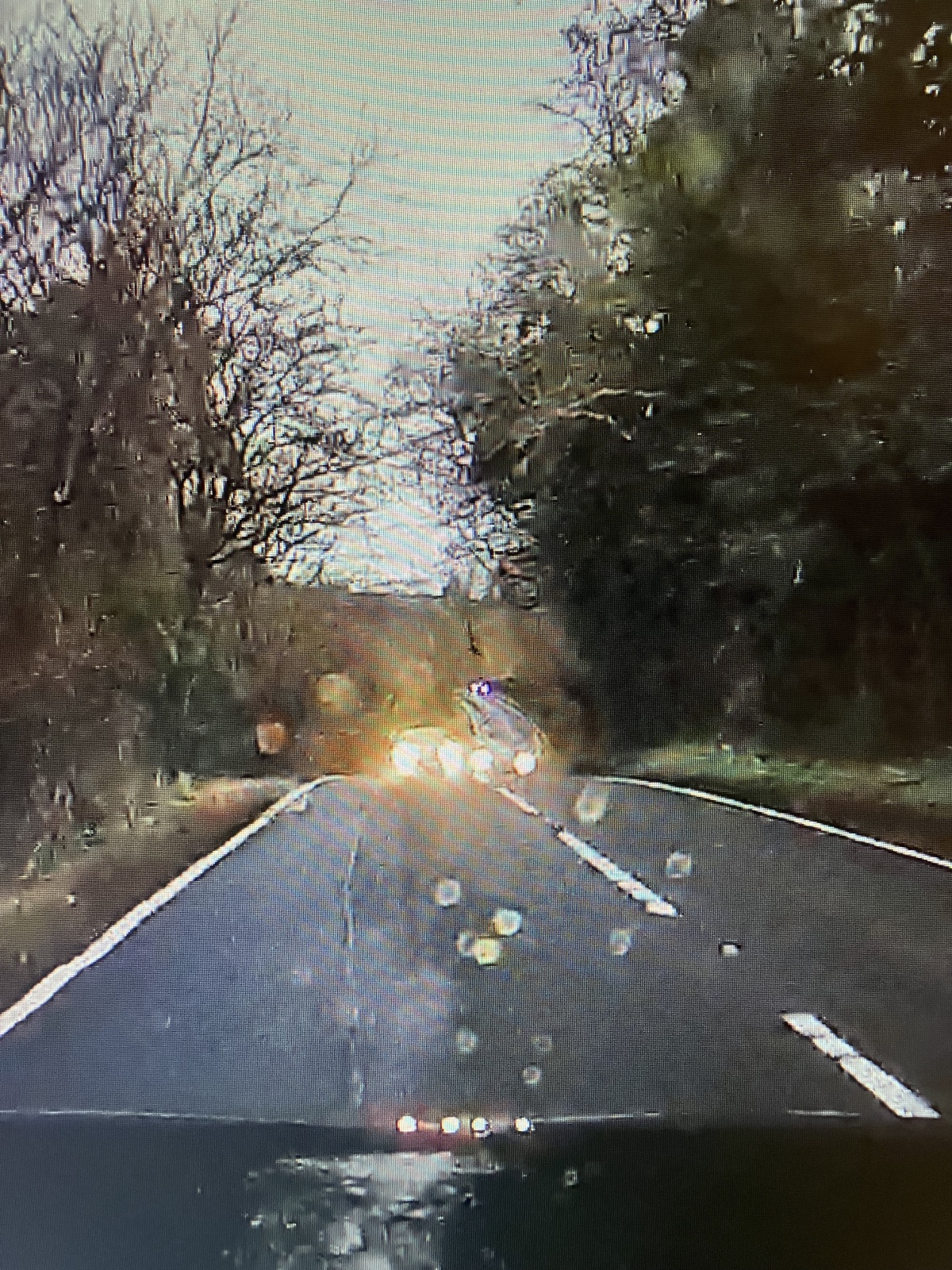
What happened to me had a purely human cause. Naturally, I would call it complete idiocy. Coming over the brow of a hill, and descending, suddenly there was 4 bright headlights ahead. On a narrow country road, with overgrown banks on either side that was a scary sight. Nowhere to go. In a faction of a second the overtaking car coming up the hill veered back into the right-hand lane. No more than a couple of yards in front of my car. Fortunately, there was no collision. What on earth was the motivation of that driver? Overtaking, at high speed, approaching the brow of a hill, on a wet county road, in poor light, sheer madness. A small red car, overtaking a larger car.

In safety work this points to the most difficult situations to understand. The irrational, or stupid or reckless, or carless human drives that are hard to design out of systems. How do we take effective corrective action when one person’s risk threshold is so very much higher than normal or acceptable? The problem with saying – take their licence away – is that this is always reactive. After a negative event. Maybe even a fatal one.


[1] https://www.simplypsychology.org/maslow.html

March

The North wind doth blow and we shall have snow[1]. Well, today on the first day of March and it’s more of a gusty North Westerly wind and heavy rain. The snow maybe falling on high ground in the North of England but here in the South the temperature remains mild. Although, the line on the thermometer is slowly descending.

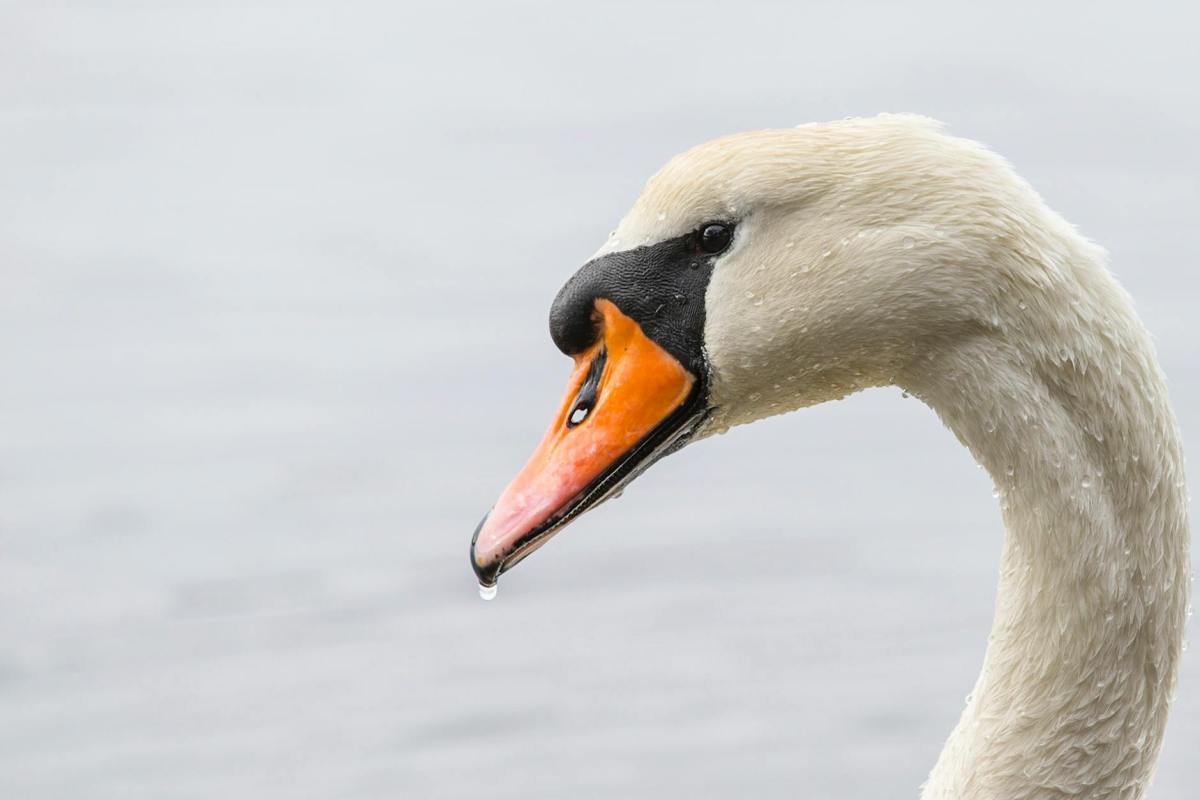
The flood in the small field out back waxes and wanes but is far from drying up. In fact, the extent of the water is greater now than it has been in a while. A lone Swan rests close to the riverbank. Not fussed by the driving rain. That makes me curious, where is its mate? On previous occasions, we have seen a pair of Swans cruising up and down the river Lambourn.

March comes in like a Lion[2]. That’s as true as it ever was of our weather, but will the next part of the saying happen as the month rolls on? Will March leave like a lamb? Winter may still have a sting in its tale. A misty wet March is in prospect.

March is always a month of transition. It certainly is for me. Having a birthday in the middle of the month is quite a good time to clock up another year. I never count winter as being behind us until I’ve put a candle on a cake. There’s an idea for a folksy modern saying.

There one more snowy white bird prancing around at the waters edge this morning. He or she is rather elegant small bird. It’s interesting to note that this bird was first recorded as breeding in Berkshire in 2007. Our visiting Egret[3] is dipping into the grass surveying the flood water with confidence.

Fishing is not just the exclusive rights of the Egret. There’s a slim tall Heron[1] who looks very regal. My guess is that the flood water has created small pools within which some small fish have become trapped. That’s a nice easy meal for a patient Heron. With spindly legs standing in the wet grassland any small fish would not see their fate coming.

As the sun has come up both Swan and Egret have moved on. The flood has been left to the ducks and geese. I don’t mention the Crows, Magpies and Pigeons. Although I just have. The wildlife seen from my window doesn’t mind gusty, wet, and windy anything like as much as I do.


[1] https://www.rspb.org.uk/birds-and-wildlife/grey-heron


[1] https://songsofchildhood.wordpress.com/2011/10/31/the-north-wind-doth-blow/

[2] https://www.theparisreview.org/blog/2015/03/02/folk-wisdom/

[3] https://www.wildlifetrusts.org/wildlife-explorer/birds/herons-egrets-spoonbill-and-crane/little-egret

Wild

Looked out this morning and there was a couple of geese to add to my list of sightings. The flooded field out the back attracts numerous birds and wildlife. Wet grassland is just right for them to be happy. Egyptian geese[1]. A pair was plodding around. Given their different colouration, I assume they were male and female. One was slightly larger than the other. These two steered well clear of the gaggle of grazing Canadian geese. As geese go these are about twice the size of the Egyptians.

Now there are distinct advantages in having webbed feet. Soggy ground and shallow waters are just right for the duck and goose community. As the light rain returns a couple of pairs of Mallards[2] takeover the riverbank. Swimming around each other and dipping and diving as they go. There’s an abundance of food so I expect to see many more waterfowl in coming days.

It rained overnight so there’s no signs that the flood water as receded this morning. There are ripples on the surface of the flood water as the wind is quite strong and gusty. That has a dying effect. So, the waters may easily follow natures calendar and return to the riverbed in the coming weeks. The trees are still winter bare. Up close they look different with buds already to go. March will be a month of change. The colours will start to change.

I say these things, but I remember standing in the snow on my March birthday. Winter’s being mild this year. It can still have a sting in its tale if it wants to upset us all. A sudden plunge into ice can still reset the calendar. Snowdrops have almost been and gone. Daffodils are showing at their best. The local hedgerows are full of Blackthorn blooms. That’s early.  

I don’t think I’m confusing the Blackthorn[3] and Hawthorn. The Hawthorn has often been considered a symbol of rebirth. That’s associated with the month of May and Springtime. One comes out before the other and seeing so many white flowers in late-February they must be Blackthorn. Even so, flowering now is a marked indicator that the seasons are changing. Climate change?

The blossom of the two hedgerow thorns is similar in shape and size. When they get buffeted by the wind the ground can get covered by a carpet of bright white petals. The distinction is that the Blackthorn has dark round black berries in the autumn. In fact, I’d refer to the whole thorn bush by the name of the berries, namely Sloes. Birds like them but I’d not recommend tasting them given their sharp bitter nature. The Sloe is better known for what it can become. That’s as English as the hedgerows. Sloe Gin[1] has been round for hundreds of years. It’s well worth a go.


[1] https://www.plymouthgin.com/en/product/plymouth-sloe-gin/


[1] https://www.rspb.org.uk/birds-and-wildlife/egyptian-goose

[2] https://www.rspb.org.uk/birds-and-wildlife/mallard

[3] https://www.woodlandtrust.org.uk/trees-woods-and-wildlife/british-trees/a-z-of-british-trees/blackthorn/

The River

What a contrast. From plus 12 earlier in the week to minus 2. There’s a sheet of white frost covering the fields this morning. The flood water shimmers in the morning sun. Not cold enough to ice over as the water tries to escape back to the river.

I get woken-up to the sound of the 18 or so Canadian Geese who make the boggy grassland next to the River Lambourn[1] their feeding ground. I can understand how they get so big as they graze from dawn to dusk. Their take-off from the water is a long one as they flap furiously to get their great mass airborne. It’s quite a sight as they fly in formation.

These formidable geese are not alone. A few Mallards stray into their territory. For the most part they all seem to get along fine. Plenty of food for everyone. Little grass islands form where the water swirls around. I named one of them duck island.

The geology here is Valley Gravel according to the council’s local plan. I’m not sure what that means but I guess the riverbank will drain fast when the flood water abates. Standing on the ancient bridge on the Oxford Road, I can see that the river Lambourn is shallow and fast running.

I say ancient bridge given the Priory on the other side of the river. The north side. That bridge site certainly dates to the 16th Century. The road must have a long history as it leaves Newbury town and enters the village and environs of the castle of Donnington[2].

I’m imagining the role the area played in the 17th Century. The site of the English Civil War battle, the Second Battle of Newbury. The castle was held by Royalists. It was under siege from the Roundheads camped on this side of the river. The south side.

From what I’ve read so far, the siege was a long one. When it was broken, the defending forces were allowed to escape in honour of the brave fight that they had put up. For whatever reason, in 1646, Parliament voted to demolish the canon damaged castle. Today, only the grounds and gatehouse of the castle remains standing.

It’s nice to be able to look out of my kitchen window and see on the hill such a significant part of English history. The ruin sits on the horizon looking north. Often both the rising and setting sun light it up.


[1] https://www.kennetcatchment.org/catchment/lambourn/

[2] https://www.english-heritage.org.uk/visit/places/donnington-castle/

Protest

Experience of protest can range from the exhilarating and heartwarming to the frightening and intimidating. There’s a huge range of different experiences. Here’s a few:

During our Brexit phase of rocky turbulence, I stood in High Streets and marched through the city. Everything on the part of the remain protestors I met was peaceful and good natured. That can’t be said of those who took a different view. I distinctly remember a couple of in-your-face moments when approached by emotional and irrational individuals who seemed only to want to shout aggressive slogans in as intimidating manner as possible.

Overall, I’ve been fortunate. Every time I stood as a parliamentary candidate, more than 6-times, I was part of public events where people freely assembled. One of the mainstays of a British election campaign is an open event at a school or college where people can see and talk with candidates in-person and up close. These public events are essential for a functioning democracy. Voters can ask questions and draw their own conclusions from the performance of candidates answering in a local setting about key issues.

My work gave me the privilege of traveling to different countries. In my time off, I’d often look around and get a sense of what was driving political debate in that part of the world.

I remember a couple of occasions when the pure innocence of being a tourist brought be in contact with situations that if I’d known at the time I would have surely avoided. There’s one moment when walking through a huge square in Rome when I suddenly became aware that there were an unusual number of paramilitary police around. I was walking through crowds in the Piazza del Popolo. I looked back from where I’d been and noticed big green water cannon pointing towards the people around me. Inadvertently, I’d strode into a gathering of far-right political protestors. Once I’d clocked what was happening, I was out of there like a shot. 

Today’s, discussion about the nature of protest is one that should be handled in a careful and considered manner. There are threats and dangers that lurk in free and open public settings, but the answer is not to shut them down. Maintaining a balance is vital.

I do not agree with the Just Stop Oil protestors that their cause justifies the exceptional measure of parking themselves outside the homes of elected or would be politicians. Now, that maybe different when considering their places of work but it’s a basic human right – the right to a family life without intimidation. The families of those who work in politics must not be fair game.

In our media saturated world there are more ways of making a strong point about an issue now than there ever has been. There are more opportunities for creative and imaginative peaceful protests, more outlets, and more coverage. Maybe that’s part of the problem. Saturation.

Assemblies of people have and always will be, since classical times, a manner by which collective views will be openly expressed. They can become disruptive. That requires a degree of restraint and management. However, tightening restriction to the point of elimination of uncomfortable and troublesome protest will only make the overall situation much worse.

Protest can be the release of a pressure cooker. They signal where we all need to pay attention. They may not solve problems, but they are part of the equation.

Rain

It’s Thursday. Heavy rain is expected during the day. More rain. Soaking ground that is already soaked. Greening this green country. Forecasts are saying that the temperature high will be 12 degrees C. Now, that sort of temperature in mid-February is on the high side.

I’m doing that typical British small talk routine of talking about the inclement weather. Brezzy, wet and overcast. Not the sort of winter weather to raise the spirits. Spring like but it’s not spring. Although my daffodils are happy to smile in a spring like way.

It’s a time of the year when ice and snow should, at least be possible. That’s down South too. Surly we should have a couple of days of irrational panic as public transport systems slow to a halt and long-lost woolly jackets are pulled from dusty cupboards. Instead, there’s an almost permanent warm dampness.

With over 10-hours of daylight the garden is slowly beginning to wake up. One cheerful annual sight is the Camellias[1]. This year, they have an abundance of buds and flowers. Even with the wind shaking-off some of the flowers, the bushes are an array of colour. What’s more is they have survived the sandy soil and its inclination to be chalky as we sit at the base of the North Downs. In my sheltered south facing garden I’ve got two long lived bushes that flower in sequence. Both pink but one slightly redder than the other.

In my days in Cologne one of the delights of this time of year was a visit to Die Flora, der Botanische Garten[2]. It’s free. The Camellia house there was full of an amazing collection of varieties. The garden greenhouse is open every year between January and April. There’s a pathway through the house that shows off the plants at their best. Just as mine, they flower at different times and so there’s always something to see.

The sky is a blanket of grey. The trees are shimmering in the wind. Everything hangs with a wetness that rests heavy on the branches. It’s a major umbrella day.

Dangers to avoid. Those huge puddles that accumulate on corners where the drains are blocked by fallen leaves. The cars and trucks that take no heed of pedestrians crammed onto narrow pavements. The fountain of water that shoots into the air and covers all around.


[1] https://www.rhs.org.uk/plants/camellia/spring-flowering

[2] https://www.cologne-tourism.com/arts-culture/sights/detail/flora-and-botanical-garden-cologne

EVs

I do find the anti-EV campaigning on social media a bit peculiar. It’s a bit like the arguments for smoking that were made in the 1950s and 60s. Combustion engine vehicles are slowly but surely going to become history. The time for that change is the subject that should be discussed and not whether it’s a good idea or not[1].

One “argument” out there is that adding together all the elements that make-up an electric vehicle there’s a lot of environmental cost in their production. There’s no doubt that nothing is for free. For example, mining lithium and cobalt are not nice in every respect. There’s the concern that demand could quickly eat-up global supply too.

The “arguments” I’ve seen fall apart when considering not only the vehicle production environmental costs but the lifetime costs of an EV when compared with an internal combustion engine vehicle. 20-years of belching out toxic emissions stacks-up. 20-years of using renewable electricity is a far better solution. In theory the potential for recycling valuable materials is high with EVs too. However, we have yet to see if that works successfully in practice.

Other “arguments” look to demean the performance of EV’s when compared to conventional vehicles. Naturally, the time taken to recharge is one of the biggest gripes. For a conventional fuelling at a petrol station a tank can be filled with 500 miles worth of fuel in 15 minutes. For a current EV more preparation, planning and patience are needed to achieve a lesser range.

Some EV performance figures are far superior to conventional air breathing vehicles. Acceleration is one. Powerful electric motors unencumbered by complex mechanical transmission systems react immediately to demands[2]. EVs use power better.

There’s another gripe or moan and that’s about weight. Taking two comparable vehicles, in performance terms, the electric one will be heavier. That’s the technology we have now.

It’s a different kind of weight if that makes any sense. What I mean is that an EV is roughly the same weight whatever the state of the machine. Whereas a vehicle that uses liquid fuel varies in weight according the amount of fuel on-board. Of course, all vehicles vary in weight depending on the payload they carry (goods or passengers or both).

What’s a little difficult to take from the anti-EV lobby is that those who complain about EVs impacting roads, due to their weight, are rarely the same people who express concerns about heavy diesel delivery trucks or Chelsea tractors thundering down residential roads.

There’s one hazard that must be managed for all types of vehicles. A view of a serious fire involving either an EV or a conventional vehicle quickly shows what that threat can do. What we have now less experience dealing with EV fires. They can be severe and difficult to supress.

Regulation is often reactive. The fire threat is real. In this case maybe we do need fire suppression systems in integrated household garages. Multistorey car parks packed full of EVs are going to be a real challenge if a major fire sparks off. That said a fire started with a “diesel-powered vehicle” can be just as challenging[3].


[1] https://www.ft.com/video/95f86c5d-5a94-4e63-bbe8-6cc5ffb59a2b

[2] https://www.caranddriver.com/features/a38887851/why-are-evs-so-quick/

[3] https://www.bbc.co.uk/news/uk-england-beds-bucks-herts-67077996