More H2

I think this came at me both ways as a schoolboy. Both from chemistry and physics. In our 1960s chemistry lab, Bunsen burners, flasks and array of hazardous substances were the norm. Physics seemed more cerebral. Still, the hands-on side of teaching still meant some practical experimentation. That’s the part that most engrossed me.

Electrolysis starred in two mostly harmless experiments. The colourful one was about copper sulfate[1] and the other was about splitting water into its component parts. Getting Oxygen (O2) and Hydrogen (H2) gas by electrolysis[2] is mighty simple and one of those wonders of nature.

Electrolysis is a way of producing carbon-free Hydrogen from renewable and nuclear resources. Despite the apparent straightforwardness of the process, it’s quite tricky to industrialise on a large scale. One key factor to the future use of Hydrogen is getting the cost per Kg down[3].

Let’s presume that this is a solvable problem and cheap and plentiful gas supplies will be up and running by 2030. That’s not so far off given its 2023. There will surely be a market for ample supplies given the multitude of applications for Hydrogen. Will it be a global market? It needs to be.

It’s a talking point. Hydrogen fuel is one of the viable fuels for aviation. Generating power and returning it to water in the atmosphere is an attractive idea. The process meets carbon-free ambitions even if it does have lots of complications.

On average, a Boeing 737-800 uses about 5,000 lbs (2268 kg) of conventional fuel per flight hour[4]. Cryogenic Hydrogen has lower energy density. That means much more on-board fuel storage will be needed to go as far or fly as long as a current day common commercial jet aircraft.

Designing an aircraft configuration that can accommodate these facts can be done but what of the space that remains for the payload? As it does today, on-board fuel storage will need to meet stringent safety requirements.

Adding this up, it may not be the technical issues that make this difficult. Although they are difficult the technical issues can be addressed. However, will the overall package that results be economically viable? If costs are increased by a factor of, say 5, will this provide for a commercial air transport system that is like the current one?

We may have to accept that carbon-free flying reverts to the 1960s[5]. What I mean is that, instead of low-cost flights hopping here, there, and everywhere for £100, the future maybe one where long-haul flying is a relative luxury or an expensive business need.


[1] https://www.bbc.co.uk/bitesize/guides/zgn8b82/revision/3

[2] https://www.bbc.co.uk/bitesize/guides/zv2yb82/revision/1

[3] https://www.statista.com/statistics/1220812/global-hydrogen-production-cost-forecast-by-scenario/

[4] http://www.b737.org.uk/fuel.htm

[5] https://www.skyscanner.com.au/news/airlines/the-golden-age-of-plane-travel-what-flying-was-like-in-the-1950s-and-1960s-compared-to-now

First Flight

I didn’t have a gap year. That’s a year a student takes off their studies. It was a fashionable rite of passage. These days a gap year is often associated with an opportunity to gain extra skills and experiences to add to a CV. Going back to the early 1980s, after all we still had local authority educational grants, a gap year was associated with travel and adventure.

What I did have was employment. As a sponsored student, I had an income whilst working and a bursary. So, although my student grant was highly variable. My parents were self-employed. I was reasonably independent and well off for the average undergraduate student. That was a benefit of being in demand in the engineering world. Not only that but in the recession struck West Midlands our student cost of living was within our means. With a care in spending and cash-and-carry[1] shopping it was possible to put money aside.

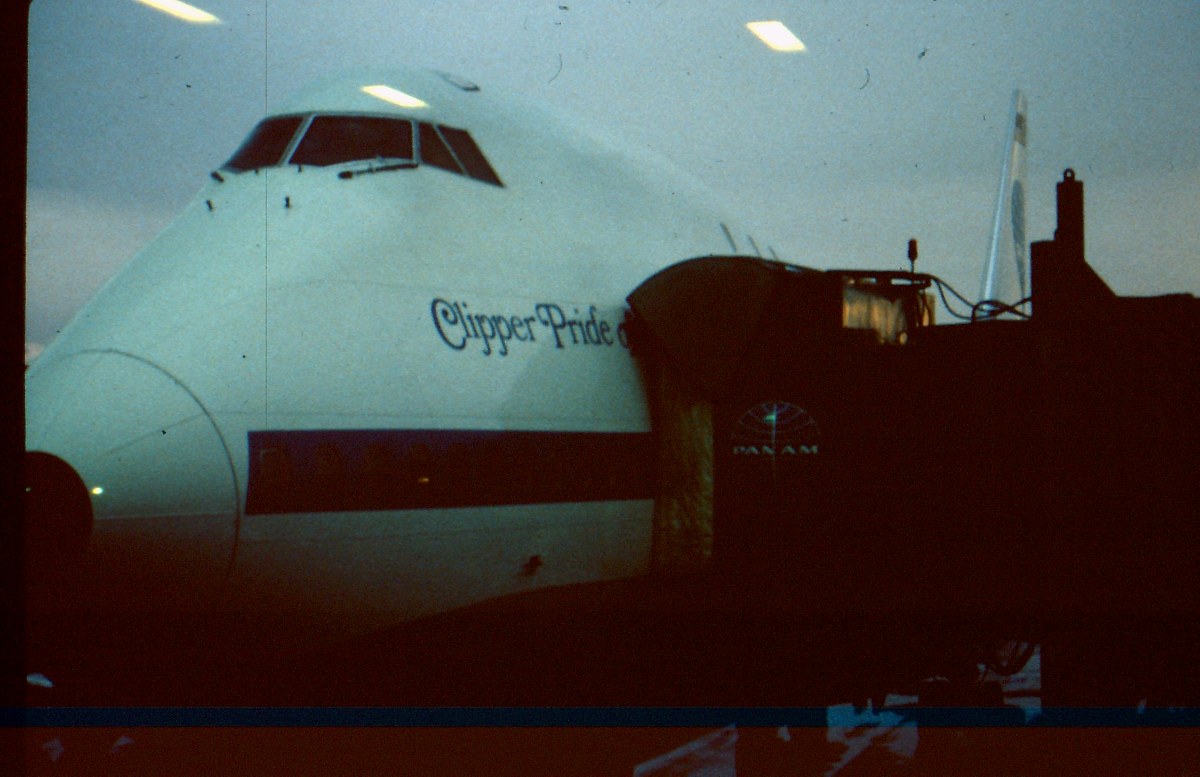
It was August 1981, when I took my first passenger flight from London Heathrow (LHR). It wasn’t a modest hop over to France or a Greek sunny beach but a Pan Am transatlantic international adventure to Seattle (SEA). Long-haul, a long way in a classic Boeing 747. Flight PA 123 out and PA 122 back.

This trip came to mind yesterday lunchtime as I was sitting in a stark modern Starbucks coffee shop. Yes, there was a time when such places were exciting, special, new and off-beat.

In a way this journey did enhance my education studies. One part of the trip was a visit to a steel factory in Los Angeles (Plessey Precision Metals). Now, that was educational. The boss who showed me around was forthcoming about where their labour came from and the working conditions.

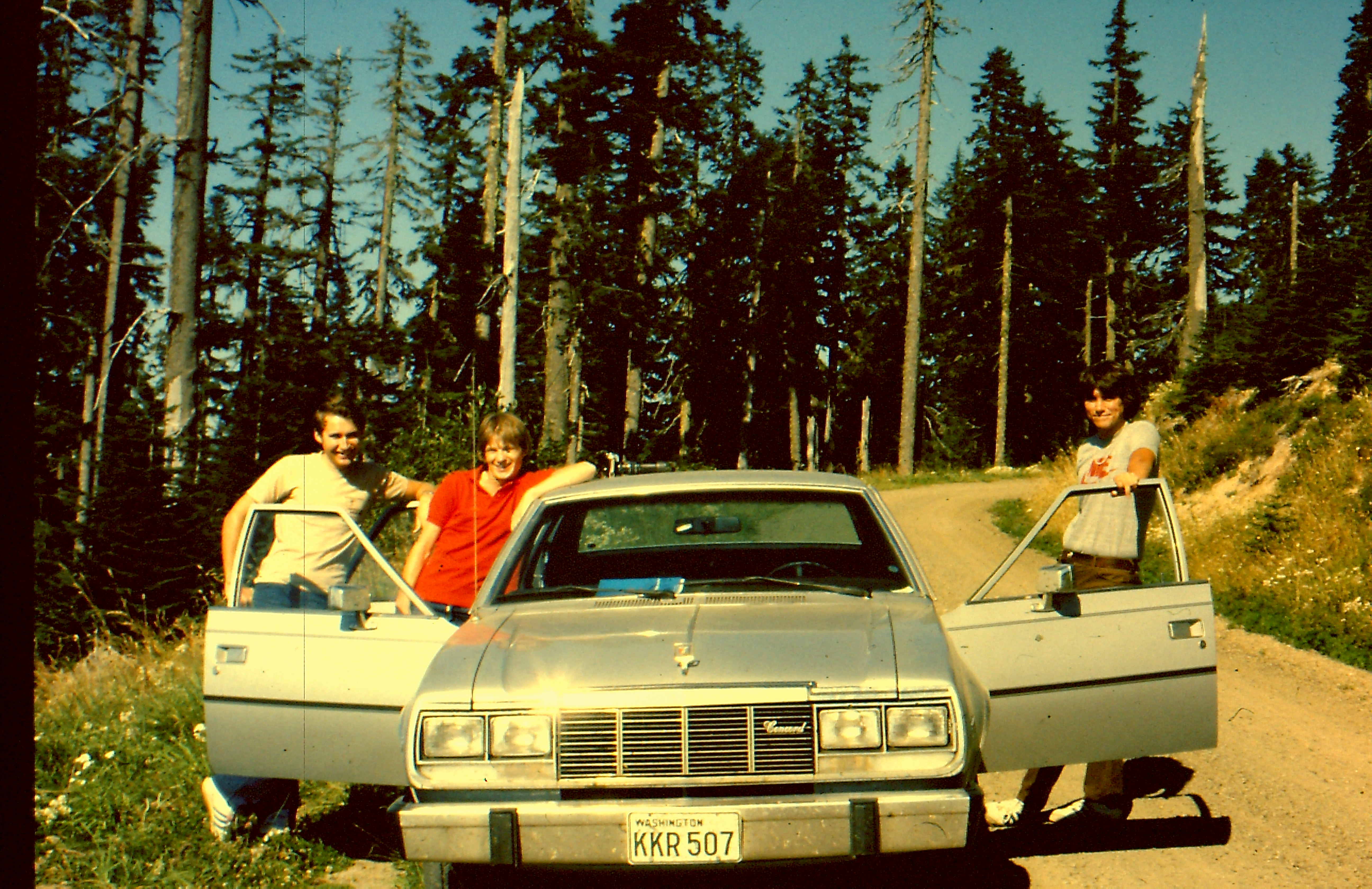
Four of us Coventry students went on this great American adventure. Basically, the plan was to arrive and depart from Seattle but to drive up and down the West Coast. It was a fly /drive package. By sharing the driving and staying in the cheapest motels we travelled a long way for our money. In massive contrast to the present day, the pound – dollar was at about 2.4.

42 years ago, the world was a different place. Although, breakfast at Dennys probably hasn’t changed. It was the year President Ronald Reagan sacked thousands of striking air-traffic controllers when they ignored his order to return to work. What a year to be flying.

Driving an AMC Concord[2] well over 6000 miles our trip was non-stop. A day here, a day there and, if my memory serves me right, a night sleeping in the car. That was in the mist over San Francisco.

Mount St. Helens had erupted in March 1980. We drove the rental car as close as we could to the areas of devastation to have a look for ourselves. It was dramatic. Trees felled like matchsticks. Grey dirt and dust covering the land. Signs of the eruption stretched far and wide.

If you can marshal the time and the money, have some good friends and are 21 years old, I can’t think of a better recommendation.


[1] That’s when my taste for peanut butter developed.

[2] https://en.wikipedia.org/wiki/AMC_Concord

ULEZ 2

It’s not the first time I’ve experienced poor air quality. It’s a wonderful city but, on certain days of the year, the air in the German city Cologne is unpleasant. It can be stagnated, stale and dirty when the weather’s hot and there’s no wind blowing.

It was compulsory. You get a fine if you don’t have one. I remember getting a green environmental badge for my car[1]. This is a scheme by which the most polluting vehicles are banned from the central city. Introduced in 2008, initially vehicles were not banned but everyone had to have a coloured badge. These were red, yellow, or green depending upon the type of vehicle. Now, only green environmental badged vehicles are permitted to enter a prescribed city zone.

Yesterday, I drove from Reigate in Surrey to Croydon. Purley Way in fact. That’s a part of the main A23 road in the London Borough of Croydon. I now wonder at my sanity in doing so. The traffic was abominable. Purley Way is a mass of shopping warehouses, tarmac, and suburban sprawl.

What’s visible is the provisions for the introduction of the Ultra Low Emission Zone (ULEZ)[2] at the end of the month. Cameras and signs. This doesn’t ban dirty vehicles from London, but it does charge them a £12.50 daily to drive into or within the ULEZ zone. 

So, here are two different approaches to addressing poor air quality. The German one doesn’t require extensive infrastructure, but it does mean additional policing. The London one is more permissive but at a price. Collecting money from polluting vehicle owners to pay for cameras, enforcement, and publicity. Both require signage to warn drivers of the zone boundaries. Both have their detractors who object to any kind of restrictions.

To me, the problem of poor air quality can not be put on the back burner. You don’t need sensors and precision measurement to know that the problem is huge, real, and persistent. Even in my small Surrey town, the marked difference between days of traffic jams and empty roads is so evident. In the middle of COVID, I walked the High Street of Reigate, and the air was as clear and fresh as a Cornish village in winter. This week, with road works underway the town has been one big traffic jam and breathing the steamy air walking the pavement is not nice. Health suffers and it’s not just the environmental damage.

The utility of the internal combustion engine has seduced our communities. Now, the balance between the benefits of driving and the freedom it once symbolised has tipped. The sheer mass of vehicles in urban environments and their daily impact is so damaging that restrictions must be mandatory. There’s no turning back.

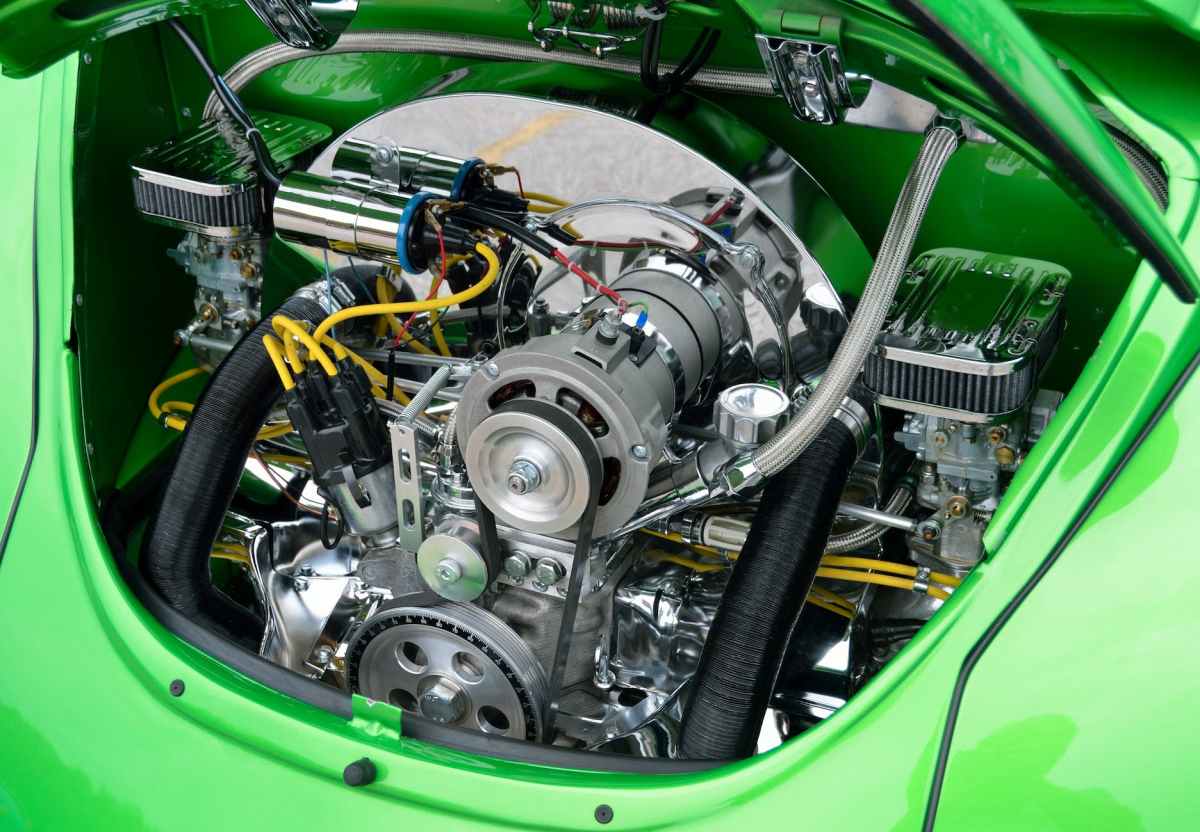
In Cologne, these changes are particularly pertinent. It could be said that the whole ball started rolling in that city. In the district of Deutz there’s a monument to Nicolaus August Otto[3]. He was a German engineer who successfully developed the internal combustion engine.


[1] https://www.stadt-koeln.de/leben-in-koeln/klima-umwelt-tiere/luft-umweltzone/die-koelner-umweltzone

[2] https://tfl.gov.uk/modes/driving/ultra-low-emission-zone

[3] https://www.deutz.com/en/media/press-releases/125th-anniversary-of-the-death-of-nicolaus-august-otto

Local air

There are cases of synergy. That’s where aviation and local authorities have a mutual interest. This often centres around the economic prosperity of an area. Relationships can be complex, difficult, and fraught with volatility. There are plenty of housing and industrial estates that cover the ground of former airfields. Like the railways that closed under Beeching’s axe[1].

Public interest was dominant 50-years ago, but privatisation dramatically changed relationships. Sustaining profitability through good times and bad have proven to be more than some locations could support. There’s so many combinations and permutations but fewer and fewer active commercial airfields in the UK.

London Manston Airport is an airport that only just clings on to existence. In 2013, the Welsh Government acquired Cardiff Airport. So, some aviation facilities have returned to public ownership and run as an arm’s length business. A few airports are given support to ensure connections exists between remote parts of the UK. Highlands and Islands Airports is an example.

Advanced Air Mobility (AAM) is coming. This is the extensive use of electric vertical take-off and landing aircraft (eVTOLs). AAM is an innovative concept that will require Vertiports and integration into busy airspace. To make the economics work a lot of routes will be in, and over urban areas.

My view is that AAM will only succeed in the UK if aviation and local authorities come together and embrace it. That is going to be a massive challenge whatever national government does.

In the case of local authorities with a mission of protecting the interests of residents this has often meant objecting to aviation developments. I go back to proposals of 30-years ago to make Redhill Aerodrome a feeder to London Gatwick Airport[2]. This was well and truly shot down by local interests. In fact, rightly so given the complex twists and turns it would have made in the airspace.

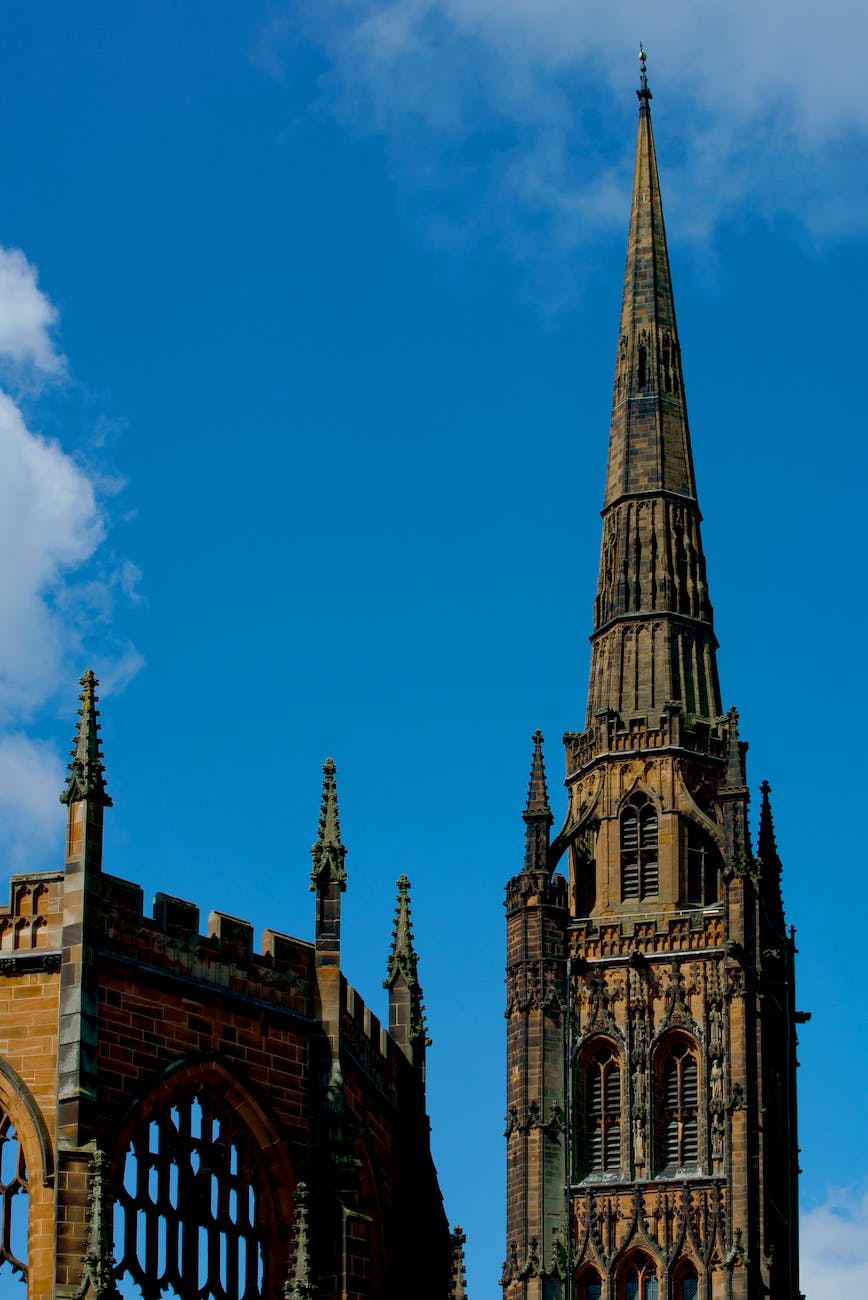
AAM needs the harmonisation of standards to ensure interoperability anywhere in the country. There are one or two UK local authorities that are already embracing the potential opportunities of this new form of flying. Coventry City Council is taking on the challenge[3]. It’s welcoming the development of the ground infrastructure for “air taxis” and delivery drones.

By the way, my view is that introducing the subject as “flying cars” or “air taxis” is not a good idea. This creates images from science fiction that may not resemble the reality of these new air services.


[1] https://www.networkrail.co.uk/who-we-are/our-history/making-the-connection/dr-beechings-axe/

[2]https://john-w-vincent.com/wp-content/uploads/2023/08/bf3ec-clear_for_take_off.pdf

[3] https://www.coventry.gov.uk/news/article/4232/world-first-hub-for-flying-taxis-air-one-opens-in-coventry-uk-heralding-a-new-age-of-zero-emission-transport

ULEZ

Londoners in all Boroughs need clearer air to breathe

Oh yes. London has an air quality problem. It’s not the only city by any means. My recent trip to Cologne left me in no doubt that cities must address this problem. It’s an insidious hazard. It’s not so – in your face – as noise or water pollution. We’ve this human capacity to normalise bad things. Much to our detriment. Air quality becomes most evident when you move from a place of bad air quality to a place of good air quality. Then the difference becomes acutely noticeable.

Last weekend, I was in the West Country. Way down the A303. The difference is quite striking.

Last evening, I was traveling on the Tube to get to the Albert Hall. The difference is quite striking.

Whatever you may think about the implementation of the Ultra Low Emission Zone (ULEZ) in London, there’s a need to do something drastic.

Expanding ULEZ across all London Boroughs from 29 August 2023 is getting a lot of political attention. No doubt some of this is whipped up purely to punish the Labour Mayor. However, the dilemma is clear. Penalising a lot of people who are not directly feeling the discomfort of poor air quality is inevitably going to cause a stink.

Now, we shouldn’t get disproportionately agitated. That fact is that poor air quality is killing people is not in question. The fact that a small fraction of vehicle owners will be made to pay is not in question[1]. The balancing act between reliving an unacceptable situation of harm and causing minimal economic pain is a tricky one. It would be a tricky one for whoever was in power.

My view is that measure that force people to change their vehicles should be accompanied with a practical scheme to compensate them for significant financial losses. Or that the emissions thresholds set should take account of the natural turn-over of vehicles that takes place in normal years. The political controversy of the moment is much because of the speed of change and its coincidence with a cost-of-living crisis that is very real.

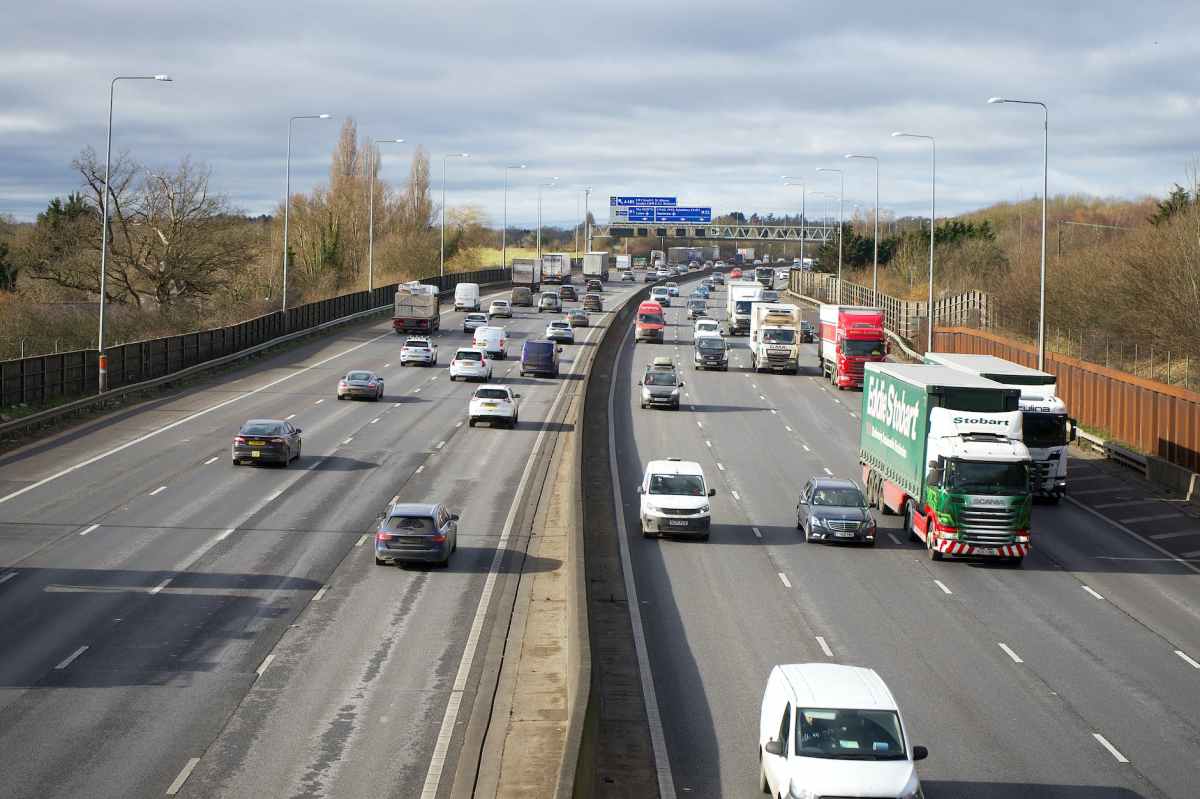
Londoners in all Boroughs need clearer air to breathe. But London doesn’t sit in isolation. Afterall the Borough boundaries do not track urban boundaries. Parts of adjoining areas are equally urbanised, and the air doesn’t know about administrative boundaries. The M25 motorway doesn’t do much for air quality, that’s for sure. So, hearing of the London Mayor doing battle with adjoining areas is a bit sad. Solutions need to be negotiated with all impacted parties regardless of the politics.

By the way, I’m not impressed with communications from Transport for London. I clicked on an e-mail sent to me on the above subject and this came up: “This link has expired. Please contact the sender of the email for more information.” Thanks a lot.


[1] More than 4 out of 5 vehicles meet emissions standards, but if you use a petrol vehicle over 16 years old, or a diesel vehicle over 6 years old, you need to check it.

Dog Days

It’s only when I looked this up that I realised how apt it was. Summer is upon us. Today, it’s not so hot, in-fact it’s been raining. Welcome rain. My garden looks fresher for it. These are the days of summer heat in southern England. They are known as “dog days”. It’s the period between early July and early September. These summer days can be delightful, but they can be uncomfortable, a source of fatigue and a time of unexpected thunderstorms. What I learned was that the term “dog days” comes from the appearance in the sky of the dog star, known as Sirius[1]

We are getting into the dog days of summer in terms of parliamentary time too. The House of Commons recess dates for this session of the UK Parliament are that it rises on 20 July 2023 and returns on 4 Sept 2023. That would be a useful time for the current Conservative Government consider calling a General Election. I can hear their death rattle so I suspect they will not.

Last evening, I caught a debate on the Parliamentary TV channel. The main business was the second reading of the Economic Activity of Public Bodies (Overseas Matters) Bill. It’s a truly hopeless and appallingly badly drafted legislative proposal[2]. That’s when the thought of “dog days” came into my mind. The term has more than one meaning. My thought here was that we have truly entered a period of stagnation in common sense The current Conservative Government is tabling dreadfully ill thought-out and unsafe proposals that suppresses free-speech and will become a charter for lawyers to paw over for years.

The timing of this Parliamentary debate, given what is happening in Israeli-occupied West Bank, is terrible. A wise government minister would have pulled it.

It never has been ethical policy for a government minister, to supress democratic discussion. This bill would gag local government and other public bodies[3]. It’s poorly drafted text that will have a detrimental impact at domestic and international level.

The summer can bring drought. What we have here is a drought of political imagination, a cavalcade of populist babble that concentrates power and an unethical embarrassment. I remember the days when throughout the country people and democratically elected public bodies opposed apartheid. This bill, had it been in place at that time, would have outlawed such opposition.

A well drafted law that addresses the issues associated with the Boycott, Divestment and Sanctions (BDS) movement might have been welcomed. A political consensus should have been sought. What has been tabled by this fading Government is sweeping yet vague powers that go way beyond addressing the one issue of BDS and Israel. It’s a direct attack on free speech and democratic government. This tired and worn-out Conservative Government needs to stand down before it does more damage.

#unethical


[1] https://www.history.com/news/why-are-they-called-the-dog-days-of-summer

[2] https://www.bbc.co.uk/news/uk-politics-66086671

[3] https://www.local.gov.uk/parliament/briefings-and-responses/economic-activity-public-bodies-overseas-matters-second-reading

Titan’s fate

Firstly, condolences to the families and friends of those who perished in the deep ocean last week. This fatal tragedy took place in the full glare of the public spotlight. It’s time to give those affected time to grieve for their loss.

I will address the subject of vehicle safety in a technical manner. It’s immensely sad when what is known must be re-learnt in such a tragic way. By their nature, passenger vehicles that enter hostile environments will present high risks. There is always a likelihood of an event of significant severity as to cause injury. The imperative should be to reduce that probability as much as possible.  

The Transportation Safety Board of Canada (TSB)[1] has launched an investigation into the events that led to the loss of the submersible called: Titan. That organisation will do a detailed investigation into the reasons behind the accident that led to the deaths of five people on-board. 

There’s much conjecture about the factors involved in this catastrophe. News media and social media are awash with speculations. The facts are that contact was lost with the Titan’s support vessel and a catastrophic event took place[2].

What has come to light in the aftermath of this event is the public statements made by the driving force behind the Titan project. This has been contrasted with the those from the submersible community who spoke out on their concerns about the project.

My reflection on this information is to say that – safety starts at the top. If the entrepreneurs who promote these adventures are not literate, humble, and vigilant then outcomes are going to be negative. Those in leadership positions need to listen to those with expertise in their field of endeavour. Accepted, that it’s not the case that everyone will agree all the time about operational and technical risks but an open dialogue is vital.

I know that innovation often takes the path of trying, failing, trying again, failing, and trying again to eventually succeed. However, no vehicle should enter public service without sufficient proving.  Independent oversight adds value too. The cultural framework within which this happens shapes success or failure. That’s why there’s good reason for design certification. That’s to apply time and energy to extensive testing, applying recognised standards and listening to reputable expertise. At its best it’s an opportunity to draw on widespread experiences from the past – good and bad.

Systems that prove to be safe most often come about from those who take on knowledge, experience, and learning. Yes, this work is not free. It can cost much to go from theory to practice. When the impact of failure, when the outcome is tragic for families, loved ones and colleagues these expenses are not so large.

We must take every opportunity to learn from such fatal accidents to make them extremely rare. 

#Safey Management #SystemSafety #HumanFactors #SafetyCulture


[1] https://www.tsb.gc.ca/eng/medias-media/deploiement-deployment/marine/2023/m23a0169-20230623.html

[2] https://www.tsb.gc.ca/eng/enquetes-investigations/marine/2023/m23a0169/m23a0169.html

Glasto 2

The weekend music city in the land of the summer people has had a vintage year. Normally, west country fields are covered in lush green grass. One of the most rugged plants on the planet. With the blue sky, overhead sun, and hundreds of thousands of feet, the green of Worthy Farm hides in the hedgerows. The land has browned in the heat. Music filled the air. Sound was everywhere. Now, thousands of revellers belong to a family of festival goers who want to do the whole thing over again, and again.

Yes, I know there’s a lot that’s mainstream. It’s probably an anathema to anyone under the age of 20. Looking at the audiences, a man over-60, like me, wouldn’t have felt out of place. Especially watching The Pretenders[1] Saturday night session. Which was excellent, by the way.

Watching the festival from afar, BBC Music has excelled with its coverage of this mega outdoor event. They curated material from the thousands of acts, catering for a good selection of tastes. Rick Astley and indie band Blossoms performing songs from The Smiths was a sight to see. The “Never Gonna Give You Up” 80s star crossed over to do a bang up job. Astley playing drums while thundering out the AC/DC anthem “Highway to Hell” – don’t tell me there’s nothing weird about Glastonbury.

What we got to see was a snap. New artists took to stages across the site. Some tried, some failed, some won and others are better for the exposure. Viewers of the box, like me, got only a small a window on the Glastonbury world.

On my last visit to Glastonbury, a couple of months ago, I sat in a tea shop with my mum. The town is an amalgam of the ancient and modern. The counterculture of the shops selling healing crystals mixes with the Abbey[2] and cake shops. I was remembering it as a child going to Glastonbury cattle market[3] with my granddad. It was to sell pigs, hobnob with local farmers and do a bit of shopping. He had a small box trailer which he towed up and down the Somerset hills on-behind a lovingly polished Mk III Humber Sceptre[4]. The heady blend of mystical traditions and local history makes Glastonbury a unique place. Its landmarks stand out picture postcard.

Last night, Elton John played a magical set. In perfect weather, in a perfect setting he pulled out all the stops. Had he awakened from his long slumber, King Arthur would have been dancing. Elton’s performance was legendary.

Elton gives a steping stone to new artists. Lifting up the next generation adds to his huge legacy. Songs that span the decades rang out over the hills. On my small screen, in the living room those fields looked like the best place to be for any festival goer this year. Glastonbury festival’s status as a foremost event in British culture is sealed.


[1] https://www.rollingstone.com/music/music-features/chrissie-hynde-pretenders-new-album-1029689/

[2] https://www.glastonburyabbey.com/

[3] https://www.glastonburyantiquarians.org/site/index.php?page_id=175

[4] https://en.wikipedia.org/wiki/Humber_Sceptre

Glasto

Standing in a field in Somerset. I did a lot of that in my youth, but I’ve only been to the Glastonbury Festival[1] once. That was in the early 1980s. Elvis Costello was headlining. That much I remember. That and an image of Glastonbury Tor[2] off in the distance with a dark and stormy sky overhead. It wasn’t the greatest night of my life, but it was a fun weekend. At the time, I was living in Bristol and the trek back to the city was a real pain.

There’s a symbiosis. Some local people objected to the imposition of tens of thousands of people descending on them every year. Other local people made a healthy income from the annual pilgrimage to Glastonbury.

I wouldn’t say that a field full of cows in Pilton is particularly mystical, but Glastonbury certainly has an air of the unusual. I recently drove through part of the Somerset Levels[3], it’s an expanse of drained wetlands. It’s farming country but rich in wildlife[4]. It has an ancient past. Sheltering in the marshes had an advantage for early humans. At later times, the marshes became an impenetrable defence from raiding invaders.

Glastonbury Festival maybe a mix of social conscience and pleasure-seeking but the early history of that area was more monks, churches, peat, and escape routes for Anglo-Saxon. Places like Burrow Mump were islands. A perfect place to watch a sunset/sunrise. This calm and quiet place is a million miles from the frantic hedonism of Glastonbury Festival.

The festival’s growth was topic of conversation in my family. Two of my great uncles farmed close to the village of Pilton. They were an age that looked upon hippies dancing naked in the rain as funny, confusing and downright weird. For the most part they smiled about the whole event when they talked about it. Being business orientated they assumed that there was good money to be made entertaining all these strange folk from London.

Out for the experience of their lives there were years when all revellers were met with was a crowded and isolated muddy field. Tales of people falling into the pits dug for toilets were enough to freak even the most hardened party goer.

Today’s version of the festival is an outdoor experience, but it’s been sanitised to the Nth degree. Pilton’s lush green pastures host a small city. Partygoers would be more likely to be run over by a media camera crew than a tractor or traveller’s bus. The cows are hidden away.

The BBC are playing a selecton of past performances. There’s real gold in these clips BBC iPlayer – Glastonbury – Episode 1

Glastonbury’s annual muisc gathering is over the 50-year mark. There’s no reason why this huge festival shouldn’t go on and on. Michael Eavis has a legacy to be proud of.

POST: The size of it is not so easy to get a grip of Glastonbury Webcam – Events – BBC


[1] https://glastonburyfestivals.co.uk/

[2] https://www.nationaltrust.org.uk/visit/somerset/glastonbury-tor

[3] https://www.visitsomerset.co.uk/discover-somerset/inspiration/natural-beauty/somerset-levels-moors

[4] https://www.somersetwildlife.org/create-living-landscapes/levels-moors

What Town?

It’s a confusing film. I enjoyed it in a strange way. This is one of many times fiction has wrestled with the idea of parallel universes. “Everything Everywhere All at Once” gets crazy[1] and has some absurdly funny moments. Embracing all possibilities, however unlikely is a lot of fun. Childlike fun.

Life’s branches – it’s easy enough to grasp if there are a not many to think about. Lifelong “what ifs” are familiar territory. What if, I’d taken a different path? What if, I’d met this person instead of that person? What if that accident had been more, or less severe? It’s so human to play with imagination and different scenarios. What’s difficult to grasp is the notion that there might be an infinite number of different branches in and infinite numbers of universes.

When large numbers of possibilities arise, it can be the source of anxiety. Me being on the stoic side, I shrug my shoulders and carry on. Don’t get me wrong, thinking about lost opportunities or idiotic mistakes stirs-up more than a few feelings. Living in synchronisation with reality means choosing to focus on changing the things that can be changed and choosing not to bash one’s head against a wall. The key words being to choose. 

This is the time of year when future students are looking at future possibilities. Walking past the gates of the local college, a group of school leavers could be seen eyeing up the building. That one first major step at 16 years. Up and down the county, universities are hosting potential students. Trying to answer all their questions. That step, at 18-years is one of the biggest those lucky enough to make, get to make. This town, or city, or that out-of-town campus.

I wonder what I’d be doing now if I’d gone to Bath university or Brunell in Uxbridge? How did I make those choices? Well, there was the factor of sponsorship so there was no way that the chance to study art, politics or philosophy would come up. My search was for a sandwich course to be able to mix study and work. My chosen trade was electrical and electronic design. That fascination with how stuff works continues to this day.

At 18 years, I had little grasp of the fact that university, or polytechnic as it was, was far more than technical study and the usual bundle of exams. The 4-years I had going backwards and forwards between the west country and Coventry was a mammoth transformation.

Although, I had no particular leaning towards aviation there was moments when aircraft and aeronautics came into the mix. On my journeys north to the midlands, I’d often stop at a lay-by at the end of the runway of RAF Kemble and watch the Red Arrow practice[2].

Coventry in the early 1980s was the home of GEC. That being the case there was a telecommunications bias in some of what we were taught. That suited me fine. Let’s face it, in that period we lived in an analogue world with a strong technological push to adopt the early generations of digital systems. Although electro-mechanical telephone exchange production had finished[3] much of the installed equipment in the country was still a mass of relays.

Coventry between 1978 and 1982 was the place to be. It was rough and ready. It was suffering the onslaught of Thatcher’s march to destroy the past and transplant the new. The pace of change left oceans of people behind. Culturally the pressure of that grim social revolution liberated a generation of music and rebellion that we look back on as magic.

As if by magic, and I didn’t plan this, BBC Radio 4 is playing “Ghost Town” by The Specials[4]. Yes, that was a defining soundtrack to influential moments in my life. 


[1] https://www.imdb.com/title/tt6710474/

[2] https://the-buccaneer-aviation-group.com/history-of-cotswold-airport/

[3] http://www.telephoneworks.co.uk/history/gec_telecomms.htm

[4] https://www.bbc.co.uk/programmes/m001n1h5