Yesterday’s man

Let’s say extreme things. Don’t think of the consequences. That’s on the playlist of this generation of right-wing activists. They are so afraid of being ignored that they push the limits on every opportunity. Say something outrageous and nine times out of ten the media will run the story. Stand devoutly against anything that can be considered normal, progressive, or socially responsible and whoopee it’s headline news.

I don’t feel inclined to name the chiefs of this art because that merely plays into their agenda. There’s a well-known but failed Brexit campaigner, there’s a well-known but failed former Prime Minister, and there’s a well-known but failed chair of a major pollical party. The common factor here becomes all too obvious. These folk are an epidemy of what my secondary school teachers used to call – empty barrels.

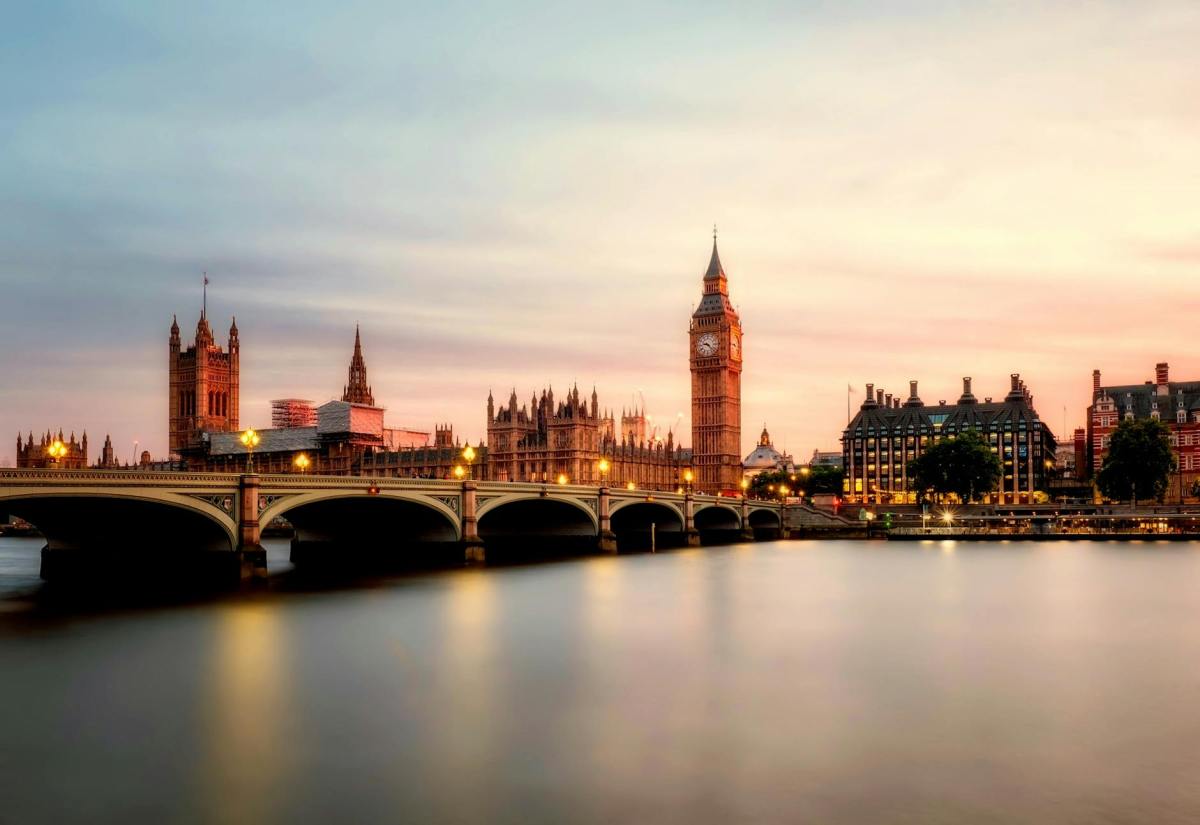
So, addressing the recent hokum, the current mayor of London is no angel. Have we ever had one that was? Pictures of one of his predecessors swinging from an overhead cable wrapped in a Union Jack flag have become a legendary funny story. Plans for the floral bridge across the river, he wanted to spend millions of public monies on ended in the dustbin[1]. Rightly so.

Today, the man in that office seems to reveal in meeting his opponents head-on. However, on Brexit and the environment he has been a voice of reason. Should he take a harder line on anti-war protests in the city? That’s easier to talk about than it is to do. His opponents know that fact.

Whipping up anger and division isn’t a zero-cost sum. The defence that will be used is that loud mouthed pundits are just saying what others think. That’s a shallow defence. It’s no defence at all to say, let’s all leap off a cliff together following the most foolish amongst us.

If everyone said every thought that ever came into their head’s civilisation would fall part quite quickly. We have the luxury of large brains to filter our most of our alien and downright stupid thoughts. That filter is clearly not working in the case of some Members of Parliament.

What’s over the horizon is a good opportunity for the Reform Party (ex-Brexit Party) to sweep-up. There are clearly a lot of conservatives who badge themselves Conservatives who are not conservatives at all. Better they find a place what suites them rather than harbouring any false idea that they might become mainstream in the 21st Century.

Going back to the worst of the 1970s is not an appealing idea. A modern empowered version of sitcom character Alf Garnett[2] is a scary thought.


[1] https://www.theguardian.com/commentisfree/2019/feb/17/absurd-vanity-project-for-our-age-boris-johnson-garden-bridge

[2] https://www.bbc.com/historyofthebbc/anniversaries/june/till-death-us-do-part/

Space

Eutelsat OneWeb is a growing global connected community. That’s what the publicity says. Once upon a time I wrote about OneWeb. I wrote about it in the context of Brexit.

One of the touted benefits of Brexit was autonomy, in other words, British innovation leading the way to benefit Britain above all others. It’s that aggressive assertion of sovereignty that was at the core of Brexit. Remember, it wasn’t so long ago that this was part of Brexiters fantasies? 

In the Brexit turbulence the UK Government walked away from the EU’s Galileo programme. The UK no longer participates in the European Galileo or EGNOS programmes[1].

Then in 2020 the UK changed its original post-Brexit position and scraped building a national alternative to the Galileo satellite system[2]. At that time, Business Secretary Alok Sharma offered around $500 million of UK public money to acquire part of an organisation in trouble, called OneWeb.

OneWeb is a commercial Low Earth Orbit (LEO) satellite constellation now with an element of Government ownership. It’s network of satellites doesn’t have a global positioning capability, like Galileo.

To get its satellite network up and running, an expensive business, OneWeb merged with French company Eutelstat. Today, if we look at the 2020 investment made with public money the financial situation doesn’t look good. That doesn’t mean to say that things will not turn around in future years[3].

The Times newspaper has taken a nationalist view of the circumstance[4]. It’s a point that the intellectual property is not in the hands of the UK Government, but the investment could still turn out to be a useful long-term commercial bet. It’s gambling with public money.

As an aside, I’ve been looking at buying a new dishwasher for the kitchen. It’s made me aware of a capability that I had no idea had been developed. Namely, the connection of dishwashers via the web. I think this is what is called the Internet of Things (IoT). So, imagine that, British dishwashers connected by space as a Brexit potential benefit.

However, if there’s a change in the UK Government’s political direction after the next General Election there’s a strong possibility that the UK will return to the EU’s Galileo programme with some manner of partnership. When we get to 2026, we may look back on the decade behind as a vacuum, much like the vacuum of space. A time when an uncertain direction cost a great deal.


[1] https://www.gov.uk/guidance/uk-involvement-in-the-eu-space-programme

[2] https://www.politico.eu/article/uk-scraps-plan-to-build-global-satellite-navigation-system-to-replace-galileo/

[3] https://www.politicshome.com/thehouse/article/oneweb-uks-gamble-satellite-startup-pay-off

[4] https://www.thetimes.co.uk/article/656bd77c-c106-47c3-840b-674e9efc4f0e

Look ahead

Much as I support the UK Government’s position on hormone injected beef, the exit from negotiations on trade have wide implications. Maintaining the regulations that ban the use of hormones in beef is a good move for farmers and consumers.

However, for cheese exports the collapse of talks is tragic. Zero to 200% is one hell of a tariff jump. The UK will be in a worse position with respect to trade than it was pre-referendum. That’s with a strong ally, namely Canada[1]. Brexit has made us worse-off.

Yet, the Brexit supporters that remain, still herald Brexit as a wonder. Logic plays no part in their thinking. It’s easy to respond in an angry way to this self-inflicted blindness. It does no good. The stubborn streak in those who have dug a big hole is a thick one. And the hole is getting ever bigger.

Clearly, there’s no urgency on the part of Canada[2]. On the UK side the urgency is much greater. The need to stimulate growth to bring about a recovery in the British economy is much needed. Sadly, the legacy of a decision made in 2016 has made created a weak negotiating position.

For a long time, the UK has been given a soft landing due to transitional arrangements. Now, these arrangements are drying up. Far from the propaganda of the Brexiters, trade deals are not easy.

The problem is a reference back to the past is like crying over spilt milk[3]. How to go forward when the relationship between different States has been significantly changed is no simple matter. The situation is not irrecoverable but the avenues that can be explored are limited.

So, I caution of a never-ending lament. Brexit will need to be rectified. The means to do it are tortuous and may take a long time. The means to undo the mistakes of the past may face opposition from many quarters. One of the predictions for the European elections, this year, are that there will be a swing to the political right. Several right-wing political parties across Europe are on the ascendancy.

Instinctively these right leaning political parties are likely to less internationalist and more focused on immediate domestic concerns. So, third parties, like the UK, may not be high on Europe’s future agenda. On the UK side the major political parties have gone quite on Europe. There’s plenty of campaigning on international issues, like climate change and military conflict but little on enhanced working together.

There are many national news stories where solutions are best arrived at by greater communication, cooperation, and coordination. This year, so far, the signs are that these three “c” are going to take a back seat. Ironic, isn’t it. Facing greater international challenges than for decades, States choose to look inward. This myopia will continue until leaders speak positively of the future. Vision is needed.


[1] https://www.reuters.com/markets/canada-britain-pausing-free-trade-agreement-talks-2024-01-25/

[2] https://www.cbc.ca/news/politics/canada-uk-trade-cheese-1.7094817

[3] https://www.collinsdictionary.com/dictionary/english/cry-over-spilt-milk

Democracy

It’s one thing to talk about elections in theory it’s another to talk about them in practice. Only one person knows when the next UK General Election will be held. It’s the privilege of one person to say so. Since the UK gave up on fixed terms, power rests with the Prime Minister.

The Fixed-term Parliaments Act 2011 set a five-year interval between ordinary general elections[1]. The next UK General Election would have been scheduled to take place on 2 May 2024. Now, all of that has gone, within the life of a Parliament, it’s for one person to call a General Election at the time of their choosing. Imagine a race where one competing athlete gets to fire the starting gun. There’s no role for Parliament in deciding when a UK General Election will be held.

What we do know about this year is that there will be European Elections held between 6th and 9th June. I would say, mark the dates on your calendar. In fact, I will say mark the dates on your calendar, if you’re a European citizen living and working in the UK.

In this case citizens know when they will have the power to exercise their democratic right. They can plan accordingly. They can play a part in the process. They can weight-up the options.

Hundreds of millions of people in Europe can determine the nature of the next European Parliament. British citizens, because of Brexit will have no say in this huge application of democracy.

This is undoubtably a time when unity amongst European allies is of paramount importance. There are threats in numerous places around the globe. The need for close cooperation between the UK and EU is becoming ever more evident[2].

Foreign policy and defence interests have a great number of common threads that bind Europe together. Couple that with the uncertainty that exists in relation to future transatlantic links, then getting along better is an absolute necessity.

The naïve – go it alone – attitude of Brexiters has unravelled. A more pragmatic settlement is essential for mutual benefit as we move forward. Defence industrial collaboration is a must. It hardly needs to be questioned. Many of the large aerospace and defence enterprises that the UK military depends upon are established European companies. Collaboration is nothing new.

War in Ukraine came as an unexpected nightmare. This European conflict is likely to become ever more protracted. Much as the country might wish it was not so, there are limited ways in which the conflict can be resolved. Self-determination remains a core belief amongst western democracies. This must be backed up by force otherwise it becomes meaningless.

After Brexit, going forward the UK will have no say, and no veto, over how EU defence progresses. From here, it’s best that cooperation, collaboration, and influence go hand in hand.


[1] https://commonslibrary.parliament.uk/research-briefings/sn06111/

[2] https://www.politico.eu/article/brexit-rishi-sunak-ukraine-war-europe-uk-inches-toward-eu-defense-projects/

Votes count

Sneaking past the national news this week was a change that is of more than a little significance.

For more than a decade, I did live outside these shores. All the time that I did, I continued to vote in local and national elections. At that time, I still had an address in the UK. What would have happened if I’d continued to live abroad, for more than 15-years, is that my right to vote would have been taken away. This so-called 15-year rule meant that millions of British citizens were excluded from voting.

During the referendum of 2016 a great number of British citizens living abroad were unable to vote for or against Brexit. At the time this was seen as a great injustice. This was especially true for those who maintained strong links with the UK.

Now, almost without anyone noticing, the UK is aligning itself with other major democracies in the world. The 15-year rule has been scrapped. Some people estimate that the change to the franchise could mean an additional 3 million British citizens will have the right to vote restored.

British citizens living abroad, who no longer have an address in the UK, can now register to vote in UK General Elections. Which is convenient given that one is imminent. Naturally, this still requires those who are eligible to know about the change and to register to vote.

Interestingly, it’s the Conservatives who promised to enact “Votes for Life” in three previous election manifestoes. It’s taken a long time but the reality of the extension of the franchise is now with us[1].

The ability to donate to political parties comes with these changes. Maybe that’s one reason that Conservatives were persuaded of the need to change voting rights for the British abroad.

There’s still a possible Brexit related uncertainty. Should they occur, each UK referendum has different voting rules. So, the general restoration of the franchise may not impact any future vote on the reversal of Brexit. That would be a matter for specific legislation.

Lifelong voting rights have both a plus and a minus. For most people who retain interests in the UK it’s a matter of natural justice. They may have UK pensions, pay taxes, or have family members that are directly affected by changes that British politicians can, and do make.

For those people who have completely severed ties with the UK it maybe argued that this restored right to vote is generous. However, there’s no obligation for those who have no interests in British governance to register to vote.

Given that the British abroad can all participate in national elections, it will be interesting to see if future UK governments take more interest in their situations.

Starting on 16 January 2024, if you are a British citizen living abroad, now is the time to act. Register to vote.


[1] https://www.gov.uk/voting-when-abroad

Good News

It’s good to see. Sad, in terms of so many lost years. Now, the UK has rejoined the Horizon Europe and Copernicus programmes with a new agreement with the EU.

The evidence is clear. Most people in the UK have recognised the mistake of Brexit. What public polling there is shows a strong trend going one way and one way for sure. A post-TCA Brexit poll of polls shows a stable rejection of Brexit. The British public worried about the economy, inflation, and the NHS. Brexit is a minority interest[1].

Even those who voted for Brexit, including the current Prime Minister (PM) have come to recognise that the UK needs a new set of agreements with the European Union (EU).

Announced back in September[2], a new customised deal opens the world’s largest research programme to UK scientists, researchers, and businesses. It could be seen as baby steps, but the direction of travel is towards much more collaboration with our closest friends and neighbours across Europe is on the cards[3].

This week, the UK was welcomed back to the Horizon research family. Starting from 1 January 2024, UK citizens will be able to participate in the EU’s research and innovation programme. This is a tremendous victory for common sense and a win-win outcome for global scientific advancement. British researchers and scientists will now be able to apply for grants and projects with certainty.

The UK joins Canada and New Zealand with an association agreement[4]. Other non-EU countries are also negotiating for an association to Horizon Europe. The current version of Horizon Europe began in 2021 and runs until 2027.

I’d written before about how the UK had shot itself in the foot by being so dogmatic about Brexit that it had severed links that it had no need to sever. One day we will look back on the post 2016 madness and wonder what it was all about. Historians and social scientist will write voluminous tones on every aspect of the subject. Textbooks will fill libraries. They will do so to warn of the mistakes that can be made by headline chasing Conservative politicians.

The economy continues to be seen as a most important issue for the country. Reconstructing a productive relationship with our European partners is an absolute must.

Let’s hope this move will reestablish some of the wonderful industrious links between universities across Europe and with other global partners. In the past UK researchers led a high percentage of projects. Life will be different as a non-EU country. Nevertheless, participation in the programme is a great boost. It’s not free but it is worth every penny or cent.


[1] https://www.ipsos.com/en-uk/ipsos-issues-index-september-2023

[2] https://www.gov.uk/government/news/uk-joins-horizon-europe-under-a-new-bespoke-deal

[3] https://www.gov.uk/government/news/landmark-moment-for-scientists-researchers-and-businesses-as-uk-association-to-80-billion-horizon-research-programme-officially-sealed

[4] https://sciencebusiness.net/news/horizon-europe/uk-primed-rebuild-its-standing-eu-research-after-officially-joining-horizon

Divided

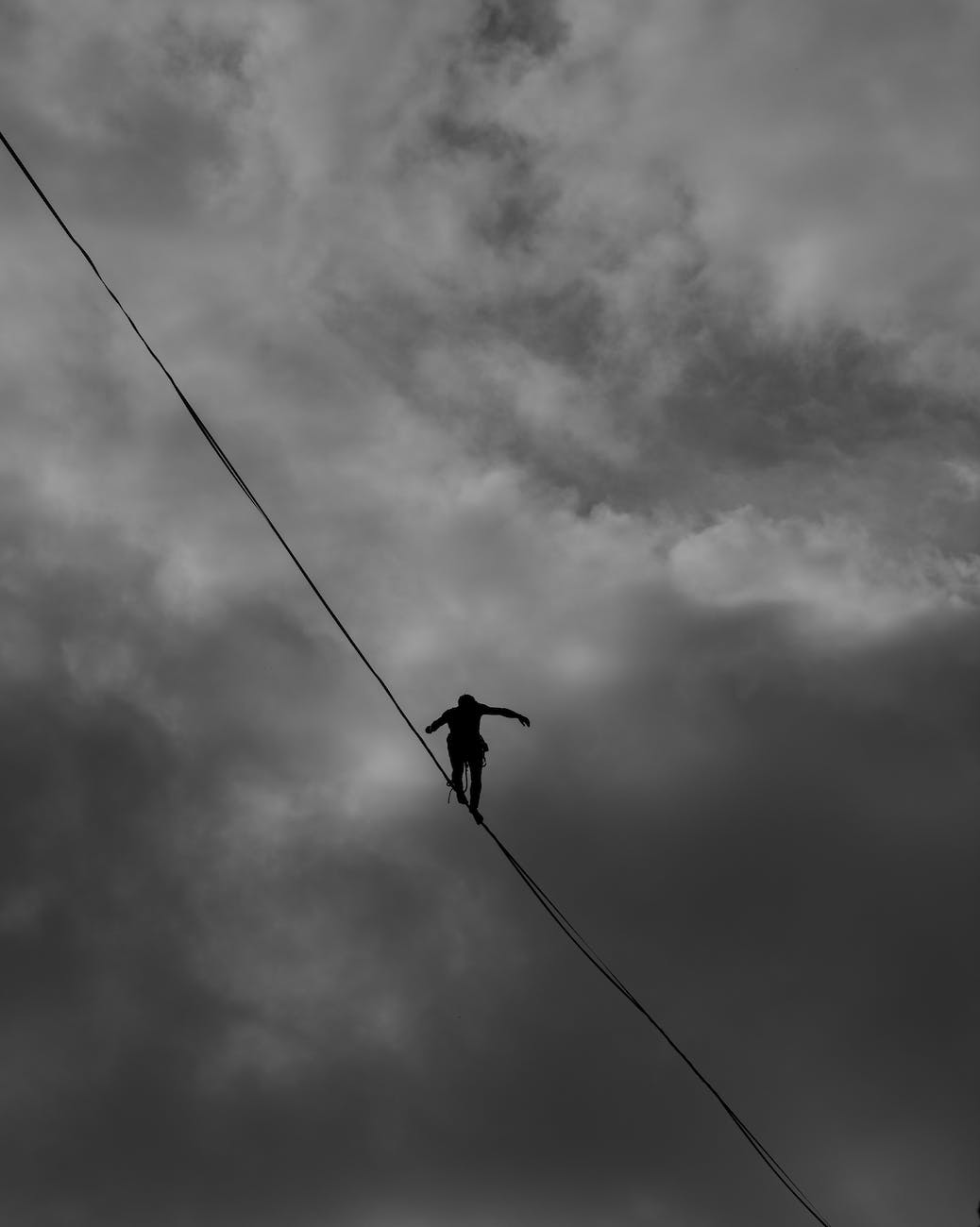
Away for a week. I’ve been in Canada. In Montreal. On return to the UK, I see the next step in the convolutions of the Conservative Party have littered newspaper column inches. If ever there was a thin man on tight rope balancing a can of worms on one arm and a broken bicycle on the other, then it’s the current Prime Minister.

I’m sure he never trained for the Cirque du Soleil. Maybe Rishi Sunak should take up traditional circus disciplines like the swinging trapeze and flying hand to hand. Certainly, he could make a living that way even if he doesn’t need the money. Circus or pantomime would be a good opening for a great number of pending unemployed politicians.

Suella Braverman’s second sacking as Home Secretary opens the opportunity for her to take to the stage. In her case the audience would know when to boo without any prompting. The world of the pantomime villain[1] might revive a flagging political career.

Nigel Farage, former leader of the UK Independence Party is off the jungle[2]. Most suitably he’ll be featured alongside comedians anxious to keep themselves in the public eye. The cartoonists are having a field day with this oddity.

Boris Johnson’s trying his hand with comedy too. His new position as a GB News broadcaster will be pandering to a small but loyal right-wing audience. That will not put him off, I’m sure. I wonder what kind of studio wallpaper will be his backing?

Others have gone to ground or are typing WhatsApp messages to a 101 groups all fighting to be the next star of the right. The Brexit brigade of the past is finding a natural home in entertainment. It’s one way of jumping ship before the poltical Rapid Unscheduled Disassembly (RUD) to come. This is a wonderfully inventive acronym for a complete disaster.

If I was to make a guess as to what Rishi Sunak might be attempting, it’s a rebranding the likes of which we haven’t seen since the chocolate bar Marathon changed to Snickers. I seem to remember that name change was a marketing curiosity. The British public didn’t understand it. After decades past the rebrand, the name Marathon was brought back. Is the Conservative Party that chocolate bar fallen out of favour and looking desperately for a retro-look?

Sweeping a decade of chaos under the carpet is a tall order. Even with the maxim that a week is a long time in politics. I don’t think the British public are so forgiving or forgetful. The roots of our problems are the results of poor political judgement and poor actions over a long trem of office.

No doubt the Conservatives will try to jerrymander, as much as slight of hand will allow them to get away with in the media spotlight. Voter ID rules will keep some potential voters at home come the next general election. Shifting the boundaries of some constituencies has benefits too. A pre-election bag of goodies is being put together to stiffen the resolve of wavering traditional conservatives. Expect Springtime give aways.

My overall sense is that major change is coming. Abraham Lincoln said, “a house divided against itself cannot stand,” and that applies more broadly than the reason it was said in the 1850s. The strands of conservatism that have been so politically successful in Britain are divided amongst themselves. Not just a few small gaps. Hulking great chasms exist between entrenched groups. That situation never goes well. Not for anyone.


[1] http://celebratepanto.co.uk/toptipsforvillainy/

[2] https://www.entertainmentdaily.com/tv/im-a-celebrity-nigel-farage-backlaash-from-celebrities/

Watch it

Today, the same hubris that plagued the Brexit referendum in 2016 is in the air. That’s when people become dangerous overconfident that they know what’s going to happen next. All the signs in the stars, almanac’s predictions and emotional forces point one way but hard cold reality respects none of these pointers.

It goes like this. Every day there’s a story about how dreadful the Conservative Government has been in recent years. Like tales of manic cartoon characters, the retelling of events is almost unbelievable. At the same time, the opinion polls and the commonly held media assumption is that, come the next General Election, next year the Labour Party will romp home with a workable parliamentary majority.

A great number of people may think that politicians have let them down and public figures that brim with arrogant self-confidence and bluster should not be trusted. However, that may not translate into a simple selection of an alternative. The primitive assumption that voters act in a binary way, dislike candidate A means like candidate B, belongs in a prior century.

This decade is different. The speed with which events happen and then are glossed over or suddenly uncovered is astonishing. It’s frantic. Watching a replay of last year’s “Have I Got News For You[1]” and it’s like visiting a distant land. Even some of the jokes no longer land. Names of people in the daily news rise and fade like waves hitting a rocky shore.

If we, me, and you were entirely rational then I’m sure there would be a strong wish for a period of consistent dull normality. A decade when competent people worked hard to make the world a better place. When the news was more about cats getting caught up trees and puppies chasing balls. When the economy gradually got rebuilt and a feeling of prosperity and security started to spread far and wide across the country. Ultimately, at the end of a term of office the whole country should be happier, healthier, and wealthier.

We are not rational. So, as a life-long liberal I warn my Labour Party colleagues of the dangers of excessive pride and over-confidence. Yes, lots of traditional indicators may suggest that change is coming. I’ve written about the great need for change, but we can soon be shocked or shaken by cold reality. Afterall that’s what happened at the 2016 referendum.

Reasons to vote can come from multiple directions. Personalities can sway the climate of opinion. We may hope for a coming decade of progress and sanity. It’s by no means guaranteed. Hubris is frequently the cause of upsets and surprises. That’s where we are at the end of 2023.


[1] https://www.bbc.co.uk/programmes/b006mkw3

Scandals

Political scandals are as much part of British life as bread and butter pudding. Yet, we, you, me and the cat and the dog always seem shocked when the next one arrives. As if standing at a isolated bus stop never expecting a bus to turn-up and to our great surprise it does.

It might be failing to disclose or declare large sums of money changing hands. It might a succession of sex scandals. It might be misleading statements, or down-right lies. It might be cover-ups and blatant hypocrisy. It might be abuse or bulling. It might be leaking secrets or dirty tricks to undermine colleagues. It might be …………and the list goes on.

There seems to be no limit to the inventiveness of Members of Parliament (MPs). Is there a defence? It’s true that leading a public life does expose a person to more scrutiny than you or me. There are occasions when unprincipled adversaries can take advantage of this exposed situation.

Reputational damage spreads like wildfire even if the source of the damage is untrue. A bad news story gets media headline that are never retracted. However, you would think that, knowing all the above, that a person in the public spotlight would not entertain thoughtlessness or foolishness, in so much as they can avoid it.

Ever since the Watergate scandal in the US, nearly every occurrence now has the appendage “gate” shoved on the front of it. We’ve become a bit German in making-up new composite words. A pub quiz master could ask; can you identify this gate or that gate? Now, there’s a set of specialist question for a Mastermind contestant.

I can imagine a Monopoly board especially made for Conservative MPs. Although, Labour, Scottish Nationalists and Liberal Democrat MPs star in the lists too but less often. They even play the Get out of Jail Free card, now and then. Some MPs have almost got away with major misdemeanours but at the last moment party support collapses or the winds of fate turn sharply against them.

That leads me to wonder how many get away by the seat of their paints. Or they live with the knowledge that their party Whips office has a file marked – open only is X misbehaves.

It’s time to clean-up politics. Trouble is that I’ve heard that slogan before. It plays well for a while and then harsh reality breaks through, and the house of cards starts to fall. I remember the Back-to-Basics campaign announced in 1993 by British Prime Minister John Major at the Conservative Party conference. I’ll be he wishes he’d not gone down that road so ardently.

Like it or not, this is in our hands. The electorate. Time and time again we have General Elections where we, me included, vote in people who are not best suited to protecting the public interests, representing us or advancing our crumbling constitution.

The ballot is a powerful thing. Sadly, all too often it’s the political commotion in the few weeks before a ballot that determines the outcome. If only it was possible to take a more considered long-term perspective and stick with it. Granted, not a new phenomenon. The Greeks and Romans knew about the fragility of the public mood. Our inclination to make a choice for this day rather than the months and years ahead, or even decades ahead.

Maybe, 2024 will be different. My glass is half full outlook.

Get Back

It’s painful to watch. Frightening. Seeing them take over London. Yes, I did hide behind the sofa when the Cybermen[1] came on. But then again, I was only around 6 or 7-years old. They converted humans to their kind by removing emotions and personalities. Scary stuff. The sort of evil creatures that nightmares are made of. With bodies made of cybernetic parts they seemed undefeatable but like so many great science fiction stories they had weaknesses, and the Doctor knew them. My early Dr Who knew exactly what to do.

In this case it’s not fiction that I’m writing about. Just the same it was painful to watch. Frightening. Seeing them take over London and the whole country. We had years of this scary drama. In fact, its still going on around us now. Laura Kuenssberg’s State of Chaos[2] has been a true horror story. This week I caught the Part 2. I don’t think I can take another Part.

History is being penned quickly in our media age. Watching the story of how our political system was smashed-up by a bunch of marauding, well, I don’t know what to call them. Is there a collective term for careless, egotistic, idiotic, manic, obsessive, power-hungry politicians? A term one can use in polite company, that is.

Since 2016, and to a lesser degree just before, the march of Conservative politicians has been to the tune with a dangerous beat. Smash-up the norms, disregard sound advice and steam ahead with blind arrogance. Much of this is epitomised by the character of Boris Johnson, but there are so many other in the cast strange and obsessive people.

Kuenssberg must tread a fine line because getting caught up in the finger pointing polarisation of the politicians is perilous. In her time as BBC Political Editor, it must have been like walking across Niagara on a tightrope every day.

The State of Chaos is giving us a new perspective on the Conservative Party’s on-going civil war. It seems the situation was even worse than we had been led to believe. This documentary is a treasure-trove of extraordinary material that is only a sample of what happened.

I’d say we all agree. It doesn’t matter which side of the Brexit argument that you stand or stood. Utter chaos has transpired in the reign of the last 5 Conservative Prime Ministers. Interviewees can point fingers at each other, all the same the word chaos applies.

In the coming months the lessons from this fearful period need to be learned. A new normal need to be established. We need to get back[3] what we have lost. Get back a sense of responsibility. Get back a reputation for competence. Get back ambition for the future.


[1] Dr Who. The Cybermen first appear in the serial The Tenth Planet in 1966, set in 1986.

[2] https://www.bbc.co.uk/iplayer/episodes/m001qgww/laura-kuenssberg-state-of-chaos

[3] I must be channelling The Beatles.