

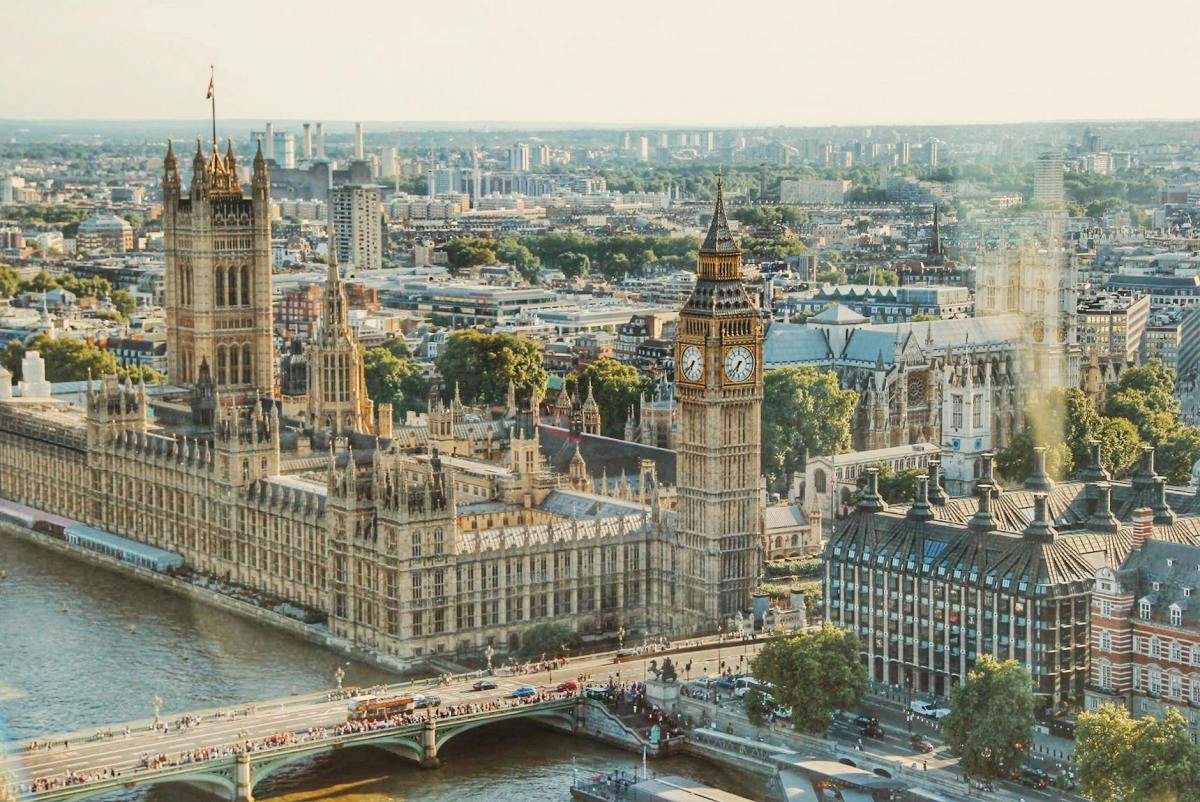
The line-up of predicable grumpiness is no more than might be expected. For once the UK’s Government has decided to bite the bullet and make a long overdue change. It’s time to bring the voting age down to 16-years old. This is a policy that has long been advocated by Liberal Democrats. Wisely so. Like it or not, we have a stubborn geriocracy in Britan. Political influence is top heavy. An agenda dominated by issues toping the polls with older voters.
Yes, we did see changes, a year ago with the last General Election. More younger candidates winning. However, the average age of a Member of Parliament[1] floats around 50-years. This average age hasn’t changed much over decades.
Studies on what motivates candidates to stand for election often point to community engagement and activism being part of their lives. It’s only when, in mid-life, opportunities present themselves and support can be marshalled that they stand for election.
And the retirement community of the House of Lords is solely built on the notion that age brings wisdom. Sadly, so often this does not ring true. Ten minutes watching the Parliamentary channel is a good way to see a range of speakers from erudite to senile. From expert to confused. From informed to delusionary. On occasion a few sleeping on the comfortable red leather benches.
When the elderly hold so much political power it’s difficult enough to get 18-year-olds to take an interest in voting. This is not an argument for the status-quo. Far from it.
Those in the age group 16 to 18 years are interested in society and the direction it’s taking. Youth activism hasn’t entirely perished in the world of tick-boxing education. Loading students up with enormous loans, with learning establishments seeing them as revenue generators, and deaf ears to their concerns has done a lot to supress youth engagement in elections.
There’s a lot to be said for “no taxation without representation”. Young people do work. They do pay taxes. They should have a stake in how those taxes are spent.
What’s not to be presumed is that a new youth vote will automatically lean to the left of politics. It’s easy to make that sloppy assumption. It may arise because the prominent youth activist who get media exposure are those campaigning on environmental and social issues. That does not say much about the majority who may choose to go to a polling station.
I think the larger number of young voters, despite the media stereotypes, will likely vote the way of their parents and friends. Having been nurtured in a particular way this is not so surprising. The lazy stereotypes of riotous youths biting the hand that feeds them is only true of a few, it’s not the majority. It’s belonging to dusty Woodstock documentaries.
It’s for the political parties to up their game and campaign with young people in mind. Even with the best of efforts election turn-out is still likely to be low. At least the message is that the next generation matter. If these modest changes are blocked because older people fear the next generation that is a very sad reflection of our society. Surely, it’s better to have younger people invested in their communities.
[1] https://www.parliament.uk/about/faqs/house-of-commons-faqs/members-faq-page2/






 John Vincent