
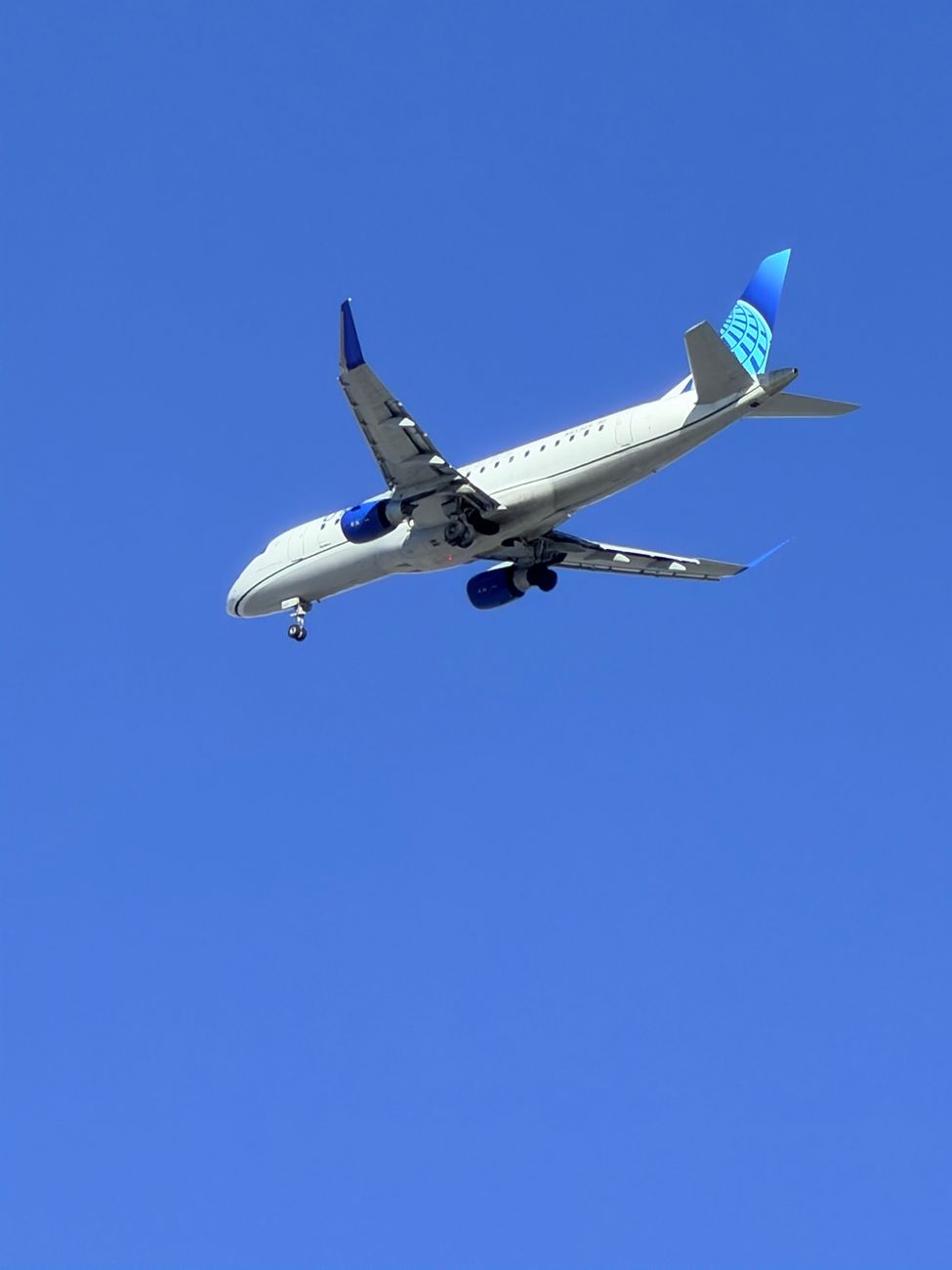
The present day. Today. There will be Press Releases galore at this air show. I expect ambitious and upbeat predictions. More orders. More growth. More developing markets. Demands for more skilled people, more performance, more pressure for the early adoption of rapidly changing technologies.
My subject is safety. Where are we with aviation safety in the present day? There’s a sound legacy. Afterall aviation has a long tail. What we have now, and if I look at the Farnborough Airshow catalogue of ten years ago[1], is digitisation. The ambition to be data-driven. A continuing drive to exploit data of all kinds. Extracting information from ever increasing sources in aviation.
This desire for actionable safety intelligence is not new. On my desk I have a coaster celebrating the UK CAA’s MOR Scheme[2]. That’s been alive for 50 years (1976-2026). Occurrence data has been, and is being, used to construct all sorts of safety performance indicators. These indicators can be useful but it’s not always so. They are fuel for safety management systems.
I used the word “actionable” with purpose. Today, making the results of safety data analysis useable by front-line actors and responsible managers has been a challenge we wrestle. I’ve often heard it said – that’s great but what do I do about it? Too many “greens” on a chart and complacency can set in. Too many “reds” and everyone goes into panic mode.
I have been fortunate to work with a number of safety initiative. One called the Commercial Aviation Safety Team (CAST) in the US. To match its work, on this continent, I set up a European version; ECAST in 2006. The focus was on data-drive analysis. There’re safety teams for Rotorcraft and General Aviation too.
These safety initiatives came about a reactive way. Reporting in 1997, the Gore Commission, was a reaction to dilemmas that is still with us. What to do in the wake of catastrophic accidents. And more pertinent to this talk; what to do when the global accident rate curve looks flat at the same time as predictions are for a significant growth in global air traffic. Reading this report now, the predictions were horrifying. Predictions of one large aeroplane fatal accident every week by now. Luckily, commercial air transport didn’t suffer that fate.
I should NOT say “luckily”. Current safety performance is down to an enormous amount of work done by thousands of aviation professionals over a sustained period. Not only this but shocks, whether they be financial crisis, volcanic eruptions or global pandemics, have tested this industry severely.
Taking on board what was learned over the decades, safety management has developed and matured. Incorporated in aviation’s safety regulatory framework, it’s now practiced across the whole industry. Almost. We don’t just react. We now have Safety Plans. Lists of actionable tasks aimed at continuous safety improvement. On the scale mentioned earlier – we are proactive.
Let me stop. This is not a utopia. I’d say at least half the global aviation industry is struggling with the need to be proactive. So, the road we are travelling on remains a long one. We don’t just need the capability to do better; we need to maintain the will to do better.
[1] 50th Farnborough Air Show in 2016.
[2] https://www.caa.co.uk/about-us/make-a-report-or-complaint/report-something/mor/occurrence-reporting/


