Embracing Uncertainty

Imagine siting under a great wide spreading old oak tree. Acorns falling all around. The ground littered with whole ones, crashed ones and half eaten ones. It’s more the half-eaten hazelnuts that the squirrels leave behind that I’m thinking of. On one of those cool days, like this morning, when the rain has abated and the sun beams are streaming across the glistening fields. It was lower than 2 degrees, early this morning, so a heavy drew rests on the grass and leaves.

Think of title for a book or film that sums up the state of current affairs. I’m tempted to say “All the President’s Men” but that’s been well done in the 1970s. Not only that but the word “scandal” may have lost its meaning. Political fiction and reality are melding into one. Anyway, I don’t want to follow the crowd and obsess about America.

Was there ever an age when prosperity seemed assured and the population was happy. When men and women of honourable intentions and wisdom, judicially ruled the land? Maybe not. Or when it happened, to some limited extent it didn’t last beyond a generation.

Any title for a book or film would have to encompass the persistence of change. Nothing upon nothing ever stands still. In fact, that’s one of the few things I can write that is an absolute. A real natural absolute phenomenon. Everything we know of moves relative to something else and movements mean change. We never breath the same air.

In a storage box of my books there’s a title: “Thriving on chaos[1]“. That’s more to do with an attitude to change. It doesn’t sum up the moment although it does imply that chaos is normal. I’m not going there fully since not all change is chaotic. Life is punctuated with regularity. It’s the traditional saying about death and taxes. Those two are regular occurrences.

A financial crisis or stock market crash or bursting bubble seem to hit us as an unexpected instant of violent change. Unexpected that is until hindsight kicks in and we all wish we’d listed to siren voices. Analysis streams from the outcome of a crisis[2].

A title for a book or film would need to include the recurrent nature of both good and bad consequences. It would need to emphasis our inability to accurately predict what’s going to happen next. That is even if one or two of us may get it right.

All this leads me down the road of a manner of thinking that’s all too common to me. That’s the world of probabilities. Addressing that slippery ell called uncertainty. So, what could be better as a title than: “The Age of Uncertainty.” Oh look, that’s been taken back in the 1970s. What could be better than the title chosen by John Kenneth Galbraith[3]?

He looked at the chaotic but repetitious nature of our common history. Going way back. Unsurprisingly a little cynical and monosyllabic at times. I’ve been rewatching his BBC television series. It’s impressive.

Acorns are falling all around. An unusually large number, this year. Next year – who knows? If I could find some reliable data, I could do some probability calculations based on past seasons. But with certainty, I can say that we are in an age of uncertainty. Acorns will fall. How many – well that’s the question isn’t it.


[1] https://tompeters.com/thriving-on-chaos/

[2] “The Storm” by Vince Cable, the Liberal Democrat politician, looking at the 2008 global economic crisis.

[3] https://www.bbc.co.uk/iplayer/episodes/m002l6sc/the-age-of-uncertainty
Nostalgic Reflection

Daily writing prompt
Your life without a computer: what does it look like?

Try telling the kids of today. They’ll never believe you. This is the punchline of the “Four Yorkshiremen” sketch. It’s a comic sketch of four retirees, enjoying a cocktail, or two, on a sunshine holiday. They tell stories and try to outdo each other with reminiscence of hardship and their humble beginnings. Naturally, it gets silly.

Here’s my go. My childhood was tough. My brothers and I had to entertain ourselves with board games, toy cars, Lego and Meccano. Kicking a ball around, building camps out of hay bales and fighting wars with cider apples as ammunition. Building a tank out of egg crates and a milk churn trolly. Trying to make kites out of scraps of polythene sheeting. Spending hours on a riverbank waiting for a lone dace, minnow or roach to take the line.

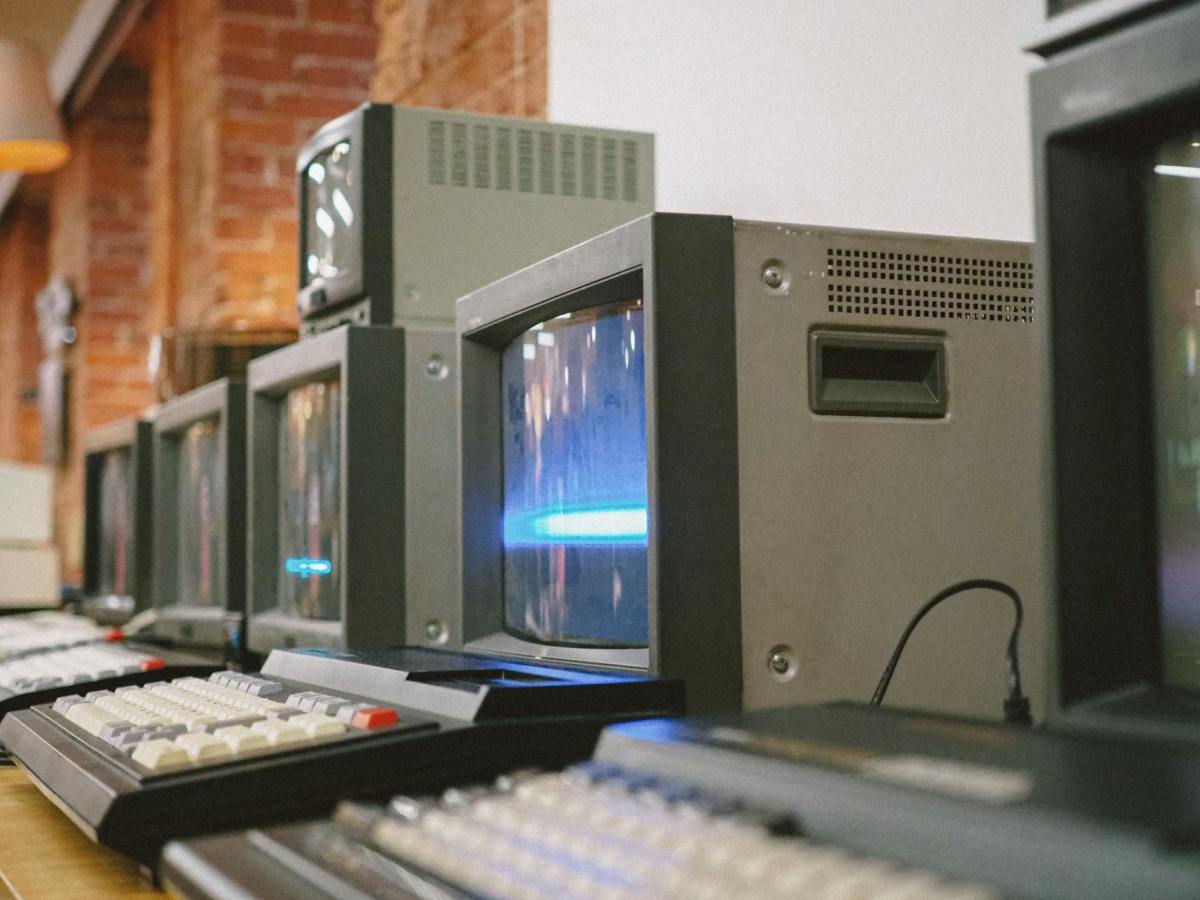
We used to dream of having a computer (not true). Massive arrays of flashing lights, panels of buttons and dials and deafening teletype machines. None of us would have known what to do with one if we had one. Any appeal would have been for roleplaying futuristic stories. The small screen gave us so many visons of the future to feed our imaginations. My image of computers was shaped by Voyage to the Bottom of the Sea, Space 1999. Blake’s 7, Captain Scarlet And The Mysterons and Thunderbirds, to name a few.

It’s nice to be nostalgic, occasionally. There was life without computers. It wasn’t so bad.

Back to the question. What would my life look like in 2025 without computers? Let’s just say – I wouldn’t be writing this answer.

Who 15

As per tradition there was a moment of running down corridors pursued by robots. Add to that the shock horror realisation that it’s bigger on the inside than the outside and the staple diet of BBC Science Fiction is playing again.

Dr Who is rolling[1]. As expected, Russell T Davies works magic with a super-fast story line. In fact, so fast that I’m going to have to watch it again to figure out exactly what the featured rift in space and time did to the plot. Thematically up to date as the main baddy in control of the evil robots was both misogynistic and AI. I’ll give something away if I reveal that the two letters AI were not what they seemed. Not only that but the robots were redeemed.

Although there was a smidgen of absurdity and an expectation that the audience would draw of decades of Dr Who mythology, the show hit the mark. Afterall it’s entertainment not a profound reflection on the state of the world. It’s colourful Saturday night drama that the whole family can watch. Although in this case there was no need to hide behind the sofa. Also, a lot of the 21stC social commentary would be lost on younger viewers.

Because the series has been running for such a long time there’s a bit of repetition that creeps in. This is not bad per-se. It’s a reminder that coming up with truly original scripts is incredibly hard. Imagination has no limits but when pen hits paper past references helps move stories along quickly.

Adventures in space and time could go on forever. All time, in fact. The subject has no limits. Each version of the Dr Who saga will be set in the context of the audience’s everyday reality. So, the Daleks were a product of nuclear war, and now humanities greatest threat comes from billions and billions of electrical ones and noughts.

Playing with humankinds’ curiosity about space and time is fruitful territory. Imagery can be fantastical and push the boundaries of video production. If anything, Dr Who is modest in pushing at those boundaries. Mustn’t forget that it’s prime time entertainment. Real space and time are far more than a headful.


[1] https://www.radiotimes.com/tv/sci-fi/doctor-who-times-release-schedule/

Laughing Through Politics

Maybe it’s not a new seam to mine. That rock of British popular culture that puts up a mirror to entertain us or even shock us. There’s always a space for the public to be tickled by the absurd or hamming up of clichéd characters. It’s struck me, particularly on rewatching British TV comedy, how what we find humorous is an indicator of how we might think more generally. Or there’s a peculiar connection.

Obviously, it would be good to look at this subject in an objective way. To see what the evidence says. However, it’s almost impossible to separate personal experiences from any general observations. Afterall, I went to school where we endlessly repeated lines from Monty Python’s Flying Circus. This had our poor teachers totally bemused. Long forgotten is the “woody and tinny words” sketch. It only took a teacher to say a woody word and we’d have hysterics.

Not that Python didn’t offer one or two educational opportunities. In imagination, if nothing else. Try “The Man Who Speaks in Anagrams[1]” as an example.

When Mrs Brown’s Boys[2] became popular, I knew we were in serious trouble. I may be a real snob, but this kind of British “comedy” is a throwback to the worst of the 1970s (almost). To me the show has no merit whatsoever. It’s a sop to a grim set of stereotypes.

Jamilla Smith-Joseph’s short article[3] does point out that British culture is one of seeing the funny side of both us Brits and those strange foreigners. Problem is that in a simmering Brexity climate, we find it so much easier to lampoon our nearest neighbours, European foreigners.

I matured from Python to then enthusiastically embrace “The Young Ones” in my anarchic student days[4]. Now, I rewatch the series and the impacts are curious. In so many ways 21st Century Brits have become tame and unadventurous. The sheer destructive energy that let rip on TV screens delighted in upsetting established norms. Now, lots of people are embarrassed by what was called “alternative” comedy at the time.

Then we grew-up and got jobs. Tony Blair came onto the scene. Born out of that period of change was such masterpieces as “The Think of It”. Hope and optimism descended into spin and panic.

Popular culture and politics do connect. Is it a mirror like refection or is it a subconscious trend indicator? Or even a driving force that sustains a current way of thinking?

British popular culture is not going through a creative period. In 2025, there’s not a lot to recommend. Oddly it’s a series that started with a low budget movie from New Zealand that I find is the best comedy of the moment. “What We Do in the Shadow[5]” is variable in places but has horrendously funny moments.

So, come on British writers it’s time to better lampoon the toolmakers son who sits on the fence. One leg here, and one leg there. Labour’s latest adoption of conservative attire is surly worth funny lines. Something original. Maybe even out of this world.


[1] https://youtu.be/Q1sXeUHBHgk

[2] https://www.imdb.com/title/tt1819022/?ref_=ttep_ov

[3] https://ukandeu.ac.uk/a-very-british-euroscepticism-the-popular-culture-politics-nexus/

[4] Yes, I really did live in a rundown brick terrace, with a hole in the wall as space for a payphone, and a dodgy builder come landlord. Carpets with slug trails and an icebox as a shower.

[5] https://www.imdb.com/title/tt7908628/

Dr Who?

I’m having to get to know Paddington. For such a long time my route into London was via Victoria station. Every nook and cranny of that enormous railway station was etched into my brain. I could go from A to B with the speed of a swift. Southern trains trundle backwards and forwards, in and out of London. For the last 8 years, I’ve been able to navigate from my doorstep to the Royal Albert Hall (RAH) in about an hour. Only occasionally being marooned in Croydon.

Once I’d discovered the BBC proms it became a regular part of my annual schedule. That knocked off August and part of September. Promming[1] is a wonderful tradition that opens access to great music of all kinds for a token sum. Standing for me is no big deal.

Last night, I travelled through space and time. A different space and time from my normal one. Now, I’m having to get to know the ins and outs of a different railway company. To some extent they have “proper” trains that go somewhere. I mean, cities in Wales and the West of England.

This was only my second BBC prom of the year. This one was going to be different. For a start it was Bank Holiday Monday. It was the main day of the Notting Hill Carnival[2]. For those who don’t know that sat on my route into Paddington and round the Central Line to the RAH.

Busy, busy, busy. I don’t know if the National Orchestra of Wales to the same route as me. They were on stage for prom 48[3]. Thankfully, GWR speedily and safely got us into London.

The buzz was infectious. Whovian community folk like to dress-up. Standing in-line outside before 6pm, conversations were about favourite monsters and the authenticity of other prommers costumes. Fantastic handmade scarfs. Elaborate purchases from e-bay. Eccentric illusions to long lost baddies. I felt grossly underdressed. That said, I shouldn’t have been surprised but the audience was about as intergenerational as is imaginable. Maybe, I should have said intergalactic. I was standing next to a would-be William Hartnell in his 20s. Further along the que there were 2 Sylvester McCoys in their late 50s, at least.

What can I say about the evening? Hat’s off to all concerned. It was a dam good show. I don’t count myself as a Whovian even if this small screen fiction has populated most of my life. I was struck, not just by the obvious theatrics but how important the music had become to the whole drama. It really does pull on the emotional strings. Story telling needs that magical music.

Standing in a crowded arena, I wasn’t for one moment frightened. Which I would have been as a young boy with a cyberman walking straight toward me. An authoritarian Dalek called for the interval. Ordering the orchestra off the stage. The revered Russell T Davies was in the audience. They played out with the Doctor Who theme.

For an evening learning a new route in and out of London, all my effort was more than rewarded. Time and space well spent. I shall now turn my hand to inventing a working TARDIS. Then I could go back and do it all again. Well, that is except for the cool breezy late-night hanging about at Reading station platform 3.


[1] https://www.bbc.co.uk/programmes/articles/3598F306c3KnN6t3x6ThKpN/what-is-promming

[2] https://nhcarnival.org/

[3] https://www.bbc.co.uk/programmes/m00224zh

DUNE Part Two

It’s long. It’s engrossing and it’s a saga well told. That was my Monday afternoon. Sat in a comfortable seat curtsey of the Everyman in Reigate. The movie of DUNE is spread over 2-parts[1]. The second part is just out. It’s release was much delayed by the strikes in Hollywood. I’d say from my viewing this movie was well worth waiting for.

The whole world of DUNE centres around the most valuable commodity in the galaxy. A flash of an explanation can easily be missed. The desert planet Arrakis is the one source of that commodity. Science Fiction has a wonderful way of taking us to fantastical worlds filled with issues that are not so far from current day dilemmas. The commodity of Spice reminds me of several sought-after substances. The exploiting of valuable commodities at the expense of indigenous life has been a hallmark industrial progress.

In the imagination of Frank Herbert civilisations exist and compete within one almighty empire. The story in part 1 and 2 movies hinges on the dreams of a young man named Paul Atreides. I don’t want to give away key plot points but he’s special in so many ways.

Themes extend over the role of brutality and war in either imprisoning people or liberating them. I guess Frank Herbert didn’t see the passage of 800 centuries as a pathway to saving us from the 4-horsemen of the apocalypse. With that in mind, he’s stollen from religious texts as much as a Shakespearean landscape of ideas and the hero’s journey from Greek myths.

The enduring nature of grand sagas that show “good” overcoming “evil” have an immense appeal. All the twist and turns along the way and the troublesome megalomania that accompanies the coming of a liberator are as fresh ever.

DUNE long precedes Star Wars. The latter is cruder in pulling the emotional hearts strings and much more simplistic. The leadership of the Fremen people and mastering of “desert power” to defeat a devious Emperor doesn’t bring universal peace. In the span of the film, the planet Arrakis is freed form the cruel Harkonnen family. That is by no means the end of the story.

The intriguing role played by the Bene Gesserit women is a play over generations where influence is maintained regardless of who’s Emperor. This poses the question of the source of religion. Does it guide the Bene Gesserit (high priests), or do they guide it?

Back to the movie. I like the way it veers from the intimate relationships between individuals to the incredible sweep of vistas and strange technological imaginations. It deals with the environment and the nitty gritty drives and motivations of tyrants and powerful leaders. Is it inevitable that concentrated power produces a dark future. If the answer is “yes” we are in deep trouble with the digital world of now. We will not need to wait for thousands of years.

My recommendation is – see it. Choose the most comfortable seat in the cinema. Go on a rainy overcast day. Don’t go if your mind is cluttered up with trivia. By the way, the list of movies coming soon is dreadful. We are going into a nostalgic remake agony fest.


[1] https://www.dunemovie.net/

Dr Who at 60

Now, I can be nerdy par excellence. It makes me nervous to the extent that there are far more knowledgeable scribblers on Doctor Who. It’s not like the internet is without a massive amount of coverage of every aspect of the time lord’s life. Although, I’m not sure I’ve seen the details of David Tennant’s shoe size – yet.

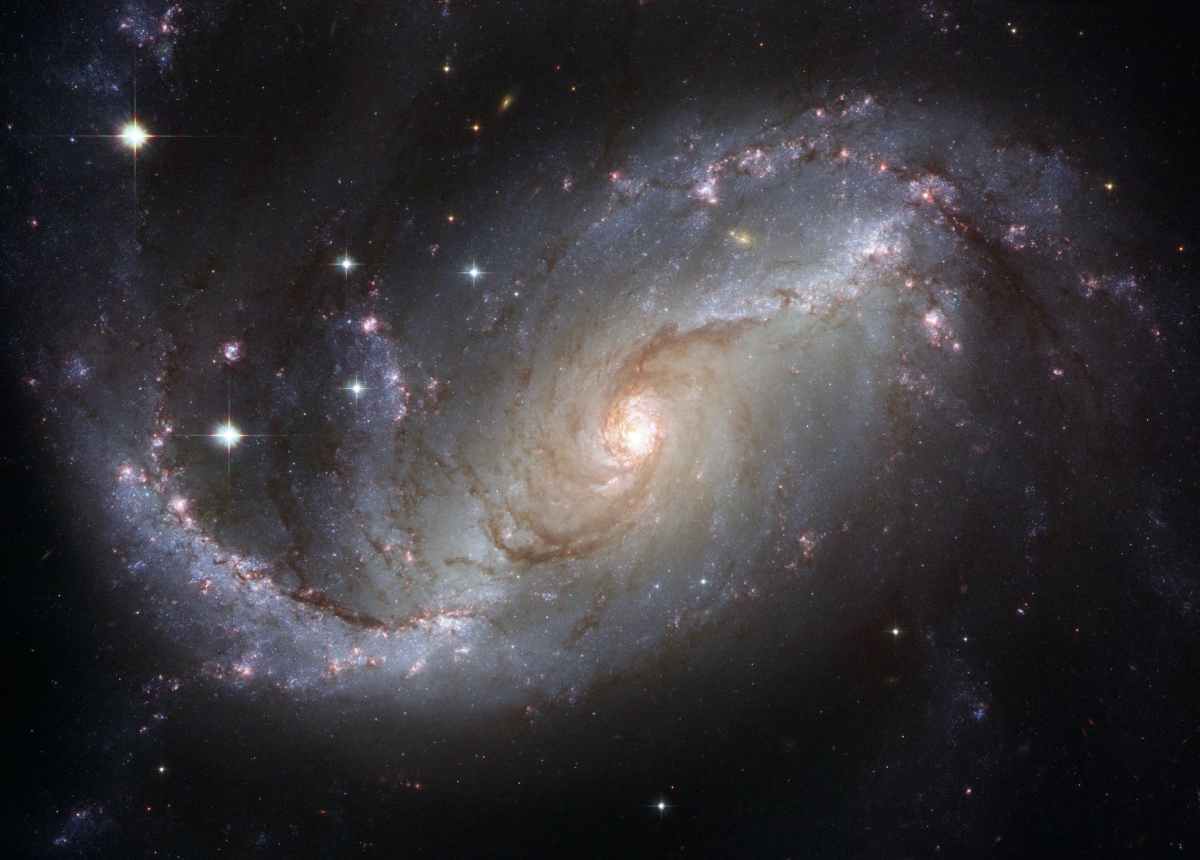
Last night, way out on the edge of the know universe was a spaceship. Somehow it got there through a random worm hole. The drama doesn’t expand as to what the enormous ship does, or why it only had one crew member or the anarchic mix of technologies.

Almost like a sketch from the Twilight Zone, the mystery mounts as we are asked to go beyond our normal understanding. That’s a good plot line, in that anything then becomes possible. So, at the edge of what exists there’s nothing but blackness ahead. Behind is everything that was ever known in space and time. The good, the bad and the indifferent. And where most of us would rather be.

The end of everything, as far back in time as it’s possible to travel in this story is not empty. A malevolent force or mystical entity hides there hoping to one day make its way forward in time to annihilate everything it finds. Malevolence is so often associated with emptiness. It’s a primal thing.

That’s what The Doctor and annoying companion Donna encounter when the Tardis goes awry. Given that it was spilt coffee that threw them to this point in space and time maybe the transport ship they encounter was an intergalactic coffee carrier or a shoe carrier. With respect to Douglas Adams.

Titled “Wild Blue Yonder” the tale told wasn’t so much blue as void of natural light. Way yonder lurked a clever and evil shape shifter. So, evil that the Tardis runs away, as it rebuilds itself. Our two protagonists were then marooned on a giant ghost ship with no idea what’s happening. Now, that’s a fine plot. Adrift in the deep darkness.

Over a series of frantic moments, the story pieces together. The original pilot of the ship turns out to be a hero, prepared to sacrifice themselves to destroy the nameless baddies on the ship. The pilot’s cunning plan was ticking away at ultra slow speed to evade the speedy thinking malevolent thingies. Distracted but feeling imprisoned the shape shifting villains put all their energies into attempting to copy The Doctor and Donna.

The copies strategy then appears to have been to hop on board the Tardis when it returned. That’s a bit of a plot flaw. Since the Tardis would presumably only return when the air of evilness had been destroyed. That’s what did happen in a wonderful just-in-time moment. Concluding the story with the destruction of the spaceship and the physical forms of the lurking baddies. Thus, again we are all saved from extinction. Open is the question of whether the lurking baddies still lurk.

This 60th anniversary special was for fans. To those uninitiated into The Doctors world, it must have been confusing. Difficult to follow. In fact, rather slow in parts. David Tennant as the 14th Doctor is the best modern incarnation. Long may the Tardis take us to the limits of imagination. It’s possible that the 120th anniversary will include a virtual world that we will be able to step into and be immersed in a vast spectacle. Good luck to those who last that long.

The Dr

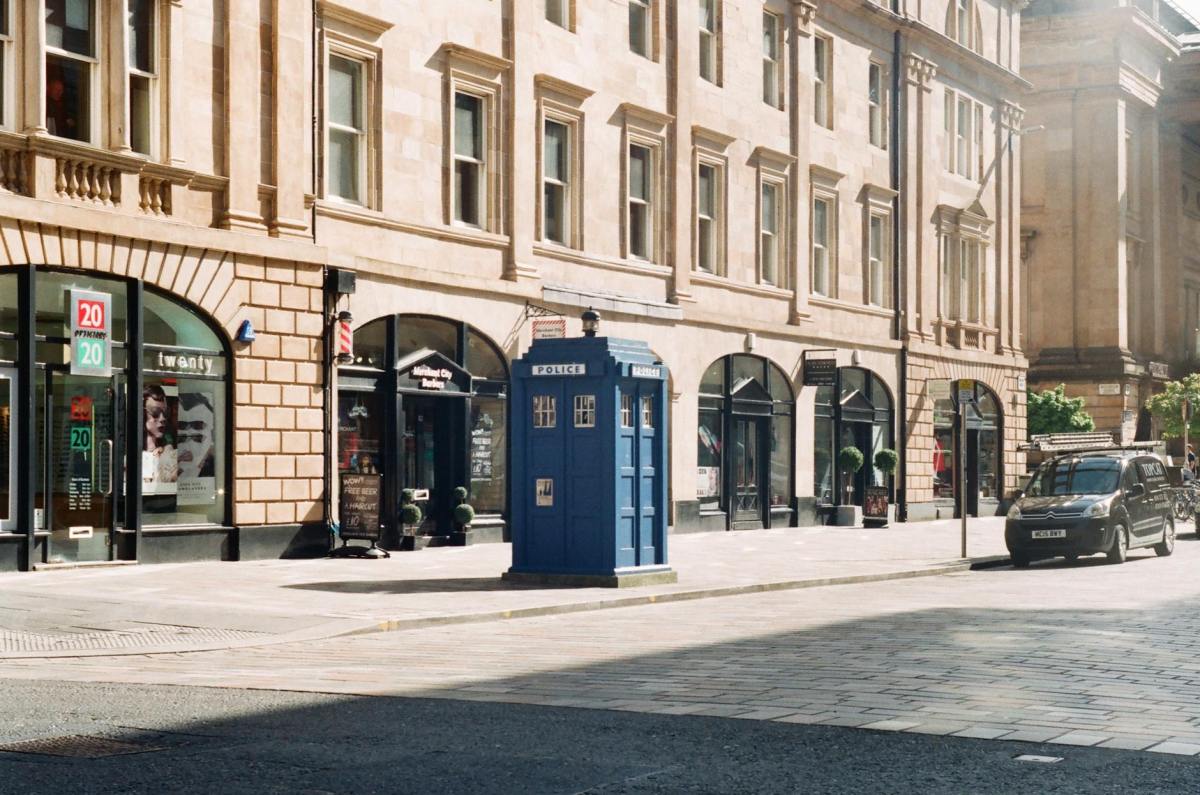
There’s something wonderfully peculiar about a time traveller wandering around the universe in a British police box. Time and space are the stuff of an infinite number of story lines. But the ones who strike a cord with us most are the humancentric ones. Our home, Earth is under threat. Humanity is in peril. Nobody knows what to do. Then stepping out of street furniture from the 1960s comes a hero. Not a muscle bound, gun toting superhero with magical powers. No, an eccentric, cerebral alien who looks like a college professor who took too many happy pills in their hippy phase. Humanoid in appearance. Wherever The Doctor goes so enemies follow, set for a final showdown[1].

Iconic features of Dr Who’s[2] life echo down through our decades. The Doctor’s vehicle is nothing like H G Well imagined. With a nice trick of being bigger inside than out it dazzles all who hitch a ride. If only we could master that transformation. I for one, don’t think it’s entirely impossible. Afterall isn’t physics up to about 12 dimensions now?

No saviour of the human race is complete without uniquely bad adversaries. Strangely enough quite a few are machine-based baddies. How in the moment is that? With increasing neurosis about what machines may be capable of in the near future. Daleks look a bit crude with what we know now. Unlike the iPhone we haven’t yet seen an upgrade to a version of the Dalek 15 Pro. I dread to think what that might do. They may have a resistance to any means of destruction.

Some Science Fiction can bore with an intensely serious inspection of our planetary dilemmas. Dr Who steers clear of that trap. Injecting humour and simple everyday relationships into the stories, the level is more connectable. One person matters, as much as billions.

My Doctor is Tom Baker. As a Time Lord, he captured that frenetic, unpredictable, jumbo schoolboy who knew no bounds. Yet, he retained a masterly command of dangerous situations. He could look stern as well as overjoyed. Never did I think that he would turn to the darkside.

My favourite evil monsters are the Cybermen. The idea that machines should decide that humans would be better if they were transformed into machines is a true horror story. It a kind of malevolent evil that doesn’t know it’s evil. It’s possible to believe that could exist.

Pure fiction, mixed with a scary look at expanding technology and always a partnership between good folk to overcome despots like The Master and singularly driven uncharitable aliens. That blend makes for wonderful entertainment. Long may television, and its replacements celebrate this combination. Regeneration has no end.

Today, it’s Doctor Who’s 60th Anniversary[3]. Happy birthday.


[1] https://www.imdb.com/title/tt0056751/

[2] https://en.wikipedia.org/wiki/Doctor_Who

[3] https://www.doctorwhotv.co.uk/doctor-who-is-60-today-99309.htm

Scary 2

My list is still open for horror in aviation. I’ve opened the door to action movies with elements of horror. I’m excluding war movies and fighter pilot romps. A dramatic scene must have a moment of suspense when everything hangs on a thread. It could be a hide behind the sofa moment or felling that all is lost, and the faint light of hope is dimming. I was tempted to include zombie movies only to quickly come to my senses and say – no. I’ve avoided Snakes on a Plane. One, because I haven’t seen it. Two, because it’s write-ups suggest that it’s too ridiculous for words. Although, it’s not impossible. It’s even happened on general aviation flights.

Here’s five more movies, ancient and modern in my private list.

There’s an adaptation of the book No Highway. With actors James Stewart and Marlene Dietrich in the movie you would have thought it would have been a big smash. No Highway in the Sky is pedestrian, but the tension comes from us knowing that metal fatigue is real. Why don’t they believe it? We know the history of the first commercial jet, the Comet aircraft.

The original Flight of the Phoenix is a great suspense movie[1]. It’s not so much horror as intensely griping. Frightening in the sense that it tells us something about the good and bad of human behaviour. The constant battle between despair and what can seem like hopeless optimism in the face of terrible odds. Through gargantuan effort, crash survivors stranded in a desert survive.

There’s something especially frightening about aircraft crashes and danger in the cold white wastes of the poles. Again, passengers and crew struggle to stay alive in freezing weather in the desperate hope of rescue. Stranded, death visits the unfortunate survivors. Ordeal in the Artic[2] is a chilling movie of 1993 based on real events in 1991.

Final Destination has simple plot[3]. A student has a premonition, he and his friends get thrown-off a flight to Europe and then when they are back in the terminal there’s a fatal crash. They cheat death. But that’s not the end. That set-up is the ultimate scary imagining. It’s the what if? It’s the question survivors of aircraft accidents must ask – why me?

The 1955 British movie The Night My Number Came Up[4] plays on a similar theme but this time a nightmare before a planned journey. A bad dream of an aircraft crash. Will it happen just as the dream predicts. You must watch to find out.

Generally, in films there’s so much pure aeronautical nonsense on display. Commercial aircraft do not fall out of the sky when struck by lightning, flight crews do not lose control at the first sign of trouble, fuel doesn’t explode for no reason and the worst of weather doesn’t signal game over.

That said, there’s an inherent claustrophobic feeling inside an aircraft fuselage. It’s like a locked room drama. Passengers are isolated from the outside world. They are dependent on pilots, engineers and air traffic controllers all doing their jobs right. There’s the potential for this set-up to be the stage for an excellent dramatic horror movie. Tales of bravery, camaraderie, and sacrifice can all spring from the most dreadful of events. Unfortunately, so many movie makers make a mess of these situations.  


[1] https://www.imdb.com/title/tt0059183/?ref_=ttls_li_tt

[2] https://en.wikipedia.org/wiki/Ordeal_in_the_Arctic

[3] https://www.imdb.com/title/tt0195714/

[4] https://www.imdb.com/title/tt0047278/?ref_=ttls_li_tt

Scary

Let’s stick with fiction. In the run-up to Halloween there’s several stories where aviation and horror overlap. Not real-life dramas but concoctions of the imagination. Even with the coolest, most experienced passengers there’s moments of apprehension when encountering strong turbulence or unexpected diversions. We know that the risks are well managed but there’s the unforgiving nature of flying. Too many things going wrong at the same time and fate takes a hand.

There are far more action movies with aviation scenes than there are horror movies. So, forgive me if I step over the boundary between the two for a couple of this collections.

Who can forget the expression of a young William Shatner as he looks out of a window to see a large gremlin on the wing of his aircraft[1]. Panic sets in but no one sees what he sees. He becomes a hysterical. Grabs a gun. Opens a window and starts shooting at the gremlin. Everyone thinks he’s gone mad. Carried off in a straitjacket. Then in the last shot there is a view of the aircraft’s damaged engine cowling. Shatner had saved the day, only no one will ever believe him.

Again, in the category of iconic is Cray Grant being chased by a low flying aircraft in a cornfield. Running from machine gun fire he hides. Then in a spectacular explosion the aircraft crashes into a petrol tanker. Hitchcock pulls out all the stops. The film “North by Northwest[2]” will always be recalled for the crop duster scene. Grant’s character, Roger Thornhill gets away with his life.

There’s the in-flight abduction scene in the X-Files[3]. Aliens attempt to abduct character called Max Fenig from a commercial flight. He’s then found dead following a fatal crash. Agent Mulder theorises that the aircraft was forced down by aliens. The NTSB accident investigator is not buying it. Then there’s the mystery of the nine lost minutes between the aircraft crash and the time on the victims’ wristwatches. Yes, it gets a bit ridiculous. All in the vein of a good X-Files story.

Scary realism in science fiction qualifies. In this case 21st century technology as imagined in 1997. First to come to mind is the cab driver Bruce Willis driving his flying taxi. The Fifth Element[4] is a polished English-language French science fiction action movie. The flying taxicabs are terrifying. Weaving chaotically through the cityscape. Not something we will see with the current plans for urban air mobility – I hope.

The telling of the drama is a frightening fiction, but the events were real. This survival film is based on a crash in the Andes mountains on October 13, 1972[5]. A Uruguayan rugby team is faced with a terrible situation. Starving passengers debate how to stay alive. Pushed to the limit they eat the flesh of their dead relatives and friends. 29 died but 16 survived. More than one movie has been made of this awful tragedy. It speaks of the human instinct to survive as much as the catastrophe.

That’s five scary movies scenes with a commercial aviation theme. I’m sure there are more – what’s your favourite? 


[1] 1963 episode of “The Twilight Zone” called “Nightmare at 20,000 Feet.”

[2] https://www.imdb.com/title/tt0053125/plotsummary/

[3] https://en.wikipedia.org/wiki/Tempus_Fugit_%28The_X-Files%29

[4] https://en.wikipedia.org/wiki/The_Fifth_Element

[5] https://www.imdb.com/title/tt0106246/