
A forensic dissection of the recent past is highlighting how major decisions are made in the corridors of power. It’s not nice to hear but it is good to hear. Transparency is a benefit of democracy. What we see is not pretty. There’s that saying about politics and making sausages being much the same. We desire results but are shocked if we study how sausages are made.
We easily get trapped in the noisy interchange between personalities. Newspaper headlines draw on our fascination of who said what and when. The more embarrassing the chatter the bolder the headline. The questions how and why are not given as much attention.
Even sampling a little of the reports of the compilation of evidence there’s a trend emerging. Much of this has to do with the way administrators, politicians, and scientist (practitioners and the theoretical) understand each other or don’t.
The classic divided between the Bachelor of Arts, Humanities and Social Sciences (BA) and the Bachelor of Sciences (BSc) is firmly embedded in our society. The divide between Oxbridge and the rest can look like a deep gorge. The divide between those who are instinctive hustlers and gamblers, and analytical reasoning calculators is uncomfortable.
Putting the above to one side, what shines through the submissions of the UK COVID inquiry is an embedded lag between events and a reaction to events. Knowledge with hindsight is wonderful. Time and time again after big events, files are taken down from a dusty shelf and on their pages is a register of risks. Within that the register is a discussion of risk of an event that has just become history. This week we heard a former Prime Minister almost admit that the COVID pandemic wasn’t taken as seriously as it should have been until it nearly killed him.
What does this say about our propensity to plan or take plans seriously? What does it say about becoming overcome or steamrollered by events? What can we do better to be prepared in future?
Lessons learned are fundamental to improving any way of working. It’s a feedback mechanism. Taking what can be derived from a crisis, catastrophe or momentous event and writing it down. Using that to make strong recommendations. Then tracking changes and moving forward to what should be a better prepared state.
We know we don’t have to wait for bad events to happen before we prepare. Our human imagination provides us with an effective means of anticipation. Tragic in the case of COVID is the ignorance of warnings that previous events had provided. The lesson from SARS[1] were know.
Maybe this is the Cub Scout coming out in me. Yes, that was part of my early upbringing in the village of Somerset. The motto of the British Scout movement[2] has a lot going for it: “Be Prepared”. Much of what goes with that motto is anachronistic, but the essence is immensely valuable.
[1] https://www.who.int/health-topics/severe-acute-respiratory-syndrome#tab=tab_1
[2] https://blog.scoutingmagazine.org/2017/05/08/be-prepared-scout-motto-origin/


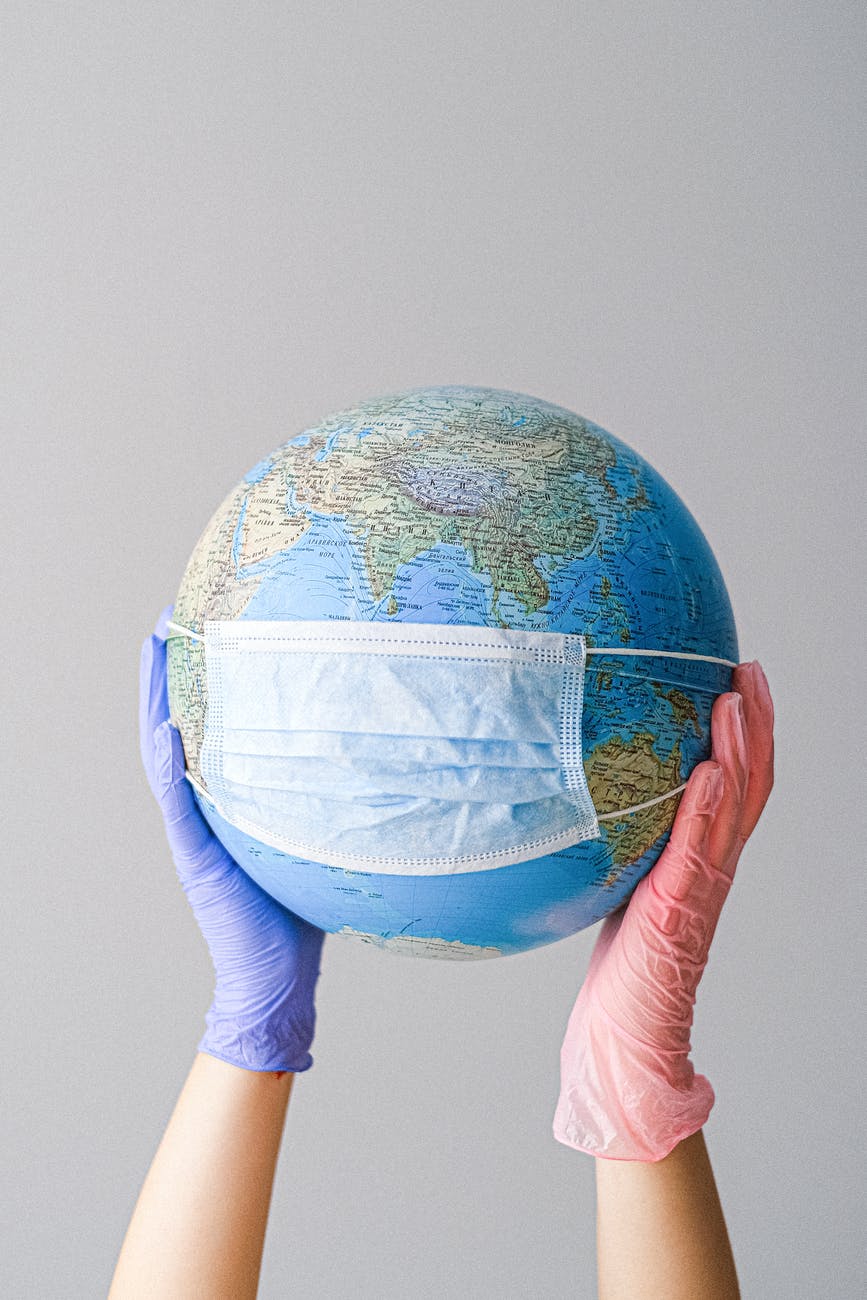

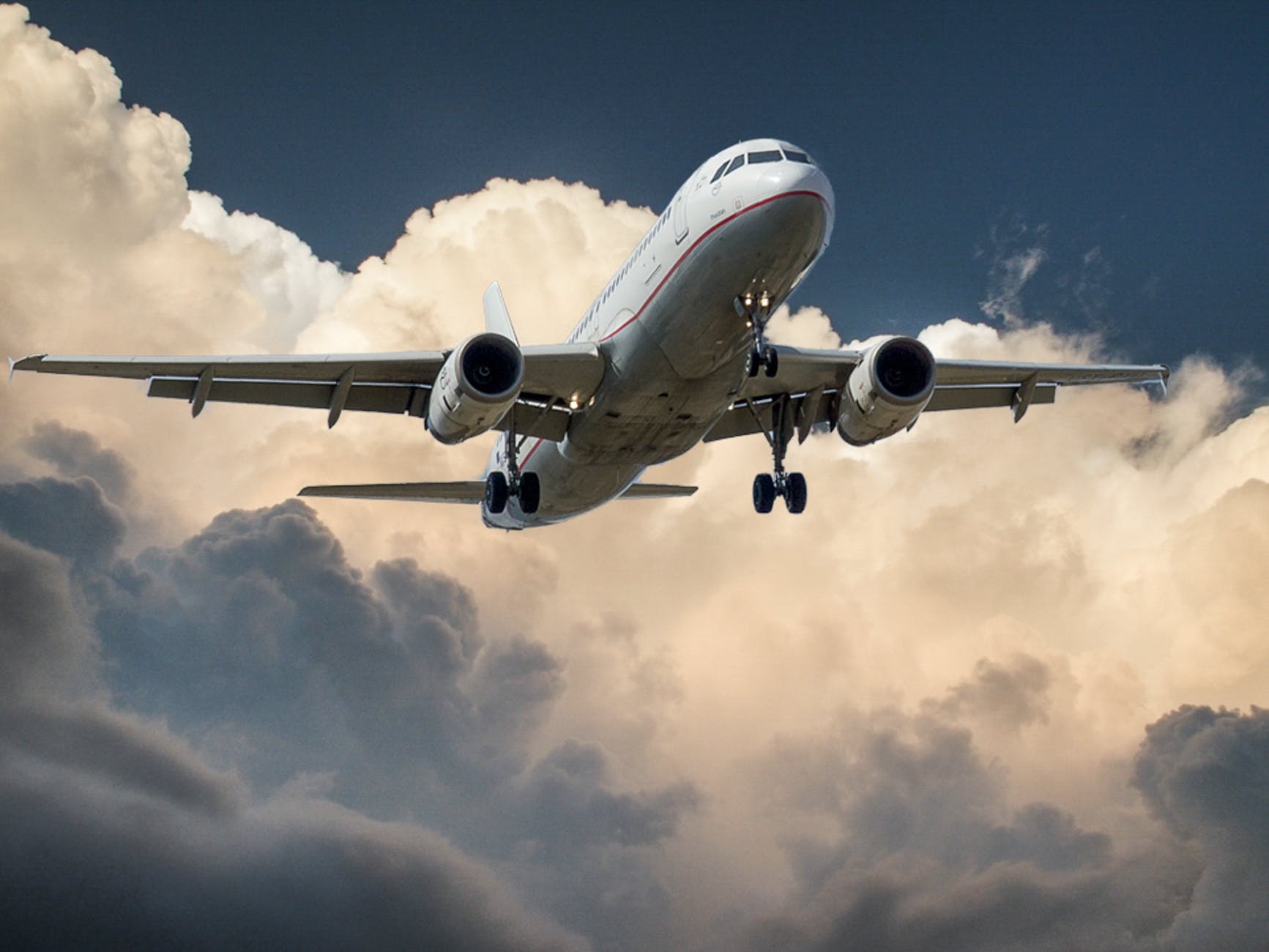
 Globally, the air transport industry supports 65.5 million jobs. The International Civil Aviation Organization (ICAO) has looked at the potential economic Impacts of COVID19 on civil aviation
 John Vincent