The Revolutionary Role of Hydrogen

Hydrogen has a history with aviation. What could be better. A gas that is so light. So easily produced and with no need heat it up. With a lightweight gas-tight bag and a fair amount of rope, balloon construction took-off. Literally. The proof that hydrogen gas could lift a balloon goes back to the 1780s in France.

Sadly, the downside of this gaseous element is its propensity to combine with other elements. In fact, where would we be without liquid water. On this planet, that most basic and prolific combination of hydrogen and oxygen. Not so much sadly but more luckily.

Step forward about 250 years and we have a different vision for hydrogen in aviation. If it’s combined with the oxygen in the air that we breath, we get nothing more noxious than water. Since, the other forms of combustion, that populate our everyday lives, is distinctly noxious, surely hydrogen has a lot to offer. Talk about downsides. Burning fossil fuels is distinctly unsustainable. Polluting the atmosphere.

This week, I was looking out to sea. At the English Channel (No name changes there, I see). Standing on the pebble beach at Budleigh Salterton. They ought to have an award just for that name. It’s a small seaside town in Devon. The towns cliffs are part of a World Heritage Site, namely The Jurassic Coast[1]

Forget the 250 years of humans flying, cited above. About 185 million years of the Earth’s history is for all to see on the Devon and Dorset coast. When we say “fossil fuels” what we mean is that we are living off the back of Earth’s history. Society powers modern life on dinosaur juice. Well, not exactly but plant and animal life from hundreds of millions of years ago. How crazy is that?

Hydrogen, on the other hand, is one of the most abundant elements. It’s everywhere.

Modern day dinosaurs (politicians and pundits) insist that we continue to exploit dinosaur juice until it’s all gone. That’s putting aside any concerns about returning all that carbon to the Earth’s atmosphere. Carbon accumulated over millions of years.

Hydrogen can be a clean fuel. The problem is that saying that and then doing it are two different things. There are complexities that come with using Hydrogen as a fuel. It might be reasonably easy to produce, in multiple different ways, but it’s not so easy to transport.

Producing leak proof systems for transport and storage requires innovative thinking. We can’t just treat it with the familiarity of conventional fuels. Whole new regimes are going to be needed to get Hydrogen from where it’s produced to where it’s needed.

Producing leak proof systems for aircraft is a challenge. Given the odourless and invisible nature of this light gas, accurate and extensive detection systems are going to be needed. If the gas is to be consumed by fuel cells to produce electricity, then there’s going to be a constant struggle against complexity and significant expenditures.

What is reassuring is that none of the above is insolvable. At this time in history, we have the materials technology and control systems that make Hydrogen a viable clean fuel.


[1] https://jurassiccoast.org/

Electric Aviation: The Promise of Clean Flight

Electric aviation is not new. Not new at all. The engineers of the past struggled with two factors. Power and weight. A French electrically powered airship was the first aircraft to make a controlled circuit. On 9 August 1884, it flew a circular course of 8 km at a max speed of 14.5 mph. Its electric motor weighed 100 kilograms and its battery weighed 263 kilograms.

It’s not a problem to be able to distribute or use electrical power on-board an aircraft. The problem come in generating enough of it from a reliable source. Today’s “conventional” civil aircraft generate and use large amounts of electrical power. For example, the Boeing 787 has two starter/generators per engine[1]. Electrical power from the generators goes to four alternating current (AC) electrical distribution buses, where it is either sent for use as is (235 V AC) or converted for use by the aircraft systems that need it.

A revolution is taking place in electric aviation. It offers the opportunity to fly cleanly. That said, the traditional technical challenges remain the same. Power and weight. In 140-years battery technology has advanced considerably. But is that enough?

A difficulty that battery powered flying is stuck with is that at the start and at the end of a flight the batteries weigh, more or less, the same as they did from the day of their manufacture. Today’s “conventional” civil aircraft consume fuel. Thus, they are significantly lighter at the end of a flight than they are at the start. Airframes can be designed to take advantage of this fact.

One of the up sides is that a good electric motor can get to an efficiency of 80% whereas a turbo fan engine comes in at around 35%. That sound great until we look at the amount of energy we can store within a given volume. Jet fuel packs a punch. To get the same punch from an electrical battery it would likely be 15 times the size. That’s not good for a practical design. The low battery energy density coupled with the high weight of batteries means that this strategy for large aircraft needs to be put to one side for now.

A modern aircraft engine like the CFM International LEAP, can develop a max take-off thrust of over 30,000 lbf. Two of those engines can safely accelerate a Boeing 737 or Airbus A320 with ease and cruise with good economy. Thus, electrification of the propulsion of this class of aircraft is a long way off. The nearest possible future for propulsion of a B737 and A320 sized aircraft may be hydrogen based.

This explains why the drawing boards are full of small electric aircraft designs where performance demands are more modest. There’s a hope that the continuous development of battery technology will provide year on year gains. Much more than aviation alone demands that battery technology advances.

Developments in hydrogen-electric aviation are catching the headlines. Much of what has been achieved is experimental. I look forward to the day when hydrogen is not used to fill airship gas bags but becomes the life blood of transport aviation. It’s conceivable that will happen in my lifetime.


[1] http://787updates.newairplane.com/787-Electrical-Systems/787-Electrical-System

Electrics & Mechanics

Yesterday, I wrote on LH2. The potential fuel for electric aircraft of any size. Yes, I’m not just talking about smaller commuter class transport aircraft.

Let me take some anecdotal evidence from the transition that is going on in road transport. Repairer turns up to fix an electric car that will not start. It’s a simple matter given that the car has been standing unused for a long time. The battery had discharged. A quick charge from another battery pack and all is well. Meantime in conversation it’s clear that the repairer hates working on electric cars. I could say, no surprise, they were trained on combustion engines and have been forced to make a transition in technology.

What’s evident here is the apprehension of a person who likely has a mechanical bias towards their work and the necessity to take on fixing powerful electrics. Mechanics, those who love working with moving parts, often have a dislike of electrics and electronics. It’s an engineer’s “feeling” expressed to me casually over the last 40-years.

In fact, it can be the reason that a design or maintenance engineer took the career path that they did. There is a dividing line between mechanical engineers and electrical engineers that is embedded in our institutional, educational, and training systems.

So, there’s two practical human issues to grapple with in a transition:

  1. Propensity of one branch of technically capable people to find mechanical work less fearsome and more satisfying than electrics or electronics, and
  2. Streaming that is embedded in our institutional, educational, and training systems. Qualifications and recognition are often not so multi-disciplinary focused.

I’m not for one single moment making a luddite argument that mechanical engineers[1] and electrical engineers[2] are two tribes that must be kept apart. Far from it. What’s more important is to recognise that transitions are hard.

New electric aircraft are going to demand technical people with a multiplicity of both mechanical and electrical knowledge. The way the engineering world has been divided up in the past doesn’t cut it. Some of our most cherished niches will need to be challenged.

Transitions of this nature always take much longer than is originally anticipated. In a way, that should be such a surprise. It’s a generational change for a community that can be conservative with a small “c”.

This is NOT business as usual. For example, handling powerful 1000-volt electric technology is not for everyone. Removing and replacing cryogenic plumbing is, again, not for everyone. The hazards are clear. The skills needed are clear.

Reorienting the aircraft maintenance engineering world is going to need new plans and programmes. Better start by enthusing people about the change rather than just forcing it.


[1] https://www.imeche.org/

[2] https://www.theiet.org/

Smart

One of the most irritating peak-time adverts on British TV, now, is the one where a fake Albert Einstein wibbles on to a fake dog in a hideously fake humorous manner. It’s condescending and preachy. What on earth the Albert Einstein has to do with household energy meters I can’t imagine. His famous equation is more useful for making nuclear bombs than measuring domestic power consumption. You might think the great man was an annoying Italian computer gaming character.

The smart meter is pushed on the basis that “you can better manage your energy”. I expect that’s true in most cases when they work well. I’ve had one for some time. We recently changed energy supplier. Guess what? In the transition I had to throw away an indicator and replace it with another.

In the news are reports of defunct smart meters causing people concerning problems. Smart meter mode means a meter can automatically send readings to an energy supplier. When they don’t work, lack of meter readings opens the door to energy companies making up bill estimates often to their advantage.

When I informed our power company, I got an education that put me right. Can’t possibly call the whole system a smart meter. No, that would be wrong. So, says the company:

“The smart meter you are enquiring about is actually an In Home Display, the smart meter is the meter on the wall.”

That informative reply reminded me of the Not The Nine O’clock sketch set in a gramophone shop. Foolish householder not knowing that it’s called an In Home Display (IHD). The smart meter is installed on the wall.

I’m in support of energy saving and the role an intelligent meter can play in monitoring the use of domestic energy. What are they trying to do – put me off?

Long gone are the days when meter readers knocked on the door and with a cheery smile jotted down the gas or electricity numbers in the understairs cupboard.

Now, I see the claim is that the “vast majority” of smart meters are operating as intended. That’s good. Those words mean about 88% according to a BBC report[1]. That sounds fine but what about the 12% who are in limbo? That’s not an inconsiderable number of people.

The roll out of smart metering technology started in 2011. There’s a first-generation and second-generation set-up out there in homes. A lot of work has been done to sort out communication problems. However, network coverage is not universal. Those connection issue are familiar to anyone with even the best mobile phone.

The BBC report is right to highlight problems. There ought to be a bigger focus on a plan for maintenance of the system as much as pushing new smart meter installations.


[1] https://www.bbc.co.uk/news/articles/cz9zqn77ezno

EVs

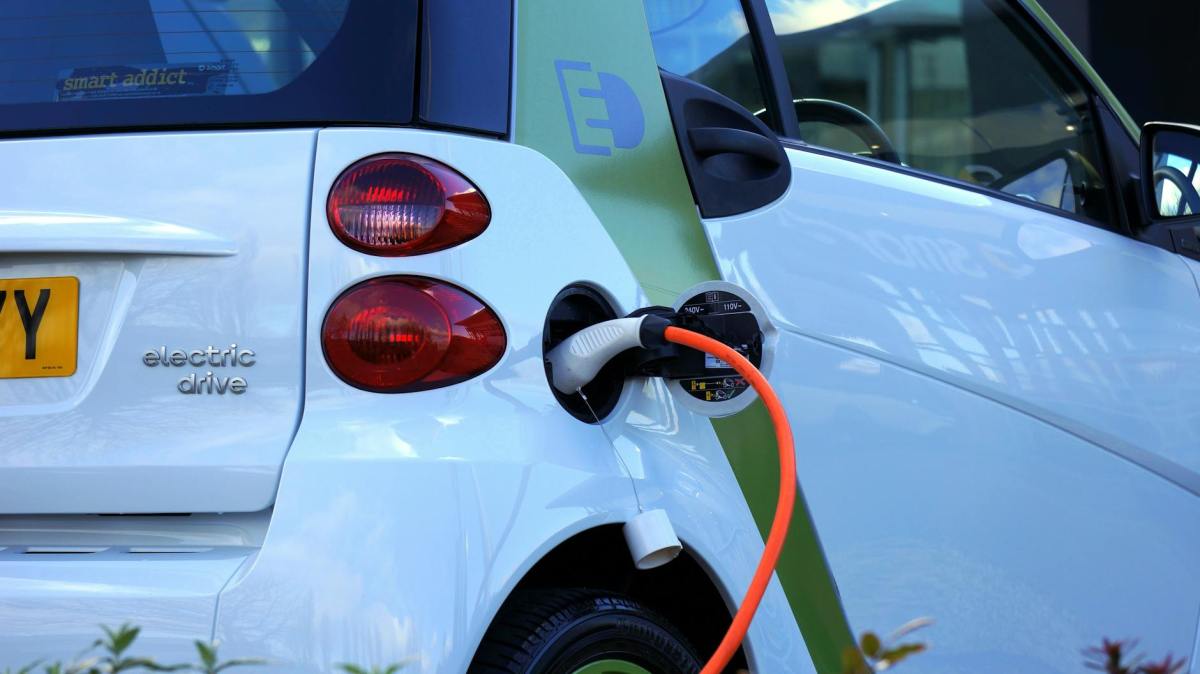
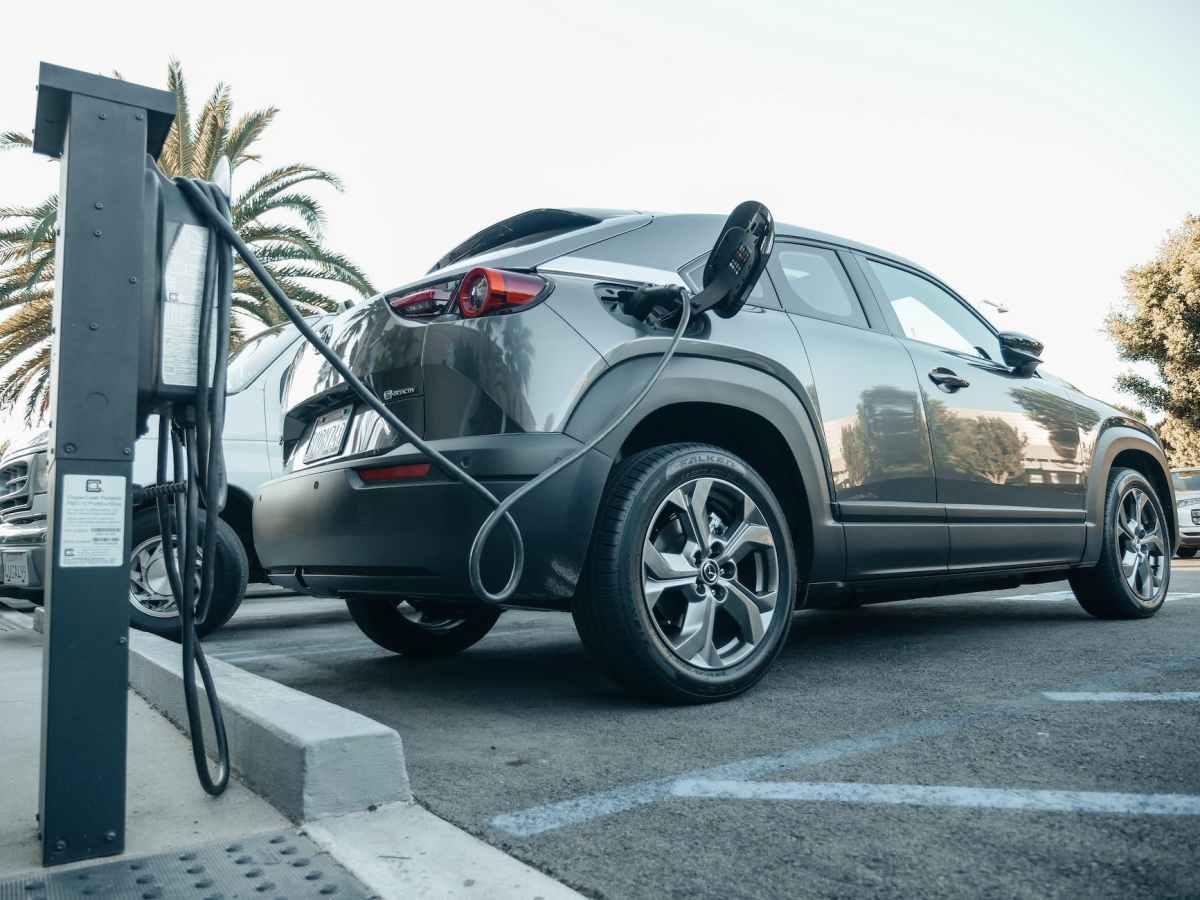
I do find the anti-EV campaigning on social media a bit peculiar. It’s a bit like the arguments for smoking that were made in the 1950s and 60s. Combustion engine vehicles are slowly but surely going to become history. The time for that change is the subject that should be discussed and not whether it’s a good idea or not[1].

One “argument” out there is that adding together all the elements that make-up an electric vehicle there’s a lot of environmental cost in their production. There’s no doubt that nothing is for free. For example, mining lithium and cobalt are not nice in every respect. There’s the concern that demand could quickly eat-up global supply too.

The “arguments” I’ve seen fall apart when considering not only the vehicle production environmental costs but the lifetime costs of an EV when compared with an internal combustion engine vehicle. 20-years of belching out toxic emissions stacks-up. 20-years of using renewable electricity is a far better solution. In theory the potential for recycling valuable materials is high with EVs too. However, we have yet to see if that works successfully in practice.

Other “arguments” look to demean the performance of EV’s when compared to conventional vehicles. Naturally, the time taken to recharge is one of the biggest gripes. For a conventional fuelling at a petrol station a tank can be filled with 500 miles worth of fuel in 15 minutes. For a current EV more preparation, planning and patience are needed to achieve a lesser range.

Some EV performance figures are far superior to conventional air breathing vehicles. Acceleration is one. Powerful electric motors unencumbered by complex mechanical transmission systems react immediately to demands[2]. EVs use power better.

There’s another gripe or moan and that’s about weight. Taking two comparable vehicles, in performance terms, the electric one will be heavier. That’s the technology we have now.

It’s a different kind of weight if that makes any sense. What I mean is that an EV is roughly the same weight whatever the state of the machine. Whereas a vehicle that uses liquid fuel varies in weight according the amount of fuel on-board. Of course, all vehicles vary in weight depending on the payload they carry (goods or passengers or both).

What’s a little difficult to take from the anti-EV lobby is that those who complain about EVs impacting roads, due to their weight, are rarely the same people who express concerns about heavy diesel delivery trucks or Chelsea tractors thundering down residential roads.

There’s one hazard that must be managed for all types of vehicles. A view of a serious fire involving either an EV or a conventional vehicle quickly shows what that threat can do. What we have now less experience dealing with EV fires. They can be severe and difficult to supress.

Regulation is often reactive. The fire threat is real. In this case maybe we do need fire suppression systems in integrated household garages. Multistorey car parks packed full of EVs are going to be a real challenge if a major fire sparks off. That said a fire started with a “diesel-powered vehicle” can be just as challenging[3].


[1] https://www.ft.com/video/95f86c5d-5a94-4e63-bbe8-6cc5ffb59a2b

[2] https://www.caranddriver.com/features/a38887851/why-are-evs-so-quick/

[3] https://www.bbc.co.uk/news/uk-england-beds-bucks-herts-67077996

Short-sighted

None of that comes cheap.

OK. Why are mini-nuclear power stations such an irrational idea? The industry is selling these untried, untested power station as completely unlike that which has gone before. A Conservative Minister has been echoing their marketing brochures.

Let me say, with power generation there are some basic realities that remain the same.

Fuel must be transported to power stations and waste must be removed from them on a regular basis. For coal, that was the reason for the sitting of large power stations in the past. For gas, there was more flexibility in location, but the costs of transportation still needed to be minimised. For such innovations as waste-to-energy plants, proximity to the source of waste presented a major problem. Neighbourhoods rarely invited these plants to be built close by.

Spreading the distribution of nuclear fuel and waste around the country doesn’t sound like a good idea to me. Cost of transportation are high. Safety is paramount. Security is always a grave concern.

Now, I understand the need for limited numbers large-scale nuclear power stations. They provide a reliable base load when the renewable sources of power are not available. The wind doesn’t blow.

Although, there are a variety of different international companies in the nuclear business the notion of a “free market” in the conventional sense is not a real prospect. The investments needed to be competent and meet regulatory requirements in the nuclear business are huge. Projects are there for the long-term. A whole working career of a nuclear engineer may be locked to one technology.

Experience has shown us that a goal of zero accidents rarely delivers a reality of zero accidents. These are complex engineered systems. It doesn’t matter if they are big or small the complexities remain. Yes, safety can be managed in a safety critical industry but there had better be preparedness for worst possible outcomes[1]. With these nuclear plants decommissioning and recovery from significant incidents of contamination must be accounted for in any design, implementation, and operation. None of that comes cheap.

Overall, in Britain there are much better paths to travel than the mini-nuclear one.

It absolutely astonishes me that, given the enormous tidal range of the Severn Estuary[2] we have never captured the energy of those waters. Equality in a nation, with a coast as large as ours, we have only ever dabbled in wave power[3]. Let’s have some genuine innovation. Let’s think like the Victorians and build for the long-term.

Why are we so incredibly short-sighted in Britain?


[1] https://www.bbc.co.uk/news/world-13047267

[2] https://en.wikipedia.org/wiki/Severn_Barrage

[3] https://en.wikipedia.org/wiki/Salter%27s_duck

Next Please

There’s no celebration. No fanfare. Today, the UK get a new PM. The 4th in 6-years. We have seen Cameron, May, come and go. Now Johnson is going in favour of Truss. If there’s a celebration, it’s that Johnson is going out of Number 10 Downing Street. The removal van is, no doubt, fully laden.

This is a transition that needs to be made as quickly as possible. For too long the Johnson cabal has been lingering and doing little of any use to the nation. However, the jobs are distributed it’s a time when decisions must be made fast, but with a degree of smart flexibility.

Truss has none of Johnson’s ability to bluff and shtick. The new PM has a delivery that’s wooden and gaff prone. Nevertheless, Tuss has beaten others who would dearly love to be in the hot seat. Although, there’s good reason to question why anyone sane would want to be PM in September 2022, given the vast size of the in-tray that is waiting.

Smaller taxes and smaller Government may have been Truss’s shop window to Tory members but that’s not what’s necessary to dig the country out of the doldrums. This is a time for intervention. We have markets that are actively working against the interests of the British people.

Denying the aftereffects of Brexit also needs to go in the dustbin. It’s only by recognising a problem that a better path can be taken.

The last thing we need is a laissez-faire leadership. The textbooks of the Reagan era do not contain the solutions to the problems of the 2020s. Immediate changes to the energy market are needed. Regulation is a major part of those changes. Not micromanagement but structural change. The accumulation of huge profits because of our peculiar regulatory structure can’t continue.

On this momentous day, change must happen. However, as a word of caution, that transformation must not disregard the real and urgent nature of climate change. If our hot summer wasn’t an indicator sufficient to catch the attention of the new PM, and whoever is appointed as energy secretary, then look at what’s happening in Pakistan[1].

Winter is coming. Short-term measures must prepare us for winter, but the long-term perspective is vital. Not only do we need to decarbonise but reducing demand for energy for heating is achievable. For too long the benefits of improving Britain’s housing stock have been neglected. We don’t need more spiel and the hands-off approach should be for the dustbin.


[1] https://www.msn.com/en-gb/news/world/pakistan-floods-more-than-450-children-killed-in-e2-80-98horror-show-e2-80-99-with-death-toll-feared-to-rise-further/ar-AA11uXnL

Sun & Wind

My morning routine includes switching on the radio. That already marks me down as being of a certain age. News and current affairs isn’t always a cheerful way to start the day but, at least, as a result I feel a bit better informed about the world and its ways.

Listening to Vince Cable[1], at the end of the BBC’s Today programme this morning[2] I agree. [At run time 2:37]. Sir John Vincent Cable, yes that makes me even more inclined to listen to him, has a wealth of knowledge and experience and puts his case well.

Yes, we have had four major shocks to the British economy. The banking crisis, Brexit, COVID pandemic, and war in Europe. Amongst these Brexit was self-inflicted and has cost the UK a great deal. To lump on top of all that we have had incompetence in Government the like of which hasn’t been seen for decades.

The blatant idiocy of suggesting that the answer is fracking to produce more gas and more exploratory drilling is needed are the ultimate in short-term planning. The UK is not the US. Believe it or not, there is a global climate crisis and burning more fossil fuels makes it worse. Short-term planning is one of the reasons that the UK economy is underperforming. Proposing more of that approach is to further embed reckless incompetence.

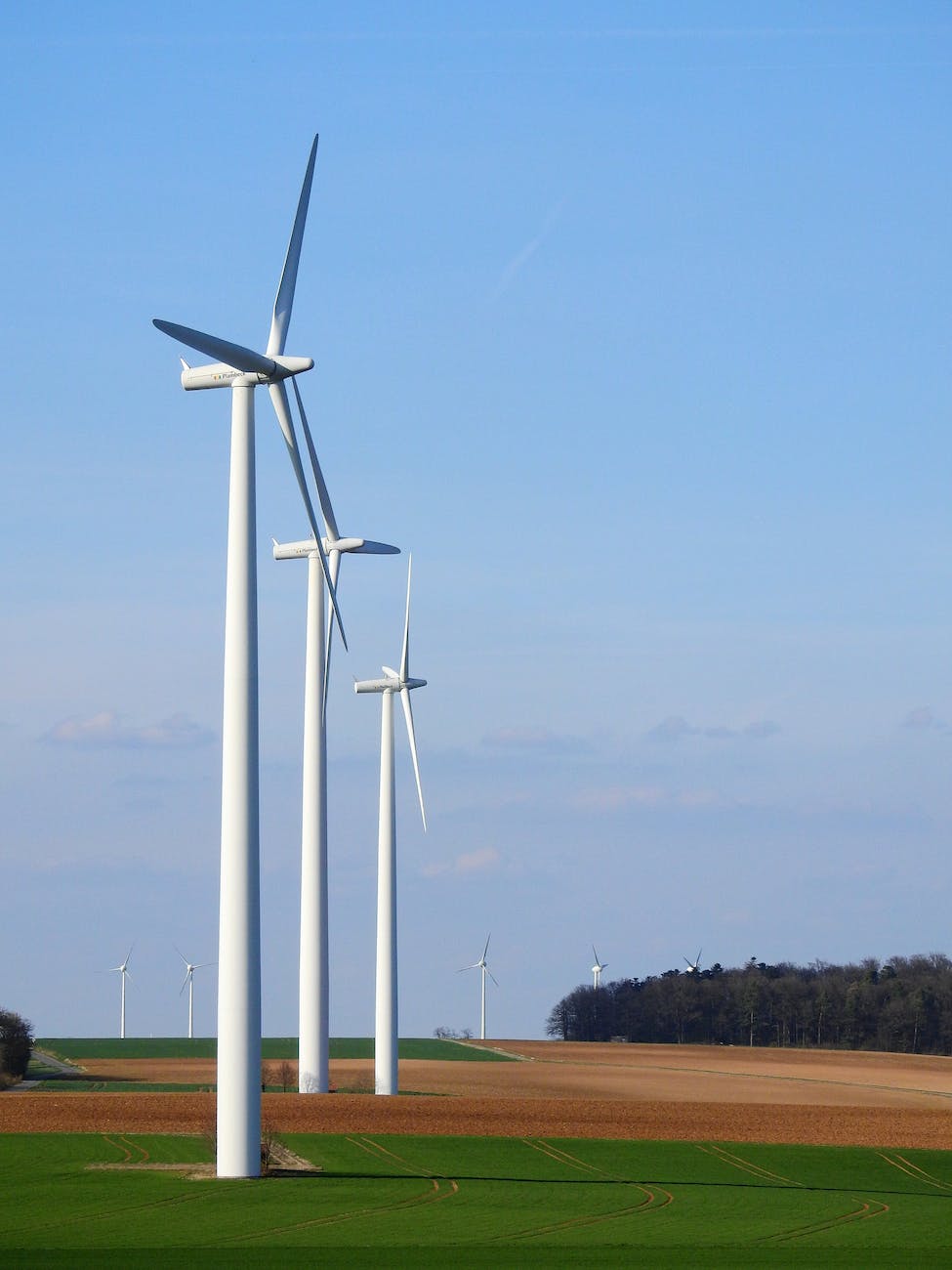
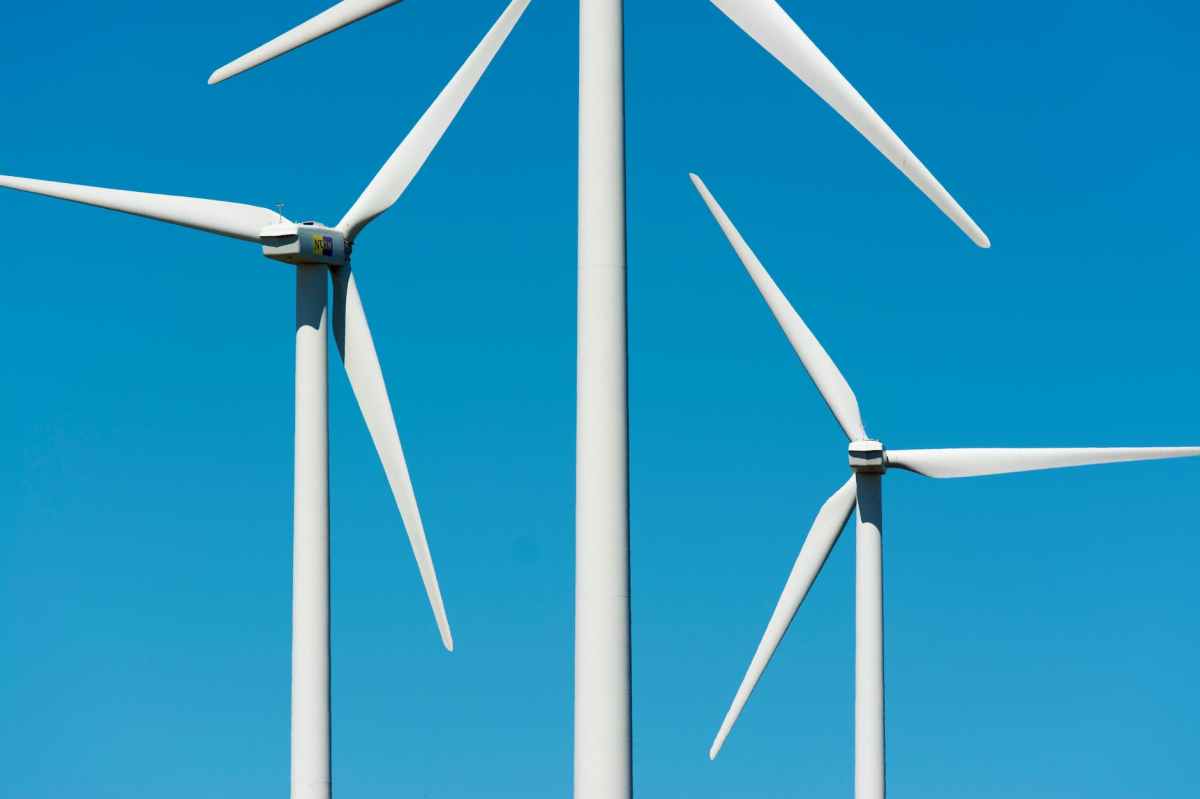
Vince is right. We should make it easier to build onshore wind turbines in the UK. I’m not saying completely deregulate the planning systems. That would be entirely foolish. However, in local development plans we have ridiculous absurdities that name wind turbines and solar farms as a particular danger to the character of the landscape. So, any proposal that is brave enough to come forward gets slapped down immediately. Local politicians run for the hills.

Like all such regulatory issues, there needs to be a balance struck. There are numerous places in the UK were wind turbines and solar farms have a great deal more positive impact than negative. Proposals for renewable energy developments should be given a leg up. The UK is blessed with renewable energy assets in wind, seas, rain, and enough sun to make a difference.

I am first in-line to defend the beauty of our countryside but not everywhere is equal in that respect. Not only that but compared to nuclear power stations of any size, wind turbines and solar farms can be removed after a life of service with little sign of their former presence.


[1] https://en.wikipedia.org/wiki/Vince_Cable

[2] https://www.bbc.co.uk/sounds/play/m001bbsv

Energy cap

The letters “Of” have been used as shorthand for “Office of” in the names of several regulators in the UK. There are at least two of them that are gaining an unparalleled reputation for incompetence[1]. Maybe, I’m being unfair. Afterall, a regulator can only do what the legislation that created it will permit it to do. They are not lawmakers. They can only interpret the law in respect of their own responsibilities. That law, however amended, is relatively stationary in the face of events.

One way of explaining what has happened is to admit that the ethos and rules in place were devised to serve past times. In the world of services provided by industry, the environment has changed dramatically, in more ways than one. A cacophony of events, Brexit, recuring political ineptitude, war, and climate change have made the framework created for British regulation obsolete.

It’s like trying to use a Thatcher / Blair era computer in the world of today’s internet and mobiles.

Now, what’s clear is that we have a bunch of Ministers who haven’t a clue what to do when faced with this problem. Conservatives keep a picture of Sid[2] on their bedroom walls.

The call has come from the Greens to nationalise everything[3]. This too is an inept solution to current problems. This was the dogma that Labour once held dear. How the political landscape changes.

Despite the calamities befalling us, we must get off fossil fuels. Again, Conservative politicians are on the wrong page. Britons needs encouragement to switch and insulate[4] not to stoop to fossil fuels industry lobbyists. The notion that the solution to a painful recession is to burn the future is absurd.

Let’s get out of the rut. Defending, and being constrained by a framework of organisation that’s out of date is no use to anyone. That is why the Liberal Democrat proposal to freeze the energy price cap is a good start. We desperately need to buy time, with escalating inflation, to come up with a new regulatory scheme. One that works for customers. One that works for the environment. One that works for you and me.


[1] Ofgem – the Office of the Gas and Electricity Markets and Ofwat – the Water Services Regulation Authority

[2] To encourage individuals to become shareholders, the gas privatisation offer was advertised with the “If you see Sid…Tell him!” campaign.

[3] https://www.bbc.co.uk/news/uk-politics-62577830

[4] Home insulation has been slashed by the current Government