Next Day

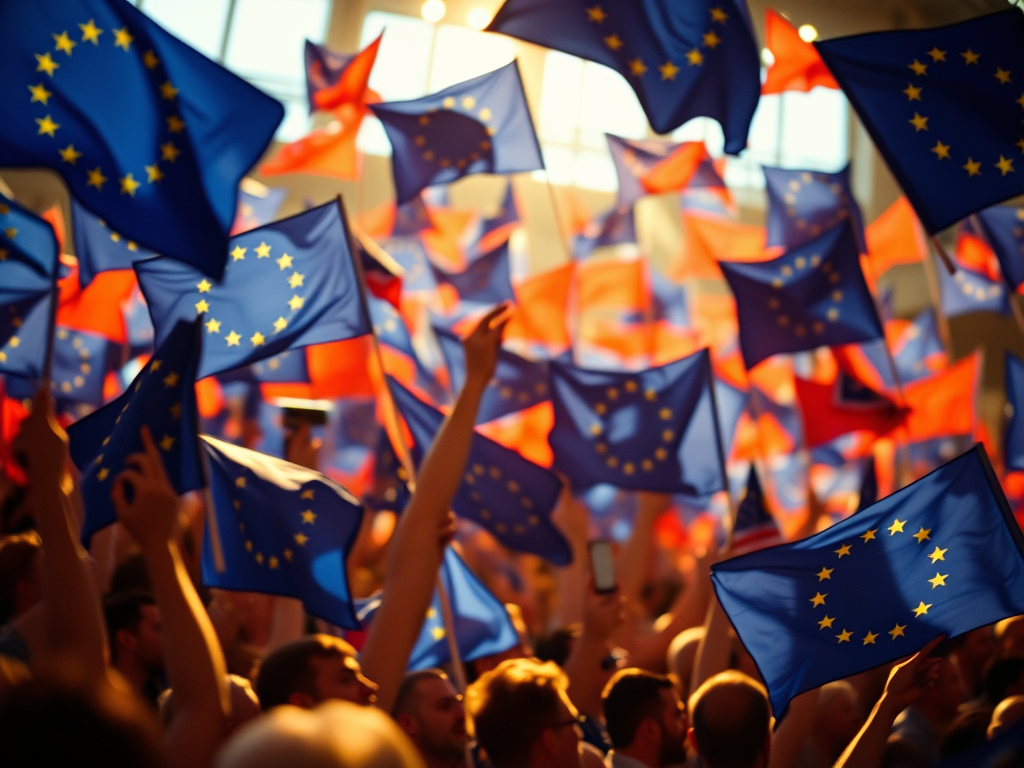
It’s that moment when I pile-up used elastic bands, I know the election is over. The recycling bin is full, and I must remember to put it out on Sunday night. Sorting out one or two mementos to keep. Saying “Thank You” to a few important people. Watching the analysis of the results.

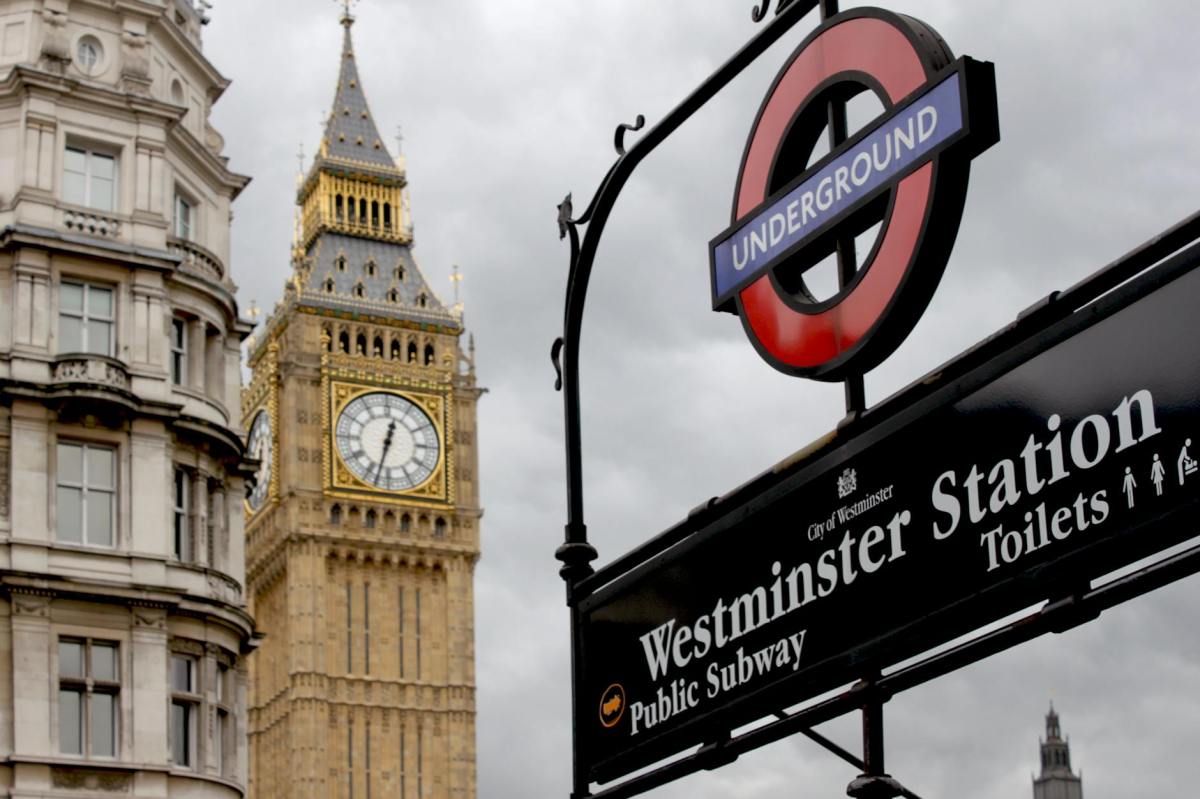
The UK General Election results are declared. Once again, everyone knows the lay of the land. That national barometer of politics has indicated the weather for the next few years. I never say, next 5-years, given what has happened in the recent past.

Has the election’s outcome sorted out how we feel and think about the big issues facing us? Up to a small point. It’s reality. The issues that faced us yesterday are now going to be sitting in the in-tray of the incoming administration. What we can hope for, is that the administration will be competent, or at least a great deal more competent that its predecessor.

Having been up until well past 3am, my facilities for making insightful comments are somewhat lacking. There is a headful of moments that have flashed by in the last 24 hours. Delightful, taxing and slightly strange moments. Like the person who said – don’t worry I am going to vote. I’ll be there tomorrow. As if the polling stations are always open if you will them to be so.

There’s also this embedded expectation that a candidate should think the same way a resident thinks. I know it’s often labelled representative democracy. But if every candidate thinks the same way as every one of over 70,000 individuals, then they are going to have a mental overload the like of which is unimaginable. Frankly, we don’t have a representative democracy. Members of Parliament are not delegates. Nevertheless, the basic expectation sticks.

For a Liberal Democrat, like me the evening and morning was full of reasons to cheer. So, many constituencies turned away from the Conservatives and towards the Liberal Democrats. I will be, in respect of one set of figures, downbeat. Looking at the aggregate numbers of votes for each political party across the whole country there’s a message. It’s not a nice one.

Just as in France the right-wing populists are clocking up votes so are the same types of people clocking them up in the UK. For once the First Past The Post (FPTP) electoral systems has had a relatively positive impact. Spread thinly across England, the populists haven’t been able to win a lot of parliamentary seats. The Greens are in the same place. The difference between the two is that the right-wing populists have accumulated more national vote share. That’s scary.

One other notable thought is about nationalism. Given the way the poll has panned out, nationalists are going to be on the back foot for a long time. The United Kingdom isn’t in jeopardy. Their leavers of influence are somewhat reduced.

Now, I’m fumbling around trying to get back to where I was before this summer election was called. Bet Sunak regrets his choice of dates. All those things that got put-off can no longer be put-off. Time to put out the trash and get back to “normal”.

Service

The subject of national service, and its reintroduction is part of a memorable Yes, Prime Minister. “He thinks it’s a vote winner[1]” and so, apparently does our current PM.

This sketch is a wonderful example of how someone can be hood-winked into saying “yes” to something regardless of circumstances, or the foolishness of the idea. It’s comedy genius. Sadly, it’s reality in this early stage of campaigning for this UK General Election.

Conservative PM Sunak’s knee-jerk proposal to reinstate national service falls apart like a toilet roll falling in a bath of cold water. Layer by layer the logic crumbles, with any scrutiny.

For one, how come £4 billion can be found at an instant for something previously ignored. Frankly, anything that resembled civic service has been consistently rundown over the last decade[2]. Not to mention the massive rundown in youth services over a couple of decades.

It might be wise to ask if the UK military want such a new system of national service. One that hosts around 30,000 young people a year. The answer so far is – absolutely “no”. At a time when our professional services are stretched, it seems ridiculous to ask them to take on the task of administering and running a scheme that is extremely unlikely to boost their combat readiness and overall effectiveness.

I’m old enough to have been told a long list of anecdotes from those people who had to do national services in the 1960s. I worked with many of them in the 1980s and 90s. The stories are often humorous, eccentric and riddled with tales of timewasting schemes that were invented to keep young men occupied and out of trouble. Well, out of big trouble.

National service doesn’t offer a life of adventure. More like peeling potatoes, picking fruit and driving scruffy delivery vans around. Although such schemes may benefit a very few, for the vast majority would be spinning wheels and filling time. Wating to put time served behind them before getting stuck into a career of their choice. For a few young people, who could already be on the path to a criminal career, giving them weapons training isn’t a good idea.

Mr Sunak is betraying his fickle nature. He’s a desperate politician inclined to grab at something shiny. Magpie like. Retro policies, perhaps picked-up watching classic TV series from the past, are not the way forward for a country keen to make a new start.

We will not see Mr Sunak running a flower stall outside Waterloo Station if he fails to secure re-election. The post of UK PM will be filed quickly. More likely to see him on a sunny beach in California soon. I wonder if he’s packed his suntan lotion.

POST 1: The last thing we need to do now is to take young people out of existing apprenticeship and training schemes. The demand for young engineers and technologists is high. It would be far more constructive to offer sponsorships and subsistence support to applying and existing students rather than vague one-year gimmicks.

POST 2: Even The Daily Mail is commenting on how this proposal was sprung on unsuspecting candidates and Ministers without warning. Maybe the lobbying of parents prepping their offspring for Oxbridge, and alike is echoing loudly. Clearly, no one thought through the real life implications of a mandatory national service scheme for all 18-year olds.


[1] https://www.youtube.com/watch?v=ahgjEjJkZks

[2] https://schoolsweek.co.uk/national-citizen-service-cuts-ties-with-largest-provider/

Image

It’s strange what DNA throws up. I’m, apparently, one quarter Scottish. There’s a smidgen of Scandinavian ancestry too. I never would have thought that at all. Just about everything I’ve ever done in looking at family history points to one place and that’s the West Country. There are Dorset graveyards where the Vincent name is sprinkled around liberally. How we see ourselves, and others can shape our thinking more than the objective facts. It maybe stories that we’ve been told. It maybe dramatic events that left an indelible mark.

Popular culture plays a big part in shaping our impressions. Images stick. They can be a good shorthand for the recollection of past happenings. It’s General Election time. If you are of my age, who can forget the Spitting Image portrayal of David Steel and David Owen as leaders of the SDP/Alliance in the 1980s[1]. It was devastating.

The red and evil eyes of Tony Blair staring out of a newspaper page are difficult to forget. Even if using them as a campaign tactic proved futile. More recently Boris Johnson hanging from a zipwire[2] is difficult to erase from the mind, however hard one might try.

Social media has changed the landscape of image making and breaking. Video is cheap. Simple and freely available software tools make anything possible. What’s different is that proliferation of comic images means there are fewer that really hit home and become memorable.

I think the current Prime Minister (PM) getting completely soaked in the pouring rain, as he announced a snap election, is probably going to stick. Like London Mayor Johnson on the zipwire, he was stuck in a silly situation of his own making. A situation that slowly became more and more ridiculous.

What images do the current candidates for UK PM conjure up? Here’s my offering. 

Sunak is half Mr Bean and half a sort of slippery eel like wideboy[3] who’d sell you any pig in a poke. An undertone of a late-night shopping channel star fizzed around him.

Starmer has a hint of Mr Mainwaring[4] about him. Resolutely stoic, he’s making an art of being dull. It’s as if his only colour is a grey shade of marron. A practically lifeless monotone.

Davey, standing in front of one of his colourful and much-liked gimmicks, is more circus master. On other occasions he’s inclined to light-hearted sermons akin to Father Mulcahy in M.A.S.H.

Tice exudes a pre-INTERNET age pinstriped city trader who echoes the movie Wall Steet[5]. It’s the “greed is good” clip that most comes to my mind.

These are purely off-the-wall personal thoughts. No doubt more imaginative public images will come to the fore in the next 6-weeks.

POST: No Green party candidate comes to mind. The SNP are following the Labour party line in curated drabness.


[1] https://thecritic.co.uk/what-spitting-image-did-to-british-politics/

[2] https://www.bbc.co.uk/news/uk-england-london-19079733

[3] https://www.urbandictionary.com/define.php?term=%5BWide%5D%20Boy

[4] https://www.imdb.com/title/tt0062552/

[5] https://youtu.be/VVxYOQS6ggk

Star’s Law

It’s one thing to hear a report. It’s another to understand – what does it mean? Planning reform doesn’t often capture the national headlines. In this case, it’s a national celebrity that seems to be running changes in planning laws[1].

I’m more than a bit suspicious when I see the lines explaining legislation that say: “A full impact assessment has not been produced for this instrument as no, or no significant, impact on the private, voluntary or public sector is foreseen.” The word significant is purely subjective.

Like so many Statutory Instruments[2] (SIs) this subject makes for a hard read. SIs are English law that is made, not by parliamentarians debating and voting on it, but by amendments to existing law placed in front of them for a short while.

There’s no doubt that English farmers and landowners, under pressure post-Brexit, are going to be pleased by the planning alleviations offered by this new planning law. Being able to convert existing buildings into new houses, or new businesses, like farm shops, without local authorities intervening to say “no” has been dubbed – cutting red tape.

It needs to be noted that this action is being taken in the run up to a General Election (GE). For me, I see this as a two-edged sword. Sure, the name of UK Minister Michael Gove might be viewed more favourably by English farmers and landowners. That may not be the case by those people who live in the countryside adjacent to new developments.

Planning gets local people very agitated. A risk of a middle-class “civil war” is more likely to come from villagers and residents of small country towns than ever is the case from farmers. Neighbour disputes can be some of the worst disputes. I know of a case where a shotgun was used to make a point and that wasn’t by the farmer concerned. Boundaries being the issue.

Mr Gove has made a political choice. Framing the argument as cuts to “needless bureaucracy” may not be the whole picture, or even an accurate one but it does make Ministers feel good – like a sugar rush.

Converting more former agricultural buildings into dwellings or small businesses does make sense in many situations. Doing it without proper controls opens a pandora’s box of possible conflicts and disputes. Afterall the planning system is supposed to balance the rights and responsibilities of all concerned.

It’s all too easy for those in central government, heavily lobbied, to make local government the evil monster. I could say: a simple matter of power play and political expediency. Especially when the government minister making the decisions has just seen his political party devastated in local government elections.

Building more houses and shops without the need for planning permission might be a bit like that sugar rush, I mentioned. It last for a short while and then, well you know what happens.


[1] https://www.independent.co.uk/business/jeremy-clarkson-farm-shop-downing-street-b2341181.html

[2] https://www.legislation.gov.uk/uksi/2024/579/made

Challenger

It’s another phrase from HHGTTG. “Mostly harmless”. However, there are things that may seem mostly harmless that subsequently turn out to be far from harmless. It’s that law of unintended consequences playing out in real life.

In the UK, we are stuck with the First Past The Post (FPTP) electoral system. There is no good in pretending otherwise. Pretending that its perverse effects don’t exist is pure folly. Voting systems inevitably impact the results of elections.

What FPTP means is that the more parties, and their candidates that there are standing in an election, in each constituency, the more the votes cast can be spread. This reality often gives a big advantage to the incumbent. The one who came top of the poll last time votes were cast.

Thinking can go like this. The past winner always wins around here. So, my vote doesn’t count. If a past winner reinforces the impression that nothing has changed, then nothing will change. Because of this feeling of acquiescence, opposition voters may be more inclined to vote for a wide range of fringe candidates. Again, the thinking is that this doesn’t matter because the outcome of an election is a foregone conclusion.

In a lot of places up and down Britain this is how both Conservative and Labour politicians have stayed in power. It’s not because people think they are doing a good job. It’s more because their most immediate opposition struggles to marshal a concentration of votes for an alternative.

The conclusion from these facts is simple. If you are a voter who wants to see change then go for the opposition candidate likely to get the greatest number of votes. This is sometimes called tactical voting. It’s not so much tactical as realistic pragmatism aimed at bringing about real change. Look at the numbers. Unless the individuals concerned are one in a million, those formerly in 3rd place, or further adrift are there to do their best but not to bring about change. A vote for a mostly harmless candidate, way down the order, just helps to keep the current Member of Parliament in place.

2024 is a year of great potential. If change were ever needed it ‘s now. I’m confident that the British electorate is savvy enough to choose the path to change. This may mean choosing differently. This may mean taking a close look at the local situation.

No doubt a succession of bar charts will highlight who’s up and who’s down. Take a close look at them. Make sure the challenger really is the challenger. If the numbers say so, and you want change – go for it.

Choice

Desperate British Prime Minister (PM) comes out with the line that the future will be troubled and fast paced change will outstrip past progress. Ok, so what’s new? Hasn’t that been the path of the world since the invention of the computer? Acceleration of change is now locked into humanities destiny.

The audacity of the man is astonishing. Having been intimately associated with calamitous failures of the past decade he espouses his unique abilities to keep us safe and secure.

Hell, I thought former PM Boris Johnson had a big ego. Monday’s speech goes beyond ridiculous[1]. When he says: “People are abusing our liberal democratic values” what comes to my mind is the right-wing government he leads.

We all know, it’s reported continuously, how dangerous the world has become. Noone in any major political party would dismiss that reality. That is bar the eccentric, downright crazy and maybe the fringes of the Greens party.

Interestingly, as far as I know, PM Rishi Sunak isn’t a climate change denier, but he doesn’t have much to say on this monumental global issue. When he says: “And in this world of greater conflict and danger, 100 million people are now displaced globally.” It should occur to him that competition for resources in a world where the climate is changing is at the root of this movement. By the way, there are 8 billion people in the world[2]. So, let’s get our reality in proportion. True, the 0.1 billion people now displaced globally is a figure likely to grow in the next decade. But they are not the enemy.

I had to laugh when I came to the mention in the speech of “robust plans”. The thing that has been characteristic of this Conservative period of government is the distinct lack of planning.

The country’s whole relationship with its neighbours was changed without any plan (Brexit). The ups and downs of the COVID epidemic were endured without a plan, other than that which was made up day-to-day. Year-on-year cuts in defence spending have only been reversed in the wake of global events not a plan of any kind. Surely the Conservatives can only offer a – make it up as we go along – way of governing? It’s what they’ve always done. Hence, the slow decline that has afflicted the country.

The PM lapses into a lazy “needs must” argument that sprinkled with Brexit bull****. Shakespeare would have approved. One example, in All’s Well That Ends Well:

Countess: Tell me thy reason why thou wilt marry.

Clown: My poor body, madam, requires it: I am driven on by the flesh; and he must needs go that the devil drives.

Nothing wrong with being positive about the future. As a country we can do great things. What the PM claims is to have a plan. What he hasn’t got is a plan. And if he did have a plan the likelihood of his own side following that plan is absolutely minimal. He only goes where the devil drives. 


[1] https://www.gov.uk/government/speeches/pm-speech-on-security-13-may-2024

[2] https://www.census.gov/popclock/world

Culture

Yet again, Boeing is in the news. The events of recent times, I feel are immensely sad. Now, it is reported that the FAA has opened an investigation into a possible manufacturing quality lapse on the Boeing 787 aircraft[1]. Concern is that inspection records may have been falsified.

A company that once had a massive professional engineering reputation has sunk to a place where expectations are low. It’s not so much that the company is having a Gerald Ratner moment. Unfortunately, the constant stream of bad news indicates something deeper.

It’s interesting to note that Frank Shrontz[2] passed away last Friday at the grand age of 92. He was the CEO and Chairman of Boeing, who led the company during development of the Boeing 737NG and Boeing 777 aircraft. In the 1990s, I worked on both large aircraft types.

A commonly held view is that, after his time and the merger with McDonnell Douglas the culture of the organisation changed. There’s a view that business schools graduates took over and the mighty engineering ethos that Boeing was known for then went into decline. Some of this maybe anecdotal. Afterall, the whole world has changed in the last 30-years. However, it’s undoubtably true that a lot of people lament the passing of an engineering culture that aimed to be the best.

A famous quote comes to mind: “Culture eats strategy for breakfast.” Those sharp 5 words get discussed time and time again. Having been involved in a lot of strategic planning in my time it’s not nice to read. How wonderful intent, and well described policies can be diluted or ignored is often an indicator of decline. It’s that cartoon of two cavemen pushing a cart with a square wheel. One says to the other: “I’ve been so busy. Working my socks off”. Ignored, on the ground is an unused round wheel. If an organisation’s culture is aggressively centred on short-term gain, then many of the opportunities to fix stuff gets blown out of the window.

We keep talking about “performance” as if it’s a magic pill. Performance based rules, performance-based oversight, and a long list of performance indicators. That, in of itself is not a bad thing. Let’s face it we all want to get better at something. The problem lies with performance only being tagged to commercial performance. Or where commercial performance trumps every other value an engineering company affirms.

To make it clear that all the above is not just a one company problem, it’s useful to look at what confidential reporting schemes have to say. UK CHIRP is a long standing one. Many recent CHIRP reports cite management as a predominant issue[3]. Leadership skills are an issue.


[1] https://aviationweek.com/air-transport/some-787-production-test-records-were-falsified-boeing-says

[2] https://www.seattletimes.com/business/boeing-aerospace/frank-shrontz-former-ceo-and-chairman-of-boeing-dies-at-92/

[3] https://chirp.co.uk/newsletter/trust-in-management-and-cultures-is-the-key-to-promoting-confidence-in-safety-reporting/

Mojo

There are days when I walk down the street, and everything is peaches and cream. I smile. People smile back. And there are days when I walk down the street, and everything is gloomy and downcast. I frown. People frown back. Like a coin has been flipped.

It’s true there are one or two tiggers to these phenomena. One is so British it’s often taken for granted. The marked difference between a warm, sunny summer day and a chilly, grey overcast winter one can be massive. Fresh green leaves, flowering plants and dry footpaths are on one side of the coin. Bare trees, barren hedge rows and cold puddles underfoot are on the other.

Those are the environmental factors that play with us poor humans as if we were puppets. It’s so much easier to feel optimistic and upbeat when the weather treats us kindly. Air, light, and heat cast a magical spell over all of us. We spend our savings, and we jump on aeroplanes to seek out these influences.

My thoughts stray into the realms of the unknown. I can be analytical and scientific about what sets feelings or moods for a day. What I see and hear can defy simple explanation. Dig deep enough and logic can prevail but not always. Not on every occasion.

I walk down the street perfectly cheerful about the world and its ways, at a time when the world kicks back. Equally, I walk down the street gloomy and pessimistic with the world and its ways, at a time when the world beams happily. What’s going on? Is it me?

An unexplainable factor is interfering. It’s as if I’ve flipped from a good mojo to a bad mojo. There it is. A word that wraps up an intangible feeling. A mysterious material hanging in the ether. My mojo. Or the mojo of those around me. The term is in common usage, so it must be meaningful in some useful sense. We certainly sprinkle the word into conversations when it’s clear that something magical has been lost or is drifting away.

My conclusion is that its one of those phenomena that just must be accepted. It’s written into nature. It’s an example of random chance in everyday life. It’s a probability that can’t be calculated. Even the most sophisticated computation isn’t going to tell that my lottery ticket numbers are winners on any one day, or not.

Today, my mojo and me are happy. But I can’t say much about what might happen tomorrow.

1997 & Today

Thursday was the anniversary of a moment of great political change in Britian. In fact, it was more than political change. It was a renaissance. 1997 was the year Tony Blair became Britain’s youngest Prime Minister (PM) in 185 years. Recession lingered as the British economy had been stumbling along since the previous General Election (GE). People were ready for change. Where have we heard that before?

Paddy Ashdown’s leadership secured a net gain of 28 seats for the Liberal Democrats. That made their total in Parliament to be 46 MPs. Blair landed with 418 seats in the Commons and the Conservatives fell to 165 seats. And to think, for all his failings, former PM John Major was nothing like as ineffective as the current crop of Conservative MPs.

In 1997, there was an air of excitement. What was suppressed energy and optimism burst to the surface. For a short while there was a great sense of possibilities. The chaos of past years could be put behind the country and a new era could start. OK, that positivity had a shadow. There were one or two signs of more chaos to come less than 20 years later. The Referendum Party failed to secure any seats in Parliament, but their troublesome movement did not die.

It was the year I stepped down from Surrey County Council. My four-year term on the council had come to an end. Happily, I won a seat on Reigate and Banstead Borough Council. Surrey has a two-tier system of local government.

How do I describe the feelings of that that spread through that Thursday and the weekend of almost 27 years ago? Wow. It seems such a long time ago when I spell it out in numbers. Those years have passed quickly.

“It was a new age. It was the end of history. It was the year everything changed.” For Science Fiction fans that’s a few words from the series called: Babylon 5. Probably the keenest to tackle “political” stories of any popular Science Fiction series. It was certainly littered with great monologues and speeches.

“It was the year of fire, the year of destruction, the year we took back what was ours.” It’s that last bit that echoes in today’s gloomy situation. I think most of the nation wants a General Election – now. They want that opportunity take back what was ours. To take back our democracy. For good or ill, it’s people’s votes that should determine what happens next.

It’s 2024. We’ve got a PM that we didn’t vote for, a Foreign Secretary that is unelected and rouge right-wing MPs, on his own side, clawing at the PM day-by-day. Not to mention a stack of discredited former PMs. And discredited MPs. And a long line of capable one-nation conservative MPs who have been hounded out of their party.

Putting the personality politics to one side, polluted rivers and seas, overstretched public services, crumbling infrastructure, failure to sort out social care for an aging population, lack of industrial policy, you name it there’s a massive list of issues that need attention.

The Conservatives have stollen what was ours. The story of the last decade is a sad one. Distractions, broken promises and divisive pandering have taken center stage putting sound governance firmly on the back burner.

Now, we are at the dawn of a new age. Or at least we could be. Our best hope for peace and prosperity is to welcome change. Embrace it. Not delay it. Change is coming one way, or another. Let’s return the UK to be a shining beacon in Europe. A shining beacon in the world. I could be as dramatic as to say: “All around us, it was as if the universe were holding its breath . . . waiting.”

We have the power to put chaos and despair behind us. We must choose to use it. The ballot box is the place to start.

POST: Change is happening. The local election results are in. Local election results 2024 in England – BBC News

Runaway

Real votes in real ballot boxes are the best way to get an indication of where we are in these unsettling times. OK, I admit that the voter turnout for local elections doesn’t match that of a General Election (GE) in the UK, by a long way. However, what you can say is that those who are motivated to vote in local elections are certainly going to make the effort to vote in a GE.

So, the voting trend that has been observed over the last year, at least, continues. The Labour Party is gaining ground. The Conservative Party is sinking rapidly. The Liberal Democrats and Greens are making measured progress. Independents are gaining. Nationalists are treading water. The newcomer, the Reform Party is growing rapidly from a petite base.

If you have any association with, or supportive opinion of the Conservative Party this must be an extremely unsettling time. Yes, a lot can change in the next few months but the political party in power in the UK is steaming towards an iceberg at high speed. It’s the modern-day Titanic of the British political scene. It’s quite sinkable. It’s members running in different directions.

Often vigorously supported by “conservatives” is the British First Past The Post (FPTP) voting system for GEs. As is self-evident from any inspection of its history, FPTP punishes harshly small political parties or political parties whose national support dips below a certain point. Probably for the first time in decades the British Conservative Party looks as if its heading for that fine line whereby it’s devastated by the results of a national election. The political dynamics are different in England, Scotland, Wales, and Northern Ireland. That said, the general trend of decline of the modern Conservative Party is national.

Brexit is a failed past experiment. The Banking crisis of 20-years ago, COVID-19 and so called “woke” don’t cut it as excuses. That’s pure desperation. Agreed, that no one predicted how conflict and war would be such a pressing concern.

It’s an opinion, but I’ll express it anyway, that the public are swept by a mood of discontent. They are soundly fed-up with the British Conservative Party. There’s little, if anything, that can be done about the trend set by this public mood. It’s an abstract concept, the “public mood” and not so easy to quantify or qualify. It’s the sort of thing that we only know by its symptoms.

The tone of language used to describe the Prime Minister (PM) and his Cabinet is one sign. It’s as much to say – who the hell would want his job unless they were barking mad? Putting on a brave face when the trend is set.

Moving away from the Titanic analogy to that of a runaway train[1], the image in my mind is that of a steam train driver frantically pulling every leaver that can be found but nothing changes. The train is going to crash.

T’was in the year of 24. On that old Westminster line. When the wind was blowing shrill. The polls closed. And the party would not hold. And Number 10 came racing down the hill.

I’ll bet someone can do better than me with that children’s favourite.

POST: Here’s why I made that reference from the 1960s-70s. Ed Stewpot Stewart’s Junior Choice ( 1OOO Tracks For Kidz Of The 60’s n 70’s ) – playlist by ANDREW HARRY BRIGGS | Spotify and Ed Stewart’s Junior Choice – playlist by Shaun Russell | Spotify


[1]Michael Holliday ‘The Runaway Train’ 1956 78 rpm https://www.youtube.com/watch?v=rNgpzF9N3_M