Lessons from Nature

I once said to Kwasi Kwarteng[1] that peak Boris Johnson passed during the early part of his terms as London mayor. Naturally, predicably he didn’t agree with me. This was in the Parliamentary constituency of Runnymede and Weybridge in 2017. I was the Liberal Democrat candidate standing against former Conservative Minister Philip Hammond. The public event we were attending was in Egham in Surrey.

Wow. A hell lot of water has passed under the bridge since that time. It’s like looking back at medieval history and trying to find a thread that links with the here and now. Governments have been and gone, careers have flourished and collapsed, Trump has been and gone and then returned and as was predicted Brexit has turned out to be a disaster.

Here’s a thought. It has always astonished me that we have a common fallacy. If a shelf regarding person who makes a lot of noise was once, even for a fleeting time, good at one job, they will be good at a loosely similar job. What a load of nonsense. So, it has turned out to be.

I’ve been watching the BBC’s series Kingdom[2]. About the animal kingdom. I know that the filming of such a spectacular series takes an enormous amount of dedication and effort. We get the pleasure of watching a well edited set of stories about leopards, hyena, wild dogs, and lions.

It’s tough out there to survive the seasons in the imposing Zambian landscape. We get to see the shifting of power between animal families and from generation to generation. It’s raw nature doing what it does and what it has been doing since the dawn of time. In what appears a paradise, nature is cruel. Rivals quickly exploit weakness. It’s going a bit far to draw a direct link between the rivals in the wild and the rivals in our parliamentary democracy. That said, there are lessons nature can teach us.

One is that top dogs don’t stay top dogs forever. They get their moment in the sun and then it passes. The fight to make a claim on a territory is perpetual. Yes, the cycles of the season have their impact and luck, good or bad, plays its part.

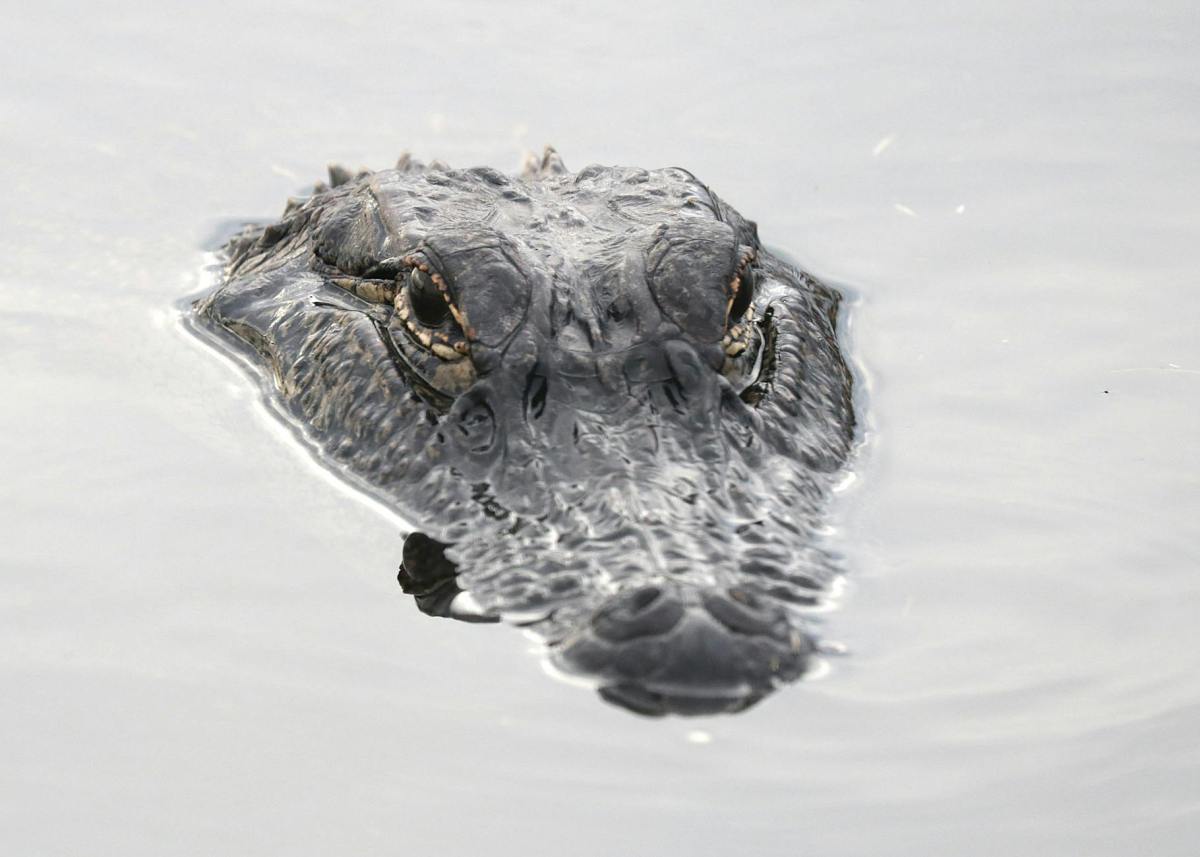
Two, is that a bad move remains a bad move. Ignoring crocodiles is never a good move. Wandering about without the protection of the pack is a high-risk strategy. Backing off, and fighting another day, is the best way to deal with a bigger, meaner, and hungrier opponent.

Where am I going with talk of these two different worlds? Human nature and animal nature.

It’s my reaction to seeing the scribblings of a former Prime Minister wibbling on about how dangerous it would be to reverse Brexit. Boris Johnson, that man whose star faded a long time ago, is writing for tabloid newspapers. He’s writing exactly what anyone would expect to see from those who will not learn from experience.

A bad move remains a bad move. Now, nearly ten years on, a bad decision remains a bad decision. Write what you like, it’s impossible to transform a failed project into a kind of utopia. What’s worse is to try and scare people by writing that we must tolerate failure because we once adopted a failed project is ludicrous. It’s irresponsible. It’s mad.


[1] UK Chancellor of the Exchequer from September to October 2022 under PM Liz Truss.

[2] https://www.bbc.co.uk/programmes/m002hdgh

Arborist Adventures

Funny how we attribute a problem to a nation. I’m sure it’s not the fault of the Dutch. It’s more the fault of the Canadians. To be fair, it’s nature rather than anyone’s fault.

One of the enduring memories of my childhood is looking out of a bedroom window to see the most enormous line of tall Elm trees. Running east to west, these magnificent trees were a dominant feature of the skyline. Looking south, towards the wider Blackmore Vale, they created a screen of green in the summer. Tall stately trucks in the winter. Maybe the central ones measured four or five feet in diameter.

Today, the view, on a clear day, extends all the way across Dorset to Bulbarrow Hill. Close by, no tall trees to obscure the view. Far off, on the top of the hill the telecommunication masts tower above the trees. Across the valley there’s nothing but treetops to be seen but few if any Elms.

The fate of the Elm trees is a sad one. Dutch elm disease wiped them out. From the 1960s, more than 25 million trees died across the UK. Other species have taken the opportunity to occupy the spaces left by the Elms. However, hedgerows have been lost as framing practices have changed. Trees a plenty but not so many as past times.

This week is national tree week[1]. I didn’t even know that until a visit to the RHS[2] at Wisley. I’ve had an RHS membership for about three years. Any time I’m in the vicinity of Wisley, I make a visit. That’s not been so easy of recent. The monstrous road works, planting a motorway junction of vast proportions in the area has been awkward to navigate. Nature is trying to coexist with traffic, tarmac and concrete.

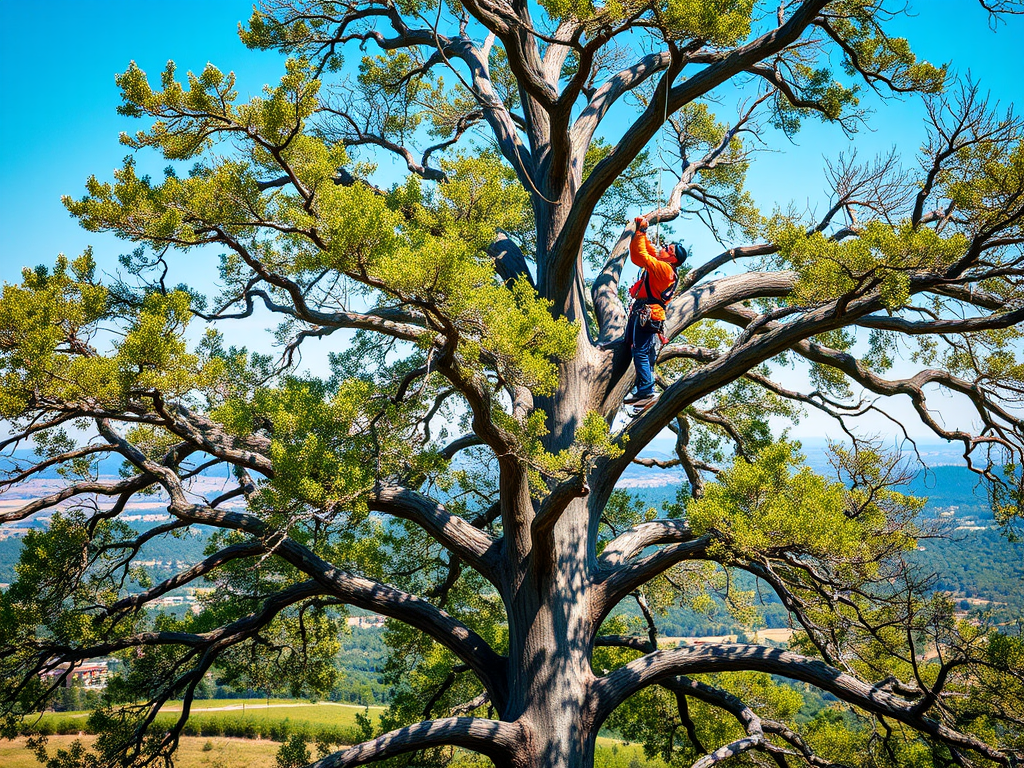
I learnt that there are a couple of thousand trees at Wisley. Lots of variety. Being RHS, a staff to maintain them in good condition. Experts with chainsaws and ropes to prune the dead limbs and make the most of any wood that comes their way. What I’m referring to is a highly entertaining lecture given by one of the young arborists who manages trees on their site.

There’s a lot more to managing trees than first meets the eye. Safety is one of the major considerations. Especially with an extensive garden that receives thousands of visitors. Rotten branches falling from great hight are not something to wish to encounter unexpectedly.

I get the distinct impression that, like a Cirque du Soleil show, arborists love nothing more than hanging upside down from flimsy looking branches. Constructing elaborate schemes of ropes to navigate the treetops. With pride, the lecturer had videos of scampering amongst the high tree limbs. Not a place I’d go. They’re a cross between tree hairdressers and surgeons. Rearranging, chopping, crafting, diagnosing and amputating at the same time. Not a job for a heavy-set person who has a phobia of hights.

The message here, for the week, is not to take the wonderful diversity of trees in the UK for granted. They do need nurturing and replacing. For the most part they do nothing but good.


[1] https://treecouncil.org.uk/seasonal-campaigns/national-tree-week/

[2] https://www.rhs.org.uk/

Adapting to Climate Change

Owned experience is more real than the theory, or the machinations of commentators. Yes, I know climate change and the weather are two different phenomena. My local weather is a part of the equation, even if it has its own life. Living in a shallow river valley in southern England there’s bound to be an element of a microclimate. A little warmer than the sounding chalk hills.

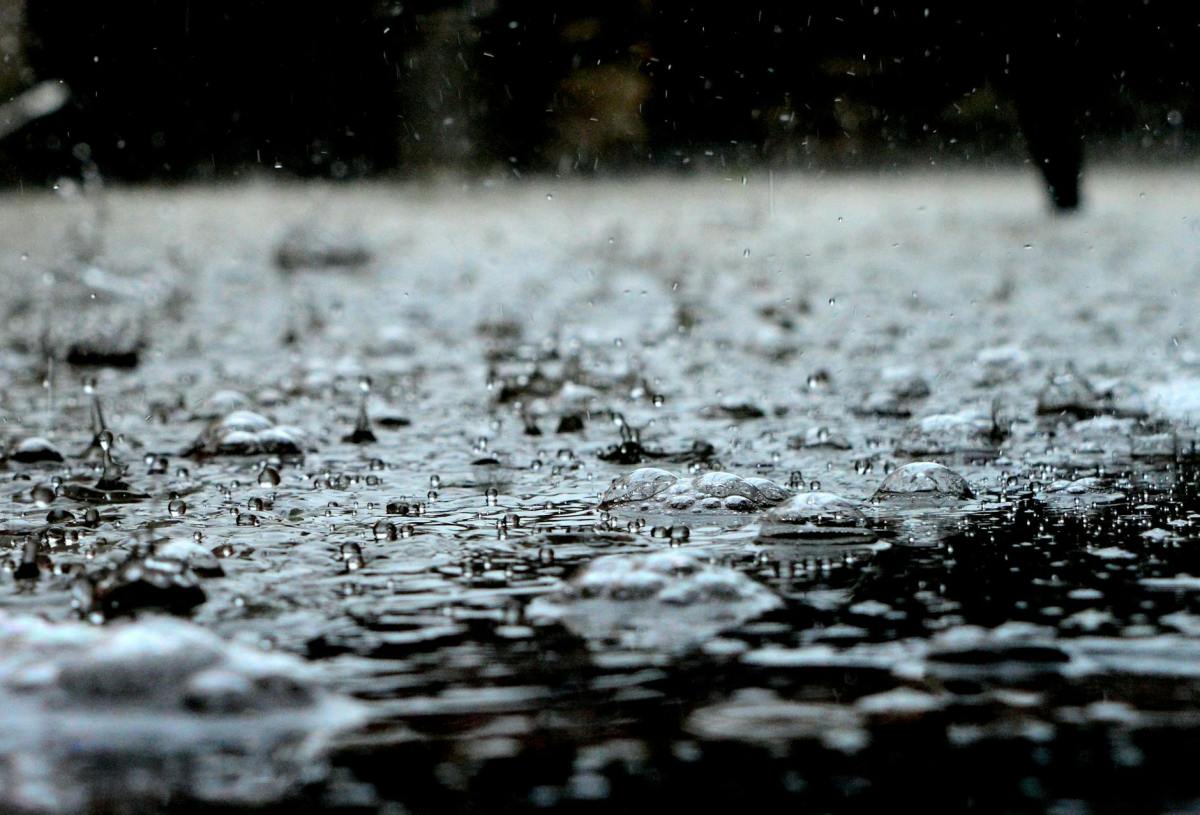
Last night, the rain fell. At about 3am it was ponding the roof tiles. Coming down like stair rods. Dislodged moss on the decking. Making the dark seem darker. Soaking the garden. Water butts that spent most of the year empty, full again. Whereas the water table sank to a depth in the mid-summer. My garden’s soil was hard. Compacted dust and flint in places. Now, it’s as if the ground water has risen to the surface. No place untouched. Grass as green as it has been. Squelching underfoot.

What’s chiming with me is the marked difference from past times. It’s November. The year is coming to an end. For decades past it would be perfectly normal for there to have been at least one hard frost. One of those occasions when the water in the bird bath becomes a solid frozen block. A glistening white cover of the grass. An end to the growing season, for sure.

Looking out of my kitchen window I still have plants in flower. Piles of sodden leaves. With one or two trees still reluctant to give up theirs. The seasons reluctant to move on. More chance of flooding than frozen ground.

Climate change predictions are that rain is likely to become heavier in this part of the UK. Floods to become a more regular occurrence of warming winters. The ground absorbing much more rainwater. River levels staying higher for longer.

What impact this seasonal flip-flop will have is open to question. Dry summer ground as hard as concrete. Wet winter ground constantly saturated. A more rapid change from one to the other.

For a gardener, certainly, this needs to be considered when planting. Seeing what plants will flourish in these changing circumstances. At least, I did invest well in one new willow tree this autumn. It’s about eight foot high and leafless. I’m expecting it to bust into life in next spring.

POST: As if I’d called it, the temperature has started to drop. 2C this morning. So, maybe the point is not that the seasons are changing, which they are, but more the moment of transition from one to the other is changing.