
Flicking through the vinyl albums that no one wants there’s one I should have rescued this week. In a corner, charity shops usually have a pile of gifted vinyl records. I like to look for a hidden gem. Unfortunately, what’s left is the tatty and practically valueless disks. Versions of musicals that have fallen out of fashion, scratched classical concerts and embarrassing compilations.
It’s harvest time. Autumn is undeniable. A colourful carpet of leaves litters the pavements. Remarkably warm. Monday’s blue skies set of the spectacle of the trees display. When the October weather is like this there’s not much to complain about. Crisp walks through the dappled light as the low sun’s rays shine through the branches. Good to be alive.
Looking out of the window in the early morning it was as if it was a spooky daytime. In a monochrome light the outline of the tree line was like a cutout silhouette. Nothing could move without being seen. Grass glittered. Hedges stood like army ranks. All because of the intensity of the moonlight. Constant in the cool air.
The pop tune that entered my head was there for the taking but I’d left it to one side. This is a song that resonated from my boyhood. Some might cringe a bit. Let’s suspend judgement and let the 1970s be the 1970s. “Under the moon of love” is about as catchy as it gets. Showaddywaddy[1] dressed up in their brightly coloured exaggerated 1950s garb. They were not the only ones to do that for Top of the Pops. What’s memorable is the danceability of their pop classics. It makes me want to move. Don’t tell anybody. Sadly, my long hair has long gone.
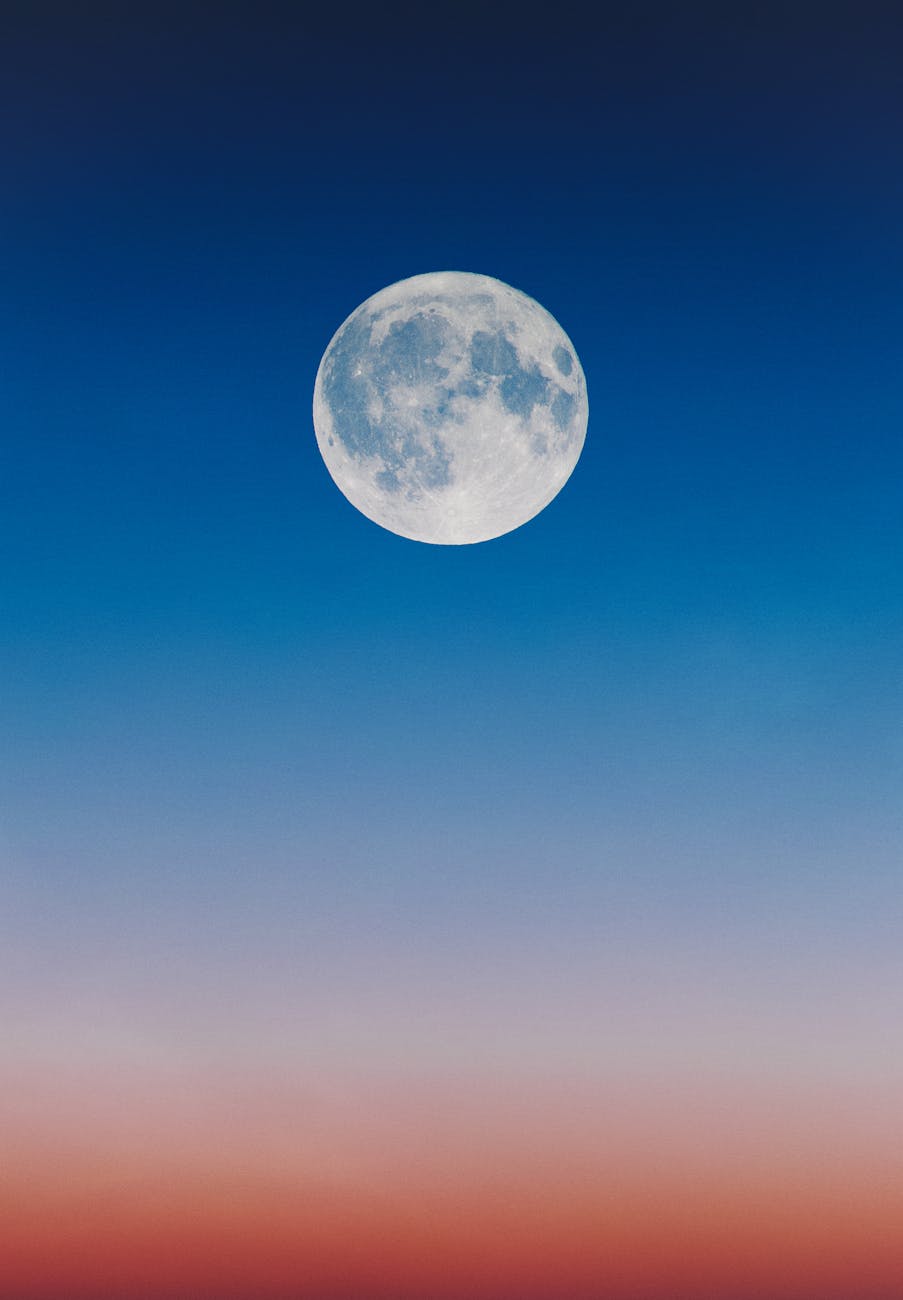
It’s the time of the harvest moon. So, it’s a time for moon tunes. Not just any moon but the first supermoon of the year will grace the sky tonight, Tuesday 7th October. This bright full moon of 2025 will light up the nighttime. It will not have a musical accompaniment in my garden even if there’s a lot to choose from. The neighbours wouldn’t like it.
The best of the pile is Neil Young and his Harvest Moon[2]. 180 degrees from the Showaddywaddy pop effort. Neil scores top rating. It’s melodic, melancholy and memorable. Fantastic. Just right for a quite evening gazing at the moon overhead.
On a melodic theme the next one I’d recommend is from Nick Drake[3]. Again, it’s the 1970s that provides the music. It was a decade of variety, to say the least. Song writers were pushing the boat out and coming up with magical results.
And here’s another. Another to dance to in the moonlight. Moondance in fact. Van Morrison[4] this time. Perfect for an October night.
And if anyone has ever doubted the genius of Beethoven there’s the Moonlight Sonata.
The coming night will mark the start of a run of 3 supermoons. November and December will be graced with magical moons. I hope that’s an omen for good. Love and happiness.
POST: For more information BBC Radio 4: In Our Time: The Moon
https://www.bbc.co.uk/sounds/play/p0m77cfm
[1] https://youtu.be/qigUdmLyMBs
[2] https://youtu.be/n2MtEsrcTTs






 John Vincent