Arborist Adventures

Funny how we attribute a problem to a nation. I’m sure it’s not the fault of the Dutch. It’s more the fault of the Canadians. To be fair, it’s nature rather than anyone’s fault.

One of the enduring memories of my childhood is looking out of a bedroom window to see the most enormous line of tall Elm trees. Running east to west, these magnificent trees were a dominant feature of the skyline. Looking south, towards the wider Blackmore Vale, they created a screen of green in the summer. Tall stately trucks in the winter. Maybe the central ones measured four or five feet in diameter.

Today, the view, on a clear day, extends all the way across Dorset to Bulbarrow Hill. Close by, no tall trees to obscure the view. Far off, on the top of the hill the telecommunication masts tower above the trees. Across the valley there’s nothing but treetops to be seen but few if any Elms.

The fate of the Elm trees is a sad one. Dutch elm disease wiped them out. From the 1960s, more than 25 million trees died across the UK. Other species have taken the opportunity to occupy the spaces left by the Elms. However, hedgerows have been lost as framing practices have changed. Trees a plenty but not so many as past times.

This week is national tree week[1]. I didn’t even know that until a visit to the RHS[2] at Wisley. I’ve had an RHS membership for about three years. Any time I’m in the vicinity of Wisley, I make a visit. That’s not been so easy of recent. The monstrous road works, planting a motorway junction of vast proportions in the area has been awkward to navigate. Nature is trying to coexist with traffic, tarmac and concrete.

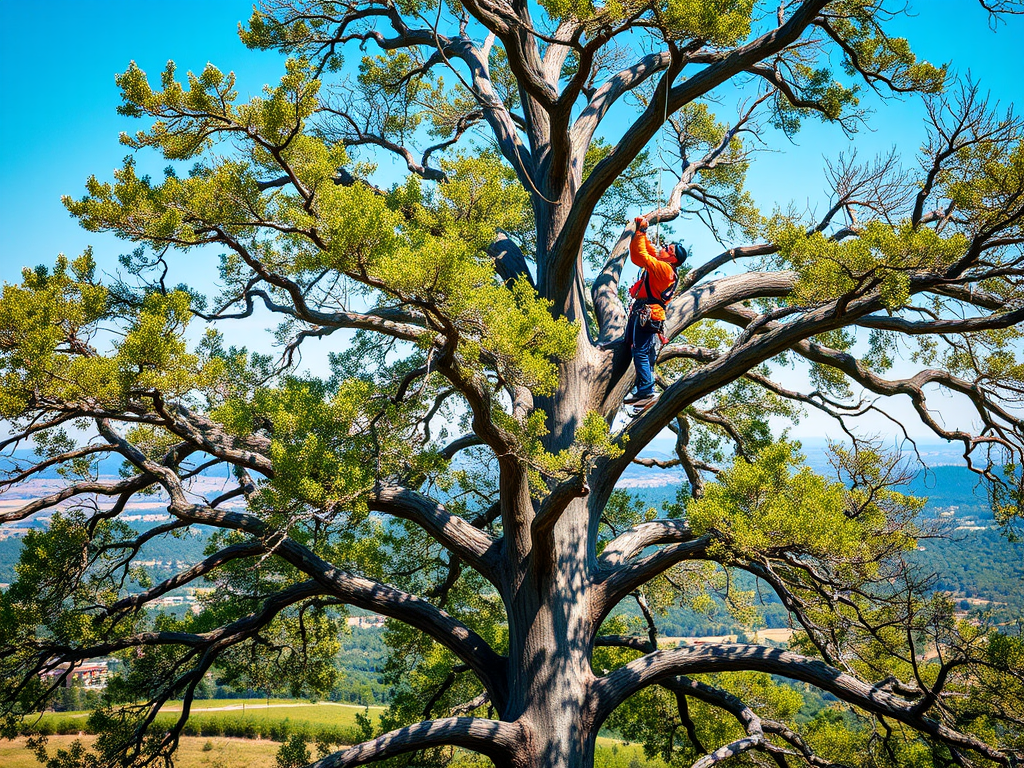
I learnt that there are a couple of thousand trees at Wisley. Lots of variety. Being RHS, a staff to maintain them in good condition. Experts with chainsaws and ropes to prune the dead limbs and make the most of any wood that comes their way. What I’m referring to is a highly entertaining lecture given by one of the young arborists who manages trees on their site.

There’s a lot more to managing trees than first meets the eye. Safety is one of the major considerations. Especially with an extensive garden that receives thousands of visitors. Rotten branches falling from great hight are not something to wish to encounter unexpectedly.

I get the distinct impression that, like a Cirque du Soleil show, arborists love nothing more than hanging upside down from flimsy looking branches. Constructing elaborate schemes of ropes to navigate the treetops. With pride, the lecturer had videos of scampering amongst the high tree limbs. Not a place I’d go. They’re a cross between tree hairdressers and surgeons. Rearranging, chopping, crafting, diagnosing and amputating at the same time. Not a job for a heavy-set person who has a phobia of hights.

The message here, for the week, is not to take the wonderful diversity of trees in the UK for granted. They do need nurturing and replacing. For the most part they do nothing but good.


[1] https://treecouncil.org.uk/seasonal-campaigns/national-tree-week/

[2] https://www.rhs.org.uk/

Adapting to Climate Change

Owned experience is more real than the theory, or the machinations of commentators. Yes, I know climate change and the weather are two different phenomena. My local weather is a part of the equation, even if it has its own life. Living in a shallow river valley in southern England there’s bound to be an element of a microclimate. A little warmer than the sounding chalk hills.

Last night, the rain fell. At about 3am it was ponding the roof tiles. Coming down like stair rods. Dislodged moss on the decking. Making the dark seem darker. Soaking the garden. Water butts that spent most of the year empty, full again. Whereas the water table sank to a depth in the mid-summer. My garden’s soil was hard. Compacted dust and flint in places. Now, it’s as if the ground water has risen to the surface. No place untouched. Grass as green as it has been. Squelching underfoot.

What’s chiming with me is the marked difference from past times. It’s November. The year is coming to an end. For decades past it would be perfectly normal for there to have been at least one hard frost. One of those occasions when the water in the bird bath becomes a solid frozen block. A glistening white cover of the grass. An end to the growing season, for sure.

Looking out of my kitchen window I still have plants in flower. Piles of sodden leaves. With one or two trees still reluctant to give up theirs. The seasons reluctant to move on. More chance of flooding than frozen ground.

Climate change predictions are that rain is likely to become heavier in this part of the UK. Floods to become a more regular occurrence of warming winters. The ground absorbing much more rainwater. River levels staying higher for longer.

What impact this seasonal flip-flop will have is open to question. Dry summer ground as hard as concrete. Wet winter ground constantly saturated. A more rapid change from one to the other.

For a gardener, certainly, this needs to be considered when planting. Seeing what plants will flourish in these changing circumstances. At least, I did invest well in one new willow tree this autumn. It’s about eight foot high and leafless. I’m expecting it to bust into life in next spring.

POST: As if I’d called it, the temperature has started to drop. 2C this morning. So, maybe the point is not that the seasons are changing, which they are, but more the moment of transition from one to the other is changing.

Seasonal Shifts

I’m going to accept the theory that Halloween is a celebration of the dead derived from pagan times. It’s a regular festival that Christians cleverly converted into a Christian holiday. I don’t think Europeans started the remembrance of our ancestors. That act maybe as ancient as modern humans. What a good time to mark a transition. At a change of the seasons. Nature shows us the power of death and rebirth most acutely as the leaves fall and winter’s cold winds sweep in. To think the trees that invested all the energy in making leaves cast them aside. But they do so confident that one day there will be springtime again.

Hunker down as the clocks go back on the last Sunday of the month. Slightly lighter in the mornings. Darkness falling as soon as the workday ends. It’s a time for adjustment. That’s one marker of season change in the northern hemisphere.

I’m ready. Already there’s a distance from the summer months of parched grass and constant watering. Withering plants and rock-hard ground. It’s as if they never existed. I need my wellington boots to walk about the lawn. Watering can hung-up till next year.

Warmth is ebbing away. The exception being the moments when the low sun still baths me in bright sunlight. In the shad there’s no such relief. Shadows grow longer. I’m in a mood to prepare for winter. Ruffling through the bedroom wardrobe for warmer cloths.

Where does the TOG number come from? It’s that time of year. Time to TOG-up. Take the summer duvet and replace it with the winter one. When the temperature outside starts to hang below single figures it’s time to change the duvet. It’s obvious. Change to a fuller warmer one. Warmer by numbers but what does that mean? Do I need to know?

Try telling the kids of today. I grew-up in a house without central heating. Grabbing an extra woolly blanket. Creating a secure cocoon. Desperate not to break the seal. That was the bedroom of my youth. Howling winds and rain swept across the open fields. Thick farmhouse walls kept them at bay. Shakey sash windows equalised the temperature inside and out.

Now, piles of blankets are outdated. Primitive times. Generous heating and a fluffy duvet insulate me from the tormented autumn weather. The passing south westerly storms.

Keeping it simple the higher the TOG the better the insulation. Not that the word TOG has a scientific meaning. However, underlying it is a system of measurement but it’s almost pointless relating the number crunching. I would have thought the T in TOG would be “thermal” but no.

It’s a slang word. I do it every day. I’m putting on my togs. My gear. My garments. My clothes. It’s that basic.

Autumn’s Arrival

It’s the season of mellow fruitfulness. Hey, I didn’t even know I was quoting Keats with that apt short line. It’s so embedded in my thoughts.

Season of mists and mellow fruitfulness,

Close bosom-friend of the maturing Sun;

Conspiring with him how to load and bless

With fruit the vines that round the thatch-eves run;[1]

It’s so appropriate to the day. To the week. We are in that spot of the year that marks a transition. Summer is behind us. The ground is covered with acorns and conkers. Leaves are contemplating the end of the duties. A mist hangs over the grass in the early hours.

Just to be clear, I don’t live in a picture box thatched cottage in some hidden English valley. That said, from one long-standing vine, this year, I’ve collected a mass of grapes. This vine, being so deep rooted, it hasn’t suffered the desert like conditions that prevailed for weeks.

Autumn can be a wonderful season. For a few weeks the siren sound of the winter’s coming is held in suspension. There’s time to think about whether to turn on the heating or not as the temperature dips at night.

Transitions are political too. In Britain, it’s the season of conferences. A time for the faithful to gather and spend a few days running around like headless chickens. A harvest of policy papers and last-minute speeches. Condemnation of opponents. Accolades for friends and good company. Tee-shirts, hats and posters plying slogans old and new.

It’s difficult to explain. Might seem tiresome to those who have never spent 4-5 days at the seaside in September but mostly indoors or waving banners in the sea breeze. This week the Sun has blessed all concerned. Those of us who went to the south coast to share time with family and those who went to change the world.

For the party of government, they may be asking:

Where are the songs of spring? Ay, Where are they?

The optimism of last year has dramatically subsided. Now, they seem like the Mars company marketing gurus who rebranded the Marathon chocolate bar to Snickers[2]. A lesson in how to cause confusion for no material gain. Labour’s problem is clear. The chocolate bar is a good national trend indicator. Off the shelf, the bars are smaller, but you pay the same price or more for the pleasure. Arresting decline is proving to be difficult.

And gathering swallows twitter in the skies.

For those who may wonder at this line, Keats didn’t have social media.

[An Aside: AI, and its unsolicited interventions, can be right plonkers. It suggested that I change the grammar of Keats poem. It offered to rewrite the lines above. So, billionaires are spending billions trying to prompt us to rewrite romantic poetry. What a mad mad world.]


[1] https://www.poetryfoundation.org/poems/44484/to-autumn

[2] https://www.dailymail.co.uk/femail/article-13873067/real-reason-Snickers-changed-Marathon-chocolate.html

The Intriguing Life of Jackdaws

As the grass turns brown, the sun beats down. Me, I just a lawnmower[1]. Now, that’s probably the daftest lyric that has ever been written in the history of rock. As I look out of the window at the parched grass there’s no way I’d take my lawnmower to it. If I did there would be nothing, but dirt left in its wake. Stubborn deep-rooted weeds and dead moss.

It’s summer. It’s unusually dry. Although, as the sun came up this morning, looking out of the bedroom window, a thin mist covered the ground. That was early. Between 4am and 5am. A thin white mist, low to the ground, must refresh the grass just a little. Most of nature sleeps.

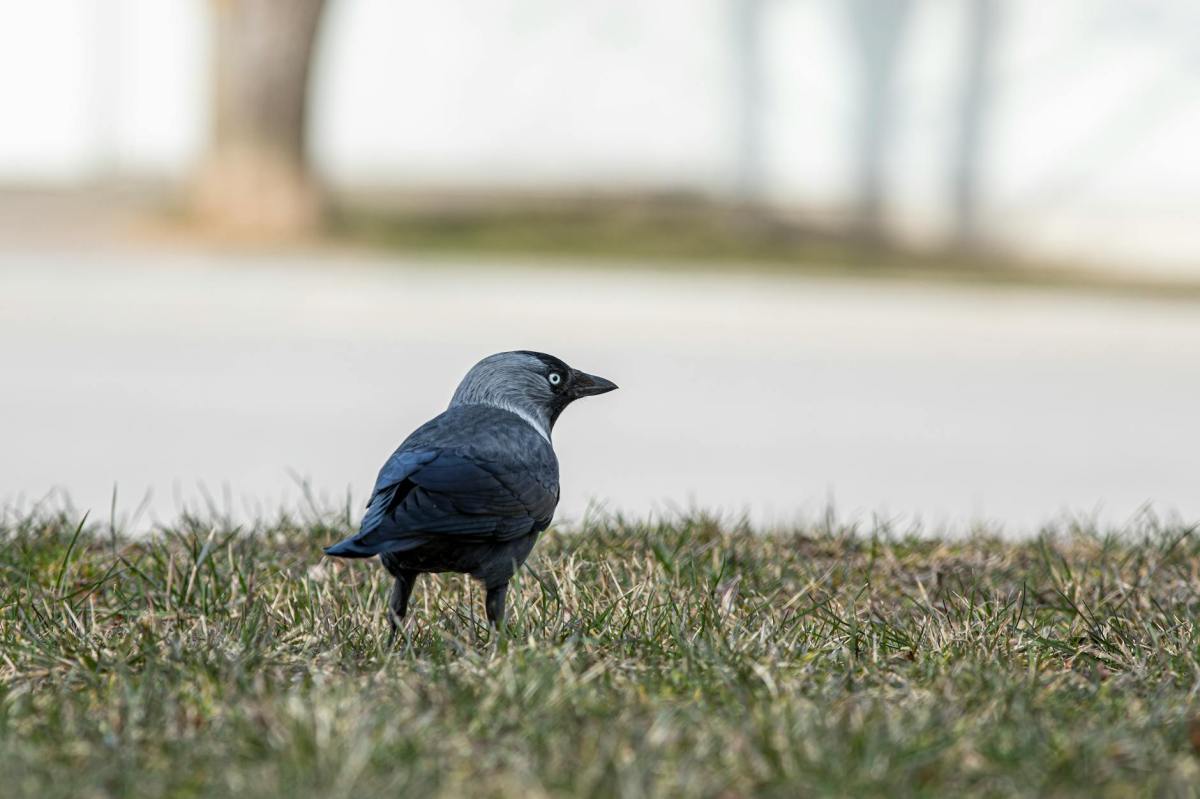
As the morning progresses its not long before one dominant sound fills the air. It’s not the cars on the nearby road. One species of bird has adopted the tall trees, field next door and my garden. They are not a quite bird. To those that know their call is instantly recognisable. Their sound isn’t musical like some birds. It’s an incessant chatter. Loud and repetitious.

Jackdaws are having no trouble despite the dying grass and rock-hard ground. Our community of noisy birds is thriving. I guess their advantage is that they eat just about anything that’s going. Not much concern about predators as they take no care to hide their presence. I’ve seen them happily mocking larger birds. Showing off seems to make them happy.

As far as evolution goes, they have a lot of advantages. Equally agile hopping around on the ground as they are swooping and diving from tall trees. There’s no doubt they have a complex social etiquette. One or two minutes watching how they interact gives this away. Bigger, more mature, birds intimidate the younger ones.

Can’t say I like them much. More that I admire them for being so savvy. Jackdaws look as if they own the place. It’s not my garden. They are saying, we come a go as we please, you can share the space if you like. Sooty black masters of the airspace.

We’ll tolerate each other mainly because we have no other choice. Trying to scare a jackdaw is a fruitless task. They learn quickly. Soon sussing out that they can get the better of you.

As the sun beats down, I lay on my lounger. Listening to the endless chatter. Me, I’m just a bird feeder. Watching as the skies fill with shiny black dots. There for moment and gone the next.


[1] https://genius.com/Genesis-i-know-what-i-like-in-your-wardrobe-lyrics

Strolling

Daily writing prompt
What notable things happened today?

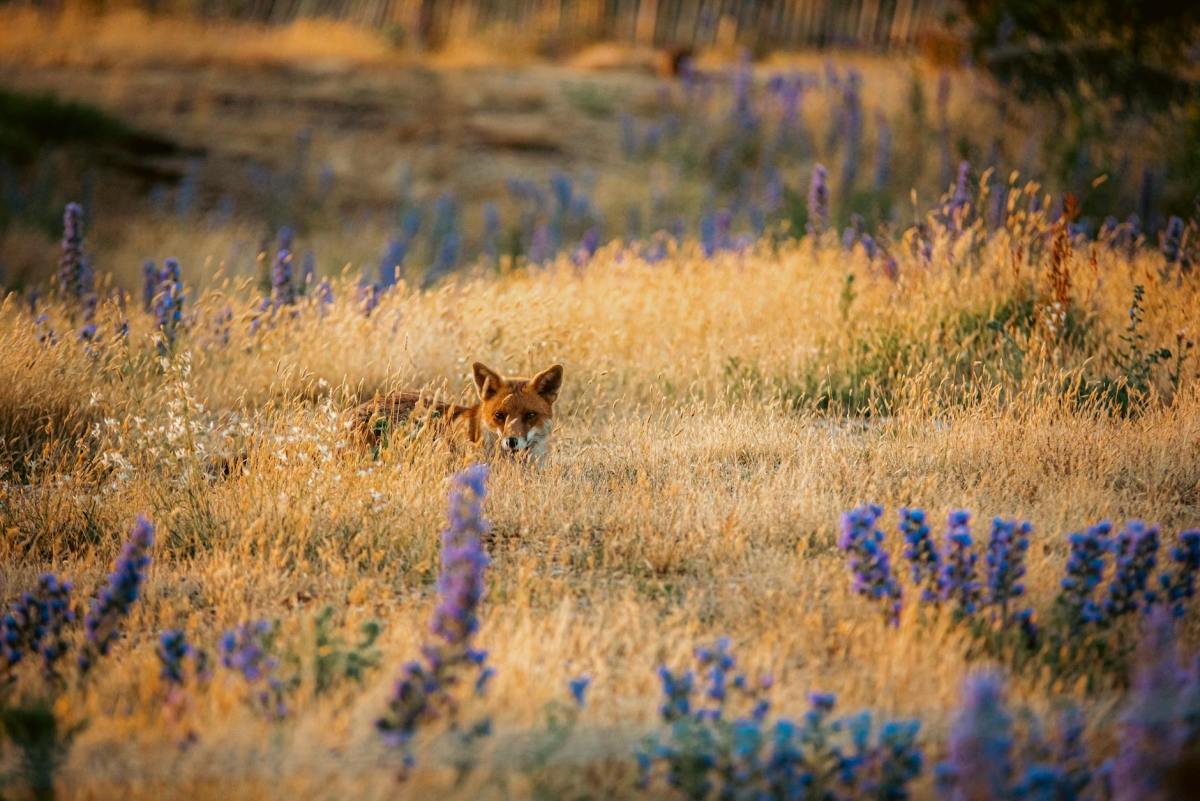
Mr fox strolled intently across the green field. Apologies, if in fact it’s a Mrs fox that I saw in the early morning light. His was a deliberate, nonchalant stroll. Knowing that tuffs of high grass and reeds provided cover. A stop, quick look around, and then onward. No reason to hurry.

From my window, this was not the first time I’ve seen a fox on his first light stroll. In the bright morning sunlight, there was a sheen coming off his coat. This was clearly a healthy fox. Agile, slender and strong. Unlike shy, less fit town foxes that I’ve seen wandering gardens. No scavenging from waste bins for this smart fellow.

It crossed my mind that prey must be plentiful at this time of year. Later in the day a pack of geese graze this unkempt wet land. Mixing with the Dexters. I’ve seen goslings waddling along behind their parents. Now, I suspect there are fewer of them to waddle.  

A Day at the Bath and West Agricultural Show

It’s a part of my childhood. It’s fascinating to see how it has changed over the decades. There’s hardly a year go by when I don’t go to at least one agricultural show in the UK.

Last year, I visited the Lincoln show and the Newbury show for the first time. Most of the summer rural shows in the UK have a long history that is kept going by an Agricultural Society. The bigger ones have dedicated show sites and some permanent buildings. The smaller ones can be a large field that’s set aside for a couple of days a year. Each show reflects the nature of the farming, the crops, the animals, in its region.

This Friday, my day out was a trip to the Bath and West show[1] in Somerset. The show site is large. Spread over a south facing gently sloping hillside. To the south of the town of Shepton Mallet, at the base of Prestleigh Hill.

That’s my family connection. My mother grew-up on a small farm in Prestleigh. It’s not named on the map anymore as a couple of the buildings are now dwellings. Yew Tree Farm was situated on a dangerous bend on the main A371 road where traffic must veer right as it comes down the hill. The alternative being to hit a wall and end up in the farmyard. If I remember correctly, my grandad got free tickets to the Bath and West as they used one of his fields for a car park. As children we would hop over the fence to go straight to the show.

This year, the ground was as hard as rock underfoot. Spring has been unusually dry. There’s more dust than mud. That’s good for the show. There have been years when the wind and rain have swept the exposed show site and blown down tents and made mini rivers. Making welly boots mandatory.

What has changed? Although this annual event is predominantly a showcase for West Country food and farming it’s gone beyond that formula to become an atypical half-term family day trip. It’s no longer a place where local farmers strike deals with machinery salesman or learn about the latest breeds or cropping methods. That post-war image of mucky tractors and trailers turning up in droves is for vintage postcards.

What’s nice is that there’s something for everyone with an interest in the English countryside. Beekeepers, cider markers (and drinkers), cheese makers, traction engine enthusiasts, rare breeds, heavy horses along with tea and cake in the WI tent.

Sheep started big this year. Cattle and pigs less so. Again, the word is enthusiasts. Breeds rare and commercial ones all cleaned up for display and judging. Handlers, young and old, parading their animals for picky judges to prod and score. Then colourful rosettes displayed with pride.

It’s not a cheap day out for townsfolk and county people anymore. Car parking might be free but the price of entry and just about anything on-site can quickly rack up. Everywhere, even in a field, we have become a cashless society. A tap here, a tap there, no longer do we dig into our pockets for loose change.

For the good weather and crowds, I expect this year’s 3-day event will be evaluated as a great success. Keeping the tradition going.


[1] https://www.bathandwest.com/royal-bath-and-west-show

Protecting Green Spaces

Listening to a Labour Minister use the word “streamlining” I reached for the off switch. My morning radio was bubbling away with a spokesperson justifying changes that remined me of that moment when the Earth was about to be demolished in the HHGTTG. I could imagine him saying; houses must be built because houses must be built.

Labour have been in power for less then a year but more and more they sound like the people they displaced. My thought was, with these recent land planning proposals, what’s the difference between what the Conservatives did and what Labour is doing now?

Let’s go back in time. One of the most dreadful planning changes of the past was the selling-off of school playing fields[1]. Green space, often surrounded by dwellings were erased. Countrywide, bricks, concrete and tarmac were prioritised over green spaces, local sports and nature. Not much to guess as to why the national is not as healthy as it should be.

It’s not new to say – what we learn from history is that we don’t learn from history.

Don’t get me wrong. I’m in favour of building more affordable houses where they are needed. It’s eminently reasonable to provide support for small and medium sized housebuilders. There are spaces that can take more dwellings provided the associated infrastructure comes along too.

By law, let’s not tip the balance in a way makes us all poorer. Our natural environment has taken one hell of a bashing in my lifetime. One of the indicators is the bug count. If I travelled any distance in the summer, in the early 1980s, in my bright red Sunbeam Imp, it wouldn’t be long before I’d need to stop to clean the windscreen of dead bugs. Today, drive as far as you like through the English countryside and there’s no such problem to address.

Labour’s Minister doing the morning rounds, spoke from a prepared script. Everything is above board. Government consulted on the proposals. Houses must be built because houses must be built. Consultations are fine. However, doing it and ignoring what people are saying is tantamount to manipulative deception.

Concreting over nature is not the way to go. Especially for small pockets of green spaces that still bring nature into cities, towns and villages. Infill and the eradication of small green spaces is just as bad as the momentous school playing field mistakes. It’s a one way trip. Watering down measures designed to protect nature is not the way to go.

Pushing forward with an aggressive approach to building foregoes long-term benefits for short-term political gain and blinkered treasury wishes. With the lessons learned over decades, priority to protecting our natural environment should not be sacrificed[2]. The Labour Government’s Planning & Infrastructure Bill needs amendment. Let’s hope that happens.


[1] https://www.itv.com/news/update/2012-08-17/how-previous-governments-compare-on-selling-off-playing-fields/

[2] https://www.wildlifetrusts.org/news/planning-bill-breaks-labours-nature-promises-say-wildlife-trusts-and-rspb

Exploring Sunday

To the rationalist everyday is the same. Earth turns on its axis. We all experience day and night. Day and night change as the season change. It’s all mechanical and predicable. Even the builders of Stonehenge knew that there was a rhythm to the year.

Last night, to mark that transition between the cold winter months and spring, the clocks went forward one hour. So, I’m already out of sync with my normal routine. Happy with it. Those extra hours of light in the evening are a great joy. Time to get the garden in shape.

This seventh and last day of the week, has a marker too. Christian communities see this day as a day to take stock, to rest. We don’t entirely observe that tradition anymore, but it is a different day. A day when life takes a slower pace.

If I go back to my youth, Sundays were distinct. The day was always a time set aside for visiting relatives. Now and then, a church or chapel service in the evening. West Country village life was one of compromises. We went backwards and forwards between the Church of England and a small Methodist chapel in an adjoining village.

Sunny spring and summer Sunday evenings could be unlike every other day. Until my parents gave up the dairy, and reliance on a cheque from the Milk Marketing Board[1], everything we did had to fit around milking time. Cows have internal clocks. They know when the time has come for milking.

Lighter spring evenings opened the opportunity to go visiting or, as we often did, going for a drive. All six of us would get packed into the family’s Wolseley 16/60. Dad would head off over the hills and vales of Somerset and Dorset to get some relief from the constant demands of the farm. Later on, the 16/60 was replaced by a newer bright white Wolseley 18/85[2]. A quite dreadful car to ride in. It was a time when the British car industry was desperately trying to modernise. The Japanese had started to produce cars that were starting to offer better value and reliability.

Cruising around the country lanes was not only an opportunity to get out and about, but this was also a way of looking over the hedges and surveying the landscape. Finding out what the neighbours were up to. Checking out some new farming venture that was being talked about at market. Criticising poor husbandry or the dereliction of what was once a “good” farm.

This childhood experience has left me with a curiosity. Could be inherited. That need to know what’s around the next corner or just over the brow of a hill. It’s imbedded. Naturally, that curiosity was stimulated by the unending variety of the topography. On my trips to America, it has always struck me that driving for miles and miles can be easy, but it takes a long way for the sights and sounds to change. Somerset and Dorset, and I mustn’t forget Wiltshire, have a world around every corner. Sundays were explorer days. Adventure days too.


[1] https://discovery.nationalarchives.gov.uk/details/r/C179

[2] https://www.wolseleyregister.co.uk/wolseley-history/blmc/1885-six/

Arrival of Spring

It’s the time of the year that I like the most. OK, so I have a birthday in March. A good reason to take stock and look ahead. This year my age moves from one tick box to the next. So many surveys and questionnaires divide ages categories at 64 – 65.

My father-in-law, now long past, was an accountant. He’d often quote a dated joke. It’s more of a pun. “Old accountants never die; they just get broken down by age and sex.”

What’s even more special than that is the point on the astronomical calendar. No, not the astrological calendar. Although for note, I was born under the star sign Pisces. Which I am more than happy about. Smart, creative, and intuitive. Those characteristics might be plucked out of an astrologist’s scribblings, but I’ll take that.

Spring is sprung. The vernal equinox is on 20 March. And that’s official enough for me.

Usually, I have another marker for spring and it’s because of an English town, where I once lived. It’s the time of the Cheltenham Gold Cup[1]. This is a popular horse racing event held in Gloucestershire, UK. It has a huge impact on the town. I write this because back in the late 1980s I remember watching the racing in a snowstorm. Looking out on that huge bowl-shaped racecourse as snowflakes sprinkled the ground. Quite a picture, windswept and cold. It certainly was memorable.

On my calendar proper Spring can’t happen until the Gold Cup is done and dusted. This year that’s on the 14 March. Just before Spring officially begins.

By the way, I can squeeze aviation into this celebration of the onset of Springtime. The central area of racecourse in Cheltenham becomes a helicopter park. This experiences about 300 helicopter movements per day for the four-day duration of the racing. As the weather improves in the UK so general aviation wakes-up.

The seasons have a rhythm about them which is powerfully reassuring. Just at the moment, nothing in the News can be said to be reassuring. I’m sure, the signs of the zodiac didn’t predict these last few weeks. Rhythm has broken into arbitrary disruptions.

As the conflict in Ukraine continues the positions taken by western allies becomes ever more confused. To the extent that the word “allies” may need a second look.

I’d always say the Spring is a time for hope and optimism. I think we all are looking for that hope and optimism.


[1] https://www.thejockeyclub.co.uk/cheltenham-festival/